
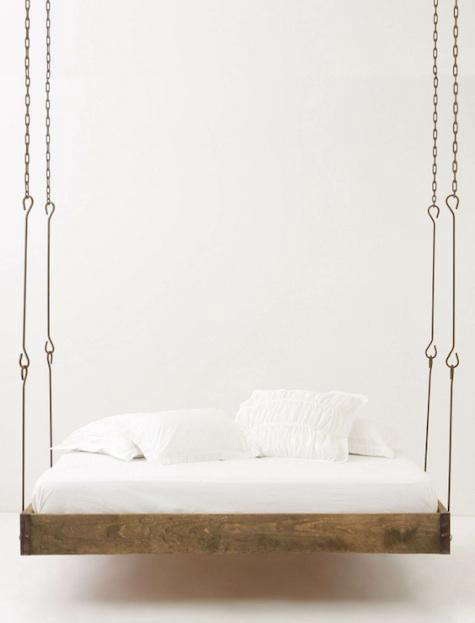
A hanging bed sounds like something a fairy-tale cabin would install right after adding a fireplace, a stack of wool blankets, and a suspiciously photogenic dog. But Anthropologie’s Barnwood Hanging Bed is not just a whimsical piece of furniture. It is a statement-maker, a rustic design fantasy, and a reminder that a bed does not technically have to sit politely on four legs like every other bed at the furniture party.
The Barnwood Hanging Bed from Anthropologie blends the familiar comfort of a wood bed frame with the unexpected charm of a suspended swing. Framed in pinewood, finished in a natural tone, and designed to hang from sturdy chains, it brings together farmhouse texture, porch-swing nostalgia, and boutique-home drama. It is the kind of bed that makes guests pause mid-sentence and say, “Wait… is that bed floating?” Which, frankly, is the correct reaction.
Although the original Anthropologie listing is currently marked as sold out, the bed remains worth discussing because it captures several major furniture trends that still feel fresh: reclaimed-look wood, multifunctional lounging, natural materials, and homes that feel personal instead of showroom-perfect. Whether you are shopping for a similar hanging bed, designing a rustic bedroom, or simply building a mental vacation home one Pinterest board at a time, this piece offers plenty of inspiration.
What Is the Barnwood Hanging Bed from Anthropologie?
The Barnwood Hanging Bed is a suspended bed design from Anthropologie’s home collection. The original product page describes it as a pinewood-framed piece suspended from sturdy chains, hovering just above the floor while gently swaying the sleeper into rest. It was offered in a natural color and standard fit, with twin and queen size options.
Remodelista’s earlier coverage noted that the bed was made from pine and was available in twin and queen sizes, with original pricing listed at $2,898 for twin and $3,298 for queen at the time. Because prices and availability change, those figures should be treated as historical context rather than current shopping information. In other words, do not storm into your budget spreadsheet waving a decade-old price tag like it is furniture gospel.
What makes this bed special is not just the material. A pine bed frame is common. A rustic finish is common. Chains, however, change the entire mood. The bed becomes architectural. It interacts with the room vertically, not just horizontally. It suggests motion, leisure, and a slower rhythm of living. It is part bed, part indoor swing, and part design conversation starter.
Why the Design Still Feels Relevant
Rustic furniture can sometimes look like it is trying too hard. We have all seen “farmhouse” pieces that seem to believe adding distressed paint automatically creates character. The Barnwood Hanging Bed avoids that trap by using a simple shape and letting the suspended structure do the talking. Instead of leaning on decorative fuss, it relies on material, form, and mood.
1. It Taps Into the Desire for Natural Materials
Wood furniture has lasting appeal because it brings warmth into a room. Pine, oak, walnut, reclaimed barnwood, and other wood tones all soften interiors that might otherwise feel cold or overly polished. In recent years, homeowners and designers have moved away from flat, sterile rooms and toward spaces with texture, memory, and tactile beauty.
The Barnwood Hanging Bed fits that shift perfectly. Its natural wood tone makes the room feel grounded, even though the bed itself is suspended. That contrast is the fun part. The eye reads the wood as earthy and stable, then notices the chains and realizes the piece is doing something slightly rebellious. It is rustic, but not sleepy. Cozy, but not predictable.
2. It Makes the Bedroom Feel Like a Retreat
A regular bed says, “This is where I sleep.” A hanging bed says, “This is where I disappear from responsibility for several hours with a book, a blanket, and possibly a snack I will deny eating in bed.”
The design has an unmistakable retreat-like quality. It feels at home in a converted barn, lake house, mountain cabin, airy porch, sunroom, or relaxed guest room. But it can also work in a more modern setting if styled with restraint. Pair it with crisp linen bedding, matte black or aged brass accents, woven shades, and a soft neutral rug, and suddenly the look becomes less “country lodge” and more “boutique hideaway.”
3. It Supports Flexible Living
Modern homes increasingly ask rooms to do more than one job. A guest room becomes a reading room. A sunroom becomes a nap zone. A family room needs seating, lounging, and the occasional emergency fort. A hanging bed can serve as both a sleeping surface and a dramatic daybed, making it especially appealing in homes where square footage has to earn its keep.
This is one reason the Barnwood Hanging Bed remains such a strong design idea. It does not have to be limited to a bedroom. In the right structure, it could anchor a living space, porch, studio, or large lounge area. It invites people to sit, recline, talk, read, and relax. Chairs are useful. Sofas are dependable. But a hanging bed has main-character energy.
How to Style a Barnwood Hanging Bed
The key to styling a barnwood hanging bed is balance. Because the bed itself is visually bold, the surrounding decor should support it without turning the room into a rustic theme park. You want “effortless cabin elegance,” not “gift shop attached to a maple syrup museum.”
Use Soft, Layered Bedding
Start with bedding that feels relaxed rather than overly formal. Linen sheets, cotton quilts, chunky knit throws, and oversized pillows work beautifully. White, ivory, oatmeal, clay, sage, charcoal, and faded blue are strong color choices because they complement natural wood without fighting it.
A hanging bed already has movement and visual interest, so avoid bedding that is too shiny or fussy. Satin, heavy brocade, and hotel-perfect pillow arrangements can feel out of place. This bed wants texture. It wants softness. It wants the kind of blanket you accidentally wrap around yourself while claiming you are “just testing the room atmosphere.”
Mix Rustic Wood With Cleaner Lines
One common mistake with barnwood furniture is surrounding it with too many similar pieces. A barnwood bed, barnwood nightstand, barnwood dresser, barnwood mirror, and barnwood bench can quickly make a room feel like it has been trapped inside a lumberyard with excellent lighting.
Instead, mix materials. Add a slim metal floor lamp, a plaster wall finish, a simple ceramic vase, or a modern side table. Natural wood looks richer when contrasted with smoother surfaces. The goal is not to match every wood tone perfectly. The goal is harmony. Different wood tones can work together when they share a general warmth and are balanced by textiles, wall color, and lighting.
Add Lighting That Feels Warm and Low
Lighting matters because a hanging bed creates a cozy, intimate zone. Use wall sconces, shaded lamps, pendant lights, or dimmable bulbs to create soft pools of light. Harsh overhead lighting can flatten the mood. Nobody wants to lie on a floating rustic bed under the emotional glare of an office conference room.
If the bed is placed near windows, natural light can make the wood grain and chain details look even better. Sheer curtains, woven shades, or relaxed drapery can frame the scene without making it feel staged.
Where This Bed Works Best
The Barnwood Hanging Bed is not for every room. That is not an insult; that is part of its charm. Some furniture is quiet and practical. This piece arrives with a personality, a weekend plan, and probably a playlist.
Best Spaces for a Hanging Bed
A hanging bed works especially well in rooms with strong architectural support and enough open space around the bed for safe movement. Converted barns, cabins, covered porches, large bedrooms, lofts, and sunrooms are natural fits. Exposed beams are ideal from a design perspective, though structural suitability still needs professional confirmation.
In a child’s room or teen space, the idea can be magical, but safety becomes even more important. A suspended bed should never be treated like playground equipment. It may sway gently, but it is not designed for wild swinging, jumping, or acrobatics. The bed may look whimsical, but gravity remains deeply committed to its job.
When to Avoid It
A hanging bed may not be the best choice for apartments with unknown ceiling structure, rental homes where drilling into beams is prohibited, very small bedrooms, or spaces with low ceilings. It can also be inconvenient for people who prefer a perfectly still sleeping surface. Some people find gentle movement soothing. Others want their mattress to remain as motionless as a courtroom transcript.
Before choosing any suspended bed, think beyond the photo. Consider ceiling height, access around the bed, mattress weight, user weight, hardware rating, structural support, and long-term maintenance. Beauty is important. So is not turning bedtime into a physics experiment.
Installation and Safety Considerations
A hanging bed is not the kind of furniture you install with guesswork, optimism, and a screwdriver you found in the junk drawer. Because the bed carries both static and dynamic loads, it must be attached to proper load-bearing framing with hardware rated for the expected weight.
Professional installation is strongly recommended. A contractor or structural professional can evaluate ceiling joists, beams, hardware placement, fastener type, and load distribution. The bed should be evenly supported at all suspension points, and the chains or ropes should be aligned so the frame hangs level.
It is also smart to inspect the hardware regularly. Chains, bolts, ceiling attachments, and frame connections should remain tight and free from visible wear. If the bed begins to creak dramatically, sag, tilt, or make noises that sound like a pirate ship under stress, stop using it until it has been checked.
Barnwood, Reclaimed Wood, and Sustainability
The phrase “barnwood” often refers to wood with a weathered, rustic, or reclaimed appearance. In some furniture, it may be actual reclaimed wood from barns or older structures. In other cases, it may be new wood finished to look aged. The Anthropologie Barnwood Hanging Bed is described as pinewood, so shoppers looking for true reclaimed material should always review product details carefully.
Reclaimed wood remains popular because it offers character that new lumber cannot easily imitate. Old nail marks, tonal variation, saw marks, knots, and weathering give each board a sense of history. From a sustainability perspective, reclaimed and responsibly sourced wood can reduce demand for newly harvested materials and help extend the life of existing resources.
That said, “reclaimed” should not be treated as a magic word. Good reclaimed wood furniture should be properly cleaned, milled, stabilized, and finished. It should be safe for indoor use and structurally appropriate for its purpose. A reclaimed accent wall and a suspended bed frame have very different performance requirements. One holds atmosphere. The other holds people.
How to Get the Look Today
Because the original Barnwood Hanging Bed from Anthropologie is sold out, shoppers can recreate the look through several approaches. One option is to search for a custom furniture maker who builds hanging beds or swing beds. This is often the best path if you need specific dimensions, hardware, or wood finishes.
Another option is to look for porch swing beds, hanging daybeds, or suspended indoor beds from specialty furniture retailers. Many swing beds are designed for covered outdoor spaces, but some can inspire indoor layouts when installed correctly. Be sure to confirm whether a product is intended for sleeping, lounging, indoor use, outdoor use, or decorative use only.
If you love the Anthropologie feel but do not need an actual suspended bed, consider a rustic pine or reclaimed wood platform bed, then style the room with ceiling beams, hanging pendant lights, linen bedding, and cozy layered textiles. You will get much of the same atmosphere with less structural complexity. It is the design equivalent of ordering the delicious dessert without also adopting the restaurant’s chandelier.
Who Should Consider a Barnwood Hanging Bed?
This style is ideal for homeowners who want a memorable focal point, enjoy rustic-modern interiors, and are willing to plan installation carefully. It suits people who view furniture as part of the emotional experience of a room, not just a checklist item.
It is especially appealing for vacation homes, guest suites, cabins, creative studios, and lounge spaces where comfort and visual impact matter equally. It can also be a beautiful choice for anyone who wants a room to feel slower, softer, and more connected to natural materials.
It is less ideal for shoppers who frequently rearrange furniture, renters with strict rules, people who dislike motion, or anyone hoping for a quick plug-and-play bed purchase. A hanging bed is a commitment. A delightful commitment, yes, but still a commitment.
Experience Notes: Living With the Idea of a Barnwood Hanging Bed
The first thing you notice about a barnwood hanging bed is not the wood, the chains, or even the mattress. It is the mood. The room immediately feels different. A normal bed makes a bedroom feel finished. A hanging bed makes it feel discovered, as if you walked into a tucked-away inn where the owner casually says, “Oh yes, that old thing,” while clearly knowing it is the star of the house.
In practical use, a hanging bed changes how people behave in a room. Guests gravitate toward it. Children stare at it like it has magical powers. Adults pretend to be casual and then ask very specific questions about how it is attached. Everyone wants to sit on it, but everyone also approaches it with a tiny bit of ceremony. That is rare for furniture. Most beds do not inspire a safety briefing and a compliment in the same breath.
The best experience comes when the bed is styled for relaxation rather than perfection. A slightly rumpled linen duvet, a few oversized pillows, and a soft throw make the piece feel inviting. Too much styling can make it look like a catalog prop. The bed already has enough drama. It does not need twelve karate-chopped pillows and a tray holding three untouched croissants.
Sound also matters. A well-installed hanging bed should feel secure and calm, but there may still be subtle chain movement or a gentle shift when someone sits down. For many people, that small motion is part of the charm. It gives the body the same signal as a porch swing or hammock: slow down. Stay awhile. Stop checking your phone every six minutes like it owes you money.
Maintenance becomes part of the ownership experience. You become more aware of hardware, ceiling structure, and balance than you would with a traditional bed. This is not necessarily a drawback. In fact, it can make the piece feel more crafted and intentional. But it does require responsibility. You inspect. You listen. You tighten what needs tightening. You do not ignore warning signs because the room looks cute on camera.
From a decorating perspective, the biggest lesson is restraint. A barnwood hanging bed works best when the room gives it space to breathe. Instead of filling every wall with rustic signs and every surface with distressed decor, let the bed carry the theme. Add natural textures in smaller doses: a woven basket, a wool rug, a ceramic lamp, a vintage stool, or a simple branch arrangement. The room should feel collected, not assembled by an algorithm that was only allowed to search “farmhouse cozy.”
The emotional payoff is real. A hanging bed can turn an ordinary room into a place people remember. It creates a little vacation feeling at home, especially when paired with morning light, quiet colors, and materials that age gracefully. Even if you never own the exact Anthropologie Barnwood Hanging Bed, the idea behind it is useful: furniture can do more than fill space. It can create atmosphere, shape routines, and make daily life feel a little less ordinary.
That is why this piece still has staying power. It is not just a bed. It is a design invitation. It asks the room to loosen up, asks the owner to think structurally, and asks everyone else to admit that, yes, sleeping on a gently suspended barnwood bed sounds extremely nice.
Conclusion
The Barnwood Hanging Bed from Anthropologie remains a memorable furniture design because it combines rustic warmth with unexpected movement. Its pinewood frame, natural finish, and suspended chain construction create a look that feels cozy, architectural, and slightly adventurous. While the original product is currently sold out, its influence is easy to understand. It represents a broader shift toward homes that feel personal, textured, sustainable, and emotionally inviting.
For anyone considering a similar piece, the takeaway is simple: style it with restraint, install it with professional care, and let the bed be the room’s quiet showstopper. A barnwood hanging bed is not the most ordinary furniture choice. That is exactly the point.
Note: Product availability, pricing, and specifications may change over time. This article is based on publicly available product information and general furniture design research. For any hanging bed installation, consult a qualified contractor or structural professional before use.












