
Living with osteoporosis can feel a little like walking around with fine china in your skeleton. You are still strong, capable, and very much in charge of your life, but your bones need extra protection from surprise meetings with the floor. The good news? Falls are not an unavoidable “part of aging,” and osteoporosis does not mean you must retire to a bubble-wrapped sofa. With smart habits, safer surroundings, better balance, and a little common-sense planning, you can lower your risk of falls and protect your bones.
Osteoporosis weakens bones and makes fractures more likely, especially in the hip, spine, and wrist. That is why fall prevention matters so much. A small slip that might only bruise someone else’s pride could cause a serious fracture for a person with low bone density. The goal is not to live fearfully. The goal is to move confidently, safely, and with fewer “who put that rug there?” moments.
This guide covers practical, everyday tips to prevent falls with osteoporosis, including home safety, balance exercises, footwear, medication reviews, nutrition, vision care, assistive devices, and real-life routines that make prevention easier to follow.
Why Fall Prevention Is So Important With Osteoporosis
Falls are a major cause of fractures in older adults, and osteoporosis raises the stakes because bones are more fragile. A fall can lead to a broken hip, wrist, shoulder, or vertebra. Hip fractures are especially serious because they can affect mobility, independence, and long-term health. Preventing falls is one of the most effective ways to prevent osteoporosis-related fractures.
The tricky part is that fall risk usually comes from several small things working together. A dim hallway, loose slipper, dizzy spell, low muscle strength, rushed trip to the bathroom, and a sleepy medication can team up like a tiny villain squad. The solution is also a team effort: improve strength, reduce hazards, check medications, use the right shoes, and make the home easier to navigate.
Start With a Fall Risk Checkup
If you have osteoporosis, osteopenia, a previous fracture, balance problems, or a fear of falling, talk with your healthcare provider about a fall risk assessment. This evaluation may include questions about past falls, dizziness, walking difficulty, medications, vision, blood pressure, and home safety. Your provider may also check your gait, leg strength, and balance.
A fall risk assessment is not a test you “pass” or “fail.” Think of it as a personalized safety map. It helps identify where your risk is coming from so you can fix the right problems instead of guessing. For example, one person may need stronger legs, another may need a medication adjustment, and another may need grab bars in the bathroom before the bath mat stages a rebellion.
Make Your Home Fall-Proof, One Room at a Time
Your home should be your safe zone, not an obstacle course. Many falls happen at home because familiar spaces make people less cautious. The goal is to remove tripping hazards, improve lighting, and create stable support where you need it most.
Clear the walking paths
Start with the routes you use every day: bedroom to bathroom, kitchen to table, sofa to hallway, front door to living room. Remove clutter, shoes, cords, baskets, pet toys, low stools, and anything else that could catch your foot. If you have throw rugs, secure them with non-slip backing or remove them completely. A rug may “tie the room together,” but it should not tie your ankles together.
Improve lighting everywhere
Good lighting is one of the simplest fall prevention tools. Add brighter bulbs in hallways, stairways, bathrooms, closets, and entryways. Use night-lights between the bedroom and bathroom. Keep a lamp within reach of the bed. Motion-sensor lights can be especially helpful for nighttime trips, when your brain is awake enough to crave water but not awake enough to negotiate furniture.
Make stairs safer
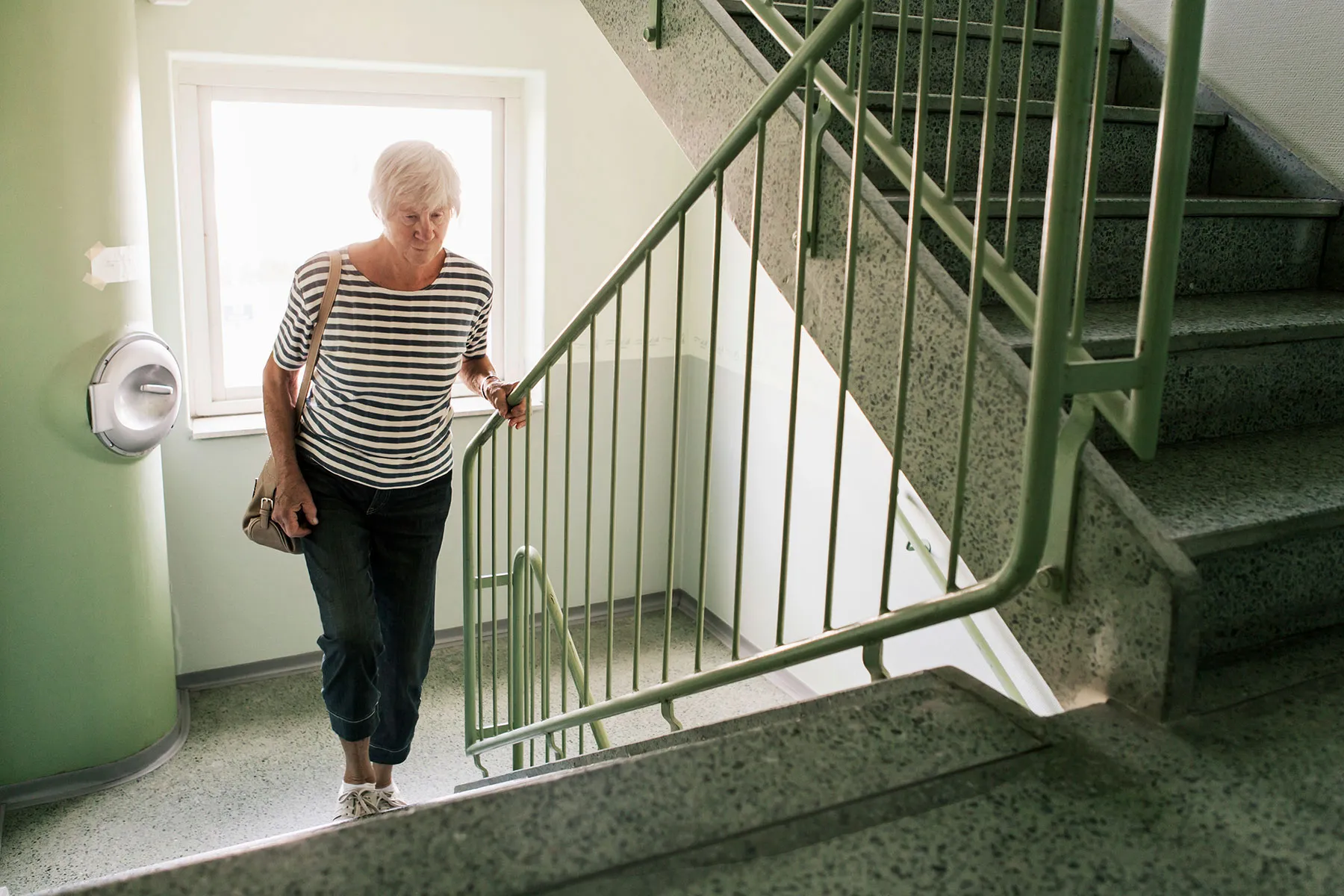
Install secure handrails on both sides of stairways when possible. Keep stairs free of clutter, fix loose carpeting, and add non-slip strips if steps are slick. If your vision is not great, contrast tape on the edge of each step can make stairs easier to see. Never rush on stairs, even if the doorbell rings. The delivery person can wait; your hip cannot.
Focus on Bathroom Safety
Bathrooms deserve special attention because water, tile, soap, and bare feet create a slippery little theme park nobody asked for. Install grab bars inside and outside the tub or shower and near the toilet. Use a non-slip mat in the shower or tub. Consider a shower chair if standing feels tiring or unsteady. A handheld showerhead can also make bathing easier and safer.
If your toilet is low, a raised toilet seat can reduce the effort needed to sit and stand. Keep towels, soap, shampoo, and toiletries within easy reach so you do not have to twist, bend deeply, or stretch awkwardly. For people with osteoporosis, especially spinal osteoporosis, safe movement matters: avoid sudden twisting and risky bending when reaching for items.
Wear Shoes That Actually Help You Stay Upright
Footwear is fall prevention equipment. Choose shoes that fit well, support the heel, have low or flat heels, and include non-slip soles. Avoid floppy slippers, high heels, backless sandals, loose shoes, slick soles, and walking in socks on smooth floors. Socks are cozy, but on hardwood they can turn you into an unwilling figure skater.
If you have foot pain, bunions, neuropathy, arthritis, or balance problems, talk with a podiatrist or healthcare provider. Pain changes the way you walk, and an altered gait can increase fall risk. Supportive shoes or orthotics may help you feel steadier.
Build Strength, Balance, and Confidence
Exercise is one of the best ways to prevent falls with osteoporosis. The right routine can improve muscle strength, balance, posture, flexibility, coordination, and confidence. Stronger muscles also help protect joints and bones. However, not all exercises are appropriate for every person with osteoporosis, so ask your doctor or physical therapist before starting a new program, especially if you have had a fracture or have severe bone loss.
Balance exercises
Balance training teaches your body to stay steady when life gets wobbly. Examples may include standing on one foot while holding a counter, heel-to-toe walking, gentle side steps, tai chi, or supervised balance classes. Tai chi is often recommended because it uses slow, controlled movements that support balance and body awareness.
Strength training
Strength training helps your legs, hips, back, and core support you better. A physical therapist may recommend chair stands, wall pushups, resistance bands, light weights, or safe body-weight exercises. For osteoporosis, technique matters. Avoid heavy lifting without guidance, jerky movements, and exercises that force the spine into deep forward bending or twisting.
Weight-bearing activity
Weight-bearing exercise means your body works against gravity. Walking, stair climbing, dancing, and low-impact aerobics may help support bone and muscle health. If you are unsteady, start with supervised or supported activity. Even short walks count. Your bones do not need a dramatic fitness montage; they need consistent, safe movement.
Consider Physical Therapy or Occupational Therapy
A physical therapist can design a fall prevention exercise plan based on your strength, balance, posture, fracture history, and comfort level. This is especially useful if you have fallen before, feel unsteady, use a cane or walker, or avoid activity because of fear.
An occupational therapist can help you make daily tasks safer. They may suggest ways to arrange your kitchen, bathroom, bedroom, and laundry area so you can avoid risky bending, climbing, or reaching. They can also recommend tools such as reachers, shower chairs, raised toilet seats, and safer storage strategies.
Review Medications That May Increase Fall Risk
Some medications can cause dizziness, sleepiness, confusion, low blood pressure, or balance problems. These may include certain sleep aids, sedatives, antidepressants, blood pressure medicines, pain medicines, muscle relaxers, allergy medicines, and some over-the-counter products. Taking multiple medications can also raise fall risk.
Never stop a medication on your own. Instead, bring a full list of prescriptions, supplements, and over-the-counter medicines to your doctor or pharmacist. Ask, “Could any of these make me more likely to fall?” That one question can be surprisingly powerful. Also ask whether any medication should be taken at a different time of day or adjusted to reduce dizziness.
Stand Up Slowly and Watch for Dizziness
Some people feel dizzy when they stand up because blood pressure drops suddenly. This is called orthostatic hypotension. It can happen after sitting, lying down, eating, bathing in warm water, or taking certain medications.
To reduce risk, sit at the edge of the bed for a moment before standing. Move your ankles and feet, take a few steady breaths, and rise slowly. If you feel lightheaded, sit back down. There is no trophy for standing up fast. Hydration, medication timing, and medical evaluation can also help if dizziness is frequent.
Check Vision and Hearing Regularly
Vision problems can make it harder to see steps, curbs, pets, rugs, and changes in flooring. Have your eyes checked regularly and keep glasses prescriptions up to date. Clean your lenses, use sunglasses outdoors to reduce glare, and be extra careful on stairs if you wear bifocals or progressive lenses.
Hearing also contributes to balance and awareness. If you have hearing loss, ringing in the ears, dizziness, or vertigo, tell your healthcare provider. Balance depends on teamwork between the eyes, inner ear, muscles, joints, and brain. When one teammate is struggling, the whole squad may need support.
Use Assistive Devices Without Embarrassment
A cane, walker, grab bar, railing, or reacher is not a symbol of weakness. It is a tool. Glasses help people see; canes help people move safely. Same idea, fewer smudges. If you need an assistive device, ask a professional to fit it correctly and teach you how to use it. A cane that is too tall, too short, or used on the wrong side can create new problems.
Use support where it makes sense: handrails on stairs, grab bars in bathrooms, sturdy chairs with arms, and walkers for longer distances if recommended. Avoid using towel racks, unstable furniture, or rolling chairs for support. They are not loyal friends in a balance emergency.
Eat for Bone and Muscle Health
Fall prevention is not only about the floor. Strong bones and muscles need proper nutrition. Calcium and vitamin D are important for bone health, while protein helps maintain muscle. Many adults do not get enough of these nutrients from food alone, but supplement needs vary. Ask your healthcare provider what is appropriate for you, especially if you have kidney disease, take osteoporosis medication, or already use supplements.
Calcium-rich foods include milk, yogurt, cheese, fortified plant milks, tofu made with calcium, canned salmon or sardines with bones, and leafy greens such as kale or collards. Vitamin D may come from sunlight, fortified foods, fatty fish, and supplements when needed. Protein sources include eggs, fish, poultry, beans, lentils, Greek yogurt, tofu, nuts, and lean meats.
Also limit alcohol and avoid smoking. Both can affect bone health and increase fall or fracture risk. And yes, water matters too. Dehydration can contribute to dizziness, weakness, and confusion, which are not ideal teammates when walking across the kitchen.
Plan for Nighttime Safety
Nighttime falls are common because people are sleepy, rooms are dark, and urgency can override caution. Keep a clear path from bed to bathroom. Use night-lights. Place a sturdy lamp, glasses, phone, and water within reach. Avoid long blankets or bedspreads that drag on the floor.
If bathroom trips are frequent, talk with your healthcare provider. The issue may involve hydration timing, medications, urinary symptoms, sleep problems, or other treatable causes. A bedside commode may be helpful for some people, especially after surgery, illness, or a recent fracture.
Keep Outdoor Areas Safe
Fall prevention does not stop at the front door. Outdoor risks include uneven sidewalks, wet leaves, ice, poor lighting, loose gravel, curbs, and pets pulling on leashes. Wear supportive shoes outdoors, use railings, and take your time on steps and ramps. In rainy or icy weather, consider asking for help with errands or using delivery services.
Keep walkways clear and well lit. Repair cracked steps, loose boards, and uneven paths. If you garden, use raised beds, kneeling benches with handles, or long-handled tools to reduce bending and improve stability.
Reduce Fear Without Reducing Life
After a fall or fracture, it is natural to become cautious. But avoiding movement completely can weaken muscles, reduce balance, and increase fall risk over time. Fear can shrink your world. The better approach is guided confidence: safe exercise, home modifications, assistive devices, and professional support when needed.
Set small goals. Walk to the mailbox with proper shoes. Practice chair stands. Join a supervised balance class. Ask a friend to walk with you. Confidence grows through safe repetition, not through pretending fear does not exist.
What to Do If You Do Fall
Even with great prevention, falls can still happen. If you fall, pause before trying to get up. Check for pain, dizziness, bleeding, or signs of injury. If you hit your head, feel severe pain, cannot bear weight, or suspect a fracture, call for help immediately.
Keep a phone or medical alert device nearby, especially if you live alone. Tell your healthcare provider about any fall, even if you think it was minor. A fall is useful information. It may reveal a medication problem, blood pressure issue, vision change, home hazard, or need for physical therapy.
Daily Fall Prevention Checklist
- Wear supportive, non-slip shoes indoors and outdoors.
- Keep floors free of clutter, cords, and loose rugs.
- Use grab bars, railings, and assistive devices as recommended.
- Turn on lights before walking, especially at night.
- Stand up slowly and pause if you feel dizzy.
- Practice balance and strength exercises regularly.
- Review medications with a doctor or pharmacist.
- Schedule routine vision and hearing checks.
- Eat enough calcium, vitamin D, and protein.
- Report falls, near-falls, or new unsteadiness to your healthcare provider.
Real-Life Experiences: What Fall Prevention Looks Like Day to Day
For many people with osteoporosis, fall prevention becomes easier once it stops feeling like a medical project and starts feeling like a daily routine. At first, the changes can seem annoying. Removing a favorite rug may feel oddly dramatic, as if the rug has been voted off the island. Installing grab bars may feel like admitting defeat. Using a cane may feel like carrying a sign that says, “I am not as young as I used to be.” But after a few weeks, most people discover that these tools do not make life smaller. They make life smoother.
One common experience is the “near-fall wake-up call.” Someone catches a toe on a rug, grabs the wall, and thinks, “That was close.” The lucky part is that nothing broke. The useful part is that the home has just pointed to a fixable problem. The rug can go. A hallway light can be added. Shoes can replace socks on slick floors. A small scare becomes a practical safety upgrade.
Another common experience is learning that exercise does not need to be intense to be effective. Many people imagine fall prevention as a gym routine full of machines, mirrors, and people who enjoy protein powder a little too much. In reality, it may begin with standing up from a chair five times, walking for ten minutes, practicing heel-to-toe steps beside a counter, or taking a tai chi class at a community center. The magic is consistency. Balance improves through repetition, and confidence often follows strength.
Families and caregivers also learn that helpful support is not the same as hovering. Nobody wants a loved one shouting “Careful!” every twelve seconds like a nervous sports commentator. Better support sounds like, “Let’s move this cord,” “I’ll install the brighter bulb,” or “Would you like me to walk with you the first time?” Respect matters. People with osteoporosis need safety, but they also need independence, dignity, and the right to choose their own chair without a committee meeting.
Many people also notice that prevention works best when it is visible. Shoes by the bed. A night-light in the hall. A cane near the door. Calcium-rich snacks in the fridge. A medication list in the kitchen drawer. Grab bars exactly where hands naturally reach. The easier the safe choice is, the more likely it happens.
The biggest lesson is this: fall prevention is not one giant change. It is a collection of small decisions that protect your future self. You are not being “too careful.” You are investing in mobility, independence, and fewer surprise floor inspections. With osteoporosis, staying upright is not just about avoiding injury. It is about staying active, social, capable, and confident in the life you already enjoy.
Conclusion
Preventing falls with osteoporosis is one of the smartest ways to protect your bones and your independence. The best strategy combines safer home design, regular balance and strength exercise, supportive shoes, medication reviews, good lighting, vision care, proper nutrition, and professional guidance when needed. Small changes can make a big difference. A grab bar, a cleared hallway, a better pair of shoes, or a few minutes of balance practice may prevent a fracture that could change your life.
Osteoporosis does not mean you must stop moving. In fact, safe movement is part of the solution. Work with your healthcare team, listen to your body, and build routines that make safety feel natural. The goal is not to live in fear of falling. The goal is to stay steady, strong, and free to enjoy your life without treating every rug like a villain in disguise.













