
Editor’s note: This review is based on publicly available product information, retailer descriptions, toy-industry coverage, and practical play considerations for families. Prices, availability, colors, and included accessories may vary by retailer.
Barbie has worn many hats over the decades: astronaut, doctor, president, fashion icon, mermaid, and apparently someone who owns more shoes than a suburban mudroom can emotionally process. But in 2023, Mattel introduced something especially interesting: My First Barbie, a doll line designed specifically for preschool-aged children.
At first glance, the idea sounds simple. Make Barbie bigger, softer, easier to dress, and friendlier for little hands. But once you look closer, Mattel’s My First Barbie Doll is more than a regular Barbie stretched like taffy at a candy shop. It is a thoughtful redesign aimed at younger kids who love imaginative play but may not yet have the fine motor skills needed for traditional 11.5-inch Barbie dolls.
So, is My First Barbie worth buying in 2023? Is it durable enough for preschool play? Does it still feel like Barbie? And most importantly, will parents spend half their afternoon rescuing tiny shoes from under the couch? Let’s review.
What Is Mattel’s My First Barbie?
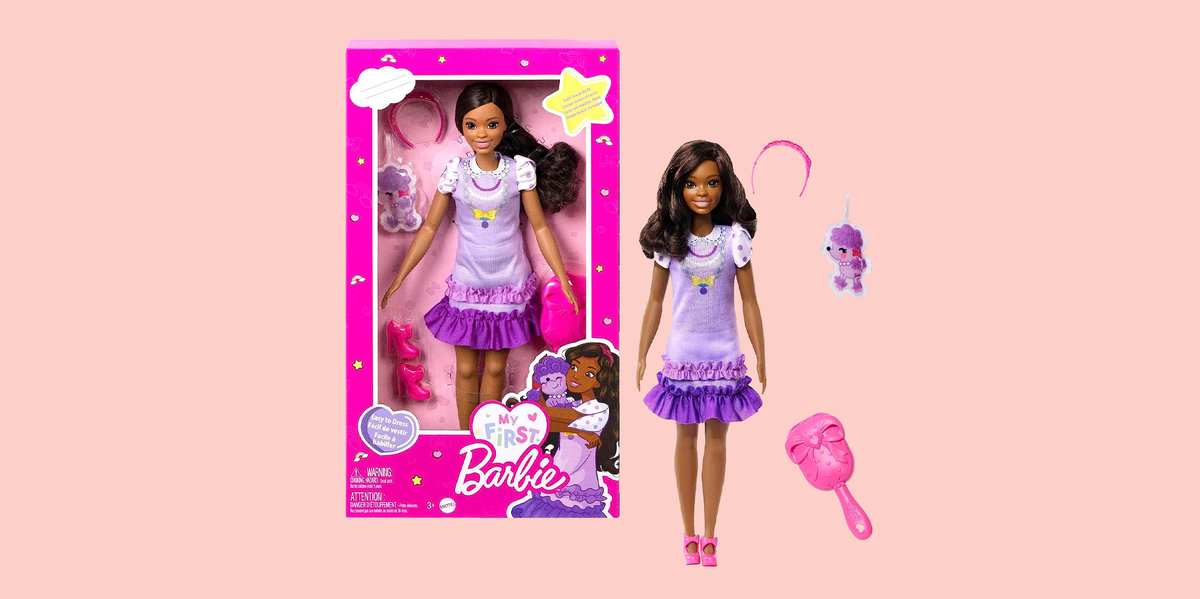
My First Barbie is a 2023 Barbie line created for children ages 3 and up. Unlike the classic Barbie fashion doll, which is usually about 11.5 inches tall, My First Barbie stands around 13.5 inches. That extra size is not just for drama, though Barbie has never objected to an entrance. The larger scale helps preschoolers grip, carry, dress, and pose the doll more easily.
The line includes familiar Barbie characters such as “Malibu” Barbie Roberts, “Brooklyn” Barbie Roberts, Teresa, and Renee. Each doll has a softer body feel, poseable limbs, long brushable hair, easy clothing closures, and larger accessories made for smaller hands. The dolls are also connected to the My First Barbie YouTube series, which gives young children a gentle storytelling world to recognize during play.
In short, this is Barbie with training wheels, but in the best possible way. It keeps the fashion, friendship, hair brushing, and storytelling kids expect from Barbie while reducing the fiddly parts that can frustrate preschoolers.
Key Features of My First Barbie Doll
1. Larger 13.5-Inch Size
The most obvious change is the size. My First Barbie is about two inches taller than a traditional Barbie doll. That may not sound huge, but in preschool hands, two inches can feel like the difference between holding a pencil and holding a magic wand.
The larger scale makes the doll easier to manage during dressing, posing, hair play, and pretend scenarios. It also gives the outfits and accessories more room to be kid-friendly rather than microscopic.
2. Soft-Touch Body and Poseable Limbs
My First Barbie has a softer torso and limbs compared with many standard fashion dolls. The doll is still a fashion doll, not a plush toy, but the soft-touch body gives it a more approachable feel for younger children. The arms and legs are poseable, which supports sitting, hugging pets, tea parties, bedtime routines, and the classic preschool activity known as “everyone must now lie down for no clear reason.”
3. Easy-to-Dress Clothing
One of the smartest updates is the clothing design. My First Barbie outfits typically use simple closures, often with easy fasteners that are more forgiving than tiny snaps or stiff sleeves. This matters because dressing a traditional Barbie can be surprisingly intense for a 3-year-old. Sleeves catch on thumbs, shoes vanish into another dimension, and suddenly everyone needs a snack.
With My First Barbie, clothes are easier to remove and put back on, giving children more independence. That independence is a big part of the toy’s appeal. Preschoolers love saying, “I do it myself,” and this doll actually gives them a fighting chance.
4. Connected Hands for Less Snagging
Traditional Barbie hands can sometimes catch on tight clothing, especially when a child is trying to push an arm through a sleeve. My First Barbie addresses that by using a hand design that reduces snagging. It is a small detail, but parents who have watched a child wrestle with doll pajamas like it is a competitive sport will appreciate it immediately.
5. Longer Brushable Hair
Hair play is a major part of the Barbie experience, and My First Barbie leans into it. The dolls feature long hair that is easier for children to brush and style. Many sets include a larger brush scaled to preschool hands.
Of course, long doll hair also means tangles are possible. A gentle brushing routine helps. Parents may want to keep the hair in a loose braid during storage if the doll is getting heavy use. Otherwise, Barbie may wake up looking like she hosted a sleepover inside a laundry basket.
Design and Appearance: Still Barbie, Just Preschool-Friendly
One of the biggest strengths of My First Barbie is that it still looks like Barbie. Mattel did not turn the doll into a completely different character. The colors are bright, the outfits are cheerful, and the face design remains recognizable. However, the features are softer and younger-looking, which fits the preschool audience.
The body proportions are also adjusted. My First Barbie has a larger waist and a more child-friendly silhouette than the classic fashion doll. The permanent modesty undergarment detail is another practical choice, especially for younger kids who frequently undress dolls during play.
The overall look is sweet, polished, and inviting. It feels like a first step into the Barbie world rather than a simplified knockoff. That is important because many children want the “real” Barbie experience they see older siblings enjoying. My First Barbie gives them that experience in a form they can manage.
Available Characters and Sets
The 2023 My First Barbie line launched with multiple characters, including Malibu, Brooklyn, Teresa, and Renee. Each doll has a distinct look, outfit, hair color or texture, and personality style. This variety gives families more options and makes the line more inclusive than a one-doll release.
There are also themed accessories and playsets, including fashion packs, pet accessories, bedtime-themed items, beach outfits, party looks, bedroom sets, and tea-time playsets. These add-ons expand the storytelling value, though they also introduce the classic toy aisle dilemma: the doll is cute, but the accessories are also cute, and now the shopping cart has feelings.
Play Value: What Kids Can Actually Do With It
My First Barbie works best as an imaginative play toy. Children can dress the doll, brush her hair, act out friendship stories, create bedtime routines, host tea parties, care for pets, or invent little adventures. The toy encourages open-ended play rather than pushing one fixed storyline.
For preschoolers, that flexibility is valuable. A doll can become a best friend, a patient at a pretend doctor visit, a guest at a birthday party, or the mayor of a pillow fort. My First Barbie supports that kind of storytelling because it is simple enough to use independently but detailed enough to spark ideas.
The larger accessories also help. Standard Barbie accessories can be tiny, and tiny pieces are not ideal for young children. My First Barbie accessories are generally bigger, easier to hold, and better matched to preschool play patterns.
Educational and Developmental Benefits
Although My First Barbie is not marketed as a classroom tool, it can support several developmental skills through play. Dressing and undressing the doll helps with fine motor skills. Brushing hair builds hand coordination. Pretend conversations support language development. Caring for pets or putting the doll to bed can encourage nurturing behavior and emotional expression.
Doll play also gives children a safe way to process everyday routines. A child who resists bedtime may happily tuck Barbie in with military-level seriousness. A child nervous about school may create a pretend classroom for the doll. These small play scenes can help children understand social situations, feelings, and transitions.
That does not mean My First Barbie will magically teach patience, sharing, and emotional regulation overnight. It is still a toy, not a tiny plastic therapist. But it does create a helpful stage for preschoolers to practice real-life ideas in a playful way.
Pros and Cons of Mattel’s My First Barbie Doll
Pros
- Great size for preschoolers: The 13.5-inch body is easier for small hands to hold and dress.
- Soft-touch design: The softer body feels more comfortable and beginner-friendly.
- Easy clothing closures: Outfits are designed to reduce frustration during dress-up play.
- Long brushable hair: Excellent for children who enjoy grooming and styling play.
- Recognizable Barbie identity: It still feels like Barbie, not a watered-down imitation.
- Good storytelling potential: Pets, fashion packs, and playsets help expand pretend play.
- Age-appropriate design: The younger face, larger accessories, and modesty details make sense for preschoolers.
Cons
- Not compatible with regular Barbie clothes: Because My First Barbie is larger, standard Barbie fashions generally will not fit.
- Hair may tangle: Long hair is fun, but it needs occasional care.
- Accessories can still get lost: They are bigger than standard Barbie pieces, but they are not immune to the couch monster.
- Limited appeal for older kids: Children already comfortable with classic Barbie dolls may find this version too beginner-focused.
- Extra playsets increase cost: The base doll is only the beginning if your child falls in love with the whole line.
How Does My First Barbie Compare With a Regular Barbie?
The biggest difference is usability. A traditional Barbie is better for older children who can manage smaller outfits, tiny accessories, and more detailed fashion play. My First Barbie is better for younger children who want the Barbie experience without the frustration.
Regular Barbie dolls offer a wider range of careers, styles, body types, themes, and collector options. My First Barbie is more limited, but intentionally so. It focuses on preschool-friendly play: dressing, brushing, friendship, pets, parties, bedtime, and simple adventures.
If your child is 3 or 4 and new to fashion dolls, My First Barbie is likely the better choice. If your child is 6 or older and already comfortable with standard Barbie dolls, the classic line may offer more variety and long-term interest.
Durability and Quality
Mattel’s My First Barbie feels thoughtfully made for its age group. The larger scale gives the doll a sturdy presence, and the soft-touch body makes it easier to handle. The clothing is less fussy than traditional Barbie fashion, and the accessories are generally sized with preschoolers in mind.
That said, this is still a fashion doll. It is not designed for bath time, rough outdoor mud play, or being launched from the staircase in the name of “flying practice.” Normal indoor play should be fine, but parents should expect the usual maintenance: brushing hair, finding shoes, and occasionally explaining why Barbie does not need to sleep in the refrigerator.
Who Should Buy My First Barbie?
My First Barbie is best for children ages 3 to 5 who are curious about Barbie but not quite ready for the smaller, more detailed classic dolls. It is also a smart gift for younger siblings who want to play alongside older kids with their own age-appropriate Barbie.
This doll is especially good for children who enjoy hair brushing, outfit changes, nurturing play, and pretend social scenes. If your child prefers building toys, vehicles, or action-heavy play, My First Barbie may still work, but it may not become the star of the toy box.
Is My First Barbie Worth It in 2023?
Yes, Mattel’s My First Barbie Doll is worth considering in 2023, especially for preschoolers who want a first fashion doll. Its larger body, soft-touch feel, easy clothing, and kid-friendly accessories solve many of the common problems younger children have with traditional Barbie dolls.
The best part is that the redesign feels purposeful. Mattel did not simply make a bigger Barbie and call it a day. The doll’s proportions, clothing closures, hair length, hand shape, and accessory scale all point toward one goal: making Barbie easier and more enjoyable for preschoolers.
It is not perfect. The separate sizing means regular Barbie clothes are not a great fit, and the long hair can become messy. But as a first Barbie doll, it does exactly what it promises. It welcomes younger kids into Barbie play with fewer tears, fewer stuck sleeves, and hopefully fewer dramatic declarations that “her arm won’t go in!”
Real-Life Experience: Playing With My First Barbie at Home
The best way to understand My First Barbie is not just to read the product description. It is to imagine what happens after the box is opened, the twist ties are defeated, and a preschooler officially takes charge. In a real home setting, this doll quickly becomes less of a display toy and more of a daily companion. She goes to the couch, the kitchen table, the pretend school, the blanket fort, and occasionally the mysterious location where all missing socks also live.
One of the first things parents may notice is that children can interact with the doll more independently than they can with a standard Barbie. The larger size makes a difference right away. A preschooler can hold the doll under one arm, sit her at a toy table, or carry her from room to room without the awkward fumbling that sometimes happens with smaller fashion dolls. The soft-touch body also makes the doll feel less stiff and more inviting, which matters when a child wants the toy to be a “friend,” not just a figure.
Dressing play is where My First Barbie really earns her place. With traditional Barbie clothes, younger kids often need adult help, especially with sleeves, tight dresses, and small shoes. My First Barbie’s clothing is easier to manage. A child may still ask for help, especially the first few times, but the learning curve is gentler. That creates a nice confidence-building moment. When a child successfully changes Barbie’s outfit alone, you can almost hear the tiny victory music.
Hair play is another major experience point. The longer hair invites brushing, styling, and pretend salon sessions. A child might brush Barbie’s hair before bedtime, give her a “party hairstyle,” or declare that she needs a haircut, which is your cue to hide the safety scissors. The included brush, when available, is usually easier for preschoolers to hold than smaller doll brushes. Parents should expect tangles, though. A quick brush-through after play can prevent the doll from developing what can only be described as “wind tunnel chic.”
The storytelling experience is gentle and familiar. Many children use My First Barbie to recreate everyday routines: waking up, getting dressed, having breakfast, visiting friends, taking care of pets, and going to bed. These scenes may sound simple to adults, but they are rich territory for preschoolers. Through them, children practice language, sequencing, empathy, and social imagination. One day Barbie is invited to a tea party. The next day she is sick and needs soup. By Thursday, she may be the teacher of a class made entirely of stuffed animals. This is normal. This is preschool theater.
Parents may also appreciate that the doll works well for shared play. Adults can join in without needing to control every tiny accessory. Siblings can create scenes together, and the larger scale makes the doll less frustrating for mixed-age play. The accessories and playsets add variety, but the doll does not require a huge collection to be fun. A blanket can become a bed, a shoebox can become a car, and a plastic cup can become Barbie’s luxury swimming pool. Imagination handles the interior design.
In everyday use, My First Barbie feels like a smart bridge between toddler dolls and traditional fashion dolls. It gives young children the glamour and storytelling appeal of Barbie while respecting their developmental stage. That balance is the reason the doll stands out. It is not trying to rush preschoolers into older-child play. It meets them where they are, hands them a brush, and says, “Let’s get ready for the tea party.” Honestly, that is a pretty good invitation.
Final Verdict
Mattel’s My First Barbie Doll Review 2023 verdict: this is one of the most practical Barbie updates for younger children in years. It is cute, accessible, well-scaled, and genuinely easier for preschoolers to use. Parents looking for a first fashion doll should put it near the top of the gift list.
My First Barbie will not replace classic Barbie for older kids, collectors, or children who want a huge wardrobe of standard-size fashion packs. But for a 3-, 4-, or 5-year-old who is just beginning doll play, it hits a sweet spot. The doll feels familiar, friendly, and manageable. In other words, Mattel made Barbie easier to love before children are old enough to demand a Dreamhouse with better parking.
If your goal is a beginner-friendly Barbie that encourages imagination, independence, dressing practice, and storytelling, My First Barbie is a strong buy. It keeps the sparkle while removing much of the struggle, and for preschool play, that is a pretty fabulous makeover.












