
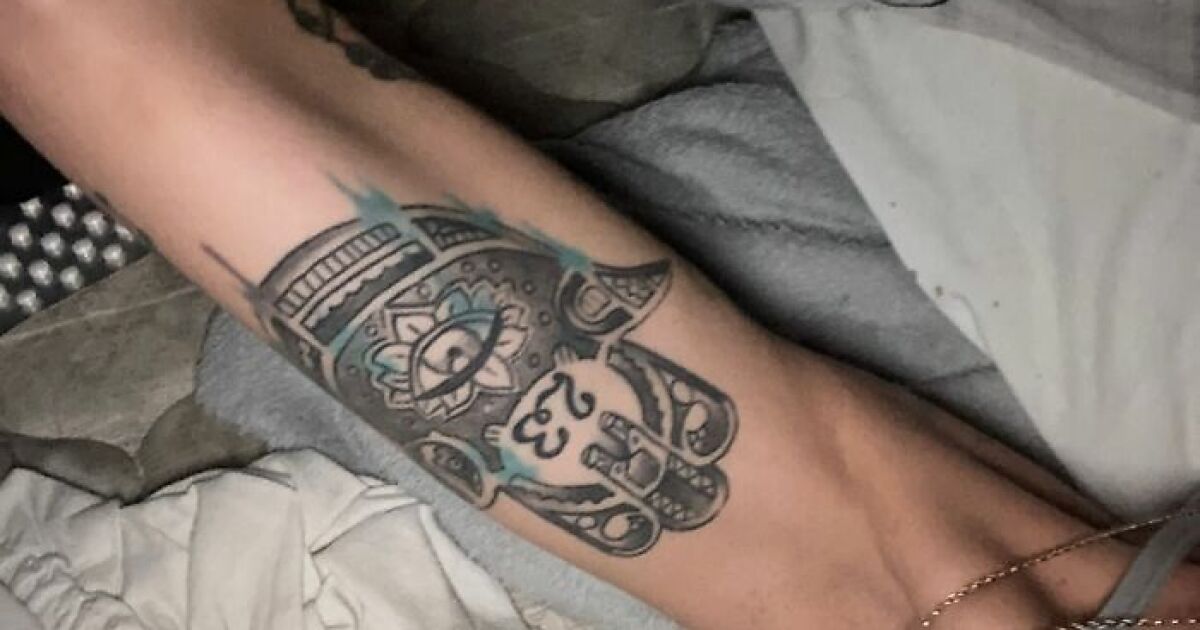
Note: This article is for informational and editorial purposes only. Body art should be done legally, safely, and by licensed professionals. Never attempt DIY tattooing, piercing, scarification, or any risky body-modification procedure at home.
There are two kinds of people in the world: those who say, “That tattoo probably didn’t hurt,” and those who have sat through a rib piece while silently bargaining with every deity on the calendar. Welcome to the world of painful skin art, where beauty, meaning, adrenaline, and questionable decision-making occasionally share the same chair.
The title “Hey Pandas, Show Us Your Most Painful Skin Art” sounds playful, but the topic has real layers. Tattoos, piercings, permanent makeup, and other forms of body art are not just decorations. They can be memorials, identity markers, confidence boosters, cultural symbols, and personal milestones. In the United States, tattoos have become mainstream enough that nearly one-third of adults report having at least one. That does not make the pain imaginary. It simply means a lot of people have willingly paid someone to repeatedly poke them for art. Humanity is fascinating.
Still, painful skin art is not only about toughness. The best stories are usually not “I survived the needle.” They are “This piece meant so much that I stayed through the discomfort.” Whether it is a delicate ankle tattoo that felt surprisingly spicy, a sternum piece that turned breathing into a negotiation, or a cover-up that took patience and courage, body art has a way of turning pain into a story you can wear.
Why Painful Skin Art Fascinates Us
Skin art sits at the intersection of control and vulnerability. A person chooses the design, the placement, the artist, and the timing. Then, once the session starts, the body has opinions. Loud opinions. This is one reason painful tattoos and piercings spark so much conversation online. People want to compare experiences, laugh at their overconfidence, and warn others that “tiny fine-line tattoo” does not always mean “tiny fine-line pain.”
There is also a social element. A finished tattoo looks calm and polished, but the process behind it can be sweaty, awkward, and unexpectedly emotional. People remember the music playing in the studio, the artist saying “almost done” approximately 47 minutes before being almost done, and the moment they realized the elbow ditch is not a personality test they were prepared for.
Most importantly, painful skin art often carries meaning. A memorial tattoo may hurt physically, but the emotional weight behind it can be heavier. A body-confidence piece may feel uncomfortable during the session but empowering afterward. A cover-up may represent moving forward from an old version of yourself. Pain does not automatically make art better, but when the art matters, people often remember the discomfort as part of the transformation.
What Makes Some Tattoos Hurt More Than Others?
Tattoo pain depends on several factors: placement, skin thickness, nerve sensitivity, session length, shading, line work, personal pain tolerance, hydration, sleep, stress, and even how tense you are in the chair. Areas with thinner skin, less cushioning, more nerve endings, or bone close to the surface tend to feel more intense.
High-Pain Placement Zones
Some areas have earned their dramatic reputations. Ribs, sternum, spine, feet, hands, fingers, elbows, knees, armpits, and the neck are often described as more painful tattoo placements. The reason is simple: less padding, more sensitivity, and sometimes a whole lot of bone nearby. A rib tattoo, for example, may feel sharper because the skin is thin and the area moves with breathing. Foot tattoos can feel intense because the bones and tendons are close to the surface. Fingers and hands can be spicy because they are packed with nerve endings and constantly in use.
Moderate-Pain Placement Zones
Forearms, calves, shoulders, outer thighs, and upper arms are commonly considered more manageable for many people. That does not mean they are painless. It means the body usually offers a little more cushioning. These areas are often beginner-friendly because they give artists room to work and give clients a better chance to sit through the session without mentally drafting a farewell letter.
Session Length Matters
A small tattoo in a sensitive area may hurt more sharply, but a large tattoo in a moderate area can become exhausting over time. After a few hours, even a “not bad” area may start feeling like your skin has filed a complaint with management. Long sessions require patience, breaks, snacks, and realistic expectations. Pain is not just intensity; it is duration.
The Most Painful Skin Art Stories People Love to Share
When people talk about their most painful skin art, a few categories appear again and again. These stories are part warning label, part comedy, part badge of honor.
The Rib Tattoo That Humbled Everyone
Rib tattoos are beautiful. They are also the placement equivalent of someone whispering, “Are you sure?” The ribs move every time you breathe, and breathing is unfortunately a daily requirement. People often choose ribs for meaningful quotes, floral pieces, dragons, snakes, script, or fine-line designs. The finished result can look elegant and private, but the process may feel intense, especially during shading or repeated passes.
The Foot Tattoo That Looked Small but Acted Big
Foot tattoos are classic tricksters. They may look tiny on a design sheet, but the top of the foot has little cushioning. Many people report that foot tattoos feel sharper than expected. They can also be tricky during healing because feet deal with shoes, socks, sweat, friction, and movement. The lesson: small does not always equal easy.
The Finger Tattoo With Main Character Energy
Finger tattoos are trendy, subtle, and photogenic. They can also fade faster than tattoos in more protected areas because hands are washed often, exposed to sunlight, and used constantly. The pain may be brief, but it can feel surprisingly bright. Finger tattoos are like tiny celebrities: cute, high-maintenance, and always getting attention.
The Cover-Up That Became a Personal Victory
Cover-up tattoos can be emotionally powerful. They may cover old names, outdated designs, symbols from a past chapter, or work that was poorly done. Cover-ups often require darker ink, larger designs, or more complex shading. That can mean longer sessions and more discomfort. But for many people, the final result feels like reclaiming space on their own skin.
Normal Tattoo Discomfort vs. Warning Signs
Some discomfort is expected after a tattoo. Freshly tattooed skin may feel warm, tender, itchy, swollen, flaky, or sensitive for a while. That is part of healing. However, not every reaction should be ignored. Pain that gets worse instead of better, spreading redness, unusual drainage, fever, strong odor, red streaks, or skin that feels very hot can be warning signs of infection. Allergic reactions can also happen, sometimes even long after the tattoo is finished.
Red ink is often discussed because it has been associated with allergic reactions more often than some other colors. Reactions may include itching, swelling, rash-like changes, or raised areas in the tattoo. Some people are also prone to keloids, which are raised scars that can develop after skin injury. Anyone with a history of keloids, eczema, psoriasis, immune concerns, or frequent skin reactions should speak with a qualified medical professional before getting body art.
Permanent makeup and cosmetic tattoos carry similar concerns. Eyebrows, eyeliner, lip blush, and scalp micropigmentation may look polished, but they still involve pigment placed into the skin. Clean technique, safe pigments, professional training, and proper healing matter.
How to Choose Skin Art Without Regret
Pain fades, but regret can be stubborn. Before booking a painful placement, think beyond the “cool photo” stage. Ask yourself whether the design fits your life, your style, your work environment, and your future self. The best tattoo decisions usually involve patience, research, and a little humility.
Choose the Artist Before the Appointment
A skilled artist does more than draw well. They understand skin, placement, scale, aging, line weight, hygiene, and aftercare. Look for a licensed professional with a clean studio, strong portfolio, healed-work examples, and clear safety practices. A good artist will not pressure you into a placement you are unsure about. They will also be honest if a design is too small, too detailed, or poorly suited for a certain body part.
Respect Placement Reality
Some designs simply age better in certain areas. Hands, fingers, feet, elbows, and knees may fade faster because of movement, friction, and exposure. A tiny script tattoo on a high-friction area may look adorable at first and mysterious later. Like, “Is that a quote or a grocery receipt?” Placement is not just about pain; it is about longevity.
Plan for Healing
A tattoo is not finished when you leave the studio. Healing is part of the artwork. Follow your artist’s aftercare instructions, keep the area clean, avoid picking, protect it from unnecessary friction, and do not rush back into swimming, heavy sun exposure, or activities that irritate the skin. The art deserves better than being treated like a sticker from a vending machine.
Painful Does Not Mean Unsafe
There is a difference between expected discomfort and unsafe practice. A legal, professional tattoo may hurt, but it should not feel chaotic, rushed, unhygienic, or careless. The studio should use sterile equipment, single-use needles, clean barriers, and safe handling procedures. The artist should answer questions without acting offended. If a studio seems dirty or dismissive, your best tattoo decision may be walking out.
DIY tattooing, party tattoos, shared needles, unregulated ink, and bargain-basement body modification are not brave. They are risky. Skin art should be expressive, not a medical emergency with a font choice. Professional standards exist because tattooing breaks the skin, and broken skin can invite infection when hygiene is poor.
Why We Share Painful Skin Art Online
Online communities love painful skin art because it combines visual drama with human storytelling. A tattoo photo alone says, “Look at this.” A tattoo story says, “Here is what I endured, why I chose it, and how I felt afterward.” That is what makes the “Hey Pandas” style of sharing so engaging. It invites people to show the art and reveal the tiny saga behind it.
Some stories are funny: someone thought a sternum tattoo would be “a little uncomfortable” and discovered new vocabulary. Some are emotional: a memorial piece that helped someone process grief. Some are practical: a person warning others not to wear tight shoes after a foot tattoo. Together, these stories create a body-art survival guide powered by honesty and mild embarrassment.
What to Post When Showing Your Most Painful Skin Art
If you are sharing your painful skin art online, add context that helps people understand the piece without glamorizing unsafe choices. Mention the placement, general pain level, session length, healing experience, and what the art means to you. Credit the artist when appropriate. Avoid encouraging minors or untrained people to copy risky body modification. Good storytelling can be vivid without turning the post into a dare.
For example, instead of writing, “This was brutal, everyone should try it,” you might say, “This rib piece was more intense than I expected, but I chose the placement because the design is personal. I researched my artist, followed aftercare, and would recommend beginners start somewhere easier.” That is useful, honest, and still entertaining.
Experiences Related to “Hey Pandas, Show Us Your Most Painful Skin Art”
The best painful skin art experiences often begin with confidence and end with wisdom. One common story comes from people who choose a small tattoo for their first piece and assume size controls pain. A tiny ankle symbol, a fine-line word on the ribs, or a finger design may look gentle, but placement can turn a small tattoo into a spicy little lesson. Many people walk in thinking, “This will be quick,” and walk out thinking, “I now respect ankles as a concept.”
Another familiar experience is the meaningful memorial tattoo. These pieces are often emotionally heavier than they look. A person may choose handwriting from a loved one, a flower connected to family, a pet portrait, or a date that changed everything. During the session, the physical pain may mix with memory, grief, love, and relief. For some, the discomfort becomes part of the tribute. It is not about proving toughness. It is about sitting through something difficult to carry something meaningful forward.
Cover-up experiences can be equally powerful. Many people get skin art when they are younger, rushed, heartbroken, rebellious, or simply convinced that a certain band logo will define them forever. Years later, the same tattoo may feel like a shirt they cannot take off. A cover-up session can be longer and more uncomfortable than the original tattoo because the artist may need deeper shading, a larger design, or multiple appointments. But the emotional payoff can be huge. The old mark becomes part of a new image, and the wearer gets to say, “That chapter existed, but it does not get the final draft.”
Then there are the funny studio memories. Someone forgets to eat beforehand and learns that snacks are not optional. Someone brings a friend for moral support, only for the friend to turn pale first. Someone tries to act calm during a knee tattoo while gripping the chair like it owes them money. These moments are why painful skin art stories are so shareable. They make people laugh without minimizing the real care required.
Healing stories also deserve attention. A beautiful tattoo can be affected by poor aftercare, friction, sun exposure, picking, or ignoring warning signs. Many experienced tattoo collectors become surprisingly serious about gentle washing, breathable clothing, fragrance-free moisturizer, and patience. The glamorous part is the final photo. The unglamorous part is protecting the tattoo while it flakes, itches, and temporarily looks less like art and more like a dramatic sticker going through a personal crisis.
Perhaps the most relatable experience is the post-tattoo personality shift. People often say, “That hurt so much, I am never doing it again,” and then, two weeks later, they are saving reference images for the next appointment. Painful skin art has a strange way of turning discomfort into pride. The brain remembers the finished piece more than the worst minute. That does not mean everyone should chase painful placements. It means body art, when chosen safely and thoughtfully, can become a story people enjoy retelling.
Conclusion: Pain, Pride, and the Art We Keep
“Hey Pandas, Show Us Your Most Painful Skin Art” is more than a catchy invitation. It captures why body art continues to fascinate people: the mix of beauty, bravery, humor, memory, and personal meaning. The most painful tattoo is not always the biggest. Sometimes it is the tiny one on a sensitive spot, the cover-up that took emotional courage, or the memorial piece that carried more than ink.
The smartest approach is simple: choose your design carefully, respect placement, work with a licensed professional, follow aftercare, and listen to your body. Pain may be part of the story, but safety should be the headline. Great skin art should leave you with a meaningful piece, a good story, and maybe one dramatic quote about ribs that your friends will never let you forget.












