
Editorial note: This article is based on real pet-owner culture, community photo challenges, U.S. pet ownership research, veterinary behavior guidance, and practical pet photography best practices. Source links are intentionally omitted per request.
When Pets Forget They Are Supposed To Be Photogenic
Every pet owner has at least one photo that should never have survived the camera roll. You know the one: your dog sneezing mid-click, your cat looking like a Victorian ghost, your rabbit caught with one eye half closed, or your hamster staring into the lens like it just discovered taxes. That is exactly why the idea behind “Hey Pandas, Share The Most Unflattering Picture Of Your Pet” works so well. It celebrates the opposite of the polished pet portrait. Instead of perfect lighting, fluffy dignity, and majestic poses, it invites chaos, double chins, blurry paws, crooked teeth, and facial expressions that say, “I would like to speak to the manager of gravity.”
On social platforms and community sites, funny pet photos have become a language of their own. People may disagree about politics, pizza toppings, or whether pineapple belongs anywhere near dinner, but show them a dog photographed from below with one nostril taking up half the frame, and suddenly peace is possible. The charm of unflattering pet pictures is simple: they make animals feel more real. They remind us that our pets are not just adorable companions; they are tiny comedians wearing fur, feathers, scales, or whatever stylish outfit nature gave them.
Pet owners love sharing these images because they are honest. A polished portrait says, “Here is my beautiful pet.” An unflattering picture says, “Here is my beautiful pet accidentally looking like a confused potato, and I love them even more for it.” That emotional twist is what makes this kind of content so shareable, searchable, and endlessly entertaining.
Why Unflattering Pet Pictures Are So Funny
Funny pet photos work because they catch animals in the split second between grace and disaster. A dog jumping for a treat becomes a flying loaf. A cat stretching becomes a tiny goblin. A bird shaking its feathers becomes a feather duster with opinions. These images are funny not because pets look “bad,” but because they look unexpectedly human, dramatic, or completely unbothered by the laws of beauty.
They Break The Perfect-Pet Illusion
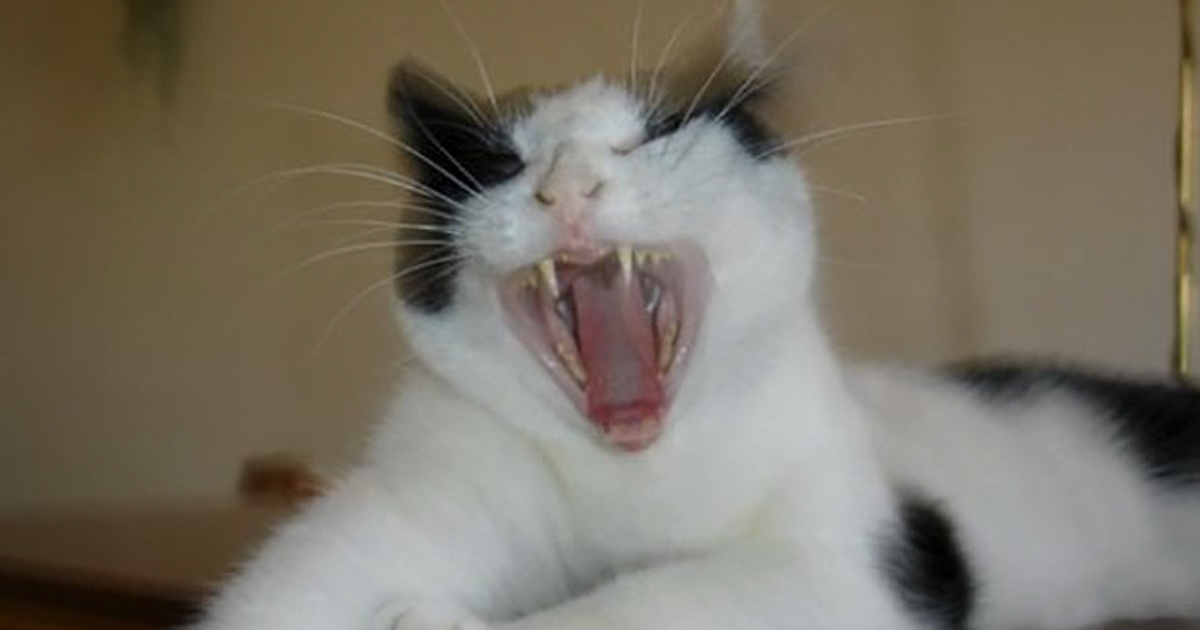
Pet photography is often built around cuteness. We want bright eyes, shiny coats, and that perfect “awww” moment. But the most unflattering pet pictures flip the script. They show the yawn that looks like a roar, the zoomie blur that resembles a furry tornado, and the sleepy face that could haunt a cheese drawer at midnight. These images are relatable because every pet parent knows the truth: behind every perfect portrait are 47 deleted photos, one snack bribe, and a pet who absolutely did not sign a modeling contract.
They Capture Personality Better Than Perfection
A technically perfect photo can be beautiful, but a goofy photo can be unforgettable. The crooked smile, dramatic side-eye, and startled expression often reveal more personality than a carefully posed shot. A Labrador with a tennis ball jammed sideways in its mouth tells a story. A cat sitting like a tired accountant tells a story. A guinea pig photographed during a snack crisis tells an entire three-act opera.
This is why unflattering pet pictures often outperform “pretty” pet pictures online. They invite people to comment, compare, laugh, and share similar moments from their own lives. The image becomes less of a photo and more of a conversation starter.
The Internet Loves A Pet Photo Challenge
The phrase “Hey Pandas” is associated with community-style prompts where users are invited to share personal stories, photos, and experiences. A prompt like “Share the most unflattering picture of your pet” is practically built for engagement. It is low-pressure, funny, visual, and easy for almost anyone with a pet to join. Unlike contests that require artistic skill or expensive equipment, this kind of challenge rewards timing, honesty, and a willingness to let your pet’s weirdest moment shine.
Online pet challenges have a long history of going viral. People have shared photos of “malfunctioning” dogs, cats caught in chaotic poses, pets sleeping in bizarre positions, and animals looking dramatically offended by everyday life. These trends work because they are inclusive. You do not need a purebred show dog or a camera worth more than your rent. A slightly blurry photo of your cat licking a window can be enough to win hearts.
Why Pet Owners Participate
Pet owners participate because sharing these photos feels like joining a friendly inside joke. It says, “My pet is ridiculous, your pet is ridiculous, and apparently we are all living with tiny furry roommates who make questionable choices.” That shared recognition creates community. It also gives people permission to laugh with love, not mockery.
There is another reason these posts work: Americans treat pets like family. Many pet owners describe dogs, cats, and other companion animals as full members of the household. So when someone posts an unflattering pet picture, it often lands like sharing a silly family snapshot. It is affectionate, not cruel. It says, “This creature is my little weirdo, and I am proud.”
What Counts As An Unflattering Pet Picture?
An unflattering pet picture is not a harmful or embarrassing image. It is a harmless, funny, poorly timed, or wonderfully awkward snapshot. The best ones usually happen naturally. The pet is safe, comfortable, and simply caught at the wrong angle or during an expressive moment.
Classic Examples Of Funny Pet Photo Fails
Some of the most common unflattering pet pictures include the “mid-sneeze masterpiece,” where a dog’s face folds into a shape no geometry teacher can explain. There is the “cat loaf collapse,” where a feline melts into furniture like a suspicious pancake. The “treat face” is another classic, featuring wide eyes, wild focus, and a mouth preparing for glory. Then there is the “sleeping goblin,” starring any pet photographed during a nap with one eye open and the tongue slightly out.
Other popular categories include extreme close-ups, accidental wide-angle distortion, zoomie blur, awkward sitting positions, post-bath betrayal faces, and the beloved “caught eating something they should not be that proud of” expression. None of these require cruelty, costumes, or pressure. The magic is in ordinary timing.
Good Unflattering Vs. Mean Unflattering
The difference matters. A funny pet photo should never involve fear, pain, stress, or unsafe situations. A dog with a goofy underbite? Comedy gold. A cat startled on purpose for a reaction? Not okay. A parrot making a wild face while preening? Excellent. A pet forced into a pose it clearly hates? Time to put the camera down and rethink the assignment.
Veterinary behavior guidance often reminds owners to watch for stress signs such as panting, lip licking, trembling, hiding, flattened ears, tucked tails, freezing, or attempts to escape. If your pet is showing discomfort, the photo session is over. The internet will survive without one more meme. Your pet’s trust is worth more than likes, shares, or a comment from someone named “FluffDestroyer92.”
How To Take Funny Pet Photos Without Annoying Your Pet
The best funny pet photos happen when your animal is relaxed. You do not need to chase your dog around the house like a paparazzo in socks. You do not need to wake your cat from a deep nap and ask for “one more shot.” Instead, keep your phone nearby and let your pet be naturally strange. They will provide material. Pets are generous like that.
Use Comfort, Not Pressure
Pet photography experts often recommend choosing a familiar location where the animal feels safe. That advice applies even more strongly to silly photos. A relaxed pet is more likely to show natural expressions, funny movements, and odd little habits. Use toys, treats, or familiar games if your pet enjoys them, but avoid forcing performance. The goal is not to direct a Hollywood film. The goal is to document the moment your dog forgot how legs work.
Watch The Lighting
Bad lighting can turn even the cutest pet into a mysterious basement creature. Of course, for an unflattering pet picture, that might be part of the fun. Still, if you want a clear funny photo, natural light helps. Soft window light, shade, or golden hour can make a goofy image look warm instead of chaotic in the “security camera footage” sense.
One simple trick is to focus on the eyes, even if the rest of the photo is silly. Another is to wipe your phone lens. Many “artistic blur” pet photos are not artistic at all; they are just fingerprints, snack grease, and the consequences of texting while eating chips.
Get Low, But Prepare For Chaos
Taking photos from your pet’s eye level can create hilarious results. A dog’s nose becomes heroic. A cat’s stare becomes cinematic. A turtle becomes a wise old wizard considering your mortgage choices. Low angles exaggerate expression, but they also increase the chance of being sniffed, licked, stepped on, or judged. Accept this. It is part of the craft.
Why These Photos Make Us Love Pets More
Unflattering pet pictures are funny, but they are also affectionate. They remind us that love is not always polished. We do not love our pets only when they look like calendar models. We love them when they roll off the couch, sneeze into their own paw, sit in boxes too small for their bodies, and stare at empty corners like they have urgent ghost business.
There is something deeply comforting about imperfect animal photos. They show life as it actually happens: messy, spontaneous, and full of tiny surprises. A perfect pet portrait may belong on a holiday card, but an unflattering pet picture belongs in the family group chat, the office Slack channel, and possibly a museum wing called “Creatures With No Regrets.”
They Help People Connect
When someone shares an awkward pet photo, others respond with their own. Suddenly the comments fill with dogs in cone-shaped recovery collars looking betrayed, cats sitting like melting candles, rabbits mid-chew, and horses making faces that would get a human unfriended. The result is a chain reaction of joy. People connect through laughter, and pets become the adorable ambassadors of everyday silliness.
That is the heart of the “Hey Pandas” style prompt. It does not just ask for pictures. It invites people to participate in a shared celebration of imperfection. In a digital world where so much is filtered and polished, a blurry photo of a pet looking like it just heard a shocking family secret feels refreshingly real.
Pet Safety And Respect Come First
A good rule for sharing pet photos is simple: if the animal was safe, comfortable, and naturally doing something funny, share away. If the photo required scaring, restraining, teasing, or stressing the pet, skip it. Humor should never come at the animal’s expense.
Responsible pet owners know that body language matters. Dogs may show discomfort through pinned ears, tail tucking, shaking, yawning, lip licking, or turning away. Cats may show stress with flattened ears, tense bodies, tail flicking, hiding, hissing, or swatting. Small animals and birds can also become stressed by loud noises, sudden movement, or too much handling. When in doubt, stop, give them space, and let the photo opportunity go. There will always be another weird pose. Pets are renewable sources of comedy.
Think Before You Post
Before sharing, consider whether the image is harmless and respectful. Avoid photos that show medical distress, unsafe environments, or anything that could encourage risky behavior. Also avoid sharing personal information in the background, such as addresses, phone numbers, school documents, or location details. The pet may not care about privacy, but your Wi-Fi password on the fridge certainly does.
How To Turn A Funny Pet Photo Into A Great Social Post
A strong funny pet post usually needs three ingredients: a clear image, a short caption, and a relatable emotion. The photo does most of the work, so the caption should not overexplain. Let the weirdness breathe.
Caption Ideas That Work
Try captions like “He heard the treat bag open in another zip code,” “She has seen the future and it contains no snacks,” “This is why we do not use the front camera,” or “My pet, moments before filing a complaint.” Short captions tend to perform well because they give viewers room to add their own jokes in the comments.
You can also describe the situation plainly. For example: “I tried to take a cute birthday photo. This is what I got.” That kind of setup is funny because every pet owner understands the struggle. The simpler the caption, the more universal the joke.
Use Keywords Naturally
If the post is part of a blog or social media strategy, use phrases like funny pet photos, unflattering pet pictures, weird pet photos, pet photo challenge, and funny animal pictures naturally. Do not cram them into every sentence. Search engines, like cats, can sense desperation.
Experiences Related To “Hey Pandas, Share The Most Unflattering Picture Of Your Pet”
Anyone who has tried to photograph a pet knows the experience is less like photography and more like negotiating with a very small celebrity who does not understand contracts. You begin with a simple dream: one cute photo. Maybe your dog is wearing a clean bandana. Maybe your cat is sitting by the window in perfect light. Maybe your rabbit looks peaceful beside a tiny seasonal decoration. You open the camera, your heart full of hope, and then reality enters wearing muddy paws.
The dog moves at the exact moment you press the button, creating a photo that is 80 percent ear and 20 percent carpet. The cat turns away, giving you a dramatic portrait of one shoulder and a tail shaped like punctuation. The bird fluffs up, blinks, and somehow becomes a suspicious cotton ball. The guinea pig freezes with lettuce hanging from its mouth like it has been caught in a scandal. You look at the result and realize it is not the photo you wanted, but it might be better. It has personality. It has comedy. It has the raw emotional power of a creature caught between dignity and snack time.
One common experience pet owners describe is the “almost perfect” shot. The background is clean, the lighting is soft, the pet is in position, and everything seems ready. Then the animal yawns, sneezes, scratches, rolls, or makes a face usually reserved for expired yogurt. These moments are frustrating for about two seconds. Then they become priceless. The failed photo often gets shared more than the successful one because it feels alive. It contains a tiny accident, and tiny accidents are where pet humor lives.
Another familiar experience is discovering unflattering pictures days or weeks later. You scroll through your camera roll looking for a normal photo and suddenly find your dog mid-bark looking like a dragon with a mortgage. Or you discover a cat photo taken from below, where the chin has become the main character. These accidental treasures often become favorites because they feel private and honest. They show the pet as family members see them every day: silly, expressive, and completely unaware of their own comedic timing.
Sharing these pictures also creates surprisingly warm conversations. Someone posts a pet looking deeply ridiculous, and instead of judgment, people respond with laughter and affection. They comment, “My dog does this too,” or “This looks exactly like my cat at 3 a.m.” The photo becomes a bridge. It gives strangers a reason to smile together. In a time when online spaces can feel sharp or exhausting, goofy pet photos are soft little landing pads. They are reminders that joy does not always need a perfect composition. Sometimes joy is a blurry beagle, a cross-eyed kitten, or a lizard sitting like it just remembered an embarrassing text from 2017.
The best part is that pets do not care. They are not worried about angles, filters, or whether their left side is their good side. They care about snacks, naps, playtime, safety, and affection. That is what makes the entire trend feel wholesome. We laugh, but we laugh with love. The unflattering picture becomes proof that our pets are comfortable enough to be strange around us. And honestly, that may be the highest compliment any animal can give.
Conclusion: The Beauty Of The Bad Angle
“Hey Pandas, Share The Most Unflattering Picture Of Your Pet” is more than a funny prompt. It is a celebration of imperfect joy. In a world full of curated feeds and polished images, unflattering pet pictures give us something refreshingly honest. They show the sneeze, the flop, the blink, the blur, the derp, and the dramatic snack stare. They remind us that love does not require perfect lighting.
Whether your pet is a majestic dog, a mysterious cat, a tiny hamster, a dramatic bird, a sleepy rabbit, or a reptile with excellent side-eye, the funniest photo might be the one that went completely wrong. Share it kindly, caption it lightly, and remember the golden rule: the pet should be safe, comfortable, and loved. Everything else is just bonus comedy.











