
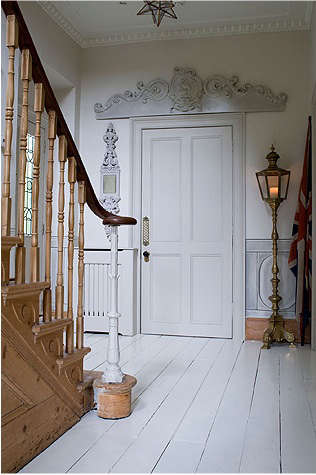
There are design ideas that shout, and then there are design ideas that lean against the wall in excellent shoes, saying very little, while somehow making the whole room feel smarter. Unfinished baseboards are one of those ideas. In a London interior, where old buildings often come with high ceilings, stubborn corners, graceful plasterwork, and at least one floorboard with a personality disorder, stripped or unfinished baseboards can look less like a forgotten chore and more like a deliberate design wink.
The phrase “unfinished baseboards” may sound like something a contractor says right before disappearing for three weeks, but in the right room, the look is elegant, architectural, and quietly rebellious. Instead of painting the skirting boards crisp white, deep charcoal, or wall-matching beige, the baseboards are left raw, stripped, limed, sealed, stained, or only lightly finished. The result is a thin natural line between wall and floor: a visual pause, a texture break, and a bit of honest material in a world full of perfectly smooth surfaces pretending they woke up that way.
This article explores how to make the unfinished baseboard look work, what paints and palettes pair beautifully with it, and how to avoid the dreaded “we ran out of paint” effect. Consider it a design field guide for anyone who loves London interiors, natural wood trim, moody paint colors, and rooms that look collected rather than assembled by a furniture showroom with a clipboard.
What Are Unfinished Baseboards?
Baseboards, also called skirting boards in the United Kingdom, are the trim pieces installed where the wall meets the floor. They hide expansion gaps, protect walls from scuffs, and create a finished transition between two surfaces that would otherwise meet with all the grace of a suitcase falling down stairs.
Unfinished baseboards are baseboards that have not been fully painted in the traditional sense. They may be raw wood, stripped wood, lightly sanded pine, oak, reclaimed timber, MDF prepared for painting, or older boards where layers of paint have been removed to expose texture underneath. In design terms, “unfinished” does not have to mean unprotected. In fact, the best unfinished baseboards are usually sealed, waxed, oiled, or finished with a matte clear coat so they can survive dust, mops, shoes, pets, and the occasional chair leg with bad manners.
Why the London Look Works So Well
London interiors have a way of making imperfection feel expensive. A slightly uneven wall, an old fireplace, exposed floorboards, and layered paint colors can create a mood that feels lived-in, literary, and quietly dramatic. Unfinished baseboards fit naturally into this world because they add age and texture without overwhelming the room.
In many London homes, especially Victorian, Georgian, Edwardian, and converted terrace houses, architectural details matter. Tall skirting boards, old plaster, paneled doors, and original flooring provide a framework that modern furniture can play against. Leaving baseboards unfinished or stripped can highlight that framework. It draws the eye to the room’s bones rather than covering everything in one tidy coat of gloss.
The look also works in minimalist apartments and renovated flats. Against limewashed walls, clay-toned paint, soft white plaster, or charcoal cabinetry, raw baseboards create a line of warmth. They are small, but they do a surprising amount of emotional labor. Think of them as the room’s linen shirt: casual, textured, and somehow making everyone else look better.
The Best Paint Palettes for Unfinished Baseboards
The success of unfinished baseboards depends heavily on the palette around them. The trim is subtle, so the walls, floors, and furnishings need to cooperate. If every surface competes, the unfinished baseboard becomes visual static. If the palette is balanced, it becomes the detail people notice after they say, “Why does this room feel so good?”
1. Warm White Walls and Natural Wood
Warm white is the safest and often the most beautiful partner for unfinished baseboards. It keeps the room bright while allowing the wood grain to show. Avoid cold, bluish whites unless the wood is very pale or the room gets excellent natural light. A warm white with cream, chalk, or stone undertones makes stripped baseboards feel intentional and relaxed.
This palette is especially effective in kitchens, bedrooms, and narrow hallways. The wall color keeps things airy, while the baseboard adds a grounded edge. Add oak floors, a simple jute rug, linen curtains, and black hardware, and suddenly your home looks like it owns several excellent ceramic bowls.
2. Plaster Pink, Clay, and Soft Terracotta
Earthy pinks and clay colors are natural companions for raw wood. These shades feel historic without becoming theatrical. In a London-style dining room or sitting room, a dusty plaster pink wall with unfinished baseboards can feel warm, flattering, and gently romantic. It is less “princess bedroom” and more “architect with excellent taste drinks espresso here.”
Use matte or eggshell wall paint for a soft surface, then keep the baseboards sealed but not shiny. The contrast between powdery wall color and natural trim creates depth without fuss.
3. Deep Green and Stripped Wood
Dark green walls with unfinished baseboards can be spectacular. Forest green, olive, muddy sage, and deep moss shades all play well with raw timber. The combination feels grounded, botanical, and quietly luxurious. It is also forgiving in older rooms where walls are not perfectly flat, because deeper colors can visually soften irregularities.
For balance, bring in aged brass, off-white lampshades, woven baskets, brown leather, or a vintage table. The unfinished baseboard becomes part of a natural material story rather than a lonely strip of wood wondering why nobody painted it.
4. Charcoal, Ink, and Pale Wood
If the baseboards are pale pine, ash, or stripped oak, charcoal walls create a dramatic contrast. This look works best in rooms with generous light or strong artificial lighting. In a study, powder room, or small lounge, dark walls with natural baseboards can feel intimate and tailored.
The trick is to avoid glossy chaos. Choose a matte or low-sheen wall finish, keep the baseboards satin-matte, and use simple accessories. Too much shine turns the room into a nightclub for furniture. A little restraint keeps it elegant.
5. Wall-Matching Neutrals with Raw Trim
Taupe, mushroom, greige, sand, and pale stone colors are perfect for people who want subtlety. These shades let unfinished baseboards become texture rather than contrast. The effect is calm and expensive-looking, which is ideal if your budget is currently being held together with painter’s tape and optimism.
Should You Paint, Stain, Oil, or Seal?
Unfinished does not mean defenseless. Baseboards sit in a high-impact zone. They meet shoes, vacuum cleaners, pet hair, dust, damp mops, children’s toys, and furniture legs that apparently never learned spatial awareness. A raw baseboard left completely untreated can stain, swell, splinter, or collect grime.
For real homes, the best options are usually clear matte polyurethane, hardwax oil, Danish oil, water-based clear coat, or a pale stain followed by a protective finish. A matte or satin finish usually looks more natural than gloss. Gloss can be beautiful on painted trim, but on raw baseboards it may make the wood look coated rather than quietly exposed.
If the wood has knots, use a suitable knot-blocking primer only if you plan to paint. For a clear finish, test products carefully on a hidden section. Some sealers darken wood or add amber tones. That may be lovely if you want warmth, but less lovely if you expected pale Scandinavian restraint and got orange marmalade.
How to Prep Unfinished Baseboards Properly
Preparation is the difference between “considered rustic” and “abandoned renovation.” Before sealing or painting baseboards, clean them thoroughly. Dust, grease, construction residue, and old wax can prevent finishes from bonding. Use a vacuum brush, a microfiber cloth, and a gentle cleaner suited to the material.
Next, sand the surface. For new wood, 120-grit sandpaper is often enough to smooth rough areas. For older trim, you may need to start with a coarser grit and move gradually finer. Always sand with the grain when working with visible wood. After sanding, remove dust completely with a vacuum and tack cloth. Dust left behind will become tiny bumps in the finish, also known as the home improvement version of betrayal.
Fill nail holes and dents if you want a cleaner look. Use wood filler that matches the baseboard if the wood will remain visible. For a more rugged, old-London style, you can leave small marks and irregularities. The key is consistency. A few old nicks look charming. Random blobs of filler look like the baseboard lost a food fight.
Caulking: Yes, No, or Absolutely Not?
Caulk is one of the great debates in trim work. With painted baseboards, caulking the top edge where trim meets wall creates a seamless line. With unfinished baseboards, the decision is trickier. If you caulk the top edge and paint the caulk the wall color, you get a neat transition while preserving the wood face. This often works beautifully.
However, caulk should be used sparingly. Thick caulk lines can ruin the delicate shadow gap that makes unfinished trim interesting. Use paintable acrylic-latex caulk for gaps along the wall, smooth it carefully, and let it dry before painting nearby surfaces. Avoid silicone caulk where paint needs to adhere, because paint and pure silicone are not friends. They are barely acquaintances.
Unfinished Baseboards in Modern Rooms
In modern interiors, unfinished baseboards prevent minimalism from feeling sterile. A room with white walls, concrete floors, slim furniture, and raw wood trim can feel calm but not cold. The baseboard becomes a tactile line that reminds the room it is allowed to have a pulse.
For a contemporary look, choose square-edge or flat-profile baseboards. Tall decorative molding can still work, but simple profiles emphasize the material rather than the shape. Pair with large-scale art, low furniture, and restrained colors. If the floor is also wood, try to coordinate undertones rather than match exactly. A near-match that fails is more distracting than a deliberate contrast.
Unfinished Baseboards in Traditional Rooms
In traditional rooms, stripped baseboards can add a sense of history. They suggest that the house has lived several lives and has finally decided to stop pretending it was built last Tuesday. This works especially well with old fireplaces, antique rugs, framed artwork, and layered lighting.
If your room has ornate trim, consider leaving only the baseboards unfinished while painting door casings, crown molding, and window trim. This creates a grounded line without turning every piece of woodwork into a museum exhibit. The goal is character, not chaos.
Common Mistakes to Avoid
Leaving Wood Truly Raw
Raw wood may look beautiful on day one, but baseboards live in the danger zone. Seal them to protect against dirt and moisture. A matte clear finish can preserve the unfinished look while making cleaning much easier.
Ignoring Undertones
Wood has undertones: yellow, red, gray, brown, orange, or pink. Wall paint has undertones too. Put the wrong ones together and the room may feel oddly sour. Always test paint swatches beside the actual baseboard in morning, afternoon, and evening light.
Using Too Much Contrast
A raw baseboard against a very bright wall can look stunning, but if the wood is too orange or the wall too stark, the contrast may feel harsh. Soften the palette with rugs, curtains, artwork, or furniture that repeats the wood tone.
Forgetting the Floors
Baseboards are the handshake between wall and floor. If the floor is cool gray and the baseboard is warm honey pine, the transition may look accidental. Use stain, oil, or surrounding decor to bridge the tones.
Cleaning and Maintenance
Unfinished-style baseboards should be dusted regularly with a microfiber cloth or vacuum brush. For deeper cleaning, use a barely damp cloth and a mild cleaner appropriate for the finish. Avoid soaking wood or MDF. Moisture can cause swelling, raised grain, and other tiny domestic tragedies.
High-traffic areas may need touch-ups every few years. If the boards are oiled, refresh the oil as recommended by the product manufacturer. If they are sealed with a clear coat, inspect for chips or worn spots. The beauty of this look is that small signs of life often add charm, but actual damage should be handled before it spreads.
How to Style a Room Around Unfinished Baseboards
To make unfinished baseboards feel intentional, repeat the wood tone at least twice elsewhere in the room. This could be a picture frame, chair legs, a side table, shelving, a lamp base, or a woven basket. Repetition tells the eye, “Yes, we meant to do this.”
Textiles also matter. Linen, wool, cotton, jute, leather, and velvet all pair well with stripped trim. Avoid overly synthetic finishes if you want the room to feel natural and layered. A London-inspired space often looks best when it feels assembled over time: a vintage chair here, a modern lamp there, a book stack pretending to be casual but absolutely curated.
Experience Notes: Living With the Look
The first time you live with unfinished baseboards, you may become weirdly aware of the bottom twelve inches of every room. This is normal. Painted trim usually fades into the background, but raw or stripped baseboards draw the eye because they interrupt the expected formula. At first, you may wonder whether the room is finished. After a week, you may begin judging every glossy white baseboard you see in other homes. Design opinions escalate quickly.
One of the most pleasant surprises is how forgiving the look can be. In a busy hallway, a painted white baseboard shows every scuff like it is keeping a public record of your household’s shoe habits. A sealed natural baseboard is often more relaxed. Minor marks blend into the grain, and the room does not fall apart visually every time a suitcase grazes the wall. This is especially helpful in city homes where narrow entries, bicycles, umbrellas, grocery bags, and real life all compete for space.
Another experience worth mentioning is lighting. Natural wood trim changes throughout the day. In morning light, pale baseboards may look soft and chalky. In evening light, they can become warmer and richer. This is why paint testing matters so much. A wall color that looks perfect at noon may become too yellow, too gray, or too dramatic under lamps. Always test paint beside the baseboards, not on a random wall across the room while whispering, “Good enough.” That phrase has ruined many weekends.
Unfinished baseboards also change how you choose furniture. Pieces that sit directly against the wall, such as sofas, cabinets, beds, and bookcases, can hide long stretches of trim. That is not a problem, but it means the visible sections need to feel connected. A raw baseboard peeking out from behind a velvet sofa can look beautiful if there is another natural wood element nearby. Without that repetition, it may look like a secret the room forgot to explain.
For renters or cautious homeowners, this look can be tested in small spaces first. Try a powder room, reading nook, mudroom, or narrow hallway. These areas benefit from character and can handle a bit of design experimentation. A small room with warm white walls, sealed stripped baseboards, a vintage mirror, and a simple pendant light can feel wonderfully finished without looking over-decorated.
The main lesson from living with unfinished baseboards is that “unfinished” works best when everything around it is thoughtful. The walls should be cleanly painted. The floors should be tidy. The wood should be sanded and protected. The caulk lines, if used, should be neat. In other words, the design can look casual, but the execution should not be lazy. There is a difference between “effortless” and “we gave up,” and baseboards know the truth.
Conclusion
Unfinished baseboards in London-inspired interiors offer a clever way to add warmth, texture, and architectural interest without making a room feel overly decorated. They work because they celebrate material honesty: wood looks like wood, walls look like walls, and the transition between them becomes part of the design rather than an afterthought.
Whether paired with warm white, plaster pink, deep green, charcoal, or soft stone, unfinished baseboards can make a space feel layered, relaxed, and quietly refined. The secret is preparation. Sand properly, seal thoughtfully, test paint colors, respect undertones, and repeat the wood tone elsewhere in the room. Do that, and your baseboards will not look unfinished. They will look intentionaland possibly more stylish than the rest of us on a Monday morning.
Note: This article is original, source-informed, and written for web publication without embedded source links or content reference markers, as requested.













