
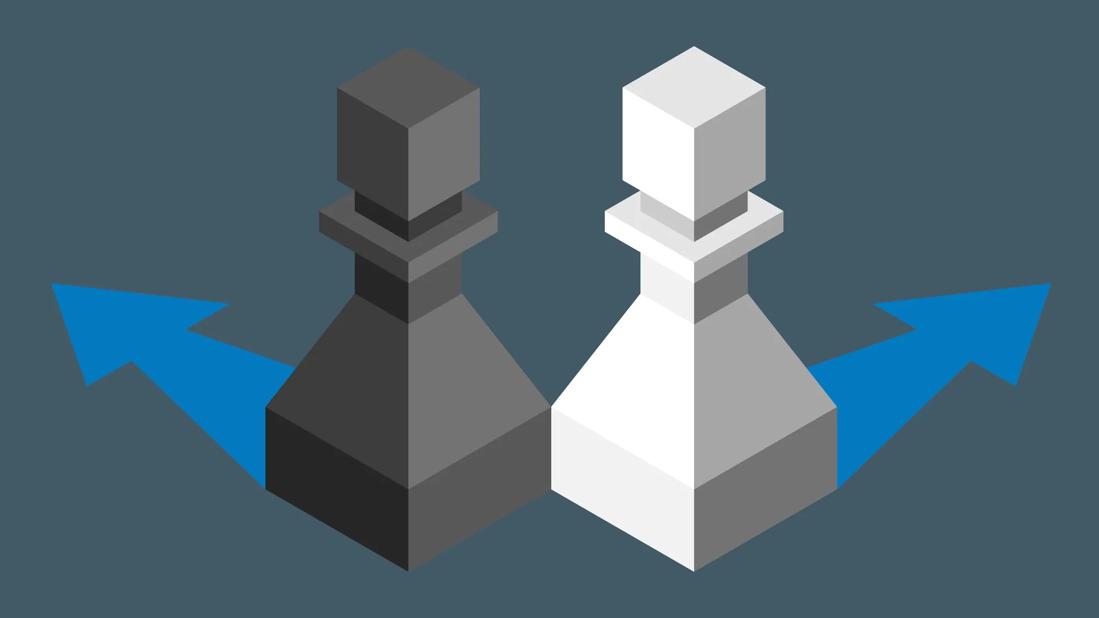
Cognitive dissonance is what happens when your brain realizes two things in your life do not match and immediately starts acting like a nervous project manager with a clipboard. You believe one thing, you do another, and suddenly your mind is trying to explain, excuse, edit, or reorganize the whole situation before anyone notices.
In simple terms, cognitive dissonance is the mental discomfort people feel when their beliefs, values, attitudes, or actions conflict with one another. It is not a rare psychological glitch. It is a normal human experience. Everyone runs into it: the health-conscious person eating fast food in the car, the budget-minded shopper clicking “Buy Now,” the honest friend telling a tiny lie, or the environmentally aware commuter driving alone every day because the bus schedule seems personally designed by a raccoon.
The phrase may sound academic, but the experience is extremely familiar. Cognitive dissonance often shows up as guilt, defensiveness, anxiety, second-guessing, rationalization, or the sudden need to explain why your decision was actually brilliant, even if five minutes ago you were unsure. Understanding cognitive dissonance can help you make better choices, notice emotional conflict earlier, and become less trapped by mental gymnastics.
What Is Cognitive Dissonance?
Cognitive dissonance is the psychological tension that occurs when two or more thoughts, beliefs, values, or behaviors contradict each other. The concept was introduced by social psychologist Leon Festinger in the 1950s and became one of the most influential ideas in social psychology.
Festinger’s basic idea was simple but powerful: people prefer internal consistency. We like our actions, beliefs, and self-image to line up neatly. When they do not, we feel discomfort. That discomfort pushes us to reduce the conflict. Sometimes we reduce it in healthy ways, such as changing behavior. Other times, we reduce it by making excuses, avoiding facts, blaming others, or rewriting the story in our heads.
For example, imagine someone who believes, “I care about my health,” but also smokes cigarettes. The conflict between the belief and the behavior can create dissonance. To reduce the discomfort, the person might quit smoking, admit the risk and seek support, or rationalize the behavior by saying, “My grandfather smoked and lived to 90.” One path solves the conflict more honestly. The other gives the brain a temporary emotional snack.
Why Cognitive Dissonance Happens
Cognitive dissonance happens because human beings are meaning-making machines. We do not just act; we explain our actions to ourselves. We want to see ourselves as reasonable, moral, smart, consistent, and in control. When evidence suggests otherwise, the mind experiences friction.
1. Your actions conflict with your values
This is one of the most common causes. You value kindness but snap at a coworker. You value saving money but buy expensive shoes during a “limited-time sale” that somehow appears every weekend. You value honesty but exaggerate your experience in a meeting. The action clashes with the value, and discomfort follows.
2. New information challenges an old belief
Sometimes cognitive dissonance appears when you learn something that contradicts what you already believe. If you strongly support a product, leader, diet, routine, or lifestyle, new evidence against it can feel personally threatening. The uncomfortable question becomes: “Was I wrong?” Since that question is not exactly a spa day for the ego, many people reject the information before examining it.
3. You make a difficult decision
Dissonance often appears after choices. You pick one college, job, car, phone, apartment, or relationship path, then wonder whether the other option was better. This is sometimes called post-decision dissonance. Your brain may reduce discomfort by emphasizing the good parts of your choice and downplaying the benefits of the option you rejected.
4. Social pressure pushes you against your beliefs
People often experience cognitive dissonance when they go along with a group even though they privately disagree. Maybe someone laughs at an offensive joke because everyone else is laughing. Maybe a student cheats because friends say “everybody does it.” The person may feel uneasy afterward because the action does not match their identity.
Common Signs of Cognitive Dissonance
Cognitive dissonance does not always arrive wearing a name tag. It may feel like stress, embarrassment, irritation, or the need to defend yourself. Here are some common signs.
You feel guilty or ashamed
Guilt can appear when behavior conflicts with personal standards. You may think, “That was not like me,” or “I should have handled that better.” Shame can go deeper, making the conflict feel like a flaw in who you are rather than a mistake you made.
You become defensive quickly
If a small comment makes you unusually irritated, dissonance may be nearby. Defensiveness often protects a belief or self-image from uncomfortable evidence. When someone says, “Are you sure that was the best choice?” and your inner lawyer immediately stands up, adjusts his tie, and begins cross-examination, that is a clue.
You rationalize your behavior
Rationalization is the art of making a shaky decision sound like a Nobel-level strategy. “I bought the expensive jacket because quality matters.” “I skipped the gym because rest is part of fitness.” “I was rude because I value honesty.” Sometimes these explanations contain truth. Other times, they are emotional bubble wrap.
You avoid information
People often reduce dissonance by avoiding facts that make them uncomfortable. Someone worried about spending may avoid checking their bank balance. Someone who suspects a habit is harmful may avoid reading about it. Avoidance works briefly, but it usually charges interest.
You seek people who agree with you
Supportive communities are healthy. Echo chambers are trickier. When people only seek opinions that confirm what they already believe, they may be trying to reduce dissonance without facing the conflict directly.
You feel anxious after a decision
After making an important choice, you may replay the situation repeatedly. Did you choose correctly? Did you miss something? Should you have waited? This mental replay can be a sign that your brain is trying to restore confidence.
Examples of Cognitive Dissonance in Everyday Life
Health habits
A person knows regular sleep matters but stays up until 2 a.m. scrolling through videos titled “just one more.” The next morning, they feel tired and annoyed. To reduce dissonance, they might say, “I work better under pressure,” even though their coffee cup is looking at them with concern.
Money and spending
Someone wants to save for emergencies but keeps making impulse purchases. The conflict creates discomfort. They may justify the spending by calling every purchase an “investment,” including a novelty mug shaped like a dinosaur. A healthier response would be reviewing the budget and setting clearer spending limits.
Relationships
A person values respect but stays silent when a friend repeatedly crosses boundaries. They may tell themselves, “It is not a big deal,” even though they feel resentful. Cognitive dissonance can reveal the gap between what someone believes they deserve and what they are accepting.
Workplace behavior
An employee believes in fairness but takes credit for a team idea. The discomfort may lead to excuses: “I worked the hardest anyway.” But the tension may also motivate a better action, such as acknowledging the team’s contribution.
Environmental choices
A person cares about sustainability but frequently buys disposable products. They might feel conflicted and reduce discomfort by saying individual choices do not matter. A more constructive response could be making one realistic change, such as carrying a reusable bottle or reducing waste gradually.
Education and learning
A student believes they are disciplined but procrastinates on a major assignment. When the deadline attacks like a caffeinated squirrel, dissonance appears. The student may blame the teacher, the topic, the laptop, the weather, or the suspiciously comfortable chair. Or they may recognize the pattern and build a better study plan.
How People Reduce Cognitive Dissonance
When cognitive dissonance appears, people usually try to reduce it in one of several ways. Some methods are useful. Others are just mental duct tape.
Changing the behavior
This is often the most direct solution. If your behavior conflicts with your values, change the behavior. The person who values health may start walking daily. The person who values honesty may correct a false statement. This approach can be uncomfortable at first but often creates long-term relief.
Changing the belief
Sometimes new evidence genuinely deserves a belief update. Mature thinking includes the ability to say, “I used to think one thing, but I learned more.” That is not weakness. That is mental software maintenance.
Adding a new explanation
People may reduce dissonance by adding context. For example, “I missed the workout because I was sick” may be reasonable. But if the explanation becomes a repeated excuse, it may prevent growth.
Minimizing the conflict
People often say, “It is not that bad,” “Everyone does it,” or “It does not really matter.” Sometimes perspective is helpful. But minimizing can become a way to avoid responsibility.
Avoiding the trigger
A person may avoid people, articles, conversations, or reminders that challenge their choices. This reduces discomfort quickly but can trap someone in denial.
Is Cognitive Dissonance Bad?
Cognitive dissonance is not automatically bad. In fact, it can be useful. It acts like a psychological alarm system, telling you something may be out of alignment. The discomfort can push you to examine your choices, update your beliefs, apologize, change habits, or make better decisions.
The problem is not dissonance itself. The problem is how people respond to it. If someone responds with curiosity, honesty, and self-compassion, dissonance can lead to growth. If they respond with denial, blame, or endless justification, it can lead to poor decisions and damaged relationships.
Think of cognitive dissonance as a smoke alarm. Annoying? Yes. Worth ignoring forever? Absolutely not. Also, please do not remove the batteries from your personality.
How to Handle Cognitive Dissonance in a Healthy Way
Pause before defending yourself
When you feel defensive, pause. Ask, “What part of this feels threatening?” That small question can create enough space to think clearly instead of reacting automatically.
Name the conflict
Try writing the conflict in one sentence: “I believe X, but I did Y.” For example, “I believe in saving money, but I spent more than I planned.” Naming the contradiction makes it easier to solve.
Separate behavior from identity
A mistake does not have to become your whole identity. Instead of saying, “I am a terrible person,” try, “That action did not match my values.” This keeps the focus on change rather than shame.
Look for the smallest honest action
You do not always need a dramatic transformation. Sometimes the best next step is small: apologize, check the facts, update the budget, schedule the appointment, tell the truth, or admit uncertainty.
Invite better information
Read credible sources, ask thoughtful questions, and listen to people who disagree respectfully. Dissonance becomes less scary when you treat new information as a tool, not an attack.
Talk to a professional when needed
If cognitive dissonance is tied to intense guilt, anxiety, relationship stress, or repeated unhealthy patterns, a mental health professional can help. Therapy can provide a safe space to examine conflicts without judgment.
Cognitive Dissonance vs. Hypocrisy
Cognitive dissonance and hypocrisy are related, but they are not identical. Hypocrisy usually refers to publicly claiming one standard while behaving against it. Cognitive dissonance is the internal discomfort caused by inconsistency. A person may experience dissonance privately even if no one else knows about the conflict.
For example, someone who promotes healthy eating online while secretly eating poorly may be behaving hypocritically. The uncomfortable feeling they experience when noticing the gap is cognitive dissonance. The key difference is that hypocrisy describes the inconsistency from the outside, while cognitive dissonance describes the mental tension on the inside.
Cognitive Dissonance vs. Cognitive Bias
Cognitive bias is a broad term for mental shortcuts that can distort thinking. Cognitive dissonance is a specific kind of discomfort caused by inconsistency. Biases can help protect someone from dissonance. For instance, confirmation bias may lead a person to seek only information that supports what they already believe, reducing discomfort without requiring real reflection.
In other words, cognitive dissonance is the uncomfortable “uh-oh” feeling. Cognitive bias is often the mental shortcut used to make the “uh-oh” go away.
Why Understanding Cognitive Dissonance Matters
Understanding cognitive dissonance matters because it affects decisions in health, money, relationships, education, politics, work, and personal growth. People do not always make choices based only on facts. They also make choices based on identity, emotion, pride, fear, belonging, and the desire to feel consistent.
When you recognize dissonance, you gain a useful advantage. You can ask better questions: Am I defending this because it is true, or because it protects my ego? Am I avoiding information because it is unreliable, or because it makes me uncomfortable? Am I making excuses, or am I making a plan?
Those questions are not always fun. They are not the mental equivalent of a beach vacation. But they can help you become more honest, flexible, and aligned with your values.
Everyday Experiences That Reveal Cognitive Dissonance
One of the clearest everyday experiences of cognitive dissonance happens after a purchase. Imagine buying an expensive gadget because it looked amazing online. The photos were dramatic, the reviews were glowing, and the product description practically whispered, “Your life will become organized and cinematic.” Then the package arrives, and the gadget is fine. Not terrible. Not magical. Just fine. Suddenly, the brain begins its public relations campaign. You may tell yourself, “Actually, this will be useful later,” or “The cheaper one probably would have broken.” This is post-purchase dissonance. You want to believe you made a smart choice, so your mind searches for evidence that protects that belief.
Another common experience appears in health routines. A person may care deeply about wellness but keep delaying exercise, sleep, or better eating habits. The dissonance is not simply about missing one workout or eating one dessert. The discomfort comes from the gap between identity and action: “I am someone who takes care of myself,” versus “I am not acting that way right now.” Some people respond by giving up completely, which only makes the gap wider. Others respond more usefully by lowering the barrier: a ten-minute walk, a glass of water, an earlier bedtime, or preparing one simple meal. Small honest actions can reduce dissonance without requiring a personality transplant.
Relationships create their own version of cognitive dissonance. Someone may believe they are calm and fair, yet realize they often interrupt during arguments. At first, the mind may defend the behavior: “I only interrupt because they explain too slowly.” But if the person pauses long enough, the discomfort can become useful. They may recognize that interrupting does not match the kind of partner, friend, or family member they want to be. The next conversation becomes a chance to practice listening. It may feel awkward, but growth often does. Nobody becomes emotionally mature while feeling perfectly comfortable every minute.
Work and school also provide excellent examples. A student may believe they perform well under pressure, but their last-minute work repeatedly leads to stress and weaker results. An employee may value teamwork but secretly feel jealous when a coworker succeeds. These moments can feel embarrassing, but they are also informative. Cognitive dissonance points toward a place where behavior, belief, and self-image are not fully aligned.
The most helpful approach is not to panic or pretend. It is to notice the tension and ask what it is trying to teach. Sometimes the lesson is practical: change the habit. Sometimes it is emotional: admit the feeling. Sometimes it is moral: repair the harm. Cognitive dissonance is uncomfortable, but it can also be a doorway. It shows where your life is asking for a little more honesty, a little more courage, and maybe a little less creative excuse-making from the committee inside your head.
Conclusion
Cognitive dissonance is the mental discomfort that appears when your beliefs, values, and behaviors do not match. It can show up as guilt, defensiveness, rationalization, avoidance, anxiety, or second-guessing. While the feeling can be unpleasant, it is not a sign that something is wrong with you. It is a sign that your mind has detected inconsistency.
The real question is what you do next. You can deny the conflict, explain it away, or surround yourself with people who never challenge you. Or you can use the discomfort as information. When handled with honesty and self-compassion, cognitive dissonance can help you make better decisions, strengthen relationships, update old beliefs, and live more closely aligned with your values.











