
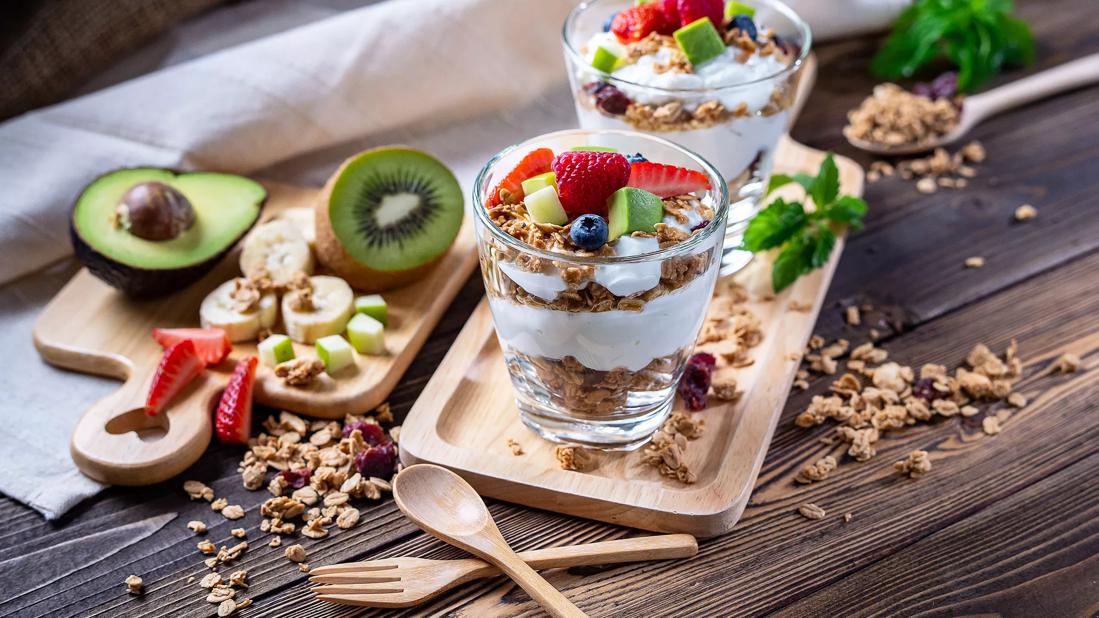
When you live with chronic obstructive pulmonary disease, or COPD, breathing can feel like a full-time job with no lunch break. That is exactly why food matters. A smart COPD diet will not cure COPD, and it should never replace medication, inhalers, oxygen therapy, pulmonary rehabilitation, vaccines, or advice from your healthcare team. But nutrition can support energy, muscle strength, immune health, weight management, and day-to-day comfort. In plain English: the right meals may help your body stop wasting precious energy on food choices that make you feel bloated, tired, or short of breath.
The phrase “COPD diet” can sound like a strict rulebook written by a joyless committee of steamed broccoli. Fortunately, it is not that dramatic. Most people with COPD do best with a balanced, nutrient-dense eating pattern built around lean protein, colorful fruits and vegetables, whole grains, healthy fats, adequate fluids, and smaller meals that are easier to tolerate. The goal is not perfection. The goal is breathing room, strength, and food that works with your body instead of making it feel like it has to climb stairs after dinner.
Why Nutrition Matters for COPD
COPD can increase the work of breathing. That means some people burn more energy simply getting air in and out. At the same time, symptoms like fatigue, coughing, mucus, anxiety, early fullness, and shortness of breath after eating can make it harder to shop, cook, chew, and finish meals. This creates a frustrating loop: you need energy to breathe, but breathing can make eating harder.
Nutrition is also closely tied to body weight. Some people with COPD lose weight unintentionally and may lose muscle, including muscles involved in breathing. Others gain weight because activity becomes harder, medications may affect appetite, or fatigue limits movement. Both underweight and excess weight can make COPD more challenging. Too little weight may reduce strength and immune resilience, while too much weight can place extra pressure on the diaphragm and make movement feel harder.
A thoughtful COPD nutrition plan focuses on three priorities: maintaining a healthy weight, preserving muscle, and reducing meal-related discomfort. That means eating enough protein, choosing foods rich in vitamins and minerals, limiting highly processed foods, and adjusting meal size and timing so eating does not leave you gasping like you just sprinted through an airport.
Best Foods To Eat With COPD
1. Lean Protein for Stronger Muscles
Protein is one of the most important nutrients for people with COPD because it helps maintain muscle mass. Respiratory muscles are still muscles, and they need proper fuel. Good protein choices include eggs, fish, chicken, turkey, lean beef, tofu, tempeh, beans, lentils, Greek yogurt, cottage cheese, nuts, and nut butters.
A practical approach is to include protein at every meal. Breakfast could be scrambled eggs with whole-grain toast. Lunch might be chicken soup with vegetables. Dinner could be salmon with sweet potato and spinach. For snacks, Greek yogurt, cheese, hummus, roasted chickpeas, or peanut butter on apple slices can help fill the gap without requiring a huge meal.
2. Fruits and Vegetables for Antioxidants
Fruits and vegetables provide vitamins, minerals, fiber, and antioxidants that support overall health. COPD is associated with inflammation and increased vulnerability to respiratory infections, so a colorful plate is a smart place to start. Aim for variety: berries, oranges, apples, tomatoes, carrots, leafy greens, bell peppers, squash, broccoli, and sweet potatoes all bring something useful to the table.
If raw vegetables cause bloating or take too much effort to chew, cooked vegetables may be easier. Roasted carrots, steamed zucchini, sautéed spinach, vegetable soups, and soft baked squash can deliver nutrients without turning dinner into a jaw workout.
3. Whole Grains for Steady Energy
Whole grains provide fiber and slow-burning carbohydrates that support energy. Good options include oatmeal, brown rice, quinoa, barley, whole-wheat pasta, whole-grain bread, and whole-grain cereals with minimal added sugar. Fiber can also support digestive health, which matters because constipation and bloating can make breathing feel more uncomfortable.
That said, portion size matters. Very large servings of carbohydrate-heavy foods may make some people feel overly full or sluggish. A balanced plate usually works best: protein, vegetables, healthy fat, and a moderate portion of whole grains or starchy vegetables.
4. Healthy Fats for Concentrated Calories
Healthy fats are useful, especially for people who need more calories but cannot tolerate large meals. Olive oil, avocado, nuts, seeds, natural peanut butter, fatty fish, and tahini can add energy without requiring a big plate of food. For someone struggling to maintain weight, adding olive oil to soup, avocado to toast, or nut butter to a smoothie can be easier than trying to force down another full meal.
Fat should still be chosen wisely. Healthy fats are not the same as deep-fried fast food or pastries. Think “olive oil and salmon,” not “double fries and a mystery nugget.”
5. Fluids To Keep Mucus Easier To Clear
Hydration can help keep mucus thinner and easier to cough up. Water is usually the best choice, but herbal tea, broth, milk, and water-rich foods like fruit and soups can also contribute. Some people are told to limit fluids because of heart or kidney problems, so anyone with those conditions should follow medical advice.
Timing can help, too. Drinking a lot during meals may make some people feel too full or bloated. In that case, sipping fluids between meals may be more comfortable.
Foods To Avoid or Limit With COPD
1. High-Sodium Foods
Too much sodium can contribute to fluid retention in some people, which may worsen swelling or make breathing feel more difficult, especially for those with heart-related complications. Common high-sodium foods include canned soups, deli meats, hot dogs, frozen dinners, chips, instant noodles, fast food, salty sauces, pickles, and many packaged snacks.
Look for labels that say “low sodium,” “no salt added,” or “reduced sodium.” Season foods with garlic, lemon, vinegar, herbs, pepper, onion powder, smoked paprika, or salt-free seasoning blends. Your taste buds may complain for a week, but they usually adapt. Taste buds are dramatic, not permanent.
2. Processed Meats
Bacon, sausage, hot dogs, pepperoni, salami, and many deli meats tend to be high in sodium, saturated fat, and preservatives. They are not ideal everyday choices for a COPD-friendly diet. If you enjoy them, keep portions small and occasional. Better protein options include roasted chicken, turkey, fish, eggs, beans, tofu, and homemade lean meats seasoned without heavy salt.
3. Fried and Greasy Foods
Fried foods can cause fullness, reflux, and sluggish digestion. For some people with COPD, that heavy feeling can make breathing less comfortable after meals. French fries, fried chicken, onion rings, and greasy takeout may taste great in the moment, but they can leave the stomach feeling like it is holding a town meeting.
Try baking, grilling, roasting, steaming, or air-frying instead. A baked potato with Greek yogurt and herbs, roasted chicken, or oven-crisp vegetables can be satisfying without the same heavy after-effect.
4. Sugary Drinks and Sweets
Soda, sweet tea, energy drinks, candy, pastries, and sugary cereals can crowd out more nutritious foods. They may also contribute to weight gain and blood sugar swings. Carbonated sugary drinks can be especially uncomfortable because bubbles can increase bloating, which may press against the diaphragm and make breathing feel tighter.
A better approach is to choose water, unsweetened tea, infused water, or small servings of 100% fruit options when appropriate. For something sweet, try fruit with yogurt, baked apples with cinnamon, or a smoothie made with berries and protein.
5. Gas-Producing Foods If They Trigger Symptoms
Beans, cabbage, onions, broccoli, cauliflower, Brussels sprouts, and carbonated drinks can cause gas in some people. These foods are not “bad” across the board. In fact, many are nutritious. But if they make you bloated and breathless, adjust portions, cook them well, introduce them slowly, or choose alternatives.
For example, if beans cause discomfort, try smaller servings of lentils or split peas. If raw broccoli feels like a balloon factory, try cooked spinach, carrots, zucchini, or green beans. The best COPD diet is personal, not copied from someone else’s refrigerator.
6. Excess Alcohol
Alcohol can interfere with sleep, hydration, medications, balance, and overall health. It may also worsen reflux in some people. Anyone with COPD should ask a healthcare professional whether alcohol is safe with their medications and medical history. For many people, limiting or avoiding alcohol is the safer choice.
7. Foods That Worsen Reflux
Acid reflux is common and can aggravate coughing or breathing discomfort. Trigger foods vary, but common culprits include spicy foods, large fatty meals, chocolate, peppermint, citrus, tomato sauce, coffee, and late-night eating. If reflux is a problem, smaller meals, earlier dinners, and avoiding personal triggers may help.
Carbohydrates and COPD: Should You Cut Carbs?
You may hear that people with COPD should eat fewer carbohydrates because the body produces carbon dioxide when it metabolizes carbs. There is some physiology behind this idea, but it does not mean everyone with COPD should jump into an extreme low-carb diet. Whole grains, fruits, vegetables, beans, and dairy foods can provide important nutrients.
The smarter message is balance. Choose high-quality carbohydrates, avoid large portions of refined carbs and sugary foods, and work with a registered dietitian if carbon dioxide retention, weight loss, diabetes, or severe COPD is part of the picture. A personalized plan is much safer than internet diet gymnastics.
Meal Timing Tips To Reduce Shortness of Breath
For many people with COPD, how you eat matters almost as much as what you eat. Large meals can push up against the diaphragm and increase the work of breathing. Smaller, more frequent meals may be easier.
- Eat five or six smaller meals instead of two or three large ones.
- Rest before eating so you are not already exhausted at the table.
- Sit upright while eating to give your lungs and diaphragm more room.
- Eat slowly and take breathing breaks when needed.
- Choose softer foods on days when chewing feels tiring.
- Prepare simple meals ahead of time when your energy is better.
- Ask your healthcare team whether oxygen should be used during meals if prescribed.
Meal preparation can also be adjusted. Use frozen vegetables, rotisserie chicken with the skin removed, low-sodium canned beans, pre-washed greens, slow cookers, or batch cooking. Healthy eating does not require turning your kitchen into a cooking show set. Nobody needs dramatic background music just to make oatmeal.
Sample COPD-Friendly Meal Plan
Breakfast
Oatmeal cooked with milk or fortified soy milk, topped with berries, walnuts, and a spoonful of peanut butter. This meal provides fiber, protein, healthy fat, and steady energy.
Morning Snack
Greek yogurt with sliced banana or a boiled egg with whole-grain toast. If weight gain is needed, add avocado or olive oil-based spread.
Lunch
Grilled chicken or tofu bowl with quinoa, spinach, roasted carrots, olive oil, and lemon dressing. Keep portions moderate to avoid uncomfortable fullness.
Afternoon Snack
Hummus with soft pita, cottage cheese with fruit, or a smoothie made with berries, protein powder, nut butter, and milk. Smoothies can be helpful when chewing feels tiring.
Dinner
Baked salmon, sweet potato, and steamed green beans. Add olive oil or avocado for extra calories if weight maintenance is difficult.
Evening Option
If appetite is low or weight loss is a concern, try a small protein-rich snack such as cheese and crackers, yogurt, or a nutrition shake recommended by a clinician.
Special Tips for People Who Are Underweight
Unintentional weight loss in COPD deserves attention. It may signal that the body is not getting enough calories or protein to keep up with the energy demands of breathing. If weight is dropping, do not simply “eat more” in a random way. Focus on nutrient-dense, calorie-rich foods.
Helpful additions may include olive oil, avocado, nut butter, nuts, seeds, full-fat yogurt, cheese, eggs, smoothies, and high-protein snacks. Add powdered milk to soups or oatmeal, use hummus as a spread, or drizzle olive oil over vegetables. Strength-focused exercise or pulmonary rehabilitation may also help preserve muscle when approved by a healthcare professional.
Special Tips for People Who Are Overweight
For people carrying excess weight, gradual weight loss may reduce pressure on the lungs and diaphragm and improve mobility. The goal is not crash dieting. Extreme diets can reduce muscle, worsen fatigue, and make COPD harder to manage.
A better plan includes lean protein, vegetables, high-fiber carbohydrates, healthy fats in measured portions, fewer sugary drinks, and less ultra-processed food. Gentle physical activity or pulmonary rehabilitation, when recommended, can support both breathing and weight management. The focus should be strength, stamina, and comfortnot chasing a number on the scale like it owes you money.
of Real-Life Experience: What Eating With COPD Can Feel Like
Living with COPD can turn ordinary meals into small daily negotiations. A person may wake up with good intentions: oatmeal, fruit, protein, water, maybe even a vegetable before noon. Then reality walks in wearing muddy boots. The shower takes more energy than expected. The kitchen feels far away. Chopping vegetables sounds like an Olympic sport. By the time food is ready, appetite has packed a suitcase and left.
That is why the most practical COPD diet is not just “healthy.” It is realistic. People often do better when meals are simple, soft, and ready before hunger becomes exhaustion. A bowl of soup with shredded chicken, vegetables, and rice may work better than a large steak dinner. A smoothie may be easier than a plate that requires lots of chewing. A small snack every few hours may feel less intimidating than one huge meal sitting on the table like a homework assignment.
Many people also learn that their trigger foods are personal. One person may tolerate beans perfectly; another may feel bloated after three bites. Some people feel worse after carbonated drinks. Others notice reflux after tomato sauce or spicy meals. Keeping a simple food-and-symptom note for a week or two can reveal patterns. It does not have to be fancy. Write down what you ate, when you felt short of breath, whether bloating showed up, and how large the meal was. Sometimes the problem is not the food itself but the portion size, timing, or speed of eating.
Another common experience is frustration around weight. Friends may say, “You are lucky you can eat more,” to someone who is underweight with COPD, but struggling to maintain weight is not lucky. It can be scary and tiring. On the other hand, people trying to lose weight may feel judged, even though COPD can make exercise difficult and fatigue can make cooking harder. Compassion matters. Food choices should support the person, not shame them.
Small changes often feel the most sustainable. Put a chair in the kitchen. Use pre-cut vegetables. Cook once and eat twice. Keep high-protein snacks within reach. Choose low-sodium versions of favorite foods instead of trying to reinvent the entire menu overnight. Sit upright while eating. Pause between bites. Make breakfast easy. Make dinner smaller if evenings are harder. Ask for help when grocery shopping or cooking becomes too much.
The best experience-based advice is this: COPD nutrition is not about winning a perfect-diet trophy. It is about creating meals that help you breathe a little easier, stay stronger, and enjoy food without turning every bite into a battle. A good COPD diet should feel supportive, flexible, and human. Yes, vegetables matter. So does breathing comfortably enough to enjoy them.
Conclusion
A COPD diet is not a magic cure, but it can be a powerful part of daily COPD management. The best approach is built on lean protein, colorful produce, whole grains, healthy fats, and enough fluids, while limiting high-sodium foods, processed meats, fried foods, sugary drinks, and personal bloating or reflux triggers. For some people, the priority is gaining weight and preserving muscle. For others, gradual weight loss may improve comfort and mobility. In both cases, personalization matters.
If COPD makes eating difficult, speak with a healthcare professional or registered dietitian. Nutrition can be adjusted around symptoms, medications, oxygen use, weight goals, and other health conditions. Food should help your body do its hard worknot make that work harder.











