
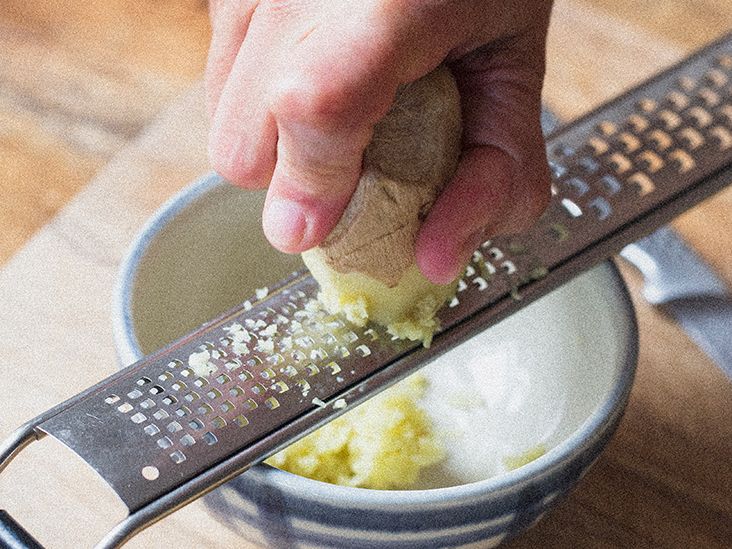
If ginger could melt belly fat just by showing up, every sushi plate would qualify as a gym membership. Sadly, that is not how biology works. But ginger does earn a place in the weight-loss conversation. Not because it is magic, but because it may support a few things that actually matter: digestion, appetite control, food satisfaction, and healthier routines.
That is the key distinction. Ginger is not a shortcut around balanced eating, movement, sleep, and consistency. It is more like the helpful friend who brings snacks to the road trip and reminds you not to text your ex. Useful? Yes. Capable of doing the whole job alone? Absolutely not.
If you are curious about using ginger for weight loss, the smartest approach is to understand what it can realistically do, what it cannot do, and how to add it to your diet without turning your kitchen into a spice-themed science experiment. Here is the practical, evidence-based version.
Can Ginger Actually Help With Weight Loss?
The honest answer is: possibly, but modestly. Human research suggests ginger may have a small supportive effect on body weight, appetite, body composition, digestion, and metabolic health. In plain English, ginger might help a little, especially when it is part of a broader healthy lifestyle. It is not the main event.
That matters because the internet loves turning “some evidence of a modest benefit” into “drink this before bed and watch your jeans surrender.” Real weight loss rarely works like that. Sustainable fat loss usually comes from a pattern: eating in a manageable calorie deficit, choosing high-fiber and protein-rich foods, staying active, and repeating that routine long enough for your body to get the memo.
So where does ginger fit? Think of it as a useful add-on. It may help make healthy meals more satisfying, reduce bloating for some people, and possibly influence hunger or calorie burn in small ways. That is helpful. It is just not heroic.
How Ginger May Support Weight Loss
1. It may help with appetite and fullness
Some research suggests ginger may support satiety, meaning you may feel a bit fuller after consuming it. That does not mean one mug of ginger tea will make you forget pizza exists. But small shifts in appetite can matter over time. When you feel more satisfied after meals, you may be less likely to go hunting through the pantry at 9:47 p.m. for “just one little crunchy thing,” which, as history shows, is rarely one little crunchy thing.
This is one reason ginger often shows up in discussions about weight management. The effect appears to be subtle, not dramatic, but subtle habits are how real progress usually happens anyway.
2. It may slightly increase the thermic effect of food
Another proposed mechanism is thermogenesis, or the energy your body uses to digest and process food. Some studies suggest ginger may slightly increase calorie burning after a meal. Before anyone starts calling ginger “nature’s treadmill,” keep expectations grounded. We are talking about a potential nudge, not a metabolic fireworks show.
Still, when combined with good nutrition habits, even a small edge can be useful. Weight loss is often less about one dramatic trick and more about stacking several small advantages that are easy to maintain.
3. It can support digestion and reduce bloating
This is where ginger has some of its strongest practical appeal. Ginger is well known for helping with nausea, upset stomach, bloating, and the movement of food through the digestive tract. For people who feel puffy, sluggish, or uncomfortable after meals, ginger may make eating feel easier and more comfortable.
Now, bloating relief is not the same thing as fat loss. Let us not confuse a flatter-feeling stomach after lunch with a medically significant body composition change. But comfort matters. When your digestion feels better, it is easier to stick with a healthy eating routine instead of chasing quick fixes.
4. It may support blood sugar and metabolic health
Early research also suggests ginger may play a role in glucose regulation and insulin sensitivity for some people. Better blood sugar control can support steadier energy levels and fewer hunger spikes, which may indirectly help weight management.
That said, ginger is not a replacement for medical care, diabetes treatment, or a well-built eating plan. It is a food with potential benefits, not a substitute for your doctor, your medications, or your common sense.
5. Its anti-inflammatory compounds may be part of the picture
Ginger contains compounds such as gingerol that are associated with anti-inflammatory activity. While inflammation is a complicated topic, a diet that includes flavorful whole foods, herbs, and spices can support overall health. Ginger works best here as part of a bigger pattern: meals built around vegetables, fruit, lean protein, beans, whole grains, nuts, seeds, and minimally processed foods.
In other words, ginger is not impressive because it is exotic. It is impressive because it makes healthy eating taste less like punishment.
Best Ways to Consume Ginger for Weight Loss
If your goal is weight management, the best form of ginger is usually the one that helps you build healthier habits without loading your day with extra sugar, excess calories, or unrealistic expectations.
Fresh ginger tea
Fresh ginger tea is one of the easiest and smartest options. Slice or grate fresh ginger, steep it in hot water, and drink it plain or with a squeeze of lemon. This gives you the flavor and potential digestive benefits without turning your beverage into dessert disguised as wellness.
It is especially useful after meals if you tend to feel heavy or bloated. It can also replace sugary drinks, which is a sneaky little win for anyone trying to cut calories without feeling deprived.
Fresh ginger in meals
Adding fresh ginger to stir-fries, soups, marinades, grain bowls, salad dressings, or roasted vegetables is one of the most sustainable ways to use it. Why? Because it improves flavor without requiring much sugar, butter, or creamy sauce to make food taste good.
This matters more than people think. When healthy meals are bland, your motivation often packs a suitcase and leaves. Ginger helps vegetables, chicken, tofu, seafood, beans, and broth-based dishes taste lively and satisfying.
Ground ginger in oatmeal, yogurt, and smoothies
Ground ginger is the low-maintenance cousin of fresh ginger. It is easy to keep in the pantry and simple to sprinkle into oatmeal, plain Greek yogurt, smoothies, chia pudding, or homemade sauces. It pairs especially well with cinnamon, apples, pears, pumpkin, and berries.
If you want a practical breakfast move, try plain oatmeal with fruit, cinnamon, and a pinch of ground ginger. That combination is far more weight-loss-friendly than a pastry the size of a throw pillow.
Ginger in soups and brothy meals
Ginger works beautifully in brothy soups, lentil dishes, and vegetable-based meals. These foods can be high in volume and satisfying while still being moderate in calories. In that setting, ginger is doing double duty: boosting flavor and supporting a meal structure that is actually compatible with fat loss.
Ginger shots: proceed with caution
Ginger shots sound dramatic, which is probably part of their marketing plan. But they are not automatically better than tea or food. Some are fine. Others are expensive little bottles of spice, fruit juice, and wishful thinking.
If a ginger shot contains a lot of added sugar, it may be working against your goals. If you love them and they fit your budget, okay. But do not assume “tiny” means “healthy” or “powerful.” Sometimes tiny just means “gone in three seconds and weirdly overpriced.”
What to Avoid if You Want Ginger to Help, Not Hurt
1. Sugary ginger drinks
Commercial ginger ale, sweet ginger beverages, and some ginger beers can be loaded with sugar. That is not ideal if you are trying to lose weight. In fact, some of these drinks contain so much sugar that any potential benefit from ginger gets buried under a pile of empty calories.
Homemade ginger tea beats soda-style ginger drinks almost every time.
2. Treating ginger like a supplement shortcut
Supplements are tempting because they seem efficient. Swallow a capsule, become a new person. But weight-loss supplements in general do not have a great track record, and “natural” does not always mean harmless or effective.
If you prefer ginger in food or tea, that is usually the simplest and safest route. Supplements may be reasonable in some situations, but they are not automatically better just because they come in a bottle with a leaf on the label.
3. Adding ginger to an otherwise chaotic diet
Ginger cannot rescue a routine built on oversized portions, sugary drinks, late-night grazing, and the firm belief that fries count as a vegetable because potatoes are plants. It works best when your overall eating pattern already makes sense.
A helpful question is: What habit is the ginger supporting? If the answer is “drinking more unsweetened tea,” “making vegetables taste better,” or “replacing a sugary snack with a higher-protein breakfast,” great. If the answer is “hoping the universe overlooks my four daily frappes,” then no.
Who Should Be Careful With Ginger?
For most people, culinary amounts of ginger are considered safe. But more is not always better. Ginger can cause heartburn, abdominal discomfort, diarrhea, and irritation of the mouth or throat in some people, especially in larger amounts or supplement form.
If you have acid reflux, ginger may bother you. If you take blood thinners or other medications, talk to a healthcare professional before using ginger supplements regularly. The same goes if you are pregnant, managing a chronic condition, or planning to use concentrated products instead of normal food amounts.
That is not fearmongering. That is just respecting the fact that “herbal” products can still interact with real human bodies in very real ways.
A Practical Way to Use Ginger for Weight Loss
If you want ginger to become part of a realistic weight-loss routine, keep it simple:
- Drink unsweetened ginger tea after meals or in place of sugary beverages.
- Add fresh or ground ginger to meals built around protein, vegetables, beans, and whole grains.
- Use ginger to make healthier foods more appealing, not to excuse less healthy choices.
- Start small and see how your stomach feels.
- Be consistent instead of extreme.
You do not need a detox. You do not need a seven-step moon ritual. You need a routine you can repeat on ordinary Tuesdays.
Real-World Experiences With Ginger and Weight Loss
One of the most common experiences people describe when they start using ginger regularly is not dramatic fat loss. It is something quieter: they feel less bloated, less snacky, and more comfortable after meals. That may sound unglamorous, but in real life, that can be a big deal. When your stomach feels calmer, you are less tempted to skip meals all day and then overeat at night. When a hot ginger tea becomes your evening ritual, you may be less likely to reach for soda, fancy coffee drinks, or random dessert just because you want “something.”
Another common experience is that ginger makes healthier food feel less boring. A plain chicken-and-broccoli meal is not always thrilling. Add garlic, ginger, sesame, citrus, and scallions, and suddenly it tastes like a meal you chose on purpose. That matters for weight loss because flavor helps with consistency. The longer you can stick to a satisfying routine, the better your odds of seeing progress.
Some people also notice that ginger works best when it becomes part of a structured pattern. For example, they have ginger tea after lunch, add fresh ginger to dinner, and keep breakfast high in protein and fiber. In that setting, ginger feels useful because it is attached to habits that already support fat loss. On the other hand, people who expect ginger alone to “speed up metabolism” often end up disappointed. The scale does not usually care that you drank something spicy if the rest of the day was a buffet of liquid calories and oversized takeout.
There are also people who try ginger and quickly realize it is not for them. Some get heartburn. Some do not enjoy the taste. Some discover that ginger shots are easier to buy than to love. That is okay. No single food needs to become your personality. If ginger helps, great. If it makes your chest feel like a tiny dragon moved in, skip it and move on.
Many successful weight-loss routines involve little anchors, not miracles. Ginger often works best as one of those anchors: a flavor boost that helps you cook more, sip fewer sugary drinks, and feel more satisfied with simple meals. That is not flashy enough for social media, but it is exactly the kind of boring, repeatable behavior that actually leads to results.
Perhaps the most realistic experience of all is this: progress with ginger tends to feel indirect. People do not usually say, “Ginger changed my life overnight.” They say, “I started drinking ginger tea instead of sweet drinks,” or “Ginger made my meals taste better,” or “I felt less bloated, so it was easier to stay on track.” That is the real lesson. Ginger can support the process, but the process still matters most.
Final Verdict
Ginger can be a smart addition to a weight-loss plan, but it is not a standalone fat-burning fix. Its biggest strengths are practical: it may help with satiety, digestion, bloating, and healthy meal satisfaction. It may also offer modest metabolic support. But the real power comes from how it fits into a bigger picture of balanced eating and consistent habits.
So yes, use the ginger. Brew it, grate it, stir it, sprinkle it. Just do not ask it to do the entire job while the rest of your routine is off buying donuts. Weight loss is still about sustainable habits. Ginger simply makes those habits taste better.












