
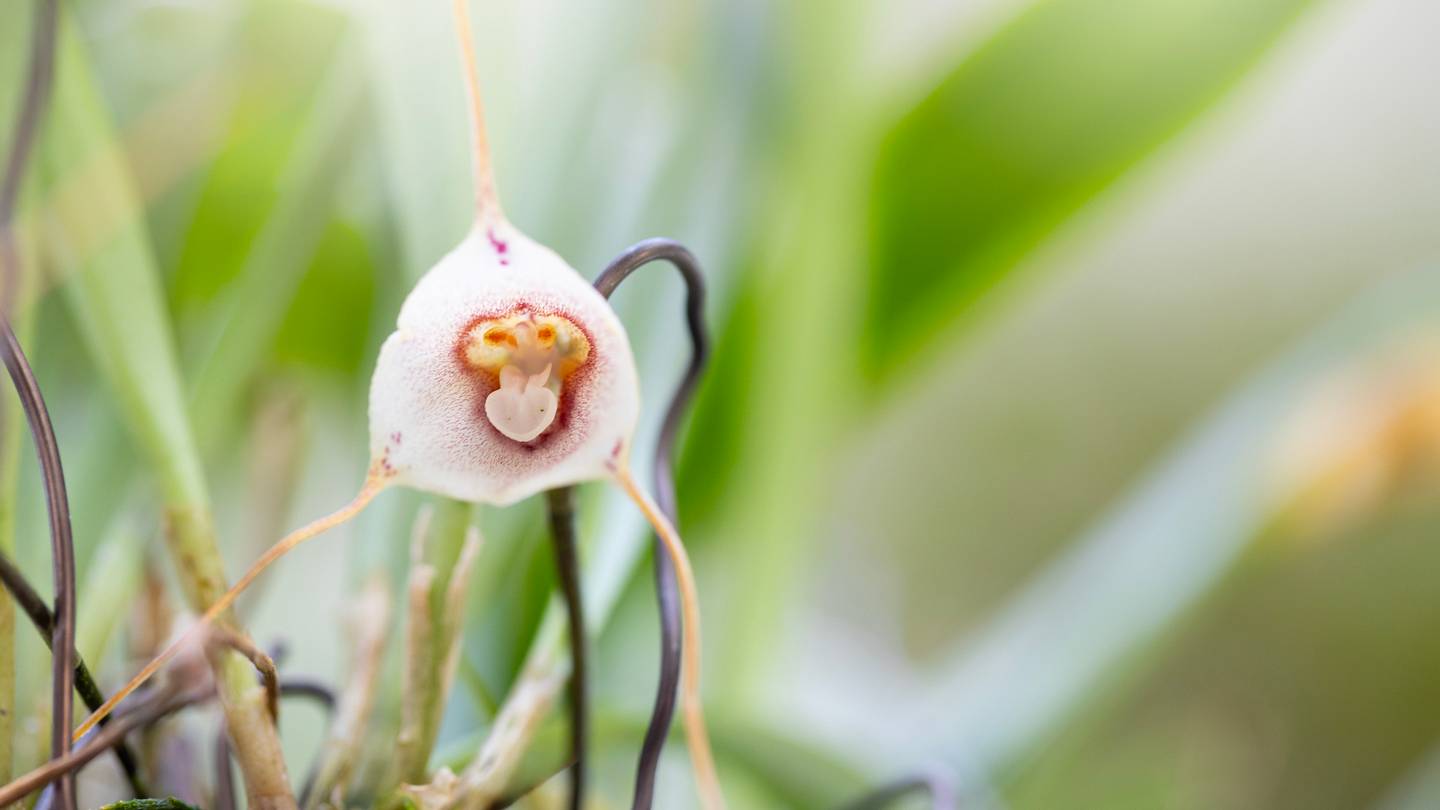
Some flowers are elegant. Some are fragrant. Some politely sit in a vase and behave. Then there are monkey face “Dracula” orchids, which look like tiny primates peeking out of a foggy forest with the dramatic energy of a gothic theater kid. These rare orchids have become internet celebrities because their blooms can resemble little monkey faces, complete with expressive “eyes,” a nose-like center, and long, fang-like sepals.
But behind the viral charm is a serious conservation story. Many Dracula orchids live in cool, wet Andean cloud forests, especially in Ecuador and Colombia, where mist, moss, shade, and stable humidity create the exact conditions these plants need. That narrow comfort zone is also their weakness. When forests are cleared, roads are cut into mountainsides, mines expand, or collectors remove plants from the wild, these orchids do not simply pack a suitcase and move next door. They often disappear.
The phrase “Monkey Face ‘Dracula’ Orchids Are Under Threat” may sound like the headline of a botanical Halloween special, but it points to a real issue: charismatic plants can become famous online faster than they can be protected in the wild. And for orchids with tiny ranges, fragile habitats, and very specific ecological needs, fame can be both a spotlight and a danger signal.
What Are Monkey Face ‘Dracula’ Orchids?
“Monkey face orchid” is a popular nickname applied to several species in the genus Dracula, especially Dracula simia. The name Dracula does not mean the plant drinks blood, which is comforting for anyone watering houseplants at midnight. It comes from Latin and is often translated as “little dragon,” a reference to the long, pointed sepals that give many species a dramatic, almost mythical appearance.
Dracula simia is an accepted orchid species known from southeastern Ecuador. It is an epiphyte, meaning it grows on trees rather than in ordinary garden soil. Epiphytes are not parasites; they use trees as a place to live, while drawing moisture and nutrients from air, rain, organic debris, and their surrounding microhabitat.
The monkey-like look comes from the arrangement of the flower’s central structures. The petals, lip, and column can create a face-like pattern that humans instantly recognize. This is a classic case of pareidolia, the brain’s habit of seeing faces in clouds, toast, electrical outlets, and apparently orchids with excellent comic timing.
Why These Orchids Are So Special
Dracula orchids are not your average windowsill bloom. They are cloud forest specialists. Many grow in cool, high-elevation forests where mist constantly moves through the trees. These places are damp, shaded, and alive with mosses, fungi, insects, birds, amphibians, and other orchids. In other words, Dracula orchids do not just need “a forest.” They need a very particular forest mood: cool, humid, filtered light, clean air, and steady moisture.
Some Dracula species produce flowers that hang downward from baskets or mossy surfaces, an unusual growth habit that makes sense in the wild, where flowers may emerge from plants clinging to trunks, branches, or steep slopes. Their shapes are also closely tied to pollination. Some species mimic fungi or fungus-like scents to attract tiny flies. To us, they may look like monkey faces; to their pollinators, they may signal a completely different message.
Why Monkey Face Dracula Orchids Are Under Threat
The biggest problem is habitat loss. The cloud forests where many Dracula orchids grow are being fragmented by agriculture, road building, mining, cattle pasture, and development. Once a forest is broken into smaller pieces, the damage is not only about fewer trees. The entire microclimate changes. Sunlight reaches places that used to stay shaded. Wind dries out mossy trunks. Temperatures fluctuate. Humidity drops. For a plant that evolved in stable mist, that is not a small inconvenience; it is a survival crisis.
1. Cloud Forests Are Shrinking
Andean cloud forests are biodiversity treasure chests, but they are also under pressure. Farms, roads, and extractive industries often move into the same mountain regions where rare orchids occur. When land is cleared, an orchid species with only a few known populations can lose a major share of its habitat almost overnight.
Many Dracula orchids are narrow endemics, meaning they occur in limited geographic areas. Some are known from only one or two locations. That makes them especially vulnerable. A widespread plant may survive local damage because other populations exist elsewhere. A hyper-local orchid may not get that luxury.
2. Illegal and Unsustainable Collection Adds Pressure
Orchids have been collected, traded, admired, and sometimes obsessed over for centuries. Responsible growers and conservation-minded nurseries can play a positive role by propagating plants legally and reducing pressure on wild populations. The problem begins when rare plants are taken directly from the forest to satisfy demand.
With Dracula orchids, even small-scale collecting can be harmful if the wild population is tiny. Removing a few mature plants might sound minor, but if a species exists in only a small patch of forest, that “few” can represent a large percentage of the known population. Add online marketplaces, viral photos, and the thrill of owning something rare, and the risk increases.
3. Climate Change Is Moving the Goalposts
Cloud forest orchids depend on temperature and moisture patterns that are already delicate. As climate conditions shift, the cloud layer itself can change. Warmer temperatures may push suitable conditions upslope, but mountains are not endless escalators. At some point, there is simply no higher, wetter, cooler place to go.
Climate stress can also interact with other threats. A forest fragment that might have supported orchids in the past may become too warm or dry after surrounding trees are cleared. Drought, heat waves, and altered rainfall patterns can weaken plants, reduce flowering, disrupt pollination, and make recovery harder.
The New Conservation Wake-Up Call
Recent global assessment work on Dracula orchids has made the warning much clearer. For a long time, many species in the genus had not been formally evaluated for extinction risk. That meant conservationists knew there was trouble, but the full picture was blurry. Newer assessments using herbarium records, field data, forest mapping, and local botanical expertise show that a large share of known Dracula orchid species are threatened with extinction.
This matters because formal conservation assessments help move a plant from “cool thing people share online” to “species with documented risk and conservation priority.” That shift can influence protected areas, funding, research, legal controls, habitat restoration, and public awareness.
Reserva Drácula: A Real-World Example of Hope
One of the most encouraging conservation stories is Reserva Drácula in northwestern Ecuador. The reserve protects cloud forest habitat known for extraordinary orchid diversity, including Dracula species and many other rare plants and animals. It is not just a pretty patch of forest with a spooky name. It is a practical conservation tool.
Protected areas like this matter because Dracula orchids cannot be saved by protecting individual flowers alone. They need whole living systems: trees, mosses, fungi, insects, clean water, shade, and stable humidity. A reserve can protect the web of life around the orchid, not merely the orchid as an isolated botanical celebrity.
However, reserves also need long-term support. Boundaries on a map do not automatically stop illegal mining, road expansion, plant theft, or economic pressure on local communities. Successful orchid conservation often depends on partnerships with local people, sustainable livelihoods, ecological monitoring, scientific research, and education.
Why Plant Conservation Needs Better Publicity
Animals tend to dominate conservation campaigns. Tigers, pandas, sea turtles, and elephants get the posters, plush toys, and emotional documentary music. Plants often get treated like background scenery, even though they build the habitats that animals depend on. Monkey face orchids are a rare exception because they have natural charisma. They are photogenic, weird, memorable, and just funny enough to stop a scrolling thumb.
That attention can be powerful. If people are going to share photos of Dracula orchids, those posts should also explain where the plants come from, why wild collection is harmful, and how protected cloud forests help them survive. A viral orchid photo without context may increase demand. A viral orchid photo with conservation context can create support.
What Responsible Orchid Lovers Can Do
Orchid enthusiasts are not the enemy. In fact, responsible growers, botanical gardens, researchers, and hobby societies can be among the strongest allies for orchid conservation. The key is making sure love for rare plants does not accidentally become pressure on wild populations.
Buy Only Legally Propagated Plants
Anyone interested in growing Dracula orchids should buy only from reputable nurseries that clearly sell legally propagated plants. Avoid vague listings, suspiciously cheap “wild” plants, or sellers who cannot explain the plant’s origin. A good rule: if the sales pitch sounds like a treasure map, step away from the checkout button.
Support Botanical Gardens and Conservation Groups
Public gardens and conservation organizations preserve living collections, seed banks, genetic resources, and research knowledge. Some participate in plant rescue programs for confiscated CITES-listed plants. Others study orchid fungi, propagation, and habitat restoration. Supporting these institutions helps turn admiration into action.
Share the Story, Not Just the Selfie
When posting about monkey face orchids, include a conservation note. Mention that many Dracula orchids are threatened by habitat loss and collection. Encourage people to admire them through ethical sources, botanical gardens, conservation programs, and legally propagated plants. The internet helped make these orchids famous; it can also help make them safer.
Experiences Related to Monkey Face ‘Dracula’ Orchids Are Under Threat
For many people, the first experience with a monkey face orchid happens online. You are scrolling through ordinary photos, recipes, travel tips, and someone’s dog wearing sunglasses, and suddenly there it is: a flower that appears to be making eye contact. The first reaction is usually disbelief. Is it real? Is it edited? Is a tiny monkey trapped in a blossom and judging your life choices? That moment of surprise is exactly why these orchids are so effective as conservation ambassadors.
The next experience often comes at a botanical garden or orchid show, where visitors learn that unusual orchids are not fantasy props. They are living organisms with demanding needs. A Dracula orchid display may look effortless, but behind it is careful control of shade, moisture, airflow, and temperature. Growers often use baskets, moss, purified water, fogging systems, and cool growing areas to imitate cloud forest conditions. In that setting, visitors quickly understand that these plants are not decorations that can survive anywhere. They are specialists.
Talking with orchid growers adds another layer. Experienced growers often describe Dracula orchids as rewarding but not forgiving. They dislike drying out, resent hot stagnant air, and prefer humidity levels that would make a bathroom mirror surrender immediately. This teaches a useful conservation lesson: if they are demanding in a greenhouse, imagine how vulnerable they are when their natural cloud forest is cut, warmed, or dried.
There is also an emotional experience in realizing that beauty can create danger. A rare orchid becomes famous because people love it, but that same fame can encourage over-collection. This is the awkward paradox of plant admiration. The more people want a rare species, the more important it becomes to separate ethical appreciation from harmful possession. Loving a plant should not mean removing it from the only forest where it knows how to live.
For students, gardeners, travelers, and nature writers, monkey face orchids are a gateway into bigger questions. What makes a habitat irreplaceable? Why do some species live only in tiny areas? How does a flower depend on fungi, insects, trees, and mist? Why do plants receive less attention than animals, even when they are equally threatened? These questions turn a funny-looking orchid into a serious science lesson.
The most powerful experience may be the shift from amusement to responsibility. At first, the monkey face orchid is simply delightful. Then it becomes rare. Then it becomes threatened. Finally, it becomes a symbol of how much life is hidden in cloud forests most people will never visit. That journey matters. Conservation often begins with fascination, but it succeeds only when fascination grows into respect, restraint, and action.
Conclusion: Saving the Faces in the Forest
Monkey face Dracula orchids prove that plants can be just as charismatic as animals. They are strange, expressive, delicate, and biologically fascinating. But they are also under threat from habitat destruction, climate stress, and unsustainable collection. Their future depends on protecting cloud forests, supporting ethical cultivation, strengthening conservation science, and helping the public understand that rare plants are not collectibles from a fantasy shop.
If these orchids become icons for plant conservation, their odd little faces may do more than charm the internet. They may help protect the misty forests that gave them life. And that would be a plot twist worthy of the name Dracula: not a horror story, but a rescue story.












