
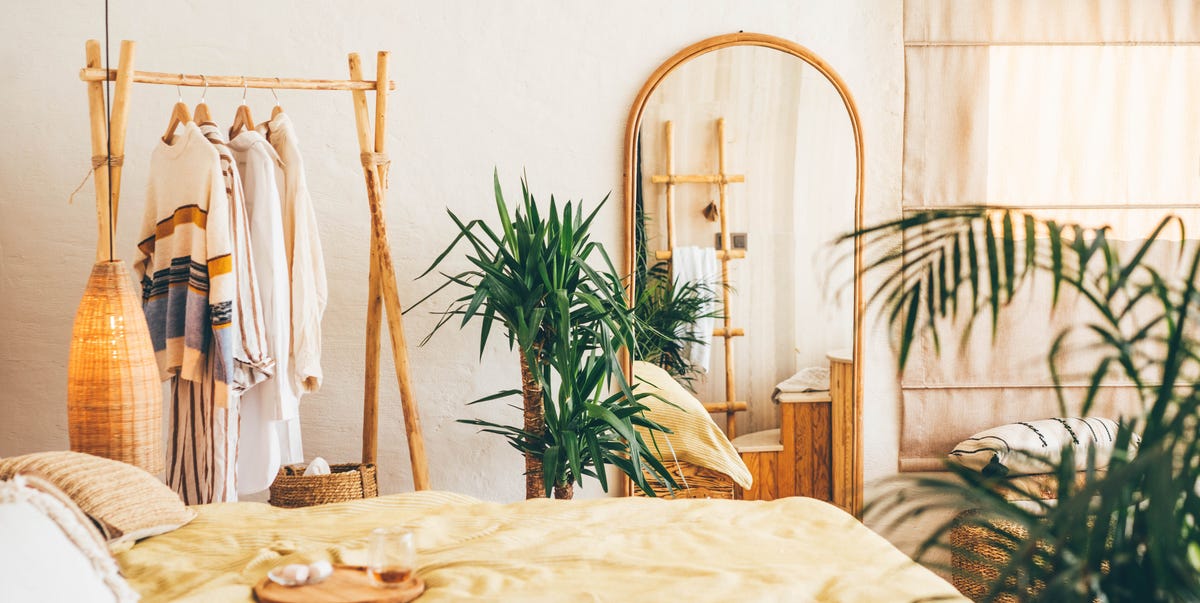
A small bedroom has a special talent: it can look tidy at 8 a.m. and resemble a laundry avalanche by 8:07. The bed takes center stage, the closet acts like it has personal boundaries, and the floor somehow becomes a filing cabinet for shoes, books, chargers, and that one hoodie you keep “almost putting away.”
The good news? You do not need a bigger bedroom to get better storage. You need smarter zones, furniture that earns its rent, and a few vertical tricks that make the walls stop freeloading. These storage ideas for small bedrooms are practical, stylish, and realistic for renters, homeowners, students, apartment dwellers, and anyone whose room is currently being held hostage by “just a few things.”
Below are 15 brilliant small bedroom storage ideas that help maximize space without making your bedroom feel like a warehouse with pillows.
1. Choose a Bed With Built-In Storage
In a small bedroom, the bed is usually the biggest piece of furniture, so it should do more than simply sit there looking cozy. A storage bed with drawers, lift-up compartments, or built-in cubbies can hold extra sheets, out-of-season clothes, shoes, blankets, or sentimental items you are not ready to part with but also do not need staring at you from a chair.
Drawer beds work especially well when you have enough clearance on either side. Lift-up beds are ideal when the room is narrow because the mattress rises instead of requiring drawer space. For a polished look, use fabric bins or labeled bags inside the storage compartment so it does not become the bedroom equivalent of a junk drawer.
2. Use Under-Bed Storage Like a Pro
If buying a new bed is not in the plan, the space under your current bed is still prime real estate. Low rolling bins, zippered fabric bags, wooden drawers, or slim plastic containers can turn this forgotten zone into a hardworking storage area.
The trick is to store things by category. Keep winter sweaters in one container, extra bedding in another, and shoes in a separate organizer. Avoid mixing random items together unless you enjoy playing “archaeologist” every time you need a scarf. Clear bins are useful because you can see what is inside, while matching woven boxes look cleaner if the under-bed area is visible.
3. Install Floating Shelves Beside the Bed
Traditional nightstands can be bulky, especially when every inch counts. Floating shelves give you bedside storage without stealing floor space. Mount one or two shelves next to the bed for a lamp, phone, book, glasses, and a tiny dish for jewelry or earbuds.
For extra function, choose shelves with small drawers or install a narrow ledge with hooks underneath. This is one of the easiest small bedroom organization ideas because it clears the floor while keeping essentials close. Plus, floating shelves make the room feel lighter, which is design-speak for “less cramped and less likely to make you sigh.”
4. Go Vertical With Tall Shelving
Small bedrooms often have limited floor space but plenty of unused wall space. A tall, narrow bookcase can hold folded clothes, baskets, books, accessories, and decor without spreading across the room. Look for slim shelving that reaches upward rather than wide pieces that dominate the wall.
To keep it from looking messy, use a simple formula: closed storage on the lower shelves, attractive items at eye level, and lighter decor near the top. Baskets hide clutter, while open shelves can display books, plants, or framed photos. The result is storage that feels intentional, not like you panic-bought bins at midnight.
5. Add Storage Above the Headboard
The wall above the bed is often blank, but it can become one of the smartest storage spots in the room. A long floating shelf, a shallow cabinet, or a built-in ledge can hold books, framed art, small baskets, or decorative boxes.
Safety matters here. Keep heavy items off shelves above your head and make sure anything mounted to the wall is properly secured. This area works best for light objects, nighttime reading, and pretty storage containers. Think “boutique hotel,” not “things that may personally attack me during an earthquake.”
6. Use the Back of the Door
The back of your bedroom door is an underrated storage hero. Over-the-door organizers can hold shoes, accessories, scarves, beauty products, cleaning supplies, small bags, or rolled-up leggings. Hooks can handle robes, hats, belts, and tomorrow’s outfit.
This idea is especially useful in rooms with tiny closets or no closets at all. If you want a cleaner look, choose a fabric organizer in a neutral color instead of clear plastic pockets. For a more polished style, use an over-the-door rack with metal hooks and keep only your most-used items there.
7. Replace a Standard Nightstand With a Storage Cart
A slim rolling cart can work as a flexible nightstand, beauty station, book holder, or snack command center. The best part is mobility. You can roll it beside the bed at night, move it near a mirror in the morning, or tuck it into a closet when you need extra floor space.
Use small containers on each tier to avoid visual chaos. Put sleep essentials on top, books or electronics in the middle, and extra supplies on the bottom. A rolling cart is perfect for renters because it adds storage without drilling holes or committing to permanent furniture.
8. Try a Storage Bench at the Foot of the Bed
If your room has enough space at the foot of the bed, a storage bench can add seating and hidden storage in one move. Use it for extra blankets, seasonal bedding, workout gear, or bags. It also gives you a place to sit while putting on shoes, which is much classier than hopping around like a flamingo in distress.
Choose a bench with a lift-up lid or drawers. Upholstered benches soften the room and make it feel cozy, while wooden benches can add structure and warmth. Measure carefully before buying; a bench should leave enough walking room so your bedroom does not become an obstacle course.
9. Use Drawer Dividers for Clothes and Accessories
Drawer space disappears quickly when everything is tossed in like a salad. Drawer dividers create smaller sections for socks, underwear, T-shirts, workout clothes, pajamas, jewelry, and accessories. This makes it easier to find what you need and prevents drawers from becoming fabric soup.
For small bedrooms, folding methods matter too. File-folding T-shirts and pants lets you see each item from above instead of digging through stacks. Use adjustable dividers for changing needs, and reserve one small drawer or tray for everyday items like watches, lip balm, chargers, and hair ties.
10. Build a Closet System That Fits Your Real Life
A small closet becomes more useful when it is planned around what you actually own. If you have lots of short-hanging clothes, add a second hanging rod. If you fold more than you hang, add shelves or drawers. If shoes are the problem, use stackable racks or cubbies.
The biggest mistake is treating every closet like it should work the same way. A good closet system does not need to be expensive; it just needs zones. Create sections for hanging clothes, folded items, shoes, accessories, and seasonal storage. Matching hangers also help reduce visual clutter and can free up a surprising amount of space.
11. Use Wall Hooks for Everyday Items
Hooks are small, cheap, and wildly useful. Install them on walls, inside closets, beside a dresser, or behind the door. Use them for hats, bags, necklaces, belts, robes, headphones, or the outfit you plan to wear tomorrow.
Wall hooks prevent “chair clutter,” which is the scientific term for clothing that is not clean enough for the closet but not dirty enough for the hamper. A row of hooks gives these in-between items a place to land without swallowing your furniture whole.
12. Pick Furniture With Hidden Compartments
When shopping for small bedroom furniture, look for pieces that include hidden storage. A headboard with shelves, an ottoman with a lid, a mirror cabinet, a desk with drawers, or a narrow dresser with deep compartments can reduce the number of separate pieces you need.
This is one of the best space-saving bedroom ideas because it keeps the room functional without crowding it. The goal is not to own more furniture; it is to make each piece work harder. If a piece of furniture only does one job, it better be very charming or very cheap.
13. Add a Shelf Over the Doorway
The space above a bedroom door is easy to overlook, but it can hold a shallow shelf for items you do not need daily. Store extra bedding, keepsake boxes, seasonal accessories, or small labeled bins there.
This trick works best when the shelf blends with the wall color or trim so it does not feel heavy. Keep the items neat and lightweight. A shelf above the doorway is not where you store dumbbells, family heirlooms, or anything that could turn a peaceful morning into a slapstick scene.
14. Use Baskets to Create Visual Calm
Baskets are not magic, but they are close. They turn loose items into tidy collections and make open shelves look styled instead of chaotic. Use baskets for scarves, tech cords, extra toiletries, socks, craft supplies, or small accessories.
For the best result, choose baskets in similar colors or materials. Too many mismatched bins can make a small room feel busier. Label the baskets if they are stored high or tucked away. The label does not need to be fancy; it just needs to save you from opening five boxes to find one phone charger.
15. Declutter Before You Add More Storage
This may sound unfair, but the first rule of small bedroom storage is simple: do not organize things you no longer need. Before buying bins, shelves, or furniture, take everything out and sort it. Keep what you use, love, or genuinely need. Donate, sell, recycle, or toss what no longer belongs.
Storage works best when it supports your lifestyle, not when it hides every delayed decision. A small bedroom can feel bigger almost instantly when surfaces are clear, the floor is visible, and every item has a reasonable home. Decluttering is not about owning nothing. It is about not letting your room become a museum of past intentions.
Extra Small Bedroom Storage Tips That Make a Big Difference
Use Light Colors and Clear Surfaces
Storage is not only about where things go. It is also about how the room feels. Light colors, simple bedding, and clear surfaces can make a small bedroom look more open. When dressers, nightstands, and shelves are overloaded, even a well-organized room can feel cramped.
Group Items by Routine
Store items where you use them. Keep reading materials near the bed, accessories near the mirror, shoes near the closet, and laundry near the hamper. This reduces daily friction and makes tidying up much easier.
Think in Zones, Not Piles
A small bedroom needs zones: sleep zone, clothing zone, grooming zone, work zone, and storage zone. Even if these zones are tiny, naming them helps you decide what belongs where. When everything has a job and a place, the room starts behaving itself.
Personal Experience: What Actually Works in a Small Bedroom
After living with small bedrooms, helping friends reorganize awkward rooms, and learning the hard way that “temporary piles” are just clutter wearing a fake mustache, I have found that the best storage ideas are rarely the most complicated. The winners are the ones you can maintain when life gets busy.
For example, under-bed storage sounds obvious, but it only works when the containers are easy to pull out. I once used soft bags that looked great online but collapsed every time I tried to slide them under the bed. The result was not organization; it was wrestling. Rolling bins solved the problem immediately because they were easy to access, and easy access is the secret ingredient in every storage system.
Another lesson: open shelving needs discipline. A few shelves can make a small bedroom beautiful, but if every shelf becomes a parking lot for receipts, mugs, and mystery cables, the room feels messier than before. The best approach is to mix open and closed storage. Display a few attractive items, then hide the rest in baskets or boxes. Your future self will thank you, probably while holding coffee.
Hooks have also saved more bedrooms than people realize. A simple row of hooks can replace the famous clothing chair. You know the chair. Every small bedroom has one, even if it started life as a respectable piece of furniture. Hooks give worn-once clothes, bags, robes, and hats a temporary home. The important word is temporary. If the hooks become overloaded, schedule a weekly reset.
Closet systems are another game changer, but they do not have to be custom or expensive. The biggest upgrade is often adding a second hanging rod or shelf dividers. Many closets waste vertical space because one rod sits in the middle like it is the mayor. Add another rod, stack bins above, put shoes below, and suddenly the closet has a personality transplant.
My favorite small-bedroom habit is the five-minute evening reset. Before bed, put clothes in the hamper, return cups to the kitchen, clear the nightstand, and place tomorrow’s outfit on a hook or shelf. It sounds tiny because it is tiny. That is why it works. Small bedrooms do not forgive chaos, but they respond beautifully to quick routines.
The biggest experience-based tip is this: do not buy storage until you know what problem you are solving. Buying random bins feels productive, but it can create more clutter if the bins do not fit your space or your habits. Measure first. Sort first. Decide what needs a home first. Then buy the solution.
A small bedroom can be stylish, peaceful, and surprisingly functional. You do not need a massive walk-in closet or a furniture budget that requires emotional support. You need smart storage, honest decluttering, and systems that match your daily routine. When the room finally works, it feels less like a tight space and more like a cozy retreat that has learned manners.
Conclusion
The best storage ideas for small bedrooms combine creativity with common sense. Use the bed, walls, doors, closet, and overlooked corners. Choose multiuse furniture, add shelves where they make sense, and rely on baskets, hooks, dividers, and under-bed containers to keep clutter under control.
Most importantly, remember that storage is not about hiding everything you own. It is about creating a bedroom that feels restful, easy to use, and pleasant to wake up in. A small room can still have big style, big function, and enough floor space to walk across without stepping on a sneaker. Luxury, truly.












