
Japanese maple trees are the garden’s quiet overachievers. They do not shout for attention like a neon annual or demand a weekly haircut like a fussy hedge. Instead, they stand there with delicate leaves, graceful branching, and the kind of seasonal color that makes neighbors slow down and pretend they are “just checking the mailbox.” But even a naturally elegant tree sometimes needs a little help. That is where pruning comes in.
The best way to prune Japanese maple trees is not to attack them with clippers like you are late for a topiary contest. The goal is to reveal their natural shape, improve airflow, remove problem branches, and keep the tree healthy without making it look like it lost an argument with a lawn crew. Japanese maples, especially Acer palmatum varieties, are slow-growing ornamental trees. Heavy pruning can take years to correct, so the golden rule is simple: prune less than you think you should.
This guide explains when to prune Japanese maple trees, which branches to remove, what tools to use, and how to shape upright and weeping forms without ruining their character. Whether your tree is a young sapling, a mature specimen, or a laceleaf maple that looks like a tiny red waterfall, the right pruning approach can keep it beautiful for decades.
Why Japanese Maple Trees Need Careful Pruning
Japanese maples are prized for their structure as much as their foliage. Their branches often grow in layered, flowing patterns that look almost sculptural. Good pruning does not create that beauty from scratch; it simply uncovers what the tree is already trying to do.
The main reasons to prune a Japanese maple include removing dead, damaged, or diseased branches; eliminating crossing limbs; improving air circulation; reducing crowded growth; and gently guiding the tree’s shape. Pruning can also help expose the trunk and major branches, which is especially important because the bark and branch architecture are part of the tree’s winter appeal.
What pruning should not do is force a Japanese maple into a rigid ball, cone, cube, or any other shape better suited for a shrub with a more forgiving personality. Japanese maples are not green modeling clay. Their charm comes from asymmetry, softness, movement, and negative space.
When Is the Best Time to Prune Japanese Maple Trees?
The best time for major Japanese maple pruning is late winter to very early spring, while the tree is dormant and before strong new growth begins. At this time, the leaves are gone, so you can clearly see the branch structure. It is much easier to spot crossing limbs, awkward angles, dead wood, and congested areas when the tree is not wearing its leafy party dress.
Late winter pruning also gives the tree a chance to begin sealing wounds as spring growth starts. However, timing can vary slightly by climate. In colder regions, wait until the harshest freezes have passed. In warmer regions, pruning can often happen earlier in winter. The main idea is to avoid pruning during severe cold, extreme heat, or periods when the tree is actively stressed.
Can You Prune Japanese Maples in Summer?
Yes, light summer pruning can be useful, especially after the leaves have fully expanded and hardened. Summer is a good time to make small adjustments because you can see the density of the canopy. If one branch is shading the interior too heavily or a cluster of twigs is making the tree look congested, selective thinning can help.
Summer pruning should be gentle. Remove small branches, dead twigs, and minor crossing growth. Do not perform a dramatic makeover in July unless your goal is to stress the tree and give yourself something to regret during breakfast.
When Should You Avoid Pruning?
Avoid heavy pruning in fall. Cutting too much at that time can encourage tender new growth that may be damaged by winter weather. Also avoid pruning during drought, heat waves, or when the tree is already struggling from transplant shock, leaf scorch, root damage, or disease.
Some maples may “bleed” sap after pruning, especially when cuts are made close to spring. This can look alarming, but light sap flow is usually not fatal. Still, proper timing helps reduce bleeding and keeps pruning less stressful for the tree.
Tools You Need for Pruning Japanese Maple Trees
Good pruning begins with good tools. A clean cut heals better than a ragged tear, just as a sharp chef’s knife works better than a butter knife when slicing tomatoes. For Japanese maples, you usually need only a few basic tools.
- Bypass hand pruners: Best for small twigs and branches under about half an inch thick.
- Loppers: Useful for medium branches that are too thick for hand pruners.
- Pruning saw: Necessary for larger limbs, especially on mature trees.
- Disinfectant: Rubbing alcohol or a household disinfectant can be used to clean blades between cuts, especially when removing diseased wood.
- Gloves and eye protection: Not glamorous, but neither is getting poked in the face by a twig.
Keep blades sharp. Dull tools crush stems instead of cutting them cleanly. Also, avoid hedge shears for Japanese maples. Shearing creates a dense outer shell and destroys the natural branching pattern. It is the pruning equivalent of giving a fine violin a spray-paint makeover.
How to Prune Japanese Maple Trees Step by Step
Step 1: Study the Tree Before Making Any Cuts
Before you cut anything, walk around the tree slowly. Look at it from several angles. Step back. Squint if you must. The point is to understand the tree’s natural form before removing branches. Japanese maple pruning is more like editing a good paragraph than rewriting the whole book.
Notice the main trunk or trunks, the direction of the primary branches, and any areas that look too dense. Identify branches that are obviously dead, broken, crossing, rubbing, growing inward, or shooting straight up in a way that disrupts the tree’s shape.
Step 2: Remove Dead, Damaged, or Diseased Wood First
Start with the easy decisions. Dead branches are usually dry, brittle, and may have no buds or leaves during the growing season. Damaged branches may be cracked, split, or hanging awkwardly. Diseased wood may show cankers, discoloration, or unusual dieback.
Cut dead wood back to healthy tissue or remove the entire branch if needed. If disease is suspected, clean your tools between cuts. This is not the time to let your pruners become tiny disease delivery vehicles.
Step 3: Remove Crossing and Rubbing Branches
Branches that cross or rub can create wounds in the bark. Over time, those wounds may invite decay, pests, or disease. Choose the better-positioned branch and remove the weaker, damaged, or less attractive one.
When deciding which branch to keep, look for the one that fits the tree’s natural direction. A branch that grows outward and slightly upward is often better than one that dives toward the trunk or cuts through the center of the canopy.
Step 4: Thin Crowded Areas, But Keep the Layers
Japanese maples look best when light can move through the canopy. This does not mean the tree should look bare. It means you should be able to see layers, small openings, and graceful structure.
Remove small interior branches that grow straight up, straight down, or back toward the trunk. Thin clusters of twiggy growth where too many shoots compete for the same space. The result should be airy, not skeletal. If your tree starts looking like an umbrella frame, you have gone too far.
Step 5: Make Proper Cuts Outside the Branch Collar
The branch collar is the slightly swollen area where a branch joins the trunk or a larger limb. This area contains tissues that help the tree seal the wound. When pruning, cut just outside the branch collar. Do not leave a long stub, and do not cut flush against the trunk.
A stub can die back and rot. A flush cut removes protective tissue and can lead to decay spreading into the trunk. The best cut is close enough to remove the branch cleanly but far enough to preserve the collar. Think of it as polite pruning: close, but not rude.
Step 6: Use the Three-Cut Method for Larger Branches
For branches large enough to tear bark as they fall, use the three-cut method. First, make an undercut a short distance away from the trunk. Second, make a top cut farther out on the branch to remove most of the weight. Third, make the final clean cut just outside the branch collar.
This method prevents the bark from ripping down the trunk. It is especially important on Japanese maples because their bark can be thin and easily damaged.
How Much Can You Prune at One Time?
With Japanese maple trees, restraint is your best friend. As a general guideline, avoid removing more than about one-quarter of the live canopy in a single year. Many trees need far less than that. For mature Japanese maples, a few careful cuts can make a dramatic difference.
If the tree needs major correction, spread the work over two or three seasons. This gives the tree time to respond without being shocked. It also gives you time to reassess. Sometimes, after a few branches are removed, the tree suddenly looks balanced and no further pruning is necessary.
Pruning Upright Japanese Maples
Upright Japanese maples often have a vase-like or rounded form. The goal is to maintain strong structure while preserving graceful branching. Begin by removing dead, crossing, or inward-growing branches. Then look for crowded areas where small branches compete with larger scaffold limbs.
Do not remove too many lower branches from a young upright maple. Lower limbs help shade the trunk and support healthy development. If clearance is needed near a walkway or patio, raise the canopy gradually over several years rather than stripping the trunk all at once.
Pruning Weeping or Laceleaf Japanese Maples
Weeping Japanese maples, often called laceleaf maples, have a cascading habit. Their branches can form beautiful layers, but they can also become dense and tangled. The trick is to lift and separate the layers without turning the tree into a mushroom with a haircut.
Start underneath the canopy. Remove dead twigs, branches that grow straight down to the ground, and interior shoots that clutter the structure. Then thin selectively to reveal the main limbs. A well-pruned laceleaf maple should look like a series of flowing shelves or waves, not a solid red or green helmet.
Common Japanese Maple Pruning Mistakes
Mistake 1: Topping the Tree
Topping means cutting back the upper branches harshly to reduce height. This is one of the worst things you can do to a Japanese maple. It destroys the natural form, encourages weak regrowth, and leaves large wounds that may not heal well.
Mistake 2: Shearing the Canopy
Japanese maples should be selectively pruned, not sheared. Shearing creates a tight outer layer of growth and blocks light from reaching the interior. Over time, the inside of the tree can become bare and unhealthy.
Mistake 3: Removing Too Many Interior Branches
While thinning is helpful, over-thinning can make the tree look unnatural. Interior branches create depth and character. Remove only what is necessary to improve structure, light, and airflow.
Mistake 4: Cutting Too Close to the Trunk
Flush cuts damage the branch collar and reduce the tree’s ability to seal wounds. Always cut just outside the collar.
Mistake 5: Trying to Make the Tree Perfectly Symmetrical
Japanese maples are not supposed to look like plastic decorations. A little asymmetry gives them personality. Aim for balance, not mathematical perfection.
Pruning Young Japanese Maple Trees
Young Japanese maples need very little pruning during their first year after planting. Focus on removing broken, dead, or obviously problematic branches. Let the tree establish roots before asking it to recover from cosmetic pruning.
In the second or third year, you can begin light structural pruning. Choose the best main branches and remove competing or poorly placed growth. The goal is not to force maturity too quickly. A young Japanese maple is like a talented child with a violin: guide gently, do not demand a concert by Friday.
Pruning Mature Japanese Maple Trees
Mature Japanese maples often need less pruning than young trees. Their structure is already developed, so the job is mostly maintenance. Remove deadwood, reduce rubbing branches, thin congested areas, and preserve the tree’s natural outline.
Large cuts on mature maples should be avoided unless necessary. If a major limb is dead, hazardous, or badly placed, remove it carefully. For large branches, high limbs, or trees near structures, it is wise to hire a certified arborist. Gravity has a poor sense of humor.
Aftercare: What to Do After Pruning
After pruning, give the tree steady care. Water deeply during dry periods, especially in the first few years after planting. Japanese maples prefer evenly moist, well-drained soil. Mulch can help conserve moisture and protect roots, but keep mulch a few inches away from the trunk.
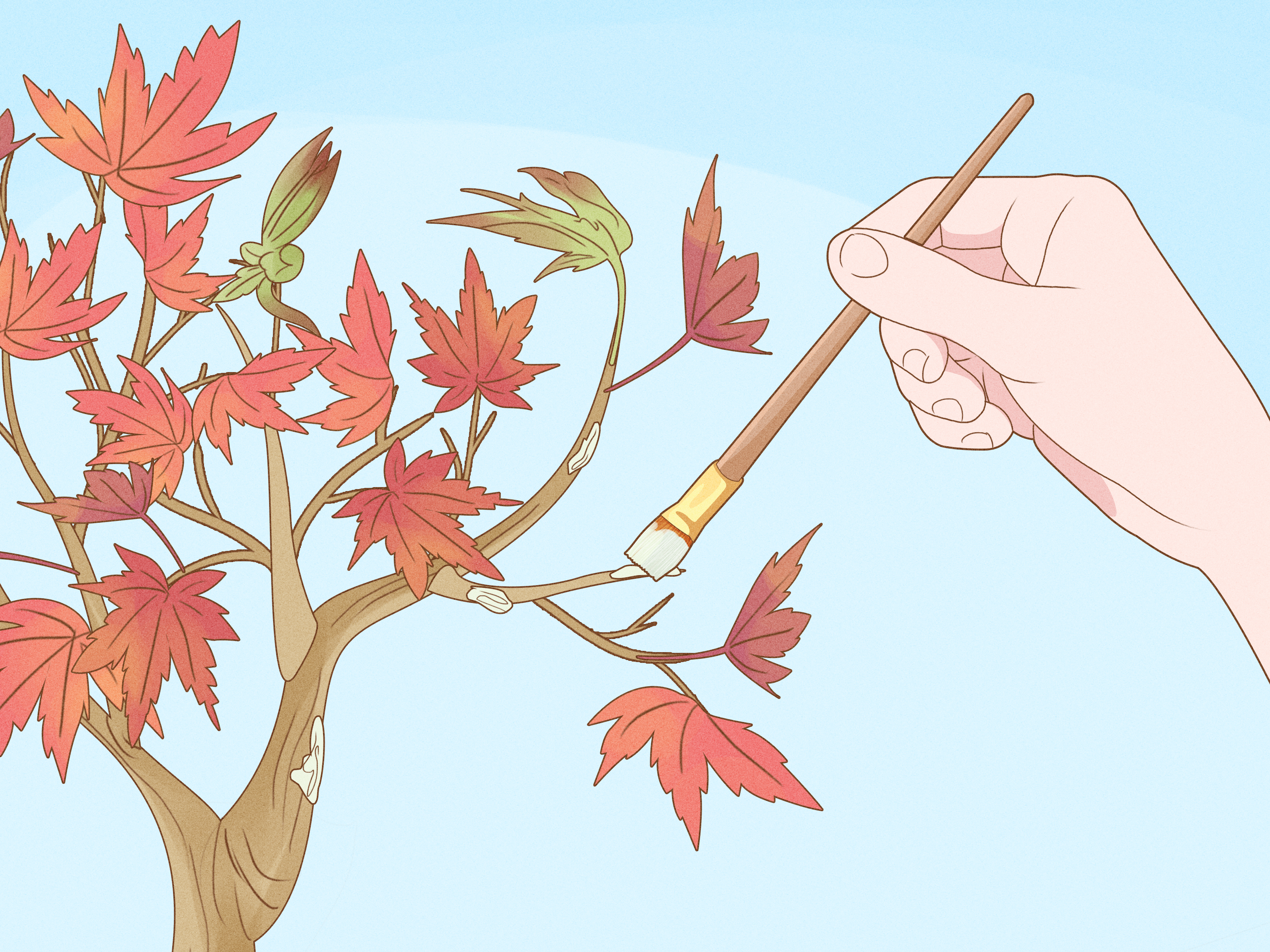
Do not paint pruning wounds. Trees naturally seal cuts when pruning is done correctly. Wound dressings can trap moisture and may interfere with the tree’s natural response.
Also avoid heavy fertilizing right after pruning. Too much fertilizer can push soft new growth that may be vulnerable to stress. Healthy soil, consistent moisture, and proper mulch are usually more helpful than a dramatic feeding routine.
Real-World Experience: What Pruning Japanese Maples Teaches You
The first experience many gardeners have with pruning Japanese maple trees is hesitation. You stand in front of the tree with pruners in hand, feeling like a surgeon who watched two videos and suddenly got promoted. That nervousness is actually useful. It slows you down, and slow is exactly the right speed for this job.
One of the most valuable lessons is that the best cut is often the one you do not make. A branch that looks slightly awkward in winter may become important once the leaves emerge. A small interior twig may add depth when viewed from the patio. A lower branch may look unnecessary today but help shade the trunk during hot afternoon sun. Japanese maples reward patience. They punish overconfidence with awkward gaps that seem to stare at you every time you walk by.
Another practical lesson is to prune in stages. Start with deadwood and obvious crossing branches, then stop and look again. Walk around the tree. View it from the kitchen window, the sidewalk, and the spot where you usually drink coffee. A Japanese maple is a landscape feature, not a diagram in a textbook. Its best angle matters.
Home gardeners also learn that light matters. A crowded Japanese maple may look full, but too much interior shade can create dead twigs and a heavy, shapeless canopy. Careful thinning lets sunlight reach the inner branches and reveals the tree’s architecture. After a good pruning, the tree should not look smaller as much as clearer. It is like cleaning a window: the view was there all along.
Weeping laceleaf maples offer their own lesson in restraint. Their cascading branches can tempt you to cut everything hanging low. But those drooping limbs are part of the drama. The better approach is to crawl, crouch, or kneel under the canopy and look upward. From below, you can see which branches are truly dead, which ones are crossing, and which ones form the beautiful layered “umbrella” effect. Yes, you may look ridiculous doing this. The tree will not judge you. The neighbors might, but they probably need pruning advice too.
Upright Japanese maples teach structure. When young, they may send out competing leaders or branches that grow inward. Removing a bad branch early is far easier than removing a large limb years later. But young trees also need enough foliage to build strength, so pruning should be minimal and thoughtful.
The biggest experience-based tip is to take before-and-after photos. Photos reveal imbalance that your eyes may miss in the moment. They also help you avoid the classic “just one more cut” mistake. If the tree looks better after five cuts, it may not look better after fifteen. Put the pruners down while everyone is still friends.
Finally, pruning Japanese maples teaches respect for natural form. The goal is not control. The goal is partnership. You guide the tree away from trouble, remove what is dead or conflicting, and let its character lead. Done well, pruning does not announce itself. Visitors simply say, “That tree is beautiful,” and you get to smile quietly, knowing you helped without stealing the spotlight.
Conclusion
The best way to prune Japanese maple trees is to work slowly, cut selectively, and honor the tree’s natural shape. Prune major branches in late winter or very early spring, use light summer pruning only when needed, and avoid heavy fall pruning. Start with dead, damaged, diseased, crossing, and rubbing branches. Make clean cuts just outside the branch collar, never top the tree, and never shear it into a stiff shape.
A Japanese maple does not need constant correction. It needs careful observation, a few well-chosen cuts, and a gardener humble enough to stop before the tree looks “finished.” When pruned properly, Japanese maples become healthier, more open, more graceful, and even more striking through every season.












