
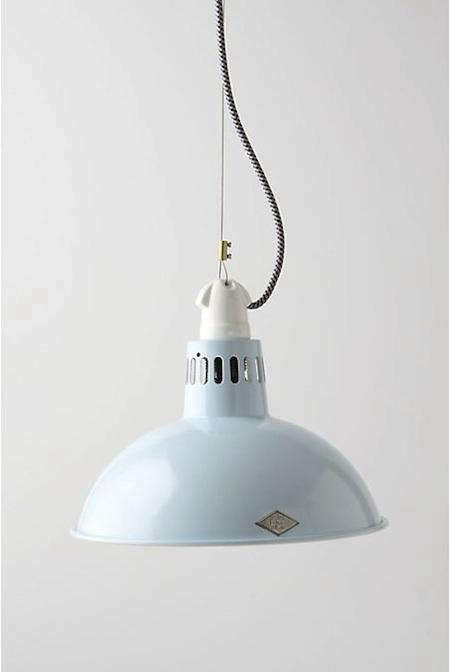
Some home pieces politely enter a room. Others stroll in wearing a vintage apron, carrying a cup of coffee, and asking whether you want pie. The Luncheonette Pendant Lamp at Anthropologie belongs to the second group. It has that nostalgic, diner-inspired charm that makes a kitchen, breakfast nook, or dining corner feel instantly more intentional without screaming, “I hired a designer and now I only eat on handmade plates.”
The Luncheonette Pendant Lamp is best understood as a vintage-industrial pendant with a soft domestic twist. It was highlighted years ago in design circles as an Anthropologie lighting find connected to the classic appeal of Original BTC-style British lighting: powder-coated metal, ceramic details, and a braided cord look that feels practical, tactile, and charmingly old-school. Today, the exact lamp may not be a regular current Anthropologie listing, but its design language is still very relevant. In fact, it fits perfectly into today’s love of warm kitchens, café-inspired dining spaces, layered lighting, and fixtures that look like they have a backstory.
This guide explores what makes the Luncheonette Pendant Lamp special, how to style it, where it works best, what to consider before buying a similar pendant, and why Anthropologie lighting continues to attract homeowners who want personality without turning their ceiling into a circus tent.
What Is the Luncheonette Pendant Lamp?
The name says a lot. “Luncheonette” suggests a small, friendly, slightly nostalgic eating place: chrome stools, coffee refills, checkered floors, and lighting that actually helps you see your sandwich. As a pendant lamp, the Luncheonette style captures that casual hospitality. It is not overly formal. It is not trying to be a crystal chandelier. It is the lighting equivalent of a perfectly toasted grilled cheese: simple, memorable, and surprisingly capable of improving your day.
The original design conversation around the lamp described it as having a classic British pendant influence, with materials such as powder-coated aluminum, ceramic fittings, and braided cotton cord. Those details matter because they give the fixture a handcrafted, utility-inspired quality. Powder-coated metal feels durable and clean. Ceramic adds a refined, slightly vintage note. A braided cord softens the whole look, making the fixture feel less like hardware and more like decor.
Why Anthropologie Lighting Has Such a Loyal Following
Anthropologie has become a go-to destination for shoppers who want lighting with character. The brand’s home collection often blends modern silhouettes with vintage, bohemian, handmade, or globally inspired details. That mix is exactly why people browse Anthropologie pendant lights when they want something more expressive than a basic builder-grade fixture.
A typical big-box pendant can look perfectly fine, but sometimes “perfectly fine” is just another way of saying, “Nobody will ever notice this.” Anthropologie lighting usually takes the opposite approach. It leans into texture, curves, unusual shades, scalloped edges, milk glass, rattan, brass finishes, ceramic forms, and playful proportions. The Luncheonette Pendant Lamp fits that larger personality-driven category because it is practical but not plain.
The Design Appeal: Vintage Without Feeling Dusty
One reason the Luncheonette Pendant Lamp remains interesting is that it borrows from the past without looking trapped there. Vintage-style lighting can go wrong when it feels too themed. Nobody wants a kitchen that looks like a movie set unless the movie is paying rent. The better approach is to use one nostalgic fixture as a visual anchor, then surround it with fresh finishes and clean lines.
For example, a Luncheonette-style pendant above a white oak breakfast table feels warm and relaxed. Above a marble-topped island, it adds contrast. In a small apartment kitchen, it can create a café mood without requiring a full renovation. In a mudroom or pantry, it turns a purely functional zone into a space with charm. That is the magic of a good pendant: it does not need a huge footprint to change the feeling of a room.
Best Rooms for a Luncheonette-Style Pendant Lamp
Kitchen Island
The kitchen island is one of the most natural places for a pendant lamp. A Luncheonette-style fixture works especially well if your kitchen has shaker cabinets, butcher block counters, open shelving, subway tile, or vintage-inspired appliances. It adds a slightly industrial note without making the room feel cold.
Breakfast Nook
If this lamp had a favorite room, it would probably be the breakfast nook. The design feels made for morning coffee, cereal bowls, newspapers, and someone saying, “We should really eat at this table more often.” A single pendant above a small round or square table can make the nook feel complete.
Dining Room
For a casual dining room, one large pendant or a pair of matching pendants can create an inviting glow. The key is proportion. If the fixture is too small, it may look lonely. If it is too large, guests may feel like they are being interrogated by a stylish ceiling appliance.
Entryway or Hall
A Luncheonette-inspired pendant can also work in an entryway, especially in older homes, cottages, or apartments with vintage trim. It gives guests an immediate sense that the home has personality. Even better, it does this before anyone notices the pile of shoes by the door.
How to Style the Luncheonette Pendant Lamp
The easiest way to style this type of lamp is to let it be the “character piece” while keeping nearby finishes simple. Because the pendant already has visual presence, it pairs beautifully with honest materials: wood, ceramic, stone, linen, enamel, and brushed metal.
In a kitchen, try pairing it with white or cream walls, warm wood stools, and simple cabinet hardware. In a dining nook, add café curtains, bentwood chairs, or a small framed print. In a modern space, use the lamp as contrast against flat-panel cabinets, quartz counters, and minimal decor. The blend of old and new keeps the room from feeling too predictable.
Choosing the Right Bulb
A pendant lamp is only as good as the light it gives off. For a Luncheonette-style fixture, a warm LED bulb is usually the best choice. Look for a color temperature around 2700K to 3000K if you want a cozy glow. This range feels flattering in kitchens and dining spaces because it is warm enough for atmosphere but not so dim that your salad looks mysterious.
Also pay attention to lumens, not just watts. Watts measure energy use, while lumens measure brightness. Since modern LED bulbs use far less energy than old incandescent bulbs, choosing by wattage alone can be misleading. A dimmable LED bulb is ideal because it lets the pendant shift from task lighting during dinner prep to softer mood lighting when the meal is served.
Installation Tips: Height, Scale, and Safety
For pendants above a dining table or kitchen island, a common guideline is to hang the bottom of the fixture about 30 to 36 inches above the surface. This usually gives enough light while preserving sightlines across the table. Translation: you can see both your dinner and the person telling a story that could have been five minutes shorter.
Scale matters too. A small pendant over a large island can look underwhelming, while a large pendant in a low-ceilinged room may feel visually heavy. If you are using multiple pendants, keep spacing even and leave breathing room between the fixtures. The goal is rhythm, not a ceiling traffic jam.
Hardwired pendant lamps should be installed by a qualified professional unless you have the proper electrical experience. Check whether the fixture is rated for the room where you plan to use it. Dry-rated fixtures are generally for dry indoor spaces, while damp-rated or wet-rated fixtures are needed for bathrooms, covered outdoor areas, or places with moisture exposure.
How the Luncheonette Look Compares With Other Anthropologie Pendants
Anthropologie’s current pendant lighting selection often includes scalloped milk glass, rattan, velvet fringe, ceramic shades, floral forms, and brass details. Compared with those more decorative pieces, the Luncheonette Pendant Lamp feels cleaner and more utilitarian. It is less boho than a woven pendant, less romantic than a scalloped glass pendant, and less glamorous than a brass chandelier. That restraint is part of its appeal.
It works well for people who like Anthropologie’s personality but do not want a fixture that dominates the room. Think of it as the quiet cool friend at the party: not wearing sequins, still somehow the most interesting person there.
Who Should Consider This Style?
A Luncheonette-style pendant is a strong choice if you like vintage-inspired interiors, café design, industrial details, or warm minimalist rooms. It is also a good fit if you want a fixture that feels timeless rather than trend-chasing. The design is simple enough to age well but distinctive enough to avoid looking generic.
It may not be the best choice if your home leans ultra-glam, highly ornate, or very sleek and futuristic. A diner-inspired pendant can work in modern spaces, but it needs a little warmth around it. If everything else in the room is high-gloss black, mirrored, and dramatic, the Luncheonette look may feel like it wandered into the wrong restaurant.
Buying Advice for Similar Pendant Lamps
Because the exact Luncheonette Pendant Lamp may be difficult to find today, shoppers can look for similar features rather than the exact product name. Search for pendant lamps with powder-coated metal shades, ceramic sockets, braided cords, industrial café styling, enamel finishes, or Original BTC-inspired design. Pay close attention to the measurements, cord length, canopy size, bulb type, and whether the fixture is hardwired or plug-in.
If buying secondhand, inspect photos carefully. Ask about condition, wiring, included hardware, and whether the fixture has been altered. Vintage and discontinued lighting can be wonderful, but electrical safety is not the place to get adventurous. The only sparks you want in your kitchen are conversational.
Real-Life Experience: Living With a Luncheonette-Style Pendant Lamp
Living with a Luncheonette-style pendant is less about dramatic transformation and more about the small daily pleasure of a room finally feeling finished. The first thing you notice is how the lamp gives a specific zone a purpose. A plain corner with a table becomes a breakfast spot. A kitchen island becomes a gathering place. A pass-through area becomes a little design moment instead of merely the place where mail goes to disappear.
In everyday use, the best quality of this style is its balance. It feels decorative, but not fragile. It has personality, but it does not demand that every other object in the room join a theme. You can place it above a simple wooden table with mismatched chairs and it looks intentional. You can hang it in a crisp kitchen with white cabinets and it adds warmth. You can even pair it with modern art or colorful dishes and it will not complain. Lamps are polite that way.
The glow is also important. With a warm LED bulb, a metal-shaded pendant creates a focused pool of light. That makes it excellent for meals, homework, recipe reading, board games, or late-night snacks that you absolutely were not planning to eat. The shade helps direct the light downward, so the table or counter feels highlighted. At the same time, the fixture itself becomes part of the room’s visual identity.
One practical experience worth mentioning is that pendant height can change everything. Hang it too high and the lamp loses intimacy. Hang it too low and it becomes a forehead hazard with excellent branding. The sweet spot is usually where the light feels close enough to define the surface below, but high enough that people can talk across the table without ducking like they are entering a submarine.
Cleaning is usually simple if the fixture has a powder-coated metal shade. A soft dry cloth handles most dust. For kitchen use, where cooking residue can sneak onto surfaces like a tiny invisible villain, a slightly damp cloth may help. Avoid harsh cleaners unless the manufacturer specifically allows them, especially around painted finishes, ceramic parts, or braided cords.
The best part of using this kind of pendant is how easily it creates atmosphere. During the day, it acts as a sculptural detail. At night, it turns on and makes the room feel warmer, calmer, and more lived-in. It is not just lighting; it is a mood button. Press it, and suddenly the kitchen looks like a place where homemade soup might happen, even if dinner is actually takeout in a very convincing bowl.
For renters or homeowners who cannot find the original Anthropologie piece, the experience can still be recreated with similar café-style pendants. Focus on proportion, warm light, simple materials, and a shade shape that feels classic rather than overly trendy. The goal is not to copy a catalog page exactly. The goal is to capture that relaxed luncheonette feeling: friendly, useful, nostalgic, and just stylish enough to make your ceiling feel proud of itself.
Conclusion
The Luncheonette Pendant Lamp at Anthropologie remains compelling because it represents what great home lighting should do: provide function, shape atmosphere, and add character without making the room feel overdesigned. Its vintage café influence, industrial materials, and warm domestic charm make it a smart reference point for anyone designing a kitchen, breakfast nook, dining area, or cozy corner.
Even if the original lamp is hard to find today, the design lesson still shines brightly. Choose lighting with texture. Respect scale. Use warm bulbs. Install it safely. Most importantly, pick a fixture that makes the room feel more like you. A good pendant lamp does not just brighten a surface; it changes the way people gather beneath it. And if it also makes your morning coffee feel slightly more cinematic, that is not a flaw. That is excellent service.











