
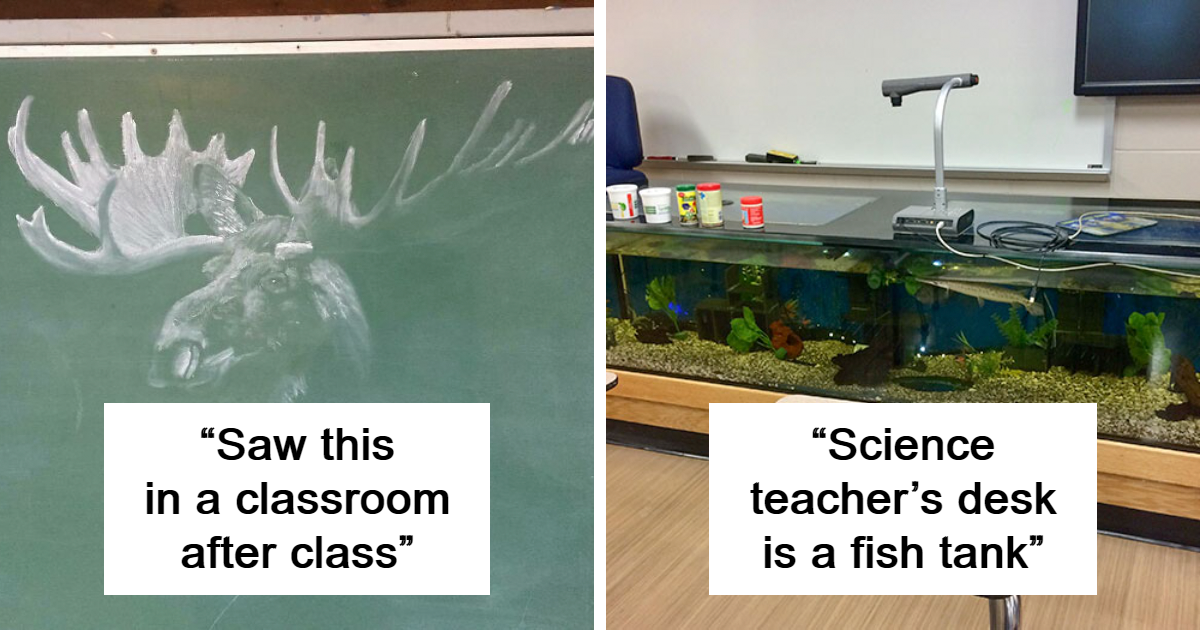
Every school has the usual suspects: squeaky chairs, mysterious hallway posters from three semesters ago, and at least one vending machine that accepts your money with the confidence of a tiny criminal. But every now and then, students spot something so clever on campus that it deserves applause, a photo, and possibly a small parade led by the marching band.
Across schools and universities, smart design is quietly changing student life. Some ideas save time. Some make learning easier. Some help students feel safer, healthier, or simply less likely to cry into a lukewarm cafeteria burrito during finals week. From whiteboard walls to nap pods, campus food pantries to bike repair stations, these ingenious school ideas prove that education is not just about classrooms. It is also about the little systems that make daily life smoother.
Below are 50 ingenious things students have spotted at their schools and universities, along with why these ideas work, what they reveal about modern campus design, and how even the smallest improvement can make a school feel more human.
Smart Classroom Ideas That Make Learning Less Painful
1. Whiteboard Walls
Instead of one lonely board at the front of the room, some classrooms have entire walls students can write on. Group projects become less “everyone huddle around one laptop” and more “let’s turn this wall into organized chaos.” Whiteboard walls encourage brainstorming, problem-solving, and visible thinking.
2. Desks With Built-In Outlets
A dead laptop during a lecture is basically an academic jump scare. Desks with built-in outlets and USB ports save students from crawling under tables like raccoons searching for electricity.
3. Movable Furniture
Flexible chairs, rolling tables, and reconfigurable rooms let teachers switch from lecture mode to group-work mode quickly. It sounds simple, but a room that can move with the lesson is far more useful than one frozen in “standardized test bunker” formation.
4. Lecture Halls With Swiveling Seats
Some universities have lecture halls where seats turn toward classmates for discussion. This makes peer learning easier and reduces the awkward full-body twist students perform when asked to “turn and talk.”
5. Glass Writing Boards
Glass boards look modern, erase cleanly, and often double as room dividers. Students can solve equations, sketch designs, or map essay outlines without fighting ghost marks from last week’s chemistry review.
6. Classrooms With Multiple Screens
In active-learning rooms, screens may be placed around the classroom so groups can display their work. This supports collaboration and makes presentations feel less like a hostage situation at the front of the room.
7. QR Codes On Lab Equipment
A QR code next to a microscope, printer, or 3D scanner can link to instructions, safety rules, or troubleshooting tips. It is like having a tiny digital tutor taped to the machine.
8. Sound-Absorbing Study Rooms
Acoustic panels and quiet rooms help students focus, especially in busy libraries. A good study room should not sound like someone is blending gravel in the hallway.
9. Standing Study Counters
Standing desks and counters give students another way to work during long study sessions. They are especially useful when sitting for another hour feels like becoming part of the chair.
10. Outdoor Classrooms
Some schools use shaded outdoor spaces for lectures, reading, or science activities. Fresh air can turn a lesson from “please let this end” into something students actually remember.
Campus Convenience Ideas Students Actually Use
11. School-Supply Vending Machines
Scantrons, blue books, pencils, masks, and basic supplies in vending machines are a lifesaver. Nothing says panic like discovering you need a testing form five minutes before an exam.
12. Laptop Lending Kiosks
Some campus libraries lend laptops, tablets, cameras, projectors, calculators, and hotspots. This helps students complete assignments without needing to personally own every expensive device known to academia.
13. Tool Libraries
Tool libraries let students borrow practical items such as drills, sewing machines, soldering irons, repair kits, and measuring tools. A library that lends a power drill is proof civilization still has bright spots.
14. Charger Loan Stations
Phone and laptop charger lending programs prevent the modern tragedy of reaching 2 percent battery while your professor says, “Submit this online before leaving.”
15. Umbrella Borrowing Racks
Some schools provide shared umbrellas near exits. Students borrow one during surprise rain and return it later. It is a simple idea, yet it can save a backpack, a laptop, and a hairstyle that was doing its best.
16. Color-Coded Campus Maps
Large, easy-to-read maps with color zones help new students find buildings faster. This is especially helpful on campuses where every building is named after someone with three last names.
17. Wayfinding Signs With Walking Times
A sign that says “Library: 4 minutes” is more useful than one that simply points vaguely into the academic wilderness. Walking-time signs help students plan between classes.
18. Digital Room Availability Boards
Study rooms with screens showing availability reduce the awkward ritual of opening doors and whispering, “Is anyone using this?” while clearly interrupting someone’s group project.
19. Lockers With Charging Ports
Charging lockers protect devices while powering them. They are perfect for students who need to attend class, eat lunch, or briefly remember what sunlight looks like.
20. Campus Apps That Show Laundry Machine Status
Residence halls with laundry apps let students see whether washers and dryers are open. No more marching downstairs with a basket only to find every machine occupied by socks from another dimension.
Health, Wellness, And Basic-Needs Ideas That Matter
21. Food Pantries For Students
Campus food pantries provide free groceries, hygiene items, and sometimes fresh produce. They recognize a real truth: students cannot study effectively if they are hungry, stressed, or choosing between dinner and textbooks.
22. Free Menstrual-Product Dispensers
Free pads and tampons in restrooms remove a common barrier for students. The smartest part is not just the product itself, but the message: basic needs should be accessible without embarrassment.
23. Nap Pods
Nap pods give students a quiet place to rest between classes. A short reset can make the difference between learning calculus and staring at the board like it personally betrayed you.
24. Sensory Rooms
Sensory rooms offer calming lights, comfortable seating, quiet, and self-regulation tools for neurodivergent students or anyone who needs a break from campus noise. Inclusive design benefits more people than schools often realize.
25. Wellness Vending Machines
Some campuses stock vending machines with health supplies such as first-aid items, hygiene products, masks, or over-the-counter basics. It is convenience with a purpose.
26. De-Stress Zones During Finals
Therapy dogs, coloring stations, tea tables, and quiet lounges may sound small, but during finals week, a golden retriever in a bandana can restore faith in humanity.
27. Reflection And Meditation Rooms
Rooms for prayer, meditation, or quiet reflection support students with different spiritual, cultural, and personal needs. A peaceful room on a noisy campus is a powerful thing.
28. Lactation And Family-Friendly Spaces
Private lactation rooms, changing tables, and family resource areas help parenting students, staff, and visitors participate more fully in campus life.
29. Free Professional Clothing Closets
Career closets provide suits, shoes, ties, blouses, and accessories for interviews or presentations. They turn “I have nothing to wear” into “I am ready to get hired.”
30. Anonymous Help Request Forms
Some schools use online forms that allow students to request food, supplies, counseling support, or emergency help privately. Reducing friction can make students more likely to ask for support early.
Sustainability Ideas That Are Clever And Practical
31. Water Bottle Refill Stations
Refill stations encourage reusable bottles and reduce plastic waste. Many include counters showing how many disposable bottles have been avoided, which turns hydration into a tiny environmental scoreboard.
32. Rain Gardens
Rain gardens capture stormwater, filter runoff, and beautify campus. Students may walk past them every day without realizing the landscaping is doing homework for the environment.
33. Green Roofs
Green roofs help manage heat and stormwater while creating living space above buildings. They are basically the campus saying, “What if the roof also had a garden?”
34. Solar-Powered Charging Tables
Outdoor tables with solar panels and charging ports let students work outside while powering devices. It is studying, but with vitamin D and fewer extension cords.
35. Bike Repair Stations
Campus bike stations with pumps and basic tools help students fix flats, adjust brakes, and tighten loose parts. This supports biking as an affordable, healthy transportation option.
36. Student-Run Bike Shops
Some universities go further with student-powered bike shops offering repairs, rentals, classes, and safety support. It is transportation, sustainability, and peer education all in one.
37. Compost Bins With Clear Signs
Compost bins work better when signs show exactly what goes where. A picture of a banana peel can prevent a shocking amount of waste confusion.
38. Reusable Container Programs
Dining halls that offer reusable takeout containers reduce single-use packaging. Students return containers, get clean ones, and feel slightly less guilty about eating noodles while walking to class.
39. Motion-Sensor Lighting
Lights that adjust when rooms are empty save energy. They also create the thrilling moment when a quiet study room briefly goes dark and everyone waves their arms like scholarly windmills.
40. Campus Thrift Shops And Swap Days
Student swap events keep clothes, mini-fridges, lamps, and dorm supplies out of landfills. They also help freshmen discover that someone else’s unwanted desk lamp can become their entire dorm aesthetic.
Creative, Funny, And Surprisingly Brilliant Details
41. Stairs With Calorie Or Step Counts
Some schools label stairs with step counts, motivational notes, or health facts. It turns climbing three flights into a game, or at least into a more informed suffering experience.
42. Periodic Tables Printed On Chemistry Lab Tables
Putting reference information directly on work surfaces saves time and supports learning. It is hard to forget the periodic table when your elbow has been resting on titanium all semester.
43. Library Shelves With Built-In Seating
Reading nooks built into library shelves make study spaces feel cozy. They invite students to sit, read, and briefly pretend they live inside a charming academic movie.
44. Murals That Double As History Lessons
School murals can celebrate local history, science, alumni, literature, or student culture. When done well, hallways become learning spaces instead of beige tunnels of fluorescent destiny.
45. Student Art Galleries In Academic Buildings
Displaying student work in public areas gives artists visibility and makes buildings feel alive. It also reminds everyone that creativity belongs in every discipline, not just the art wing.
46. Makerspaces With 3D Printers And Laser Cutters
Makerspaces let students build prototypes, models, art, engineering projects, and entrepreneurial ideas. The best ones combine equipment with training, safety support, and staff who can translate “I have an idea” into “Here is how to make it real.”
47. “Borrow A Human” Events
Some campuses organize events where students can talk with people from different careers, cultures, or life experiences. The idea is simple: conversation can be as educational as a book.
48. Emergency Phone Charging Cables At Service Desks
Libraries and student centers that keep common charging cables at the desk solve a daily problem quickly. Sometimes genius is just a drawer full of chargers and a staff member who understands panic.
49. Sidewalk Decals For First-Year Students
Temporary decals can guide new students to orientation, advising, dining halls, or testing centers. This reduces confusion without requiring students to decode a 47-page campus PDF.
50. Friendly Bathroom And Building Signs
Clear, inclusive, and even funny signs can make campus feel more welcoming. A sign that is easy to understand is not a small thing; it is design doing its job without asking for applause.
Why These Ingenious School Ideas Work
The best school and university innovations are not always expensive. Some are built with major investments, like active-learning classrooms or advanced makerspaces. Others are beautifully simple, like a rack of borrowed umbrellas, a vending machine stocked with exam supplies, or a hallway sign that tells students how long it takes to reach the library.
What connects all 50 ideas is empathy. Someone noticed a problem students experience every day and decided it was worth solving. That problem might be academic, emotional, financial, environmental, or logistical. A food pantry addresses hunger. A sensory room addresses overstimulation. A bike repair station addresses transportation. A whiteboard wall addresses collaboration. A nap pod addresses the ancient student condition known as “I studied until 3 a.m. and now I can hear colors.”
These ideas also show how schools are evolving. A campus is no longer just a collection of classrooms. It is a living ecosystem that includes health, technology, transportation, sustainability, accessibility, creativity, and community. Students notice when a school pays attention to the details. Those details can influence whether students feel lost or supported, rushed or welcomed, invisible or understood.
Student Experience: What It Feels Like To Discover Clever Campus Design
There is a special kind of joy in finding a useful campus feature by accident. Maybe you are walking into the library with 6 percent battery, three assignments due, and the emotional stability of a wet paper towel. Then you discover a charger loan station. Suddenly, the universe has not abandoned you. It has simply been hiding behind the circulation desk.
Students often remember these discoveries because they happen at the exact moment of need. A school-supply vending machine is not exciting in theory. It becomes legendary when you are five minutes from an exam and realize your professor requires a blue book. A water refill station is ordinary until you are sprinting across campus in August. A bike repair pump is just a metal stand until your tire goes flat before an 8 a.m. lab.
The most ingenious things students spot are usually practical, but they also create emotional relief. They say, “We knew this might happen, so we planned for it.” That message matters. College and school life can be full of hidden friction: confusing buildings, expensive supplies, limited quiet space, unpredictable schedules, and social pressure to act like everything is fine. Clever campus design removes some of that friction before it turns into a bigger problem.
Students also love features that feel personalized. Whiteboard walls make study sessions more active. Makerspaces make wild ideas feel possible. Tool libraries turn students into problem-solvers instead of helpless spectators. Career closets help students walk into interviews with confidence. Food pantries and basic-needs centers quietly protect dignity. These are not just amenities; they are signals that learning depends on more than lectures.
There is also a social side to these discoveries. Students share photos of funny signs, beautiful study rooms, strange vending machines, and brilliant shortcuts because campus culture is built through small moments. A clever staircase label might become a joke. A cozy reading nook might become someone’s secret study spot. A student art wall might become the place where people slow down between classes. These details give a school personality.
Of course, not every clever feature has to be shiny or high-tech. In fact, some of the best ideas are refreshingly low-tech: clear signage, comfortable seating, free supplies, better lighting, accessible restrooms, and places to rest. A university can install the fanciest digital system in the world, but if students cannot find the counseling center or charge their laptop, the magic fades fast.
The biggest lesson from these ingenious things is that students notice care. They notice when a campus has been designed by people who understand real life, not just floor plans. They notice when sustainability is convenient, when wellness is normalized, when accessibility is built in, and when creativity has a room with tools waiting inside. That is what makes a school memorable. Not just the mascot, not just the ranking, not just the buildings in the brochure, but the everyday details that make students say, “Wait, that is actually brilliant.”
Conclusion
Ingenious school and university features prove that smart design does not have to shout. Sometimes it looks like a whiteboard wall, a free pantry shelf, a bike pump, a nap pod, or a vending machine that saves exam day. These ideas work because they respect the reality of student life: people are learning, commuting, budgeting, building, stressing, resting, and trying to become adults without losing their headphones again.
The best campuses are not perfect, but they are responsive. They watch how students move, study, eat, rest, collaborate, and ask for help. Then they create solutions that make those moments easier. That is the real genius behind the 50 ingenious things students have spotted at their schools and universities: they are not just clever objects. They are proof that thoughtful environments can make education feel more supportive, more creative, and a lot more human.
Note: This article is an original, fully rewritten synthesis based on real school and university practices in the United States, including student-support services, learning-space design, campus sustainability, accessibility improvements, and library innovation.












