
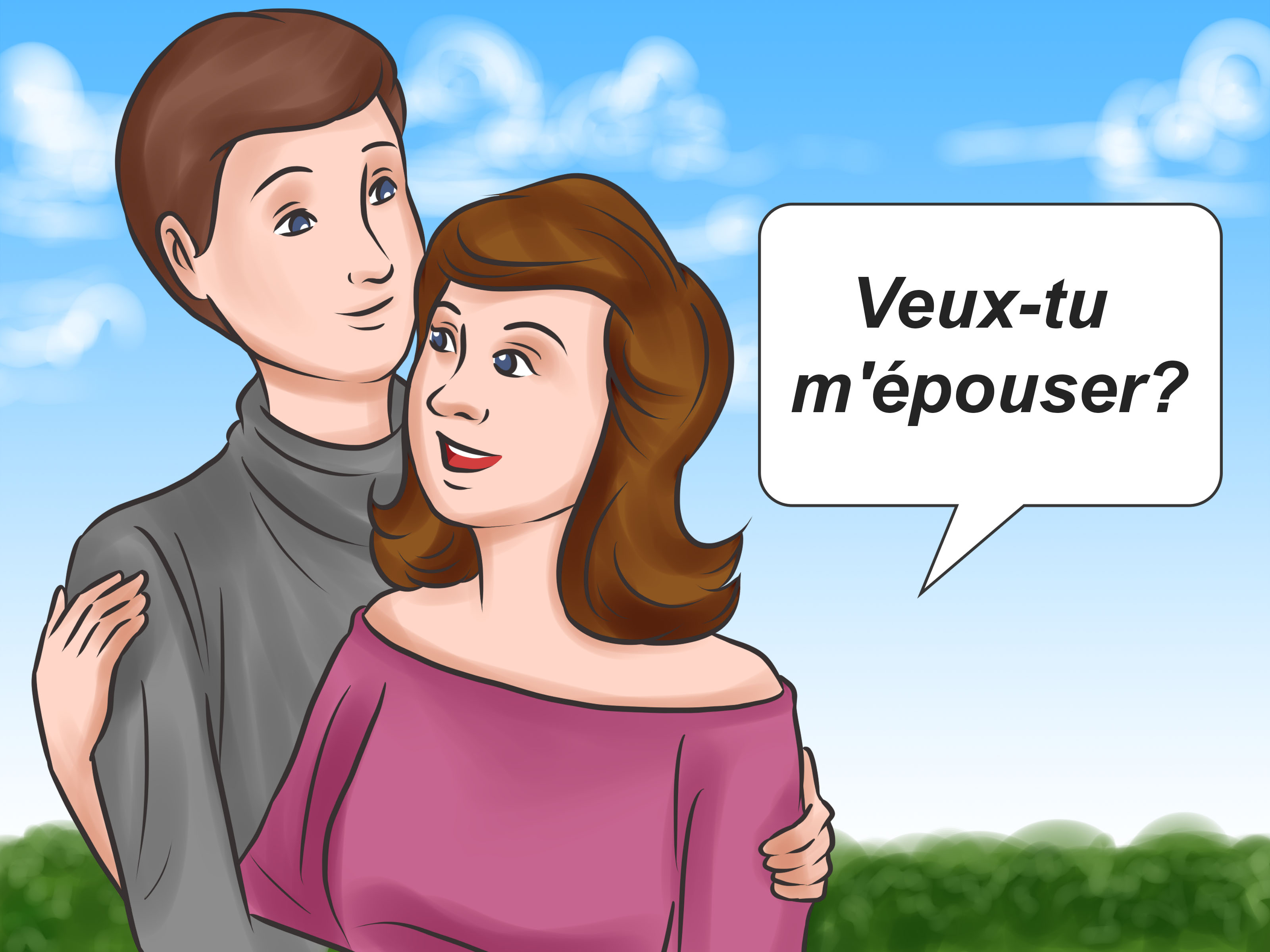
Learning how to say boyfriend in French sounds easy at first. You open a dictionary, see petit ami, smile confidently, and think, “Great, I am now basically Parisian.” Then a real French speaker says mon copain, someone else says mon mec, and suddenly your romantic vocabulary has turned into a tiny linguistic soap opera.
The good news? French gives you several natural ways to say “boyfriend,” and each one has its own flavor. Some are neutral, some are casual, some are affectionate, and a few should be handled with the same caution as a very full cup of coffee on a white sofa. In this guide, you will learn the most common translations, how to pronounce them, when to use each phrase, and how to avoid accidentally introducing your boyfriend as “just some guy I know.”
Quick Answer: How Do You Say Boyfriend in French?
The most common ways to say boyfriend in French are:
- Mon copain my boyfriend; common, casual, natural in everyday speech
- Mon petit ami my boyfriend; correct, clear, slightly more formal or old-fashioned
- Mon petit copain my boyfriend; clear, casual, often used by younger speakers or in simple explanations
- Mon mec my guy / my boyfriend; very informal slang
- Mon compagnon my partner / companion; often used for a serious or long-term partner
- Mon chéri my darling; affectionate, used when speaking to or about him
If you want the safest everyday phrase, use mon copain. It sounds natural in many situations and is widely understood as “my boyfriend” when you use it with a possessive such as mon.
The Most Common Word: Mon Copain
Mon copain is probably the phrase you will hear most often in casual French conversation. Literally, copain can mean “friend,” “buddy,” or “pal.” But context changes everything. When someone says mon copain, it usually means “my boyfriend,” not simply “my male friend.”
That tiny word mon does a lot of emotional heavy lifting. French can be wonderfully efficient like that. One possessive adjective walks into the room and suddenly the relationship status is updated.
Examples with Mon Copain
- C’est mon copain. He is my boyfriend.
- Je vais au cinéma avec mon copain. I’m going to the movies with my boyfriend.
- Mon copain habite à Lyon. My boyfriend lives in Lyon.
- Tu as rencontré mon copain ? Have you met my boyfriend?
Notice how mon copain feels conversational. It is the phrase you might use when talking to classmates, coworkers you know well, friends, or people your own age.
Petit Ami: Correct, Clear, but a Little Formal
Mon petit ami is another correct way to say “my boyfriend” in French. Literally, it means “my little friend,” but do not translate it word for word unless you enjoy making romance sound like a children’s cartoon. In real French, petit ami means boyfriend.
This phrase is especially useful when you want to be very clear. It is less ambiguous than copain because petit ami points directly to a romantic relationship. However, many speakers find it a bit more formal, textbook-like, or old-fashioned in everyday conversation.
Examples with Petit Ami
- Voici mon petit ami. This is my boyfriend.
- Elle parle souvent de son petit ami. She often talks about her boyfriend.
- Il est mon petit ami depuis six mois. He has been my boyfriend for six months.
- Je voudrais présenter mon petit ami à mes parents. I would like to introduce my boyfriend to my parents.
Use mon petit ami when you want clarity, especially in writing, formal settings, learning materials, or conversations where copain might be misunderstood.
Mon Petit Copain: Casual and Very Clear
Mon petit copain is another way to say “my boyfriend.” It combines the casual feel of copain with the romantic clarity of petit. You may hear it in everyday speech, especially when someone wants to remove any possible doubt.
For example, un copain could mean “a friend,” but mon petit copain is definitely romantic. The phrase is not as polished as mon compagnon and not as formal as mon petit ami, but it is practical and easy to understand.
Examples with Mon Petit Copain
- J’ai un petit copain. I have a boyfriend.
- Mon petit copain est très drôle. My boyfriend is very funny.
- Je sors avec mon petit copain ce soir. I’m going out with my boyfriend tonight.
Mon Mec: Slang for “My Boyfriend”
Mon mec is informal French slang. Depending on context, mec can mean “guy,” “dude,” or “man.” When someone says mon mec, it can mean “my boyfriend” or “my guy.” It is casual, relaxed, and very conversational.
Would you use it in a school essay, a business dinner, or when meeting your partner’s grandmother for the first time? Probably not, unless Grandma is exceptionally cool and owns a leather jacket. But among friends, mon mec can sound natural.
Examples with Mon Mec
- C’est mon mec. He’s my boyfriend / He’s my guy.
- Mon mec cuisine super bien. My boyfriend cooks really well.
- Je vais rejoindre mon mec. I’m going to meet up with my boyfriend.
Be careful: because mec is slang, tone matters. It can sound affectionate, casual, or rough depending on the speaker and situation.
Mon Compagnon: For a Serious Partner
Mon compagnon means “my partner” or “my companion.” This is often used for a more serious, adult, or long-term relationship. If two people live together, have been together for years, or want a word that sounds mature without saying “husband,” mon compagnon may fit beautifully.
The feminine version is ma compagne. These terms are useful when talking about committed relationships, especially when “boyfriend” feels too casual.
Examples with Mon Compagnon
- Je vis avec mon compagnon. I live with my partner.
- Mon compagnon travaille dans l’informatique. My partner works in tech.
- Nous avons acheté une maison, mon compagnon et moi. My partner and I bought a house.
Boyfriend vs. Friend: The Copain Confusion
One of the trickiest parts of French relationship vocabulary is that copain can mean both “friend” and “boyfriend.” Thankfully, context usually saves the day.
Un Copain Means “A Friend”
When you say un copain, it often means “a friend” or “a buddy.”
- C’est un copain de classe. He is a classmate / school friend.
- Je vais voir un copain. I’m going to see a friend.
Mon Copain Usually Means “My Boyfriend”
When you say mon copain, people often understand “my boyfriend.”
- Je vais voir mon copain. I’m going to see my boyfriend.
- Mon copain vient dîner ce soir. My boyfriend is coming to dinner tonight.
To say “my male friend” without romantic meaning, you can say un ami, un ami à moi, or add more context. For example, un ami à moi means “a friend of mine” and usually avoids the boyfriend misunderstanding.
How to Pronounce Boyfriend in French
Pronunciation matters, especially in French, where one nasal vowel can separate “smooth language learner” from “person ordering soup emotionally.” Here are simple pronunciation guides:
- Mon copain roughly “mohn koh-panh”
- Mon petit ami roughly “mohn puh-tee tah-mee”
- Mon petit copain roughly “mohn puh-tee koh-panh”
- Mon mec roughly “mohn mehk”
- Mon compagnon roughly “mohn kohm-pah-nyohn”
- Mon chéri roughly “mohn shay-ree”
In copain, the final sound is nasal. Do not pronounce it like “co-pain” in English. Nobody wants their boyfriend to sound like a bakery injury.
Using “Boyfriend” in Real French Sentences
To truly learn how to say boyfriend in French, you need more than a vocabulary list. You need sentences that sound like real life, because relationships rarely happen in neat dictionary boxes.
Talking About Having a Boyfriend
- J’ai un copain. I have a boyfriend.
- J’ai un petit ami. I have a boyfriend.
- Je suis en couple. I am in a relationship.
- Je ne suis pas célibataire. I am not single.
Introducing Your Boyfriend
- Je te présente mon copain, Lucas. Let me introduce you to my boyfriend, Lucas.
- Voici mon petit ami. This is my boyfriend.
- C’est mon compagnon. This is my partner.
Talking About Dating
- Je sors avec lui. I’m dating him.
- On sort ensemble. We’re going out together.
- Nous sommes ensemble depuis un an. We have been together for one year.
- On est en couple. We are a couple.
Romantic Words You Can Use for a Boyfriend
Once someone is officially your boyfriend, French offers many affectionate names. Some are classic, some are cute, and some sound dramatic enough to belong in a perfume commercial filmed in slow motion.
Mon Chéri
Mon chéri means “my darling,” “my dear,” or “my sweetheart.” Use it when speaking to a male partner or referring to him affectionately.
- Bonjour, mon chéri. Good morning, my darling.
- Tu me manques, mon chéri. I miss you, my darling.
Mon Amour
Mon amour means “my love.” It is romantic and affectionate. It can feel stronger than mon chéri, so use it when the relationship has enough emotional sparkle to support it.
- Je t’aime, mon amour. I love you, my love.
- Bonne nuit, mon amour. Good night, my love.
Mon Cœur
Mon cœur means “my heart.” It is sweet, tender, and commonly used as a term of affection.
- Ça va, mon cœur ? Are you okay, sweetheart?
- Merci, mon cœur. Thank you, sweetheart.
What Not to Say by Accident
French is full of charming relationship words, but not all of them mean the same thing. Here are a few common traps.
Do Not Use “Ami” Alone for Boyfriend
Mon ami usually means “my friend,” not “my boyfriend.” It can sound formal or purely platonic. If you mean boyfriend, say mon copain or mon petit ami.
Be Careful with “Amant”
Un amant means “a lover.” It is not the everyday word for boyfriend and can sound intense, literary, or suggest a secret romantic relationship. It is not the phrase you want for casual introductions.
Do Not Overuse “Petit” Literally
In petit ami, the word petit does not mean your boyfriend is physically small. It is part of the expression. Please do not introduce someone as your “little friend” in English unless you are trying to make the room uncomfortable.
Which French Word for Boyfriend Should You Use?
Here is a simple guide:
| French phrase | Meaning | Best used in | Tone |
|---|---|---|---|
| Mon copain | My boyfriend | Everyday conversation | Natural, casual |
| Mon petit ami | My boyfriend | Clear explanations, writing, formal contexts | Correct, slightly formal |
| Mon petit copain | My boyfriend | Casual speech when clarity matters | Friendly, clear |
| Mon mec | My guy / my boyfriend | Friends, informal speech | Slang |
| Mon compagnon | My partner | Serious or long-term relationships | Mature, respectful |
| Mon chéri | My darling | Affectionate speech | Romantic, warm |
Mini Dialogues: Boyfriend in French Context
Dialogue 1: Casual Conversation
A: Tu fais quoi ce soir ?
B: Je vais dîner avec mon copain.
Translation:
A: What are you doing tonight?
B: I’m having dinner with my boyfriend.
Dialogue 2: Introducing Him
A: Qui est-ce ?
B: C’est mon petit ami, Thomas.
Translation:
A: Who is this?
B: This is my boyfriend, Thomas.
Dialogue 3: Serious Relationship
A: Tu vis seule ?
B: Non, je vis avec mon compagnon.
Translation:
A: Do you live alone?
B: No, I live with my partner.
Common Questions About Saying Boyfriend in French
Is “mon copain” romantic or friendly?
Usually romantic. While copain can mean friend, mon copain commonly means “my boyfriend.” If you mean “my male friend,” use un ami, un ami à moi, or add context.
Is “petit ami” still used?
Yes, petit ami is still correct and understood. It is especially helpful for learners because it clearly means boyfriend. However, in casual conversation, many people use mon copain more naturally.
Can I say “boyfriend” as “beau” in French?
Not usually. Beau means “handsome” or “beautiful” depending on grammar. It does not mean boyfriend by itself. You may hear affectionate phrases like mon beau, but that is not the standard translation of boyfriend.
What is “girlfriend” in French?
The matching words are ma copine, ma petite amie, and ma petite copine. Just like mon copain, ma copine often means “my girlfriend” when used with the possessive.
Experience-Based Notes: What Learners Often Notice in Real Life
When English speakers first learn how to say boyfriend in French, they often memorize mon petit ami because it appears neat, tidy, and dictionary-approved. Then they watch a French series, hear mon copain five times in one episode, and wonder whether the dictionary has betrayed them. It has not. It simply gave them the polite front-door entrance, while real conversation sneaked in through the kitchen holding a baguette.
In real-life French learning, the first major lesson is that relationship vocabulary depends heavily on context. If someone says un copain, you may need more information. Is he a classmate? A friend? Someone from work? But if someone says mon copain while talking about weekend plans, family dinners, or a couple’s trip, the romantic meaning becomes clear very quickly. This is why examples matter more than isolated vocabulary cards.
Another experience many learners share is the fear of sounding too formal. Saying mon petit ami is not wrong. In fact, it can be perfect when you want zero confusion. But in relaxed conversation, it may sound a little textbook-like, especially if everyone else is saying mon copain. Think of it like saying “my romantic partner” in English when everyone else is saying “my boyfriend.” Correct? Yes. Natural at a pizza night? Maybe a bit dramatic, unless the pizza is also wearing a tuxedo.
Learners also discover that mon mec can be useful but should not be overused too early. It is slang, and slang is like hot sauce: excellent when used well, risky when poured everywhere. If you are still learning the social tone of French, start with mon copain. Once you understand the mood of the conversation, you can decide whether mon mec fits.
Finally, the best way to master these words is to practice them in realistic sentences. Do not just repeat copain, petit ami, compagnon like a vocabulary robot charging in a corner. Say full phrases: Je vais voir mon copain, Je te présente mon petit ami, Je vis avec mon compagnon. The more context you attach to the word, the more naturally it will come out when you actually need it.
And that is the real secret: French relationship words are not just translations. They are social signals. They tell people whether the relationship is casual, serious, affectionate, new, mature, or informal. Choose the word that matches the situation, and you will sound far more natural than someone who simply grabbed the first dictionary entry and hoped for the best.
Conclusion
The best everyday way to say boyfriend in French is mon copain. It is natural, common, and useful in casual conversation. If you want to be extra clear, use mon petit ami or mon petit copain. If the relationship is serious or long-term, mon compagnon may sound more mature. And when affection enters the chat, mon chéri and mon amour are ready with roses, soft lighting, and possibly a dramatic accordion soundtrack.
The key is context. French does not always separate “friend” and “boyfriend” as neatly as English does, so pay attention to possessives, setting, tone, and the rest of the sentence. Once you understand those clues, saying “boyfriend” in French becomes much easierand much less likely to cause a romantic misunderstanding at brunch.











