
Small spelling note before we stretch anything: the condition is medically spelled diastasis recti, though many people search for “disastis recti.” If you typed it while holding a baby, reheating coffee for the third time, and wondering where your left slipper went, you are forgiven.
Diastasis recti is a common postpartum condition where the left and right sides of the rectus abdominis muscles separate along the midline connective tissue called the linea alba. In normal-person language: the “six-pack” muscles drift apart because pregnancy asked the abdominal wall to perform an Olympic-level expansion event. After birth, many new moms notice a soft belly bulge, doming when sitting up, lower back discomfort, or a core that feels like it has quietly resigned from its job.
The good news? Diastasis recti exercises for new moms can help rebuild core function when they are done slowly, correctly, and without the “no pain, no gain” nonsense that should have retired with low-rise jeans. The goal is not to punish your belly into submission. The goal is to reconnect breathing, pelvic floor control, deep abdominal strength, posture, and everyday movement so your body can feel supported again.
This guide explains what diastasis recti is, which postpartum core exercises are usually safest, what to avoid, how to progress, and what real-life recovery can look like when your workout schedule is supervised by a tiny human with unpredictable snack demands.
What Is Diastasis Recti?
Diastasis recti happens when the abdominal muscles stretch apart during pregnancy. The linea alba, the connective tissue running down the center of the abdomen, becomes thinner and wider as the belly grows. This is not a tear, and it is not a personal failure. It is a body adapting to pregnancy, which is basically a nine-month renovation project with no quiet hours.
After delivery, the tissue may gradually regain tension. For some moms, the gap narrows naturally. For others, symptoms linger. A visible ridge or “doming” down the center of the belly during movement is one of the classic signs. Some women also notice back pain, poor posture, pelvic floor symptoms, constipation pressure, or difficulty lifting the baby without feeling unstable.
Common signs of diastasis recti
- A bulge or ridge along the midline of the abdomen
- Doming or coning when sitting up, coughing, or exercising
- Core weakness or a “hollow” feeling in the belly
- Lower back discomfort
- Pelvic floor pressure or leaking
- Difficulty with lifting, twisting, or getting out of bed
A healthcare provider, pelvic floor physical therapist, or women’s health physical therapist can assess the width and depth of the separation. The depth and tension of the tissue matter just as much as the number of fingers that fit in the gap. In other words, recovery is not only about “closing the gap.” It is about restoring function.
When Can New Moms Start Diastasis Recti Exercises?
Many new moms can begin gentle breathing and pelvic floor awareness soon after birth, especially after an uncomplicated vaginal delivery. However, every birth is different. A C-section, severe tearing, pelvic pain, heavy bleeding, infection, high blood pressure, or other complications can change the timeline. Before starting a structured postpartum workout plan, get clearance from your OB-GYN, midwife, or physical therapist.
Think of early recovery like restarting a laptop after a major update. You do not open 47 tabs immediately. You wait, let the system load, and avoid yelling at the screen. Your body deserves the same patience.
Important safety rule
If an exercise causes pain, pelvic heaviness, urine leaking, breath-holding, or a visible abdominal dome, pause and modify. Those are signs that pressure is not being managed well. More intensity is not better if your core is pushing outward like a dinner roll escaping a basket.
The Best Diastasis Recti Exercises for New Moms
The safest postpartum core exercises usually begin with breath, pelvic floor coordination, and deep core activation. These movements train the transverse abdominis, a deep abdominal muscle that acts like a built-in corset. No, it will not make you look like a Victorian duchess, but it can help support your spine, pelvis, and abdominal wall.
1. 360-Degree Breathing
Before doing fancy exercises, learn to breathe in a way that supports your core. Many new moms breathe high into the chest or push pressure downward into the belly and pelvic floor. 360-degree breathing teaches your ribs, diaphragm, pelvic floor, and deep abs to work together.
How to do it:
- Lie on your back with knees bent, or sit tall in a chair.
- Place your hands around the sides of your ribs.
- Inhale through your nose and feel your ribs expand gently forward, sideways, and backward.
- Exhale slowly through your mouth like you are fogging a mirror.
- As you exhale, imagine gently zipping up from the pelvic floor to the lower belly.
- Repeat for 5 to 8 breaths.
Tip: Do not suck in your stomach aggressively. This is not a red-carpet pose. It should feel gentle and controlled.
2. Pelvic Floor Contractions With Breath
The pelvic floor and deep core are teammates. If one is overworked, sleepy, or confused, the other usually complains. Pelvic floor contractions, often called Kegels, can help some postpartum moms, but they should be coordinated with breathing and relaxation.
How to do it:
- Sit or lie comfortably.
- Inhale and relax your belly, ribs, and pelvic floor.
- Exhale and gently lift the pelvic floor as if stopping gas, not as if trying to win a powerlifting meet.
- Let the lower belly draw inward slightly.
- Inhale and fully relax.
- Repeat 5 to 10 times.
Watch for: butt squeezing, jaw clenching, breath-holding, or pushing downward. If you have pelvic pain or a tight pelvic floor, see a pelvic floor physical therapist before doing lots of contractions.
3. Supine Pelvic Tilts
Pelvic tilts are a classic early postpartum exercise because they teach spinal position and abdominal control without heavy strain.
How to do it:
- Lie on your back with knees bent and feet flat.
- Inhale to prepare.
- Exhale and gently flatten your lower back toward the floor by tilting your pelvis.
- Feel the lower belly engage softly.
- Inhale and return to neutral.
- Repeat 8 to 12 times.
Make it easier: Place a small pillow under your head and move slowly. Your baby may treat this as an invitation to climb on you. That counts as resistance training, but maybe save it for later.
4. Heel Slides
Heel slides are excellent for teaching the core to stay stable while one leg moves. This matters because daily life is basically one long heel slide with laundry.
How to do it:
- Lie on your back with knees bent.
- Inhale gently.
- Exhale, engage the pelvic floor and lower belly, and slowly slide one heel away from your body.
- Keep your pelvis still and avoid arching your back.
- Inhale as you return the heel.
- Repeat 6 to 10 times per side.
Stop if: your belly domes, your lower back arches, or you feel pressure downward. Shorten the range of motion and try again.
5. Bent Knee Fallouts
This movement strengthens deep core control while gently challenging hip stability.
How to do it:
- Lie on your back with knees bent and feet flat.
- Exhale and gently engage your deep core.
- Slowly let one knee open out to the side like a door on a tiny hinge.
- Keep your pelvis level.
- Inhale and bring the knee back to center.
- Repeat 6 to 8 times per side.
Form cue: Imagine headlights on your hip bones. Keep both headlights shining toward the ceiling.
6. Glute Bridges With Core Connection
Glute bridges strengthen the hips and backside, which helps support the pelvis and lower back. For diastasis recti, the key is to avoid rib flaring and belly doming.
How to do it:
- Lie on your back with knees bent and feet hip-width apart.
- Inhale to prepare.
- Exhale, gently engage the pelvic floor and lower belly, then lift your hips.
- Keep ribs relaxed and avoid pushing the belly upward.
- Inhale at the top.
- Exhale and lower slowly.
- Repeat 8 to 12 times.
Bonus: Strong glutes help with stroller pushing, car-seat lifting, and the mysterious squat required to pick up one sock while holding a baby bottle.
7. Quadruped Breathing and Arm Reaches
Quadruped means hands-and-knees position. It is a great way to train the core against gravity without jumping into full planks too soon.
How to do it:
- Start on hands and knees with wrists under shoulders and knees under hips.
- Inhale and let your ribs expand.
- Exhale and gently draw the lower belly upward without rounding dramatically.
- Once stable, reach one arm forward.
- Keep hips level and avoid sagging through the belly.
- Return and switch sides.
- Repeat 5 to 8 times per side.
Progression: Later, this can become a bird dog, but only when you can move without doming or wobbling like a grocery cart with one bad wheel.
8. Side-Lying Core Breathing
Side-lying work is helpful for moms who feel uncomfortable on their backs or want a low-pressure way to reconnect the core.
How to do it:
- Lie on your side with knees bent.
- Support your head with a pillow.
- Inhale into the ribs.
- Exhale and gently lift the pelvic floor while drawing the lower belly inward.
- Hold for 2 seconds, then relax.
- Repeat 6 to 10 breaths per side.
9. Wall Push-Aways
Traditional push-ups may be too intense early on, especially if they cause abdominal doming. Wall push-aways are a gentler way to train upper body strength while practicing pressure control.
How to do it:
- Stand facing a wall with hands at shoulder height.
- Step back slightly.
- Inhale as you bend your elbows and move toward the wall.
- Exhale as you push away, gently engaging your deep core.
- Keep ribs stacked over hips.
- Repeat 8 to 12 times.
Form cue: If your belly cones, move closer to the wall or reduce the range.
Exercises to Avoid With Diastasis Recti
Not all abdominal exercises are postpartum-friendly. Some movements increase intra-abdominal pressure and can make doming worse if your core is not ready.
Be cautious with these exercises early on
- Traditional sit-ups
- Crunches
- Double leg lifts
- Full planks
- Push-ups from the floor
- Boat pose
- Heavy lifting without core control
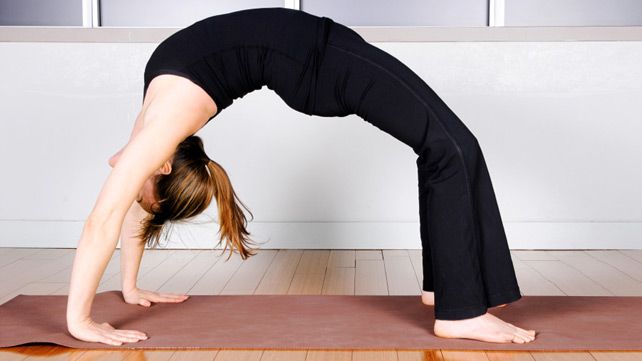
- Backbends or aggressive abdominal stretching
- Any movement that causes coning, doming, pain, or pelvic pressure
This does not mean you can never do planks, crunches, Pilates, or strength training again. It means your body needs a progression. You would not hand a newborn a taco and say, “Good luck.” Same concept.
How to Check for Doming During Exercise
Doming looks like a ridge, cone, or raised line along the center of the abdomen. It often appears when sitting up from bed, lifting both legs, doing crunch-like movements, or holding a plank. It means pressure is pushing outward through the midline instead of being managed by the deep core system.
During each exercise, look down at your belly or place your fingers gently along the midline. If you notice doming, try these fixes:
- Exhale during the effort phase.
- Reduce the range of motion.
- Slow down.
- Choose an easier version.
- Stop and return to breathing exercises.
- Ask a pelvic floor physical therapist for help.
A Simple 10-Minute Diastasis Recti Workout for New Moms
This beginner-friendly routine focuses on core connection, not calorie burning. Do it 3 to 5 times per week if it feels comfortable and you have medical clearance.
Beginner postpartum core routine
- 360-degree breathing: 6 slow breaths
- Pelvic floor contractions with breath: 8 reps
- Pelvic tilts: 10 reps
- Heel slides: 6 reps per side
- Bent knee fallouts: 6 reps per side
- Glute bridges: 10 reps
- Quadruped breathing: 6 breaths
- Wall push-aways: 8 reps
Rest as needed. If the baby starts crying, that is not a failed workout. That is interval training with emotional sound effects.
Daily Habits That Help Diastasis Recti Recovery
Exercise matters, but your core also trains during normal life. Getting out of bed, lifting the baby, carrying groceries, pushing a stroller, and standing at the changing table all affect abdominal pressure.
Use the log roll to get out of bed
Instead of jackknifing straight up like a haunted doll in a movie, roll onto your side first. Then use your arms to push yourself up while your legs swing off the bed. This reduces strain on the abdominal midline.
Exhale before lifting
Before lifting your baby, car seat, laundry basket, or heroic mountain of burp cloths, inhale gently, then exhale as you lift. Let the lower belly engage softly. This helps manage pressure and protects the healing core.
Stack ribs over hips
Many new moms stand with ribs flared and pelvis tucked or tilted, especially while feeding or carrying a baby. Try to align your ribs over your hips. Think “tall and relaxed,” not “military statue at a diaper parade.”
Avoid constipation strain
Straining on the toilet increases abdominal pressure. Hydration, fiber-rich foods, walking, and a footstool under your feet can help. If constipation is persistent, ask your healthcare provider for guidance.
Do Belly Bands Help Diastasis Recti?
Postpartum belly bands or abdominal binders may provide support, especially after a C-section or during the early healing stage. They can make walking, feeding, and daily movement feel more comfortable. However, a wrap is not a magic core-repair belt. It should support your body, not replace your muscles.
If a binder makes it hard to breathe, increases pelvic pressure, causes pain, or feels too tight, loosen it or stop using it. Pair any support garment with gentle breathing and core exercises so your muscles relearn their job instead of outsourcing it permanently.
When to See a Pelvic Floor Physical Therapist
A pelvic floor physical therapist can be incredibly helpful for diastasis recti, especially when symptoms do not improve with basic exercises. They can assess breathing mechanics, scar tissue, pelvic floor strength, abdominal tension, posture, hip strength, and pressure control.
Consider professional help if you have:
- Persistent doming or bulging
- Back, hip, pelvic, or abdominal pain
- Urinary leaking
- Pelvic heaviness or pressure
- Pain around a C-section scar
- A gap that feels very deep or soft
- Difficulty returning to exercise
- Symptoms that make daily life harder
Getting help is not dramatic. It is smart. You call a plumber when the sink leaks; you can call a pelvic floor PT when your core system needs expert troubleshooting.
How Long Does Diastasis Recti Take to Heal?
Recovery varies widely. Some moms notice improvement within weeks. Others need several months or longer, especially after multiple pregnancies, C-sections, large babies, twins, heavy lifting demands, or a return to intense exercise too soon. Healing is influenced by tissue quality, sleep, nutrition, stress, hormones, breastfeeding, genetics, and consistency.
Try not to compare your recovery to someone on social media who appears to be doing mountain climbers three weeks postpartum while wearing matching leggings and a suspiciously calm expression. Your body is not late. It is healing on its own timeline.
Progressing Your Core Exercises Safely
Once beginner exercises feel easy and you can move without doming, leaking, pain, or pressure, you may gradually progress. Good next steps may include modified side planks, bird dogs, resistance band rows, squats, hip hinges, carries, and eventually more traditional strength training.
The key word is gradually. Add one challenge at a time: more reps, longer holds, light resistance, or a harder position. Do not upgrade everything at once unless you enjoy confusing your abdomen.
Signs you are ready to progress
- You can breathe during each exercise.
- Your belly does not dome or cone.
- You feel no pelvic heaviness.
- You do not leak urine during movement.
- Your back feels supported.
- You can maintain good form when tired.
Nutrition and Recovery Support
Exercise is only one part of postpartum healing. Your body also needs enough food, protein, hydration, and rest. This is not the time for extreme dieting. Connective tissue repair, milk production for breastfeeding moms, hormone regulation, and energy all require nourishment.
Helpful basics include protein at meals, colorful fruits and vegetables, whole grains, healthy fats, and plenty of fluids. If you are too tired to cook, simple counts: eggs, Greek yogurt, rotisserie chicken, beans, oatmeal, smoothies, soups, nut butter toast, and leftovers eaten directly from a container while standing near the fridge. Glamour is optional. Recovery is not.
Real-Life Experiences: What Diastasis Recti Recovery Feels Like for New Moms
Many new moms expect postpartum recovery to be a straight line: birth, six-week checkup, cute workout outfit, instant core comeback. In real life, recovery is usually more like a stroller wheel stuck in sidewalk cracks. You move forward, pause, adjust, and sometimes mutter things that should not be embroidered on a baby blanket.
One common experience is surprise. A mom may feel ready to “get her body back,” then try a crunch and notice a ridge down the middle of her belly. That moment can feel discouraging, but it is also useful information. The body is saying, “Not that way yet.” Switching to breathing, heel slides, pelvic tilts, and glute bridges often feels boring at first because the exercises are small. But small does not mean useless. Small is where control returns.
Another experience is frustration with time. New moms are busy, exhausted, and often touched-out. A 45-minute workout may be unrealistic. The better approach is habit stacking. Do five breaths before getting out of bed. Do heel slides while the baby is on a play mat. Practice exhaling before lifting the car seat. Do wall push-aways while waiting for the bottle warmer. These tiny moments add up, and they are much easier to repeat than a heroic workout that requires perfect lighting, silence, and a baby who respects calendars.
Some moms also feel emotional about the belly bulge. That is normal. Diastasis recti can affect confidence, clothing fit, posture, and comfort. But the belly is not an enemy. It carried a baby. It stretched, adapted, and did something extraordinary. Recovery works better when it comes from respect instead of punishment. You are not “fixing a broken body.” You are rebuilding strength in a body that has been through a major event.
C-section moms may have an extra layer of complexity. Scar sensitivity, numbness, tightness, or fear of movement can make core work feel intimidating. Gentle breathing, supported positions, and guidance from a physical therapist can help reconnect the area safely. Once cleared by a provider, scar mobility work may also be recommended by a professional. The main point is not to rush. A C-section is abdominal surgery, not a spa treatment with paperwork.
Moms with toddlers face another challenge: lifting. A toddler does not care about your pressure-management strategy. They want up, down, snack, no snack, the blue cup, not that blue cup, and possibly to be carried like royalty. In these moments, practice exhaling before the lift, bringing the child close to your body, bending at the hips and knees, and avoiding twisting while loaded. Everyday lifting is part of rehab when done with awareness.
Perhaps the most encouraging experience is the moment a mom realizes her core is working again. It might happen while standing taller, walking longer, lifting the baby with less back strain, or noticing less doming during movement. These wins may not be dramatic enough for a movie montage, but they matter. Diastasis recti recovery is not about chasing a perfect stomach. It is about feeling capable in your own body again.
Conclusion
Diastasis recti exercises for new moms should be gentle, progressive, and focused on function. Start with breathing, pelvic floor coordination, pelvic tilts, heel slides, bent knee fallouts, glute bridges, and controlled quadruped work. Avoid exercises that cause doming, pain, leaking, or pelvic pressure. Use daily habits like log rolling, exhaling before lifting, and improving posture to support recovery outside of formal workouts.
Most importantly, give yourself permission to heal without panic. Your core did not become stretched overnight, and it does not need to recover overnight. With smart movement, professional support when needed, and a little patience, you can rebuild strength one breath, one rep, and one interrupted workout at a time.













