
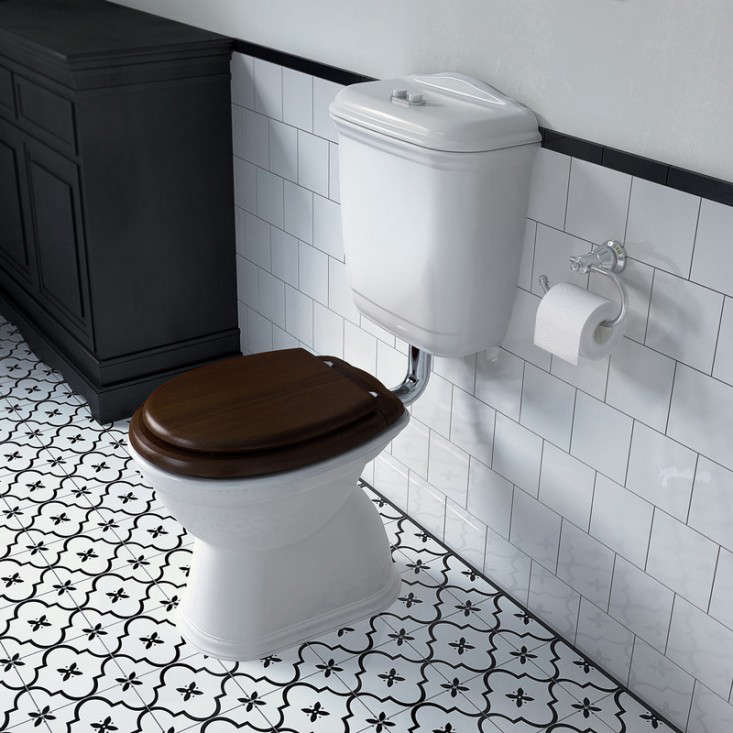
A Vintage Connector Toilet Suite sounds like something discovered in a charming old hotel where the brass is polished, the tiles have stories, and even the toilet looks like it has better manners than most people. But behind the nostalgic name is a surprisingly practical bathroom fixture: a toilet suite that blends period-inspired design with flexible installation, especially useful in older homes, renovations, heritage-style bathrooms, and spaces where modern plumbing does not always line up like it was drawn by an overly optimistic architect.
In simple terms, a connector toilet suite usually refers to a toilet where the cistern and pan are linked through a visible or adjustable connector system. Unlike many close-coupled or fully concealed modern toilets, this style can provide more flexibility when connecting to existing waste outlets and water inlets. Add vintage styling, and you get a toilet that feels classic, decorative, and functional rather than purely utilitarian.
This guide explains what a vintage connector toilet suite is, why homeowners and designers still love it, what to check before buying one, and how to style it without accidentally turning your bathroom into a museum gift shop.
What Is a Vintage Connector Toilet Suite?
A vintage connector toilet suite is a toilet system designed with traditional visual details and a connector-style installation. It may include a pan, cistern, exposed connector pipe, decorative fittings, and sometimes a timber or period-style toilet seat. The “vintage” part refers to its old-world appearance, while the “connector” part refers to the way the toilet connects the cistern, bowl, and plumbing with more flexibility than some modern fixed-position designs.
In bathrooms where the waste outlet is not located in a standard modern position, a connector toilet can be helpful. Older homes often have plumbing that refuses to behave like a showroom diagram. A connector-style toilet gives installers a little more room to work with existing pipe positions, which can reduce the need for major floor or wall changes.
Common Features
- Traditional or heritage-inspired silhouette
- Visible connector or adjustable flush pipe
- Vitreous china or ceramic pan and cistern
- Chrome, brass, gold, or antique-style fittings
- Timber, soft-close, or classic toilet seat options
- S-trap or P-trap compatibility depending on the model
- Potential water-saving flush technology in newer versions
Some product styles lean toward Victorian, Edwardian, farmhouse, or early 20th-century bathroom aesthetics. Others are more subtle, offering a classic feel without becoming theatrical. Think “timeless powder room” rather than “stage prop from a period drama.”
Why Vintage Connector Toilet Suites Are Popular Again
Bathroom design has been obsessed with sleek minimalism for years. White walls, frameless glass, hidden cisterns, floating vanitiesbeautiful, yes, but sometimes a little too quiet. Vintage fixtures bring personality back into the room. A vintage connector toilet suite can become part of the design story instead of something everyone politely ignores.
Homeowners are also looking for bathrooms that feel warm and lived-in. Vintage-inspired fixtures pair beautifully with marble, beadboard, encaustic tile, brass lighting, clawfoot tubs, pedestal sinks, patterned wallpaper, and classic subway tile. The toilet may not be the star of the bathroom, but with the right suite, it can at least stop looking like an afterthought.
It Works Well in Older Homes
One of the biggest advantages of a connector toilet suite is retrofit flexibility. In older properties, the rough-in measurement, waste pipe location, and water supply position may not match today’s most common toilet models. Reworking plumbing can be expensive and messy. A connector-style system may help bridge the gap between old plumbing and a new fixture.
It Adds Character Without Sacrificing Function
Modern reproduction toilets can offer the look of a traditional fixture while still using improved flushing systems, better glazing, more durable seats, and more efficient water use. This is the sweet spot: you get vintage charm without relying on an actual antique toilet that may flush like it is powered by a tired squirrel.
Vintage Connector Toilet Suite vs. Modern Toilet Suite
A standard modern toilet suite is often designed for a clean, compact look. Many are close-coupled, back-to-wall, one-piece, skirted, or wall-hung. These styles can be sleek and easy to clean, but they may be less forgiving when existing plumbing does not align properly.
A vintage connector toilet suite, by contrast, usually celebrates the visible parts. The connector pipe, fittings, and cistern placement can become decorative features. Instead of hiding every mechanical element, it makes them part of the design.
Choose a Vintage Connector Toilet Suite If:
- You are restoring a period home or traditional bathroom.
- Your existing plumbing layout is awkward or nonstandard.
- You prefer decorative fixtures over ultra-minimal modern designs.
- You want the toilet to coordinate with brass, chrome, or antique-style hardware.
- You are designing a powder room where a statement fixture makes sense.
Choose a Modern Toilet Suite If:
- You want the easiest-to-clean exterior possible.
- You prefer hidden plumbing and a streamlined look.
- Your bathroom is very small and every inch of projection matters.
- You are designing a contemporary, spa-like bathroom.
Key Buying Considerations
Before falling in love with a vintage connector toilet suite, measure first and daydream second. Bathrooms are not very forgiving when romance meets incorrect rough-in dimensions.
1. Check the Trap Type
Toilets usually connect through an S-trap or P-trap configuration. An S-trap exits through the floor, while a P-trap exits through the wall. The correct option depends on your existing plumbing. Some connector toilet suites are available in one trap type only, while others offer multiple versions. Always confirm compatibility before ordering.
2. Measure the Set-Out or Rough-In
The rough-in or set-out measurement determines whether the toilet will align with your waste outlet. In many U.S. bathrooms, a 12-inch rough-in is common, but older houses may have different measurements. Connector-style toilets can provide more flexibility, but they are not magic. If your measurement is far outside the model’s supported range, the installer will still have a problemand possibly a very expressive facial expression.
3. Consider Water Efficiency
Modern toilets are designed to use less water than older models. In the United States, many high-efficiency toilets use 1.28 gallons per flush or less and may carry the WaterSense label. If you want vintage style, look for a reproduction or connector-style model that balances classic appearance with current water-saving performance.
4. Look at Bowl Shape and Comfort
Round-front bowls are often better for compact bathrooms, while elongated bowls provide more sitting comfort for many adults. A vintage connector suite may come with a traditional seat shape or timber seat, so verify dimensions before assuming it will feel like your current toilet.
5. Match the Finish
Vintage-style toilets often offer visible hardware in chrome, polished brass, antique brass, brushed nickel, or gold tones. Choose a finish that coordinates with faucets, towel bars, shower trim, lighting, and cabinet pulls. A little contrast can look intentional; five unrelated metal finishes can look like the bathroom got dressed during a power outage.
Best Bathroom Styles for a Vintage Connector Toilet Suite
A vintage connector toilet suite is not limited to one design style. It can work in several bathroom looks as long as the surrounding materials support the theme.
Victorian-Inspired Bathroom
Pair the suite with a high-contrast tile floor, a pedestal sink, ornate mirror, polished brass fittings, and a classic wall sconce. A black-and-white palette works especially well because it gives the room a historic feel without making it too dark.
Farmhouse Bathroom
Use beadboard walls, warm wood shelving, oil-rubbed bronze or aged brass fixtures, and a simple white ceramic basin. A vintage connector toilet softens the practical farmhouse look and adds a hint of old-house charm.
English Cottage Bathroom
This style loves patterned wallpaper, small-scale florals, painted trim, antique mirrors, and classic ceramic fixtures. A connector toilet suite feels right at home, especially when paired with soft colors such as sage green, cream, dusty blue, or warm white.
Art Deco Bathroom
For a 1920s or 1930s feel, combine the toilet with geometric floor tile, chrome fittings, glass shelves, black trim, and a streamlined pedestal sink. The goal is crisp, glamorous, and slightly theatricalbut still practical enough for Monday morning.
Installation Tips for Homeowners
Installing a toilet may sound simple, but a connector toilet suite with visible fittings deserves careful planning. The exposed components need to be aligned neatly because they are part of the final look. If the pipe is crooked, everyone will see it. The bathroom may still function, but your inner perfectionist will never know peace.
Hire a Qualified Plumber
Unless you have plumbing experience, professional installation is the safer choice. A plumber can confirm the trap type, set-out range, water inlet position, floor condition, and sealing requirements. This is especially important in older homes where previous renovations may have produced “creative” plumbing decisions.
Confirm Parts Before Installation Day
Check that the pan, cistern, connector pipe, seat, flush mechanism, inlet valve, seals, bolts, and decorative fittings are all included or ordered separately. Vintage-style suites sometimes have optional seats or finish upgrades, so do not assume every accessory is in the box.
Plan Around Flooring
If you are replacing tile or installing new flooring, coordinate the toilet installation afterward. A vintage connector toilet can draw attention to the floor beneath it, so clean cuts, level surfaces, and proper sealing matter.
Maintenance and Cleaning
Vintage connector toilet suites are not difficult to maintain, but their visible fittings require a little extra attention. Dust can collect around connector pipes, behind the cistern, and near decorative bolts. Use a soft cloth and non-abrasive cleaner to protect chrome, brass, or gold finishes.
A timber toilet seat should be wiped dry and cleaned according to the manufacturer’s instructions. Avoid harsh chemicals that can damage protective coatings. For ceramic surfaces, regular bathroom cleaner usually works, but always avoid abrasive pads that may dull the glaze.
Prevent Common Problems
- Check around the base for leaks after installation.
- Keep connector fittings tight but do not overtighten decorative hardware.
- Clean mineral deposits before they build up around visible pipes.
- Replace worn seals promptly to prevent floor damage.
- Use the correct replacement seat if the suite has a nonstandard shape.
Pros and Cons of a Vintage Connector Toilet Suite
Pros
- Beautiful traditional styling with strong visual character
- Useful for vintage, heritage, cottage, and classic bathrooms
- Can provide more installation flexibility in older homes
- Coordinates well with decorative metal finishes
- Available in reproduction models with modern performance features
Cons
- May cost more than basic modern toilets
- Visible pipes and fittings need extra cleaning
- Not always ideal for ultra-modern bathrooms
- Some models may have limited trap or rough-in options
- Replacement seats or fittings may be more specific than standard parts
Real-Life Experience: What It Is Like to Live With a Vintage Connector Toilet Suite
Living with a vintage connector toilet suite is a little like owning a classic car that has been updated with reliable brakes. You get the character, the curves, the conversation-starting details, and the feeling that your bathroom has a point of view. But unlike a purely decorative antique, a good modern connector suite still needs to perform every day without drama.
One of the first things homeowners usually notice is how much the fixture changes the mood of the bathroom. A standard toilet can disappear into the room, which is perfectly fine. But a vintage connector suite becomes part of the design. In a powder room, it can make the space feel intentional even if the room is small. Add wallpaper, a framed mirror, a little brass lighting, and suddenly the bathroom feels like a boutique hotel instead of the tiny room guests use while asking where the hand towels are.
The second experience is more practical: installation planning matters. In older homes, the existing plumbing may be slightly off-center, unusually spaced, or patched from previous renovations. A connector-style suite can make the process easier, but it does not remove the need for accurate measuring. The most successful projects start with a plumber checking the trap type, rough-in distance, water inlet location, and floor level before the fixture is purchased. This step is not glamorous, but neither is returning a toilet. Nobody wants that errand.
Cleaning is also a little different. A sleek back-to-wall toilet has fewer exposed areas, while a vintage connector suite may have visible pipes, decorative fittings, and more curves. The tradeoff is character. The best routine is simple: wipe the exposed connector pipe weekly, keep metal finishes dry, and use gentle cleaners around decorative hardware. If the suite includes a timber seat, avoid soaking it or using aggressive products. Treat it more like furniture than plastic.
From a design perspective, the toilet looks best when other choices support it. A vintage connector suite can feel awkward if everything else in the bathroom is aggressively modern. But it shines next to traditional materials: marble-look tile, hexagon mosaics, subway tile, beadboard, pedestal basins, aged brass, polished chrome, or classic black accents. Even a simple white bathroom can look more finished when the toilet suite has a thoughtful shape and matching hardware.
The biggest lesson is balance. You do not need every item in the room to be vintage. In fact, that can feel heavy. A modern exhaust fan, efficient lighting, water-saving flush mechanism, and easy-clean surfaces can happily coexist with a period-style toilet. The goal is not to recreate 1912 exactly. Indoor plumbing has improved, and we should all be grateful. The goal is to capture the charm while keeping the comfort, cleanliness, and reliability expected in a modern home.
For many homeowners, the final verdict is simple: a vintage connector toilet suite is worth considering when the bathroom needs personality and the plumbing needs flexibility. It is not the cheapest or plainest choice, but it can be one of the most memorable. And in a room that usually gets treated as purely functional, a little memorable design is not a bad thing at all.
Conclusion
A Vintage Connector Toilet Suite is more than a nostalgic bathroom fixture. It is a smart option for homeowners who want classic style, visible craftsmanship, and practical installation flexibility. Whether used in a Victorian-inspired renovation, a farmhouse powder room, an English cottage bath, or a traditional family bathroom, this type of toilet suite can deliver character without ignoring modern expectations.
The key is to choose carefully. Measure your set-out, confirm the trap type, check water-efficiency ratings, coordinate finishes, and hire a qualified plumber for installation. When done well, a vintage connector toilet suite can make even the most practical room in the house feel designed, considered, and quietly charming. Not bad for a fixture whose main job is still, let us be honest, extremely unglamorous.











