
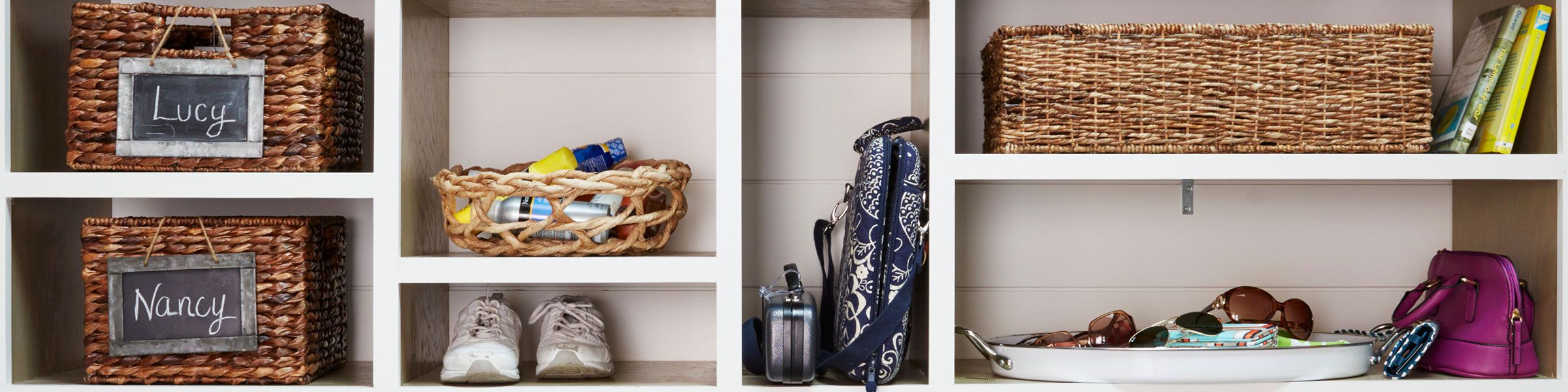
If your house has ever looked like it hosted a yard sale without your permission, welcome. Storage and organization are less about becoming a minimalist monk and more about making your home easier to live in. A well-organized space helps you find what you need, clean faster, waste less money on duplicate purchases, and avoid the classic “I know it’s here somewhere” speech that nobody enjoys hearing for the fifteenth time.
The good news is that home organization does not require a celebrity-sized pantry, a rainbow of acrylic bins, or a personal assistant named Chloe who labels your snack drawer in flawless script. It requires a plan. The best systems are practical, easy to maintain, and built around real life. That means the things you use often should be easy to reach, the things you rarely use should stop hogging premium space, and every item should have a home that actually makes sense.
In this guide, we’ll break down smart storage and organization ideas for every room, common mistakes that make clutter worse, and realistic habits that keep order from disappearing two days after your latest cleanup spree. Think of it as a friendly intervention for your overstuffed closets, messy counters, and mystery drawer full of batteries, menus, and one lonely birthday candle.
Why Storage and Organization Matter
Storage and organization are not just about appearances. Yes, tidy shelves are pleasant to look at, and yes, matching baskets can make you feel like you have your life together. But the real value is function. A good system saves time, reduces visual noise, and helps your home support your routines instead of sabotaging them.
When a space is disorganized, everyday tasks take longer. Cooking becomes harder when the pantry is a game of canned-goods roulette. Getting out the door is more annoying when keys, shoes, bags, and mail are all competing for the same surface. Even relaxing can feel harder when your eye keeps landing on piles that whisper, “You should really deal with me.”
Organized homes also help reduce overbuying. When you can clearly see what you already own, you are less likely to buy your fourth pack of paper towels, your third bottle of cumin, or yet another black T-shirt that looks suspiciously like the seven already living in your dresser.
The Big Goal: Make Your Home Easier to Use
That is the secret. Not prettier first. Easier first. Pretty can come later, once the systems work. Start by asking simple questions: What happens in this room? What items are used here most often? What keeps getting dropped on the nearest flat surface like it just gave up on life? The answers tell you what kind of storage you really need.
Declutter Before You Buy a Single Bin
This is the rule that saves money, sanity, and the tragic fate of buying twelve beautiful baskets that fit absolutely nothing. Before shopping for organizers, edit your stuff. Storage is not supposed to be a witness protection program for clutter. If you keep too much, no container on Earth will fix the problem for long.
Go category by category or room by room. Keep what you use, need, or genuinely love. Donate what is still useful but no longer serves you. Recycle or toss what is broken, expired, stained, dried out, missing pieces, or emotionally committed to chaos.
How to Declutter Without Melting Down
Keep it small and specific. Tackle one shelf, one drawer, one cabinet, or one corner instead of emptying an entire room and creating a scene that looks like a tornado got into self-improvement. Small wins build momentum.
It also helps to use quick sorting questions:
- Have I used this in the last year?
- Would I buy this again today?
- Does this belong in this room?
- Do I own too many versions of this item?
- Am I keeping this out of guilt, not usefulness?
Once you remove what no longer needs storage, the right solution becomes much clearer. Suddenly, the closet needs a second hanging rod instead of a miracle. The pantry needs risers and labels instead of a spiritual cleansing.
The Core Principles of Smart Home Organization
1. Store by Zone
Group similar items together based on how you use them. In the kitchen, keep coffee supplies near the coffee maker. In the entryway, keep shoes, keys, bags, and mail where they actually land. In the bathroom, store hair products with hair tools, first aid with medicine, and backup toiletries in one clearly defined spot.
2. Put Daily-Use Items in Prime Real Estate
Eye-level shelves, top drawers, and easy-reach cabinets should be reserved for the items you use most often. Rarely used appliances, holiday platters, extra guest linens, and once-a-year supplies can move to higher, lower, or less convenient areas.
3. Use Vertical Space
Walls, doors, shelf risers, hooks, and stackable bins do a lot of heavy lifting in small homes. Vertical storage is especially helpful in pantries, closets, laundry rooms, garages, and bathrooms where square footage is limited but wall space still has a pulse.
4. Contain the Small Stuff
Little items create big messes. Drawer dividers, trays, baskets, bins, turntables, and lidded boxes keep similar things together so they stop migrating like tiny clutter nomads. Containers work best when they are sized to the space and the category, not just chosen because they looked cute under fluorescent store lighting.
5. Label What Needs a Clear Home
Labels help everyone in the household know where things belong. They are especially useful in pantries, shared closets, toy storage, utility shelves, and family drop zones. You do not need a label maker for every object in the known universe, but labels can be the difference between a system that lasts and one that slowly devolves into “random stuff goes here.”
6. Leave Breathing Room
One of the smartest organizing ideas is to avoid filling every shelf, drawer, and bin to the top. A little extra space makes it easier to find things, put them away, clean around them, and absorb future purchases without instantly creating overflow. If your storage is packed to 100%, your home is already one impulse buy away from mutiny.
Room-by-Room Storage and Organization Ideas
Entryway: Create a Landing Zone
The entryway is command central. If it is disorganized, the whole house feels like it starts the day with one shoe missing. A bench with hidden storage, wall hooks, a narrow console, and a basket for each family member can transform this space fast.
Use a tray for keys and sunglasses, a sorter for mail, and a designated place for shoes. If you have kids, lower hooks and accessible baskets encourage independence and reduce the daily soundtrack of “Mom, where’s my backpack?”
Kitchen and Pantry: Organize for Workflow
Kitchens work best when storage matches the way you cook. Keep prep tools near prep areas, cooking utensils near the stove, food storage near the fridge, and lunch-making supplies together. In the pantry, group items by category: snacks, baking, breakfast, canned goods, grains, sauces, and grab-and-go lunches.
Clear containers can help with dry goods, but not every item needs a glamorous decanting ceremony. Focus first on visibility and access. Use shelf risers for cans, bins for snacks, lazy Susans for oils and condiments, and labels to keep categories from drifting.
Example: A family with school-age kids might create one lower pantry bin labeled Lunch Station with granola bars, crackers, fruit pouches, and napkins. That small zone saves time every weekday and reduces pantry shuffling.
Bedroom and Closet: Make It Easy to Put Things Away
Closets become chaotic when they are expected to hold everything from prom outfits to hiking gear to twelve empty gift bags “just in case.” Start by removing what no longer fits, no longer suits your life, or no longer deserves hanger space.
Then build a simple system: everyday clothes in the easiest spots, seasonal items higher up, shoes corralled on shelves or in clear boxes, and accessories contained in small bins or drawer inserts. Under-bed storage works well for off-season bedding, extra linens, or specialty clothing. Matching hangers can also make closets look instantly calmer, which is a sneaky little victory worth enjoying.
Bathroom: Think Categories, Not Chaos
Bathrooms attract duplicate products like they are running a buy-two-get-confused promotion. Sort everything into categories such as skincare, haircare, dental, first aid, medicine, and backstock. Use drawer organizers, stackable bins, and under-sink pullout drawers to make the most of awkward plumbing areas.
Keep only daily essentials on the counter. Everything else should be stored in a way that is visible but contained. The goal is a bathroom that feels calm, not one that looks like a drugstore had a minor spill.
Living Room: Hide the Busy Stuff
Living rooms often need dual-purpose storage because they hold entertainment items, books, blankets, remotes, toys, chargers, and sometimes half your life. Choose furniture that works harder: ottomans with storage, media consoles with doors, side tables with drawers, and baskets for throws or toys.
The secret here is limiting open clutter. A few styled shelves are fine. Forty-seven visible objects are a cry for help. Use closed storage for visual calm and keep surfaces edited so the room can actually feel restful.
Home Office: Create Functional Zones
A productive home office needs fewer random paper piles and more purpose-built zones. Set up separate areas for paperwork, tech, writing tools, and reference materials. A small drawer unit, vertical file sorter, cable organizer, and desktop tray can make a huge difference.
Keep only what supports your current work within arm’s reach. Archive old documents elsewhere. If your desk is doubling as a craft station, snack bar, and mail graveyard, it is time for boundaries.
Laundry Room, Utility Spaces, and Garage: Go Durable
Functional spaces need tough, easy-to-clean storage. Use labeled bins, wall hooks, sturdy shelves, and clear categories for cleaning products, tools, pet supplies, paper goods, and seasonal gear. Pegboards and wall racks can free up floor space in the garage, while slim rolling carts and over-the-door racks work well in small laundry rooms.
These spaces should feel efficient, not like an archaeological dig through household leftovers.
Habits That Keep Your Home Organized
The best organization system is the one you can maintain on a normal Tuesday when you are tired, hungry, and in no mood to fold fitted sheets. That means your home needs small routines, not heroic efforts.
Adopt Simple Maintenance Rules
- One in, one out for clothes, toys, and household extras.
- Ten-minute nightly reset for the kitchen, living room, or entryway.
- Weekly paper purge for mail, receipts, and school forms.
- Monthly mini-declutter of one drawer, shelf, or category.
- Seasonal review of closets, pantry stock, and storage bins.
These habits prevent clutter from rebuilding at full speed. They also make organizing feel like upkeep instead of punishment.
Common Storage and Organization Mistakes
Even with good intentions, some habits sabotage the whole process. Here are the big ones:
- Buying organizers before editing belongings. Containers cannot solve excess.
- Creating systems that are too complicated. If putting something away takes six steps, nobody will do it.
- Ignoring daily habits. A beautiful pantry will not stay beautiful if groceries have no landing plan.
- Using hidden storage as a black hole. Closed cabinets are helpful, but they still need categories and limits.
- Keeping duplicates without a reason. Extras are useful; mini hoards of nearly identical items are not.
- Overfilling every space. Packed shelves create visual stress and make maintenance harder.
Good organization is less about perfection and more about making the right thing the easy thing.
Final Thoughts on Storage & Organization
A well-organized home does not happen because you bought matching bins on a hopeful Saturday. It happens because you understand how your household works and design your storage around that reality. The best systems are simple, flexible, and forgiving. They make everyday life smoother, not fussier.
Start small. Pick one problem area. Declutter it honestly. Store like with like. Use the easiest spaces for the items you use most. Add containers only where they truly help. Then protect the system with tiny maintenance habits that keep clutter from sneaking back in wearing a fake mustache.
Over time, storage and organization become less of a project and more of a way your home supports you. And that is the real win: less time managing stuff, more time actually living in your space.
Real-Life Experiences With Storage & Organization
One of the biggest lessons people learn about storage and organization is that clutter is rarely just about space. It is usually about decisions delayed. A junk drawer is not full because the drawer is evil. It is full because dozens of tiny items never got assigned a real home. The same goes for hall closets, overflowing pantries, and garages that can no longer recognize themselves. Once you start organizing, you realize the problem is often not the square footage. It is the absence of clear limits and simple routines.
A common experience is discovering that the messiest areas are also the most active ones. The entryway collects shoes, packages, mail, and bags because it is where real life crashes through the front door every day. The kitchen counter becomes a clutter magnet because it is the household’s unofficial office, café, homework station, and charging hub. When people finally organize these spaces based on how they are actually used instead of how they wish they were used, the results tend to stick much longer.
Another eye-opening moment comes when people stop buying storage products as a first response. There is a special kind of optimism involved in purchasing a beautiful basket set before getting rid of anything. It feels productive. It looks productive. It is often not productive. Many people find that once they declutter first, they need fewer containers, smaller systems, and much less effort overall. Suddenly, the closet is not impossible. It just had too many “someday” clothes and not enough honesty.
People also tend to notice a mental shift after organizing even one area well. A tidy pantry can make meal prep easier and reduce food waste. An organized bathroom can speed up the morning routine. A labeled linen closet can stop the household tradition of pulling out every towel in search of one fitted sheet. These are not dramatic lifestyle transformations worthy of a movie montage, but they are meaningful. They reduce friction. And daily friction is exhausting.
Families often discover that organization works best when everyone can participate. If toy bins are too high, kids will not use them. If labels are too vague, no one knows what goes where. If the shoe storage is across the house from the door, the floor will continue to become a footwear museum. The best systems match the habits, height, and patience level of the people using them.
In the end, most experiences with storage and organization lead to the same conclusion: perfection is not required. Function is. Homes do not need to look staged every minute of the day. They need to recover quickly, support routines, and make everyday tasks feel lighter. That is what successful organization really looks like. Not a spotless fantasy, but a home that works with you instead of against you.











