
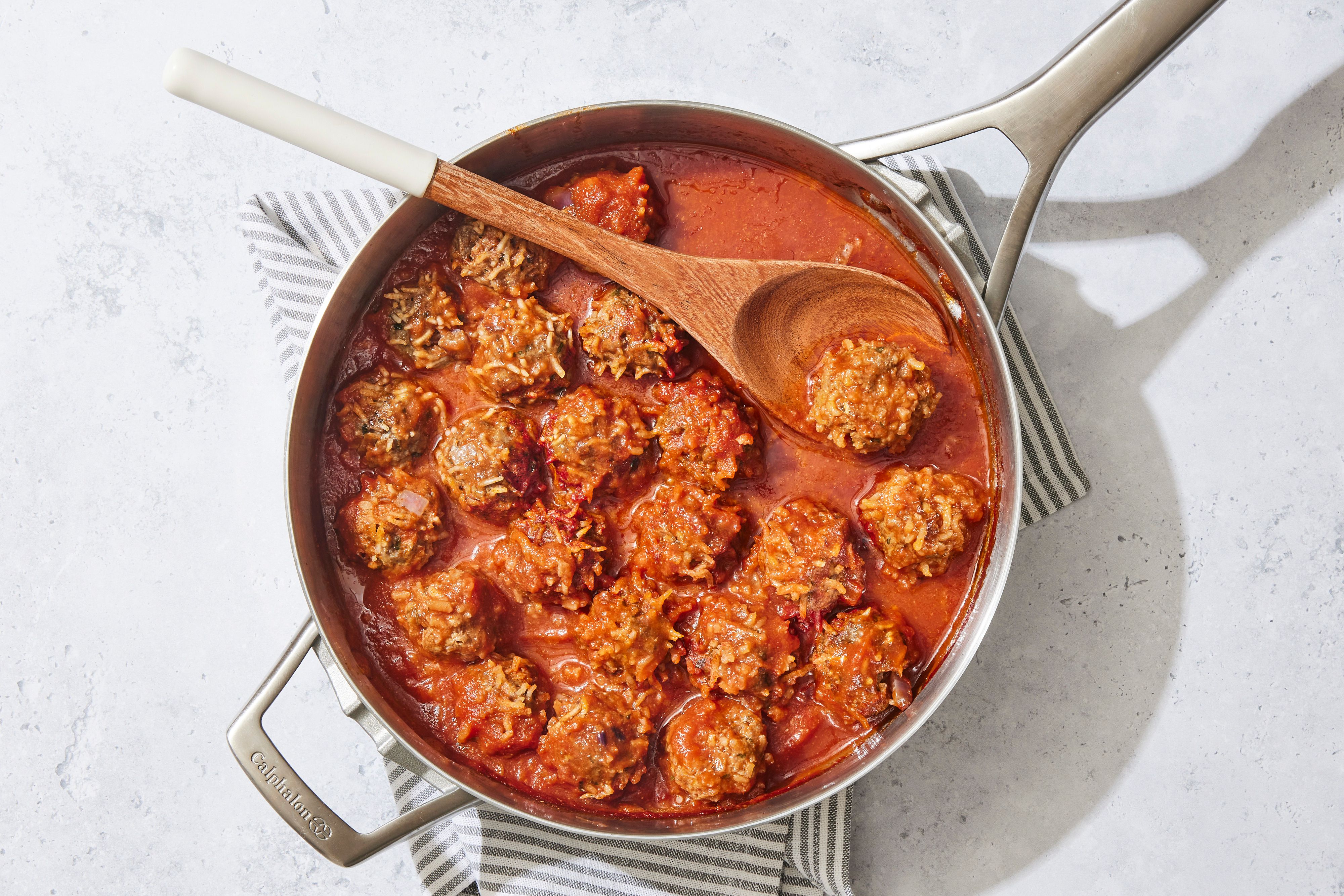
Some dinners are fancy. Some dinners are trendy. And some dinners show up wearing a tomato-sauce sweater and saying, “Relax, I’ve been feeding families for generations.” That is the magic of a great porcupine meatball recipe. Despite the slightly alarming name, there is zero porcupine involved. What you get instead is one of the coziest old-school meals around: tender beef meatballs mixed with rice, simmered in a rich tomato sauce until the grains puff up and peek out like tiny quills.
If you grew up with retro casseroles, budget-friendly weeknight dinners, or a grandmother who believed tomato soup could fix almost anything, porcupine meatballs probably sound familiar. If you did not grow up with them, welcome. You are about to meet a comfort-food classic that is hearty, inexpensive, easy to make, and weirdly adorable for something made of ground beef.
This version keeps the nostalgic spirit but tastes fresh and balanced. It uses simple pantry ingredients, clear technique, and enough seasoning to make the dish feel like dinner instead of a history assignment. Whether you serve these porcupine meatballs in tomato sauce with mashed potatoes, green beans, or just a large spoon and no patience, this recipe delivers the kind of meal that disappears fast.
Prep time: 20 minutes
Cook time: 40 to 45 minutes
Total time: About 1 hour 5 minutes
Servings: 4 to 6
What Are Porcupine Meatballs?
Porcupine meatballs are classic beef-and-rice meatballs cooked in tomato sauce until the rice softens and sticks out from the surface. That little spike effect is what gives the dish its memorable name. The recipe became popular because it stretched a pound of ground beef into a filling family meal using pantry staples like rice, onion, and canned tomato products.
In other words, this dish is comfort food with practical roots. It is clever, satisfying, and proof that humble ingredients can still throw a very good dinner party.
Why This Porcupine Meatball Recipe Works
- Uncooked rice cooks inside the meatballs, which gives them their signature look and a soft, tender texture.
- A tomato-based sauce keeps everything moist, so the meatballs stay juicy instead of dry.
- Gentle mixing helps the meatballs stay tender, not dense and rubbery.
- Simple pantry ingredients make it budget-friendly, which is part of the charm.
- The flavor is nostalgic but not bland, thanks to onion, garlic, Worcestershire, and balanced seasoning.
Ingredients for the Best Porcupine Meatballs
For the Meatballs
- 1 pound ground beef, preferably 85% to 90% lean
- 1/2 cup uncooked long-grain white rice
- 1/3 cup finely minced yellow onion
- 2 cloves garlic, minced
- 1 large egg
- 1/3 cup water
- 1 tablespoon Worcestershire sauce
- 1 teaspoon kosher salt
- 1/2 teaspoon black pepper
- 1 tablespoon chopped parsley, optional
For the Sauce
- 1 tablespoon olive oil
- 1/2 small onion, finely chopped
- 2 cloves garlic, minced
- 1 can (15 ounces) tomato sauce
- 1 can (14 to 15 ounces) diced tomatoes
- 1 cup low-sodium beef broth or water
- 1 tablespoon Worcestershire sauce
- 1 teaspoon Italian seasoning
- 1 teaspoon brown sugar
- 1/2 teaspoon kosher salt, plus more to taste
- 1/4 teaspoon black pepper
How to Make Porcupine Meatballs
1. Mix the Meatball Ingredients Gently
In a large bowl, combine the ground beef, uncooked rice, minced onion, garlic, egg, water, Worcestershire sauce, salt, pepper, and parsley if using. Mix just until everything is combined. This is not the moment to channel your inner cement mixer. Overmixing makes meatballs tough, and nobody wants to chew through dinner like it is an emotional issue.
2. Shape the Meatballs
Roll the mixture into meatballs about 1 1/2 inches wide. You should get around 16 to 18 meatballs, depending on size. If the mixture feels sticky, lightly wet your hands before shaping.
3. Build the Sauce
Heat the olive oil in a large deep skillet or Dutch oven over medium heat. Add the chopped onion and cook for 3 to 4 minutes until softened. Stir in the garlic and cook for 30 seconds. Add the tomato sauce, diced tomatoes, broth, Worcestershire sauce, Italian seasoning, brown sugar, salt, and pepper. Stir and bring the sauce to a gentle simmer.
4. Add the Meatballs
Nestle the meatballs into the sauce in a single layer as much as possible. Spoon a little sauce over the tops. Cover the skillet, reduce the heat to low, and simmer gently for 35 to 45 minutes. Turn the meatballs once halfway through if needed, being careful not to break them.
5. Check for Doneness
The rice should be tender, the meatballs should feel firm but not dry, and the centers should reach 160°F. If the sauce thickens too much before the rice is fully cooked, add a splash of broth or water and continue simmering.
6. Serve and Accept Compliments
Serve hot with a spoonful of extra sauce over the top. Add parsley for color if you want to look like a person who really has it together.
Tips for a Perfect Porcupine Meatball Recipe
Use Long-Grain White Rice
Classic porcupine meatballs with rice usually rely on long-grain white rice because it cooks predictably and creates the signature spiky look. Instant rice works faster, but the texture can be softer and less distinct. Brown rice usually needs more liquid and more time, so it is not ideal unless you adjust the recipe carefully.
Do Not Skip the Liquid in the Meatball Mixture
A little water in the meat mixture helps the rice start absorbing moisture early. That matters because the rice is doing double duty: stretching the meat and building texture.
Keep the Sauce Gentle
A hard boil is the enemy of tender meatballs. Gentle simmering lets the rice cook through and keeps the meat from tightening up.
Season More Than You Think You Need
Rice and tomato sauce mellow flavors. That does not mean you should dump in half the spice cabinet, but it does mean you should not be shy with onion, garlic, salt, pepper, and a little Worcestershire.
Common Mistakes to Avoid
- Making the meatballs too large: Giant meatballs look dramatic but can stay undercooked in the center while the sauce reduces too much.
- Using too little sauce: The rice needs moisture to cook properly, so saucy is good here.
- Overmixing: Tough meatballs are sad meatballs.
- Cooking too fast: If the sauce is bubbling aggressively, the outside may overcook before the rice softens.
- Relying on color alone: Use a thermometer for ground meat instead of guessing.
What to Serve with Porcupine Meatballs
This is one of those wonderfully flexible dinners that gets along with almost everything.
- Mashed potatoes: Excellent for catching every drop of sauce.
- Buttered egg noodles: Cozy, easy, and very retro in the best way.
- Steamed green beans: A bright, simple side that balances the richness.
- Roasted carrots: Sweet, earthy, and perfect with tomato sauce.
- Crusty bread: Because leaving sauce behind is a terrible life choice.
- A simple salad: Especially useful if you want the meal to feel a little lighter.
Easy Variations
Old-Fashioned Tomato Soup Version
If you want a more vintage vibe, swap the homemade sauce for condensed tomato soup thinned with water. It is sweeter, more nostalgic, and very close to many classic versions.
Cheesier Version
Add a sprinkle of Parmesan to the meatball mixture or over the finished dish. It is not traditional, but it is very welcome.
Spicier Version
Add a pinch of red pepper flakes or a little cayenne to the sauce for gentle heat.
Lean Protein Swap
You can make a version with ground turkey, but because turkey is leaner than beef, watch the cooking time and consider adding a little extra moisture to the mixture so the meatballs stay tender.
How to Store and Reheat
Let the meatballs cool, then store them in an airtight container with sauce. Leftovers keep well in the refrigerator for 3 to 4 days. Reheat gently on the stovetop or in the microwave with a spoonful of water or broth if the sauce has thickened too much.
You can also freeze porcupine meatballs for up to 3 months. Freeze them with the sauce for best texture. Thaw overnight in the refrigerator before reheating.
Porcupine Meatball Recipe FAQs
Why are they called porcupine meatballs?
Because the rice sticks out of the meatballs after cooking, making them look a little prickly. Thankfully, they are much more delicious than the name suggests.
Can I bake porcupine meatballs instead of simmering them?
Yes. Place the meatballs in a baking dish, pour the sauce over them, cover tightly with foil, and bake at 350°F for about 50 to 60 minutes, or until the rice is tender and the centers reach 160°F.
Can I use cooked rice?
You can, but then they are really just meatballs with rice in them. The classic texture and porcupine appearance come from uncooked rice that cooks in the sauce.
Can I make them ahead?
Yes. You can shape the meatballs a day ahead and refrigerate them before cooking. You can also cook the full dish ahead and reheat it, which often makes the flavor even better.
The Real-Life Experience of Making Porcupine Meatballs
There is a reason this dish has stuck around while plenty of other retro recipes quietly faded into the church-basement buffet of history. The experience of making porcupine meatballs is oddly reassuring. It starts with ingredients that are not trying to impress anybody: ground beef, rice, onion, tomato sauce. No truffle oil. No mysterious fermented paste you bought once and now fear. Just dinner ingredients that actually understand the assignment.
As you mix everything together, the recipe can look a little suspicious. Raw rice in meatballs? A bowl of beef and onion that somehow promises comfort? This is the stage where first-timers usually raise an eyebrow. Then the sauce starts simmering, the kitchen smells warm and savory, and suddenly the whole thing begins to make emotional sense.
The best part is what happens during cooking. Unlike flashy meals that demand minute-by-minute attention, porcupine meatballs settle in and do their work without drama. You do not need advanced knife skills or a culinary degree. You need a pan, a bowl, and the confidence to trust a recipe with a very silly name. While the meatballs simmer, the rice swells, the sauce thickens, and dinner slowly transforms from “humble” to “why does this smell like childhood?”
This is also the kind of recipe that feels bigger than the ingredient list. It feeds people generously. It stretches a grocery budget. It makes leftovers that taste like someone cared. It is perfect for the nights when everyone is hungry, nobody wants anything fussy, and your energy level is hovering somewhere between “functional” and “please hand me toast.” Porcupine meatballs do not judge. They simply arrive, saucy and dependable.
Families tend to develop strong opinions about how to serve them. Some people insist on mashed potatoes. Others want buttered noodles. Some spoon the meatballs over white rice, which is delightfully rice-on-rice and not nearly as ridiculous as it sounds. Kids usually enjoy the quirky name, adults enjoy the nostalgia, and everybody enjoys the fact that the flavor is familiar without being boring.
There is also something genuinely satisfying about making a recipe that has practical roots. This dish comes from a tradition of cooking that values thrift, comfort, and common sense. It reminds you that good food does not need to be expensive or complicated. Sometimes the smartest recipes are the ones that know how to do more with less.
And when you finally set the pan on the table, the reaction is almost always the same: curiosity first, then seconds. That is the porcupine meatball journey in a nutshell. People laugh at the name, lean in for a bite, and then start planning how soon they can have it again. Not bad for a dinner that basically says, “I brought beef, rice, and a can-do attitude.”
Conclusion
A truly great porcupine meatball recipe does not need fancy ingredients or complicated methods. It just needs the right balance of tender beef, uncooked rice, tomato sauce, and enough patience to let everything come together. This dish is classic for a reason: it is economical, filling, nostalgic, and genuinely delicious. Whether you are making it for a weeknight family dinner, a make-ahead meal, or a retro comfort-food craving, porcupine meatballs earn their place on the table every single time.












