
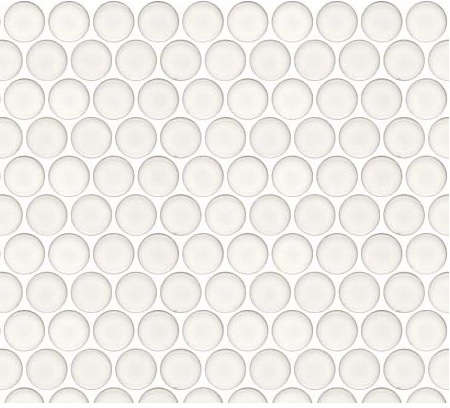
White pennyround tiles are tiny design overachievers. They are small enough to look charming, round enough to soften a room, and classic enough to survive trend cycles that come and go faster than a backsplash sample at a weekend renovation sale. Among the many options available to homeowners, designers, builders, and tile lovers with unusually strong opinions about grout, AUC White Pennyround Tiles stand out as a practical and stylish mosaic choice for bathrooms, kitchens, showers, powder rooms, laundry areas, and accent walls.
AUC, or American Universal Corporation, offers a Penny Round Series designed for interior and exterior use. That matters because pennyround tile is often chosen for spaces that work hard: shower floors, bathroom walls, entry details, kitchen backsplashes, and commercial interiors where durability and clean design both count. The white version is especially popular because it gives a space that crisp, fresh, “I definitely clean my house regularly” lookeven when real life includes toothpaste spots, coffee splashes, and a dog who believes mud is a lifestyle.
This guide explores what AUC White Pennyround Tiles are, where they work best, how to choose grout, what to know before installation, and how to keep them looking bright without turning maintenance into a second job.
What Are AUC White Pennyround Tiles?
AUC White Pennyround Tiles are small, round mosaic tiles arranged on sheets for easier installation. The pennyround shape gets its name from its resemblance to coins, but the look is much more refined than loose change on a countertop. These tiles create a rhythmic pattern that feels both vintage and modern, which is exactly why designers keep coming back to them.
White pennyround mosaics typically appear in porcelain or ceramic formats, although penny tile in general can also be found in glass, marble, metal, and other materials. AUC’s Penny Round Series includes multiple product codes and related series, giving buyers options for matching colors, trims, and companion tile sizes depending on the project. One important note with fired clay tile products is shade variation. Like many tile manufacturers, AUC notes that color can vary from lot to lot or carton to carton. Translation: order enough material at the beginning, inspect it when it arrives, and do not assume a second order will match perfectly. Tile is beautiful, but it is not a photocopier.
Why White Pennyround Tile Remains So Popular
White pennyround tile has a long-lasting appeal because it does several things at once. It brightens a room, adds texture, and gives flat surfaces a handcrafted feel without becoming visually overwhelming. In a small bathroom, the pattern creates movement. In a kitchen, it can make a backsplash feel softer than rectangular subway tile. On a shower floor, the many grout joints can add grip when properly specified and installed.
The beauty of white pennyround tile is that it does not demand one design style. It can look vintage in a black-and-white bathroom, coastal with pale wood and brushed nickel, modern with charcoal grout, or playful in a laundry room with colorful cabinetry. It is a tile shape with social skills. It gets along with almost everyone.
Classic but Not Boring
White tile is often described as “safe,” but pennyround tile proves that safe does not have to mean sleepy. The circular pattern catches light differently than flat rectangular tile, creating subtle shadows and texture. Glossy white pennyround tile can make a wall feel bright and polished, while matte white pennyround tile offers a softer, more understated finish.
Small Tile, Big Design Flexibility
Because pennyround mosaics are small, they work well in tight spaces and curved areas. They can wrap around niches, fit into shower floors, frame mirrors, or define a backsplash zone behind a vanity. The shape is especially useful where larger tile might require awkward cuts.
Best Places to Use AUC White Pennyround Tiles
AUC White Pennyround Tiles can be used in many residential and light commercial settings, but the best application depends on finish, slip resistance, substrate preparation, grout choice, and the manufacturer’s recommendations for the specific product.
Bathroom Floors
White pennyround tile is a natural fit for bathroom floors. The pattern feels fresh and classic, and the small format helps the tile follow slight floor slopes when installed correctly. This is especially useful in wet rooms and shower areas where drainage matters. For floors, a matte or slip-resistant finish is usually more practical than a high-gloss surface.
Shower Floors
Pennyround mosaics are popular on shower floors because the small pieces can conform to sloped surfaces better than large-format tile. The grout joints also add texture underfoot. However, shower installation is not a casual weekend experiment unless you already know what you are doing. Waterproofing, slope, drain detailing, mortar coverage, and grout selection all matter. A pretty tile over a poor waterproofing system is like putting a tuxedo on a leaking boat.
Kitchen Backsplashes
A white pennyround tile backsplash can make a kitchen feel clean, bright, and friendly. It pairs beautifully with shaker cabinets, open shelving, butcher block, quartz countertops, marble-look surfaces, stainless steel appliances, and brass fixtures. For a subtle look, choose white or warm gray grout. For a bold graphic effect, use charcoal or black grout.
Powder Rooms
Powder rooms are perfect places to have a little design fun. AUC White Pennyround Tiles can be used behind a vanity, around a mirror wall, or even from floor to ceiling for a boutique-hotel look. Because powder rooms usually have less moisture than full bathrooms, there may be more flexibility in grout color and finish, although cleaning still matters.
Laundry Rooms and Mudrooms
White pennyround tile can brighten utility spaces that often get ignored. In a laundry room, it works well as a backsplash behind a sink or folding counter. In a mudroom, a durable mosaic floor can add charm, but keep maintenance in mind. White tile plus muddy boots is a relationship that requires boundaries.
Design Ideas for AUC White Pennyround Tiles
The simplest design is often the strongest: white pennyround tile with matching grout. This creates a soft, cloudlike surface that feels clean and minimal. It is a great choice for small bathrooms, Scandinavian-inspired kitchens, and spaces where the tile should support the design rather than dominate it.
For more contrast, pair white pennyround tile with medium gray grout. This reveals the circular pattern without making the room feel too busy. Gray grout is also forgiving in areas where white grout might show discoloration faster.
For a dramatic vintage look, use black grout with white pennyround tile. The result feels graphic, bold, and slightly retro. It works especially well with black fixtures, white walls, and wood accents. Just remember that high contrast will highlight every circle, every sheet line, and every installation mistake. The tile will not whisper. It will announce.
Pairing With Other Tile Shapes
AUC White Pennyround Tiles can be paired with subway tile, square field tile, hexagon tile, or larger porcelain slabs. For example, use white pennyround tile on a shower floor and larger white rectangular tile on the shower walls. This creates continuity while giving each surface a different texture.
Using White Pennyround Tile as an Accent
If covering an entire wall feels too busy, use pennyround tile as an accent. A shower niche, vanity backsplash, fireplace surround, or framed wall panel can add texture without overwhelming the room. This is a smart approach for homeowners who like the look but do not want every wall to resemble a very elegant bubble wrap tribute.
Choosing the Right Grout Color
Grout is not just filler. With pennyround tile, grout becomes a major design feature because there are many joints. The grout color can change the entire personality of AUC White Pennyround Tiles.
White Grout
White grout creates a seamless, bright, and delicate look. It is ideal for spa-style bathrooms and clean kitchen backsplashes. The downside is maintenance. White grout can show staining, especially in showers, kitchens, and floors. Sealing and regular cleaning are important.
Light Gray Grout
Light gray grout is one of the most practical choices. It defines the pennyround pattern while hiding everyday discoloration better than pure white. It also pairs well with chrome, nickel, brass, black fixtures, and natural wood.
Dark Gray or Black Grout
Dark grout gives white pennyround tile a bold, high-contrast appearance. It is excellent for vintage bathrooms, modern kitchens, and statement floors. However, dark grout can sometimes show residue or mineral deposits, especially in hard-water areas. It also demands precise installation because uneven sheet placement becomes easier to spot.
Installation Tips for AUC White Pennyround Tiles
Installing pennyround mosaics requires patience. The tiles usually come mounted on mesh sheets, which helps speed up installation, but sheet lines can become visible if the installer is careless. A skilled installer will dry-lay sheets, stagger seams where appropriate, adjust individual rounds, and check the pattern from multiple angles before the mortar sets.
Prepare the Surface Properly
The surface should be clean, smooth, dry, structurally sound, and free of grease, wax, soap scum, dust, or loose material. Damaged or uneven areas should be repaired before tile is installed. This is not the step to rush. Tile has a remarkable ability to reveal every shortcut underneath it, usually after the project is finished and everyone is tired.
Watch for Sheet Lines
One of the most common penny tile problems is visible sheet outlines. This happens when the spacing between sheets differs from the spacing between individual tiles on each sheet. The solution is careful layout, blending, and adjustment. Sometimes individual penny rounds must be removed and reset by hand to keep the pattern natural.
Use the Correct Trowel and Mortar
Mosaic tiles require the right mortar coverage without too much thinset squeezing up between the tiles. The trowel size should follow the tile and mortar manufacturer’s recommendations. Too little mortar can weaken the bond. Too much can create a messy grout job. Like frosting a cupcake, coverage mattersbut nobody wants it oozing everywhere.
Grout Carefully
Pennyround tile has many joints, so grouting takes time. A grout float is used to press grout into the joints, often working diagonally across the surface to avoid pulling material back out. Cleanup should be done with clean water and a damp sponge, rinsed frequently. Rushing grout cleanup can leave haze on the tile surface, and grout haze has a special talent for appearing right when the lighting gets good.
Maintenance and Cleaning
AUC White Pennyround Tiles can be easy to maintain when the right cleaning habits are used. For glazed ceramic or porcelain surfaces, mild dish soap, warm water, tile-safe cleaners, and non-abrasive cloths are usually enough for routine cleaning. Avoid harsh chemicals and abrasive pads that may damage the surface or leave residue.
The bigger maintenance issue is grout. Because pennyround mosaics have more grout lines than large-format tile, regular cleaning is important. In kitchens, grease can settle into grout lines. In showers, soap scum, minerals, and mildew can build up. A soft brush, mild cleaner, and consistent routine will do more than one heroic cleaning marathon every six months.
How to Keep White Pennyround Tile Looking Bright
Wipe spills promptly. Rinse soap residue in showers. Use a squeegee or towel in wet areas when practical. Avoid letting dirty mop water dry on the surface. Test new cleaners in a small hidden area before using them everywhere. If the grout requires sealing, follow the grout manufacturer’s schedule. Good maintenance is not glamorous, but neither is scrubbing mystery stains while questioning every design decision you have ever made.
Pros and Cons of AUC White Pennyround Tiles
Pros
AUC White Pennyround Tiles are timeless, versatile, bright, and full of texture. They work in modern, traditional, vintage, coastal, farmhouse, and transitional interiors. Their small format makes them useful on shower floors and curved or compact areas. White pennyround tile can also make small rooms feel larger and cleaner.
Cons
The main drawback is grout maintenance. More tile edges mean more grout lines, and more grout lines mean more cleaning. Installation also requires attention to detail because sheet lines and inconsistent spacing can be visible. White tile may show dirt faster than darker tile, especially on floors. In short, pennyround tile is charming, but it is not completely low-effort. It is more like a stylish friend who needs a little extra planning before dinner.
Buying Tips Before You Order
Before purchasing AUC White Pennyround Tiles, confirm the exact product code, finish, size, recommended application, and availability. Ask whether the tile is suitable for floors, walls, wet areas, exterior use, or freeze-thaw conditions if those apply to your project. Always order samples when possible. A white tile can look warm, cool, creamy, bright, glossy, matte, or slightly gray depending on lighting and surrounding finishes.
Order extra material for cuts, waste, future repairs, and shade consistency. Many professionals recommend ordering overage for tile projects because matching later can be difficult. Inspect cartons when they arrive and blend sheets from different boxes during installation to reduce visible variation.
Real-World Experience With AUC White Pennyround Tiles
Working with white pennyround tile is a little like making a good cup of coffee: simple in theory, surprisingly easy to mess up, and deeply satisfying when done well. The first thing most homeowners notice is how much personality the tile adds before anything else is installed. Even loose sheets placed on the floor can make a bathroom feel brighter and more finished. The small circles create movement, and the white color reflects light in a way that makes cramped spaces feel less like storage closets with plumbing.
In a bathroom project, the biggest lesson is layout. It is tempting to start in one corner and move quickly, especially because mosaic sheets look ready to go. But pennyround tile rewards patience. Dry-fitting the sheets first helps you see where cuts will land, whether sheet seams are visible, and how the pattern meets walls, drains, cabinets, or thresholds. Around a shower drain, individual pieces may need to be trimmed or adjusted. This is where a careful installer earns every pennyyes, pun absolutely intended.
Another real-world point is grout color. Many people assume white tile automatically needs white grout, but that is not always true. White grout gives the softest, cleanest look, but it may require more upkeep. Light gray grout often gives the best balance: it shows the pennyround shape, hides minor discoloration, and still keeps the room bright. Dark grout creates drama, but it can make the surface look busier. Before choosing, it helps to make a sample board with the actual tile and grout. A tiny grout chip in a store aisle is useful, but it cannot fully predict how a whole floor or backsplash will look under bathroom lighting at 7 a.m.
Cleaning experience also matters. On a kitchen backsplash, white pennyround tile looks beautiful behind a range, but grease does not care about aesthetics. A quick wipe after cooking keeps the surface from getting sticky. On bathroom floors, regular sweeping or vacuuming prevents dust and grit from dulling the finish. In showers, ventilation is your best friend. Run the fan, leave the door open when possible, and rinse residue before it dries. These small habits keep the grout from becoming the villain of the renovation story.
One of the best uses for AUC White Pennyround Tiles is in spaces that need charm without visual heaviness. A narrow powder room, for example, can benefit from pennyround tile behind the sink, especially when paired with a simple mirror and warm lighting. A laundry room backsplash can look polished without feeling too formal. A shower floor can feel classic and practical when installed with the proper slope and waterproofing. The tile is small, but the finished effect feels intentional.
The biggest mistake is treating pennyround tile like large-format tile. It needs more layout checks, more grout attention, and more cleaning awareness. The reward is a surface that feels detailed, timeless, and custom. When installed well, AUC White Pennyround Tiles do not shout for attention. They sparkle quietly, soften hard edges, and make everyday rooms feel thoughtfully designed. And honestly, any tile that can make a laundry sink look charming deserves a little applause.
Conclusion
AUC White Pennyround Tiles are a smart choice for homeowners and designers who want a surface that feels bright, classic, textured, and adaptable. They can elevate bathrooms, kitchens, shower floors, powder rooms, laundry areas, and accent walls with a look that is both nostalgic and fresh. The key is choosing the right finish, selecting grout carefully, preparing the substrate properly, and maintaining the grout with regular gentle cleaning.
White pennyround tile is not the lowest-maintenance tile in the world, but it offers a level of character that large plain surfaces often lack. With thoughtful installation and realistic care habits, AUC White Pennyround Tiles can bring long-lasting charm to spaces that deserve more than basic walls and floors.












