
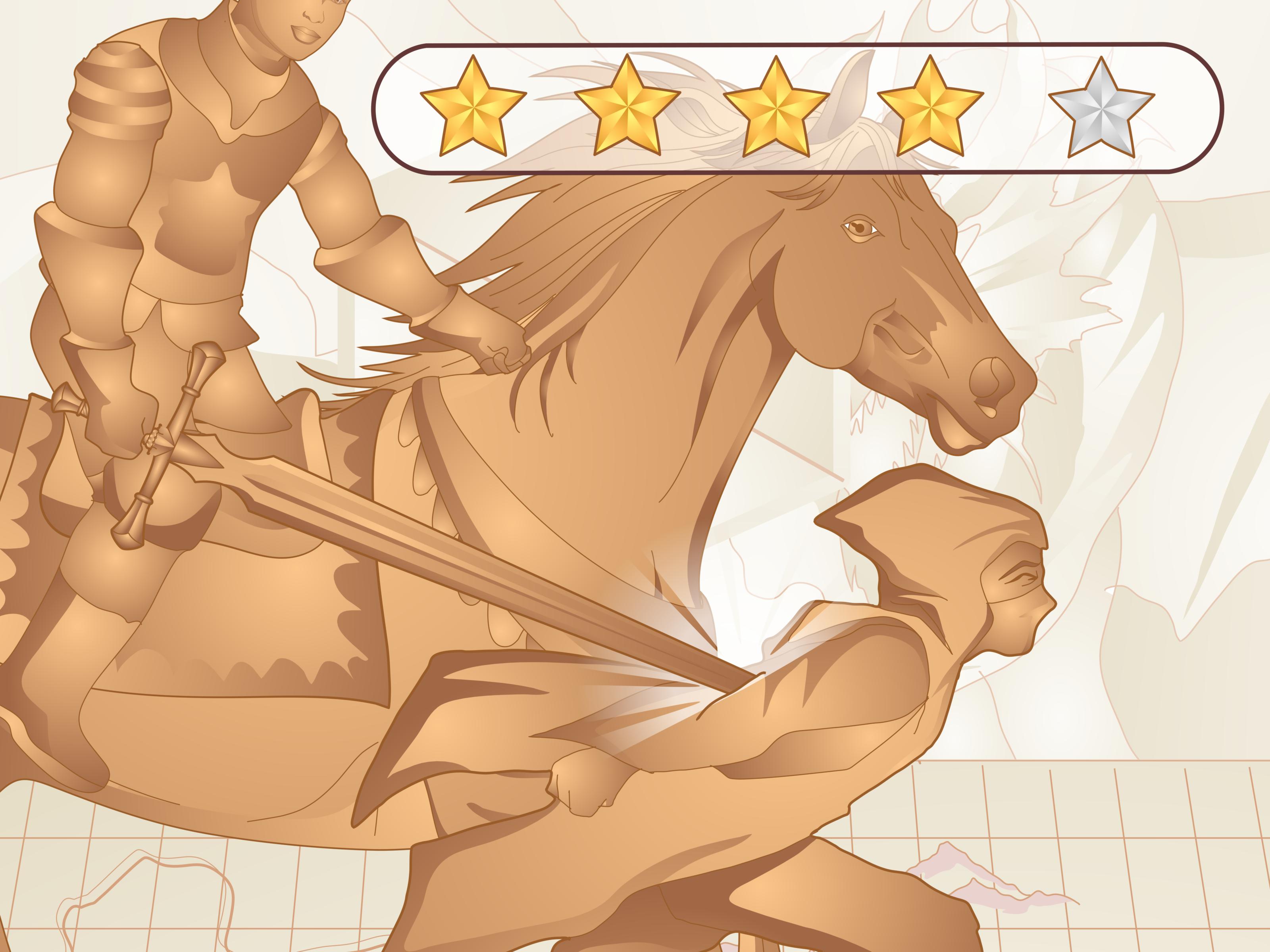
Find Steed is one of those D&D 5e spells that looks simple at first glance: cast a spell, get a loyal magical mount, ride into danger looking extremely heroic. Easy, right? Then combat starts, someone asks whether the horse gets its own turn, your DM squints at the mounted combat rules, and suddenly the table is one rules paragraph away from needing a tiny law degree.
The good news: Find Steed is not just “summon horse.” It is a long-lasting mobility, scouting, roleplay, and tactical tool wrapped in a shiny paladin package. Used well, it can make your character faster, safer, more flexible, and about 300% more dramatic when entering a town square. This guide breaks down how Find Steed works in D&D 5e, what rules matter most, how to use the spell in and out of combat, and how to avoid turning your noble warhorse into a confused speed bump with hooves.
What Is Find Steed in D&D 5e?
Find Steed 5e is a 2nd-level conjuration spell most famously associated with the paladin spell list. In the 2014 version of D&D 5e, it allows you to summon a spirit that takes the form of a loyal mount. The steed appears in an unoccupied space within range, has the statistics of the chosen form, and becomes a celestial, fey, or fiend instead of its normal creature type.
Common forms include a warhorse, pony, camel, elk, or mastiff, though the spell leaves room for the DM to allow other appropriate animals. That last part matters. A paladin in a desert campaign may want a camel. A Small character may prefer a mastiff. A knightly character may want the classic warhorse. A player with flair may ask for an elk and then spend the rest of the campaign acting like they personally invented antlers.
The spell’s basic profile is easy to remember:
- Spell level: 2nd-level conjuration
- Casting time: 10 minutes in 2014 rules
- Range: 30 feet
- Components: Verbal and somatic
- Duration: Instantaneous
- Concentration: Not required
- Primary class: Paladin
The duration being instantaneous is a big deal. You are not concentrating on the mount like a temporary summon. Once the spell creates the bond, the steed remains until it is dismissed, drops to 0 hit points, or is otherwise removed by the spell’s rules. That makes Find Steed feel less like a disposable combat spell and more like a magical class feature disguised as a spell slot.
How Find Steed Works: The Core Rules
Your Steed Is a Spirit, Not a Normal Animal
The summoned mount may look like a horse, camel, elk, pony, or mastiff, but it is not just a regular animal you grabbed from the nearest stable and gave a motivational speech. It is a magical spirit. In the 2014 rules, it uses the statistics of its chosen form, but its creature type changes to celestial, fey, or fiend. This can matter when effects target specific creature types.
The steed is also unusually intelligent. If its Intelligence would normally be 5 or lower, it becomes 6. It also understands one language you speak. That does not mean it can deliver a five-minute lecture on battlefield geometry, but it does mean your mount is far more capable than a normal riding animal. It can understand commands, react intelligently, and participate in the story as a loyal companion rather than a four-legged rental vehicle.
You Share a Magical Bond
Find Steed creates an instinctive bond between you and the mount. While the steed is within 1 mile, you can communicate with it telepathically. This is one of the spell’s most underrated features. You can silently tell your mount to wait outside a gate, circle around a hill, stay calm near suspicious villagers, or return to you if danger appears.
That telepathic communication also creates excellent roleplay opportunities. Your fiendish warhorse might be loyal but unsettling. Your fey elk might be elegant, strange, and slightly judgmental. Your celestial mastiff might be the party’s emotional support dog with divine Wi-Fi. The spell gives you mechanics, but the table gives the steed personality.
You Can Have Only One Bonded Steed
You cannot stack Find Steed repeatedly to create a holy cavalry unit. If you cast the spell again, the rules prevent you from maintaining multiple steeds bonded by this spell at the same time. You can also release the steed from its bond, causing it to disappear. This keeps the spell useful without letting one paladin solve every problem by saying, “I summon twelve horses and call it logistics.”
What Happens When the Steed Drops to 0 Hit Points?
When the steed drops to 0 hit points, it disappears and leaves no physical body behind in the 2014 rules. If you cast Find Steed again, you can summon the same steed restored to full hit points. This is emotionally convenient and tactically important. Your mount can be defeated, but the bond is not necessarily gone forever.
That said, do not treat your steed like an infinite shield with legs. It can still be targeted, damaged, frightened, blocked, or separated from you. A smart DM may use terrain, cramped interiors, enemy tactics, or social complications to keep mounted play interesting. The steed is durable as a recurring tool, not invincible as a plot coupon.
Find Steed and Mounted Combat
This is where the spell gets spicy. Mounted combat in D&D 5e has two major modes: a controlled mount and an independent mount. Understanding the difference is the key to using Find Steed without turning every fight into a rules rodeo.
Controlled Mount
A controlled mount acts on your initiative. It moves as you direct it and has limited action options: Dash, Disengage, or Dodge. This is the clean, simple mode. You use the mount primarily for movement, positioning, and safety.
For example, your paladin rides a warhorse toward a group of hobgoblins. The horse uses Dash to cover a huge distance, allowing you to reach the front line faster than your heavily armored legs ever could. Or the mount uses Disengage so you can ride away from melee without provoking opportunity attacks against the mount. This is very useful when your battle plan is “smite hard, leave before the bugbear files a complaint.”
Independent Mount
An independent mount keeps its own place in initiative and can take the actions available to it. Because Find Steed creates an intelligent magical companion with a strong bond to you, many tables allow it to function intelligently and follow your commands to the best of its ability. This can open the door to more active tactics, including attacks from the mount when appropriate.
However, independent mounts require more table management. They may have their own initiative, their own movement, and their own choices. Some DMs prefer to simplify this for speed. The best approach is to clarify with your DM before combat starts. A 30-second conversation before the session is much better than a 20-minute debate while everyone else is waiting to roll damage.
Can the Steed Attack?
The answer depends on how the mount is being run. A controlled mount is generally limited to Dash, Disengage, and Dodge. An independent mount can use its normal action options, which may include attacking, depending on its stat block or form. The 2014 spell’s wording and mounted combat rules create room for DM interpretation, so table expectations matter.
As a practical recommendation: use controlled mode when you need clean movement and reliable positioning. Discuss independent mode if you want the steed to fight actively. Do not surprise your DM mid-battle with “Actually, my horse has entered its warrior era.”
Best Mount Choices for Find Steed
Warhorse
The warhorse is the classic choice for Medium paladins. It is fast, strong, and thematically perfect for a knightly character. In open terrain, it gives you impressive reach across the battlefield. The downside is size. A Large mount can struggle in dungeons, narrow corridors, rope bridges, taverns, and basically anywhere the architect did not think, “What if a heavily armored hero brings a horse?”
Pony
A pony is useful for Small characters such as halflings and gnomes. It is less dramatic than a warhorse, but it is more manageable in tight spaces. Also, never underestimate the comedy and terror of a righteous halfling paladin charging into battle on a determined magical pony.
Mastiff
The mastiff is another excellent Small-character option. It fits the loyal companion fantasy beautifully and works well in urban campaigns where a giant horse might be inconvenient. A mastiff steed can also feel less suspicious in social scenes. A glowing celestial dog is still suspicious, of course, but less suspicious than parking a warhorse in the mayor’s dining room.
Camel
In desert campaigns, the camel becomes more than a flavor choice. It fits the environment, supports travel scenes, and makes your paladin feel grounded in the setting. If your campaign includes long overland journeys, harsh climates, and supply concerns, the camel deserves more respect than it usually gets.
Elk
The elk is stylish, fast, and memorable. It fits wilderness campaigns, fey-themed paladins, and characters who want a mount with presence. It may not be the default optimization pick at every table, but it wins points for atmosphere. Sometimes the best choice is not the one with the cleanest math. Sometimes it is the one that makes the whole table say, “Wait, you ride what?”
How to Use Find Steed in Combat
Use Mobility as Defense
Movement is one of the most powerful resources in D&D 5e. A mounted paladin can reach enemies faster, retreat from bad positions, block routes, rescue allies, and reposition for auras. Instead of standing in one spot trading hits like two refrigerators with swords, you can control where the fight happens.
One simple tactic is the strike-and-withdraw pattern. Ride in, make your attacks, then use your mount’s movement and action options to leave a dangerous area. This works best when your DM allows the mount to move before and after your attacks on your turn, but exact handling can vary. Again, discuss the table’s mounted combat flow before the dice start galloping.
Protect Your Mount
Your steed is useful, but it is not immune to bad decisions. Area effects, enemy archers, opportunity attacks, and cramped terrain can threaten it quickly. If your mount drops, you may lose your mobility at the worst possible time.
Spells and features that improve durability can be excellent. Defensive buffs, healing, aura benefits, and careful positioning all help. If an enemy is clearly waiting to punish your mount, do not charge in just because it looks cool. Looking cool is important, yes, but so is not becoming a cautionary tale with hoofprints.
Share Eligible Spells
One of the famous benefits of Find Steed is that while mounted, certain spells you cast on yourself can also affect your steed if they target only you. This can create powerful combinations. Defensive spells become more efficient when they protect both rider and mount. Mobility spells can become hilarious when your mount benefits too. Smite-style or self-buff interactions may be table-dependent, so confirm how your DM reads targeting.
Good examples to discuss with your DM include spells that improve defense, movement, or survivability. The key question is not “Would this be awesome?” because the answer is usually yes. The key question is “Does this spell target only me when I cast it?” If yes, Find Steed may allow the steed to benefit. If not, save everyone a headache and move on.
How to Use Find Steed Outside Combat
Overland Travel
Find Steed shines during travel. A reliable mount can help the party move faster, carry gear, scout nearby terrain, or make long journeys feel more cinematic. Since the steed can return after being defeated and does not require concentration, it is more dependable than a purchased animal in many adventuring situations.
It also creates great story moments. The paladin’s steed waiting outside a haunted ruin, appearing at sunrise, or carrying an injured ally back to safety can become part of the campaign’s emotional texture. Players remember the loyal mount that saved the wizard almost as much as they remember the boss fight. Sometimes more, if the wizard kept casting fireball too close to everyone.
Scouting and Communication
The 1-mile telepathic communication range is extremely useful. Your steed can wait at a crossroads, circle a camp, or remain outside a dangerous area while you stay in contact. Its ability to understand a language also makes instructions more precise than normal animal handling.
Of course, the steed is still limited by its body and senses. A horse is not a rogue. It cannot pick locks, read secret notes, or casually blend into a cult meeting. But it can notice movement, carry messages, trigger distractions, and help the party manage space.
Roleplay and Character Identity
For paladins especially, Find Steed is a roleplay gift. The mount can reflect your oath, deity, personality, or moral conflict. A Devotion paladin might summon a radiant white horse. A Vengeance paladin might ride a grim black warhorse with ember-like eyes. An Ancients paladin might bond with a fey elk covered in mossy patterns. A Watchers paladin might prefer something that looks just a little too otherworldly for comfort.
The steed can also serve as a quiet character mirror. Is your paladin gentle with it? Formal? Protective? Does the mount tease them through body language? Does it refuse to walk into obviously cursed places? A good steed becomes more than transportation. It becomes a recurring NPC that happens to be summoned from magic and occasionally eats apples.
Find Steed in D&D 2024: What Changed?
Many tables now compare the 2014 and 2024 versions of Find Steed. In the 2024 rules, the spell is still a 2nd-level paladin spell, but it is cleaner in several ways. The casting time is an action rather than 10 minutes, and the steed uses an Otherworldly Steed stat block rather than borrowing the statistics of a normal animal form. The spell also states more directly how the steed behaves in combat: it shares your initiative and functions as a controlled mount while you ride it. If you are incapacitated, it acts independently and focuses on protecting you.
This version reduces some of the old rules fog. Instead of arguing over whether a summoned warhorse, elk, or mastiff should act independently in a particular combat scenario, the 2024 spell gives a more standardized creature and clearer action timing. For players, that means fewer debates and faster turns. For DMs, it means fewer moments of asking, “Does the horse have an initiative count, and why is it rolling better than the rogue?”
If your table uses 2014 rules, follow the 2014 spell and mounted combat rules. If your table uses 2024 rules, use the updated spell. If your table mixes rules, decide before the campaign begins. Find Steed is common enough for paladins that a clear ruling saves time later.
Common Find Steed Mistakes
Treating the Steed Like a Disposable Minion
The steed can return, but that does not mean it should be thrown into danger carelessly. A good mount multiplies your options. A reckless mount becomes a sad magical cloud after one bad charge.
Ignoring Terrain
Mounted combat is amazing in roads, fields, deserts, city streets, and large chambers. It is less amazing in five-foot corridors, ladders, sewers, and goblin tunnels. Before building your entire strategy around mounted charges, ask what kind of campaign you are playing.
Forgetting Opportunity Attacks
When a mount provokes an opportunity attack while you are riding it, the attacker may be able to choose whether to target you or the mount. This makes positioning important. Disengage is often your friend. Treat it kindly.
Assuming Every Self Spell Works
The spell-sharing feature is powerful, but not every spell qualifies. The spell must target only you when you cast it. If a spell affects an area, targets another creature, or has ambiguous targeting, ask your DM before building a combo around it.
Best Character Builds for Find Steed
Paladins get the cleanest access to Find Steed. At 5th level, a paladin gains 2nd-level spell slots, making this one of the class’s signature upgrades. It pairs especially well with builds that value positioning, melee pressure, and aura placement.
A sword-and-board paladin can use the mount to reach key enemies while keeping defenses high. A lance-focused paladin can lean into mounted fantasy, though the lance’s special rules require careful handling. A support paladin can use the steed to position auras near allies, deliver healing faster, or move between threatened areas. Even ranged or spell-focused characters can benefit from the mobility, because speed helps everyone.
Multiclass characters may value Find Steed too, but access can be limited depending on your rules version and build path. Bards in 2014 games could sometimes access paladin spells through Magical Secrets, but table and edition details matter. Do not assume every online combo works in your campaign. Optimization advice ages faster than a goblin near a smite slot.
DM Tips for Handling Find Steed
For DMs, the best way to manage Find Steed is to be clear, consistent, and generous without letting the spell dominate every scene. Tell the player how you handle controlled versus independent mounts. Decide whether alternative forms are allowed. Make terrain matter. Let the steed be useful often, but not always.
Do not punish the player just for using the spell. A paladin choosing Find Steed wants the mounted fantasy. Let them have heroic charges, dramatic rescues, and cool entrances. At the same time, adventures should include varied environments. A mount may shine in a battlefield and wait outside during a cramped crypt. That is not unfair; that is the game world having doors.
Practical Examples of Find Steed in Play
Example 1: The Battlefield Charge
A 5th-level paladin sees enemy archers on a ridge. On foot, reaching them would take several turns. Mounted on a warhorse, the paladin can close the gap quickly, forcing the archers to reposition. Even if the mount does not attack, the movement changes the entire encounter.
Example 2: The Emergency Rescue
The cleric drops near the edge of combat. The paladin uses the steed’s speed to reach the cleric, apply healing, and block enemy movement. Without Find Steed, the paladin might have been too far away. With it, the party avoids a disaster.
Example 3: The Silent Signal
The party enters a suspicious village. The paladin leaves the steed outside the inn and telepathically tells it to alert them if armed strangers gather near the road. The steed cannot solve the mystery, but it can become an early warning system. That is useful, flavorful, and much cheaper than hiring a full-time lookout named Gary.
Experiences and Table Lessons: What Find Steed Teaches Players
After seeing Find Steed used across different styles of D&D 5e games, one lesson becomes obvious: the spell rewards players who think beyond damage. Newer paladin players often look at their spell slots and see smites first, healing second, and utility somewhere behind “maybe I should buy rope.” Find Steed changes that mindset. It proves that movement, positioning, communication, and persistence can be just as powerful as another pile of radiant damage.
In open-field encounters, the spell can make a paladin feel unstoppable. The character who once spent two turns clanking across the map can suddenly pressure archers, intercept enemies, and decide where the front line begins. That is a huge emotional shift. The paladin no longer waits for battle to reach them. They bring the battle a formal invitation, stamped with horseshoes.
In dungeon-heavy campaigns, the experience is different but still valuable. The mount may not fit everywhere, which teaches players to think creatively. Maybe the steed guards the entrance. Maybe it helps with travel between dungeon sites. Maybe it carries exhausted NPCs after the fight. Maybe the paladin dismisses it before entering a narrow ruin and summons it again later. The spell is not useless just because every room is not horse-shaped. It simply asks the player to adapt.
One of the best uses I have seen is treating the steed as part of the party’s planning routine. Before entering dangerous territory, the paladin gives the mount instructions: stay hidden behind the ridge, return if enemies approach, carry the wizard if things go badly, or wait for a telepathic signal. Suddenly, the mount is not just a combat feature. It is part of the group’s logistics, escape plan, and roleplay rhythm.
Another important experience is learning how much table communication matters. Find Steed sits at the intersection of spell rules, mounted combat, creature intelligence, and DM judgment. That means expectations should be set early. The player should ask, “How do you want to handle my steed in combat?” The DM should answer clearly. Once that agreement exists, the spell becomes smooth and fun instead of becoming the weekly meeting of the Rules Committee for Magical Horses.
The spell also gives DMs a chance to reward character flavor. A paladin’s steed can develop quirks, preferences, and a visible connection to the character’s oath. Maybe it refuses to abandon innocents. Maybe it dislikes undead. Maybe it appears differently after a major oath-defining moment. These touches do not need mechanical benefits. They make the spell feel personal, which is often more memorable than another +1 bonus.
For players, the biggest practical lesson is this: protect the steed, but use it boldly. If you are too cautious, the spell becomes decorative. If you are too reckless, the mount vanishes every fight. The sweet spot is confident, tactical play. Use speed to solve problems. Use telepathy to coordinate. Use the bond to create moments that feel heroic. And when the time comes to ride across the battlefield toward certain danger, at least try to look noble. The bard is probably watching.
Conclusion: Is Find Steed Worth It?
Find Steed is absolutely worth using if your campaign gives you room to benefit from movement, travel, and mounted tactics. It is not just a horse button. It is a long-lasting companion spell, a mobility upgrade, a roleplay engine, and a tactical puzzle piece. In the hands of a thoughtful paladin, it can reshape encounters without stealing the spotlight from the rest of the party.
The spell is strongest when you understand its limits. Talk with your DM about mounted combat. Choose a mount that fits your character and campaign. Protect your steed from unnecessary danger. Use telepathy creatively. Remember that sometimes the best thing your magical mount can do is not attack, but move you exactly where you need to be.
Whether you ride a celestial warhorse, a fey elk, a fiendish mastiff, or the most judgmental pony in the multiverse, Find Steed gives your paladin something rare: reliable style and real utility in the same spell. That is hard to beat. Also, let’s be honest, every heroic entrance is better with hoofbeats.













