
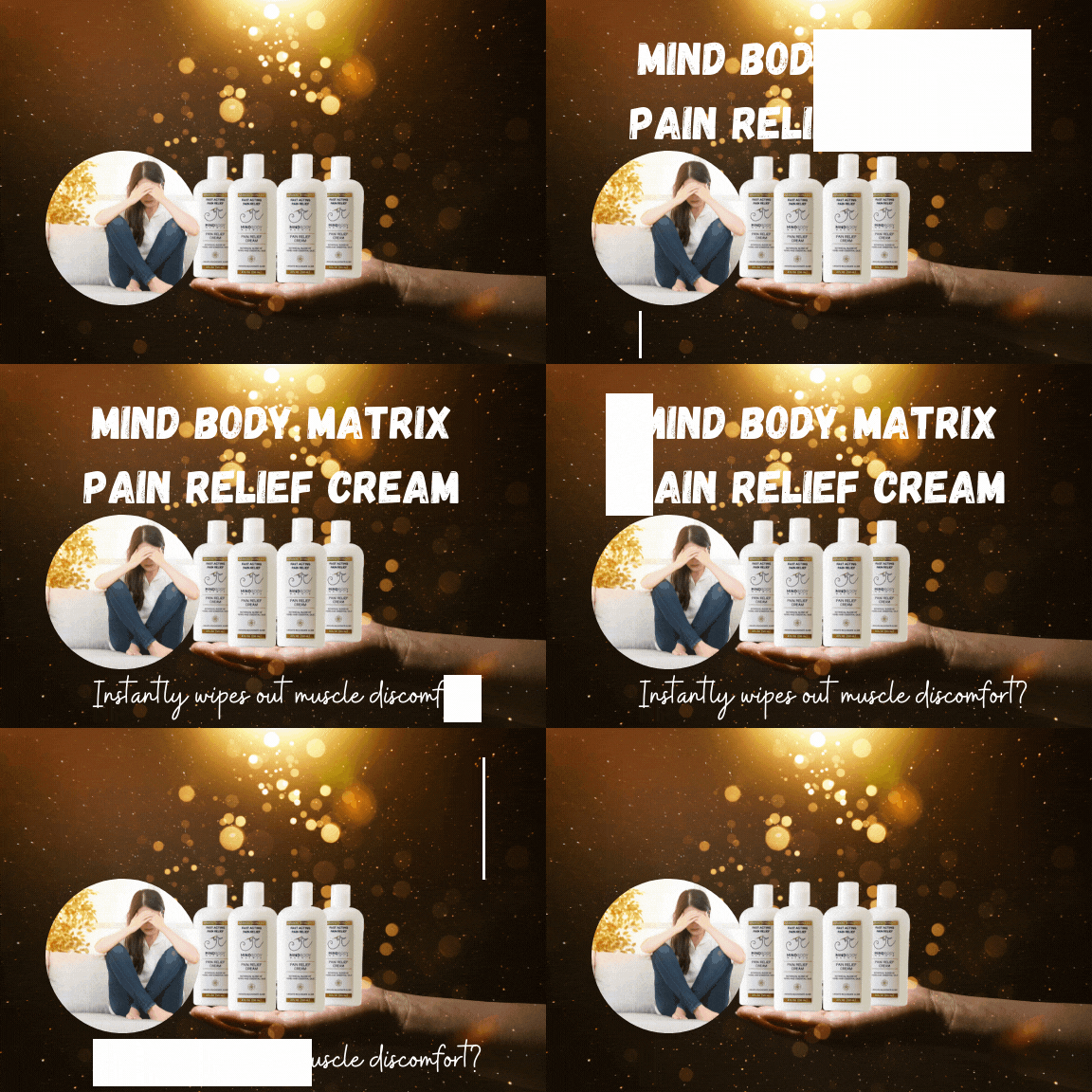
Quick verdict: MindBody Matrix Pain Relief Cream may be helpful for temporary relief of minor muscle and joint aches, especially when users like cooling menthol creams, botanical scents, and a non-greasy texture. However, it should not be treated as a cure for arthritis, chronic back pain, nerve pain, inflammation, or any serious medical condition. Think of it as a topical comfort tool, not a magic wandalthough if magic wands smelled like peppermint and lavender, this would be close.
What Is MindBody Matrix Pain Relief Cream?
MindBody Matrix Pain Relief Cream is an over-the-counter topical pain relief cream marketed for people dealing with sore muscles, stiff joints, backaches, sprains, bruises, strains, and everyday aches. Its active ingredient is menthol 1.5%, which classifies it as a topical analgesic. Menthol is commonly used in pain creams because it creates a cooling sensation on the skin that can distract the nervous system from deeper discomfort.
The product also contains a long list of botanical and supportive ingredients, including aloe vera, arnica, boswellia, calendula, chamomile, lemon balm, lavender oil, tea tree oil, peppermint oil, wintergreen oil, MSM, GABA, and L-theanine. That ingredient list is part pain-relief cream, part spa playlist, and part “someone definitely owns a diffuser.”
How Does It Work?
The most evidence-based part of the formula is menthol. Menthol belongs to a category often called counterirritants. These ingredients create a cold, warm, or tingling sensation that competes with pain signals. In plain English: your skin starts paying attention to the cooling effect, and your brain may turn down the volume on the ache.
This is why menthol creams can feel fast. You rub the cream on, the cooling sensation shows up, and the sore area feels less loud. It is not the same as repairing cartilage, reversing arthritis, healing a torn ligament, or solving years of posture sins committed in front of a laptop. But for temporary relief, especially after workouts, long desk days, mild back strain, or achy knees, menthol can be useful.
MindBody Matrix Ingredients: What Stands Out?
Menthol 1.5%
Menthol is the active ingredient and the main reason this product can legally claim topical pain-relieving effects. At 1.5%, it is relatively gentle compared with some stronger menthol rubs. That may appeal to people who dislike the “my shoulder has become a winter storm” feeling of intense cooling gels.
Aloe Vera and Glycerin
Aloe vera and glycerin help make the cream more skin-friendly and moisturizing. This matters because many pain rubs feel sticky, medicinal, or aggressively scented. A cream that absorbs comfortably is more likely to be used consistently.
Arnica, Boswellia, Calendula, and Chamomile
These botanicals are commonly associated with soothing, calming, and anti-inflammatory traditions. That said, the presence of a botanical ingredient does not automatically prove that the finished cream will dramatically reduce inflammation. A plant can have promising properties in theory, but real-world results depend on concentration, absorption, formulation, and the user’s body.
Lavender, Peppermint, Tea Tree, Lemon Balm, and Wintergreen Oils
Essential oils can improve scent and sensory experience. Peppermint and wintergreen also contribute to the “cooling rub” identity. However, essential oils can irritate sensitive skin. “Natural” does not always mean “your skin will send a thank-you card.” People with eczema, fragrance allergies, or reactive skin should patch test first.
GABA and L-Theanine
MindBody Matrix markets the cream partly around relaxation and the mind-body connection. GABA and L-theanine are better known as calming compounds in wellness supplements. In a topical cream, they make the formula unusual, but shoppers should be cautious about expecting deep nervous-system effects from skin application alone.
Is MindBody Matrix Pain Relief Cream Effective?
For temporary minor aches, it may be effective for many users. For chronic, severe, unexplained, or worsening pain, it is not enough by itself. The most realistic expectation is short-term comfort, not permanent pain removal.
Customer reviews commonly mention fast relief, a pleasant smell, non-greasy texture, and improvement in neck, shoulder, back, or leg discomfort. Positive reviews are useful, but they are not the same as controlled clinical trials. Pain is highly personal. Massage, rest, expectation, scent, cooling sensation, and the act of caring for the painful area can all influence how much relief someone feels.
That does not mean the reviews are fake or meaningless. It means they should be read like real-world feedback, not courtroom evidence. If a user says the cream helped them sleep because their neck felt calmer, that experience matters. But it does not prove the cream will work equally well for arthritis, sciatica, migraines, fibromyalgia, or every mysterious twinge that appears after age 35.
Pros and Cons
Pros
- Contains menthol, a widely used topical analgesic ingredient.
- May help with temporary minor muscle and joint aches.
- Includes moisturizing ingredients like aloe vera and glycerin.
- Many users like the scent and lightweight feel.
- Non-greasy texture may make it easier to use during the day.
- Botanical blend may appeal to shoppers who prefer plant-based wellness products.
Cons
- Not a cure for chronic pain, arthritis, injuries, or inflammation.
- Menthol relief is often temporary.
- Essential oils may irritate sensitive skin.
- Marketing claims about energetic imprinting and biofrequencies need a skeptical eye.
- Customer testimonials are not the same as independent clinical proof.
- People who want stronger evidence may prefer topical NSAID options recommended by clinicians.
Is It FDA Approved?
This is where wording matters. The product appears in public OTC drug-label databases as a menthol topical analgesic. That does not necessarily mean the exact product has gone through a product-specific FDA approval process like a prescription drug. Many OTC products are legally marketed under the OTC monograph system when they follow the required rules for active ingredients, uses, warnings, directions, and labeling.
So, a more accurate phrase is: MindBody Matrix Pain Relief Cream is an OTC menthol topical analgesic product with public drug-label information. Calling it simply “FDA approved” can be misleading unless the manufacturer has a specific approval pathway to support that claim.
Who Might Like This Cream?
This cream may be a good fit for people who want a gentle topical option for mild soreness. Desk workers with tight shoulders, casual athletes with post-workout aches, gardeners with sore hands, and people who occasionally overestimate their relationship with heavy boxes may all appreciate it.
It may also appeal to users who dislike harsh-smelling pain rubs. Some menthol products announce themselves from across the room. MindBody Matrix seems designed to feel more like a wellness cream than a locker-room liniment.
Who Should Be Careful?
People with sensitive skin, fragrance allergies, eczema, broken skin, or reactions to essential oils should be careful. Do not apply it to wounds, irritated skin, or near the eyes. Do not wrap the area tightly after applying it. If you are pregnant, breastfeeding, using blood thinners, allergic to salicylates, or managing a serious health condition, ask a healthcare professional first.
If pain lasts longer than a week, keeps returning, becomes severe, causes swelling, numbness, weakness, fever, or follows a major injury, do not keep rubbing cream on it while hoping your body is just being dramatic. Get medical advice.
How to Use It for Best Results
Use a small amount on the affected area and massage it in gently. For adults and children over two years old, public label directions say not to apply more than three to four times daily. Wash your hands afterward unless your hands are the treatment area. Avoid touching your eyes, because menthol near the eyes is the kind of life lesson nobody needs twice.
For soreness after activity, apply it after cooling down, stretching lightly, and drinking water. For desk-related neck tension, combine it with posture breaks, shoulder rolls, and less aggressive staring at spreadsheets. For joint aches, use it as part of a broader routine that may include movement, strength work, weight management, sleep, and medical guidance.
MindBody Matrix vs. Other Pain Relief Creams
Compared with classic menthol creams, MindBody Matrix feels more wellness-oriented because of its botanical blend and relaxation-focused branding. Compared with topical NSAID gels, it may have less clinical evidence for arthritis pain. Compared with lidocaine creams, it does not numb the area in the same way. Compared with capsaicin creams, it is likely easier for many people to tolerate because capsaicin can burn like a chili pepper joined a gym.
The right choice depends on the pain. Menthol creams are often best for temporary, surface-level relief. Topical NSAIDs may be better studied for osteoarthritis. Lidocaine may be preferred for certain nerve-like sensations. A clinician can help match the product to the pain pattern.
Real Customer Review Themes
Across public reviews and product testimonials, several themes appear repeatedly. Users often mention that the cream feels soothing, absorbs well, smells pleasant, and works quickly for minor aches. Neck, shoulder, back, leg, and general muscle discomfort are common use cases. Some reviewers compare it favorably with other creams they have tried.
The more cautious interpretation is that the cream seems to deliver a pleasant topical experience with temporary relief for some users. The bolder interpretation“this cures pain permanently”is not supported by the type of evidence available. Good reviews are encouraging. They are not a medical guarantee.
Experience Section: What Using a Cream Like This Feels Like in Real Life
Imagine a typical weekday evening. Your neck is tight from leaning toward a screen all day, your lower back has opinions, and your knees are reminding you that stairs are basically unpaid fitness equipment. A cream like MindBody Matrix fits into that moment as a small, low-effort ritual. You apply a pea-sized amount, rub it in, and within a few minutes the cooling sensation begins. The feeling is not usually dramatic like an ice bath or a superhero transformation scene. It is more like the pain gets moved from the front row to the balcony.
The texture matters more than people think. A greasy pain rub can ruin the experience because nobody wants to leave fingerprints on a keyboard, phone, couch, dog, or sandwich. A lighter cream is easier to use during normal life. If the scent is pleasant, users may be more willing to apply it before bed or after a shower. That kind of consistency can make the product feel more valuable, even when the relief is temporary.
For post-workout soreness, the experience may be especially satisfying. After a long walk, a beginner strength session, or an enthusiastic attempt to “just move one piece of furniture,” rubbing the cream into calves, shoulders, or lower back muscles can provide a comforting cooling effect. The massage itself also helps. Sometimes the product gets all the credit when your hands did half the work. That is fine. Teamwork counts.
For chronic pain users, expectations should be more careful. A cream can be part of a routine, but it should not become the whole routine. People with recurring pain often do best when they combine topical relief with movement, stretching, strengthening, sleep improvement, stress management, and professional care. The “mind-body” angle is not silly in that broader sense. Stress, poor sleep, fear of movement, and muscle tension can make pain feel worse. A calming ritual may help some people feel more in control.
The best experience is likely for someone who says, “I need something soothing for minor aches, I like botanical creams, and I understand this is temporary relief.” The worst experience is likely for someone expecting one tube to erase years of arthritis, fix a herniated disc, or replace a diagnosis. Pain creams are helpful tools, but they are not tiny doctors in a bottle.
A smart first test is to apply a small amount to one sore area and track results honestly. How fast did relief begin? How long did it last? Did the skin react? Did the scent bother you? Did it help enough to justify the price? That simple review method is better than reading twenty glowing testimonials while your shoulder is shouting.
Final Verdict: Is MindBody Matrix Pain Relief Cream Worth Trying?
MindBody Matrix Pain Relief Cream looks most worthwhile for people seeking temporary, pleasant, menthol-based relief for minor aches and pains. Its biggest strengths are the familiar active ingredient, moisturizing cream base, botanical scent profile, and positive user feedback. Its biggest weaknesses are the limited product-specific clinical evidence and marketing language that may sound stronger than the proof behind it.
If you enjoy topical pain creams and want a gentler menthol product with a wellness feel, it may be worth trying. If you need proven arthritis treatment, serious injury care, or long-term chronic pain management, use it only as a supporting tool and talk with a healthcare professional. The cream may help you feel better. Just do not ask it to perform orthopedic surgery while you sleep.











