
Few shopping trips end with the same level of edible comfort as a visit to IKEA. You walk in for a lamp, somehow leave with napkins, storage bins, a plant you swear you will keep alive, and, if you are wise, a plate of Swedish meatballs covered in creamy sauce. For years, IKEA meatballs have been more than a cafeteria item. They are part of the brand’s global identity: practical, cozy, affordable, and oddly capable of making a furniture maze feel like a destination.
That is why home cooks paid attention when IKEA shared its iconic meatballs recipe. The surprise was not just that the company revealed the secret-style formula. It was that the recipe was refreshingly simple: a six-step process using everyday ingredients like ground beef, ground pork, onion, garlic, breadcrumbs, egg, milk, cream, stock, soy sauce, and Dijon mustard. In other words, no mysterious Scandinavian wizard dust required. Just solid technique, good seasoning, and a sauce worth protecting from anyone holding a spoon too casually.
This guide breaks down the recipe, explains why each step matters, and shows how to make IKEA-style Swedish meatballs at home without turning your kitchen into a flat-pack construction zone. You will also find practical tips, serving ideas, storage advice, and a longer personal-experience section at the end for anyone who has ever tried to recreate restaurant comfort food and discovered that “simple” still benefits from a little strategy.
Why IKEA Meatballs Became So Famous
IKEA’s Swedish meatballs are popular because they sit at the sweet spot between comfort food and convenience. They are small enough to feel snackable, hearty enough to become dinner, and neutral enough to please picky eaters, hungry adults, and children who mysteriously reject dinner at home but accept it in a furniture store. The dish also has a memorable balance: savory meatballs, silky cream sauce, potatoes, green peas, and bright lingonberry jam.
That contrast is the magic. The meatballs bring richness. The cream sauce adds body. Mashed potatoes or boiled potatoes make the plate feel complete. Lingonberry jam adds a tart-sweet pop that cuts through the creaminess. Without that little red spoonful, the plate is still good. With it, the whole meal suddenly puts on a tiny Swedish sweater.
Another reason the recipe travels well is that Swedish meatballs are not difficult in theory. The ingredients are familiar, and the process is approachable. The challenge is technique: keeping the meatballs tender, shaping them evenly, browning them without breaking them, and building a sauce that tastes rich instead of floury. IKEA’s six-step version is smart because it organizes the process clearly and keeps the home cook moving from mixing to serving without unnecessary drama.
The Ingredients Behind the Iconic IKEA Meatballs Recipe
The meatball mixture begins with a combination of ground beef and ground pork. Beef gives the meatballs a deep, savory flavor, while pork adds tenderness and moisture. This blend is a classic approach because all-beef meatballs can become dense if overmixed, while pork helps soften the texture. The onion and garlic provide aromatic flavor, breadcrumbs help bind the mixture, egg adds structure, and milk brings moisture.
The cream sauce is equally important. IKEA’s style relies on butter, flour, stock or bouillon, cream, soy sauce, and Dijon mustard. Butter and flour form a roux, which thickens the sauce. Stock supplies savory depth. Cream creates that smooth, cafeteria-famous finish. Soy sauce may surprise some cooks, but it adds salty umami without making the sauce taste like soy sauce. Dijon mustard adds gentle sharpness, keeping the gravy from becoming flat.
What makes the recipe useful for home cooks is that it does not demand rare ingredients. Even lingonberry jam, while traditional in IKEA-style serving, can be substituted with cranberry sauce or red currant jelly if needed. Purists may raise an eyebrow, but dinner will survive. The goal is not to pass a Swedish citizenship exam; it is to get a delicious plate of meatballs on the table.
The 6 Steps IKEA Uses to Make Its Famous Meatballs
IKEA’s recipe can be understood as six main stages: mix the meatball ingredients, shape and chill, brown the meatballs, finish them in the oven, prepare the cream sauce, and serve with potatoes. Each step has a clear purpose, and skipping one can change the final texture.
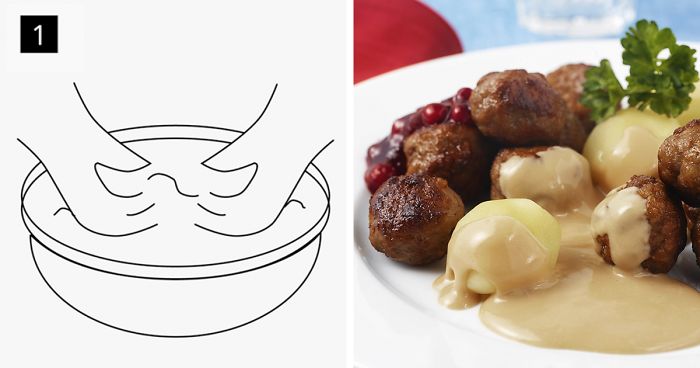
Step 1: Mix the Meatball Base
The first step is combining ground beef and ground pork, then adding finely chopped onion, garlic, breadcrumbs, egg, milk, salt, and pepper. The key is to mix thoroughly enough that everything is evenly distributed, but not so aggressively that the meat becomes compact. Overworked meatballs can turn springy and tough, which is great if you are making edible ping-pong balls, less great if you want dinner.
Use clean hands or a fork and mix gently. If the onion is chopped very finely, it blends better and helps prevent large pieces from making the meatballs fall apart. If you prefer a smoother texture, grating the onion is another practical option. The moisture from the onion also helps keep the meatballs juicy.
Step 2: Shape and Chill the Meatballs
After mixing, the recipe calls for shaping the mixture into small round balls and chilling them. This step matters more than impatient cooks want to admit. Chilling helps the meatballs hold their shape during browning. It also gives the breadcrumbs time to hydrate, which improves texture.
A small cookie scoop can help keep the meatballs uniform. Even sizing is not just about looks; it helps them cook at the same rate. If some are the size of marbles and others resemble golf balls, dinner becomes a guessing game. Aim for small, bite-sized meatballs that brown quickly and fit nicely on a plate with potatoes and sauce.
Step 3: Brown the Meatballs
Browning builds flavor. A hot pan with a little oil creates a savory crust on the outside of each meatball. This is where the recipe moves from “ground meat mixture” to “something smells amazing.” Do not overcrowd the pan. If the meatballs are packed in tightly, they steam instead of brown.
Work in batches if necessary. Turn the meatballs gently so they brown on all sides. They do not need to be fully cooked at this stage because the oven will finish the job. The goal is color, flavor, and structure.
Step 4: Finish Cooking in the Oven
Once browned, the meatballs are transferred to an oven-safe dish and cooked through. This step is helpful because it finishes the center without forcing the outside to spend too much time in the pan. It also frees you to start the sauce while the meatballs finish cooking.
For food safety, ground beef and pork mixtures should be cooked to an internal temperature of 160 degrees Fahrenheit. A small instant-read thermometer is the easiest way to check. Color alone can be misleading, especially with meatballs, sauce, and lighting that makes your kitchen look like a dramatic cooking show.
Step 5: Make the Cream Sauce
The cream sauce starts with melted butter and flour. Cook them together for a couple of minutes while stirring so the flour loses its raw taste. Then whisk in stock gradually to prevent lumps. Once the base is smooth, add cream, soy sauce, and Dijon mustard. Let it simmer until it thickens into a glossy sauce.
If the sauce becomes too thick, add a small splash of stock or water. If it is too thin, simmer it a little longer. The sauce should coat the back of a spoon without turning into paste. Think luxurious gravy, not wall spackle.
Step 6: Serve With Potatoes and Enjoy
The classic IKEA-style plate includes meatballs, cream sauce, potatoes, green peas, and lingonberry jam. Creamy mashed potatoes are especially good because they catch the sauce. Boiled baby potatoes work well too, especially if you want a lighter, more traditional plate.
Green peas add color and freshness, while lingonberry jam provides that sweet-tart contrast. If lingonberry jam is hard to find, cranberry sauce is a reasonable substitute. The final plate should feel cozy, balanced, and just fancy enough to make you forget you once got lost in the lighting section for 22 minutes.
Why the Recipe Works So Well
The success of this IKEA meatballs recipe comes from balance. The beef and pork blend creates flavor and tenderness. Breadcrumbs and milk work together like a panade, helping the meatballs stay moist instead of becoming dense. Chilling improves structure. Browning adds depth. The oven finish keeps the cooking controlled. The sauce ties everything together with richness, salt, and a little tang.
It is also a forgiving recipe. If you chop the onion a little too large, the world will keep spinning. If your meatballs are not perfectly round, they will still taste good. If the sauce thickens too much, you can loosen it. The recipe has enough structure for beginners but enough flavor potential for experienced cooks to enjoy tweaking it.
Common Mistakes to Avoid
Overmixing the Meat
Mixing too firmly can make meatballs tough. Combine the ingredients until they are evenly incorporated, then stop. This is not bread dough. It does not need a workout playlist.
Skipping the Chill Time
Chilling helps the meatballs keep their shape in the pan. If you skip this step, they may still taste good, but they are more likely to flatten, crack, or crumble.
Crowding the Pan
Meatballs need space to brown. If too many go into the pan at once, moisture builds up and the meatballs steam. Brown them in batches for better flavor.
Rushing the Roux
Butter and flour need a little time together before liquid is added. Cooking the roux briefly improves the sauce’s flavor and prevents a raw flour taste.
Easy Variations for Home Cooks
Once you understand the basic IKEA-style recipe, it is easy to adjust. Add a pinch of nutmeg or allspice for a warmer flavor. Use panko breadcrumbs for a lighter texture. Replace part of the cream with milk if you want a lighter sauce, though the result will be less rich. Add a spoonful of sour cream at the end for tang, but keep the heat gentle to avoid curdling.
For a party version, make smaller meatballs and serve them with toothpicks and a bowl of warm cream sauce. For a weeknight dinner, serve them over mashed potatoes or egg noodles. For leftovers, turn them into a meatball sandwich with sauce, pickles, and a spoonful of jam on the side. It may not be traditional, but it will be gone quickly.
How to Store and Reheat IKEA-Style Meatballs
Cooked meatballs can be stored in an airtight container in the refrigerator for three to four days. Keep the sauce separate if possible, especially if you want the best texture when reheating. To reheat, warm the meatballs gently in a covered skillet with a splash of stock or water, then add the sauce once they are hot. You can also microwave them in short intervals, stirring between rounds.
For freezing, place cooked meatballs on a tray until firm, then transfer them to a freezer-safe bag or container. Freeze the sauce separately. This prevents the meatballs from clumping together and makes it easier to reheat only what you need. Future you will be grateful, especially on a night when cooking feels as ambitious as assembling a wardrobe without instructions.
What to Serve With IKEA Meatballs
Mashed potatoes are the obvious choice because they soak up the cream sauce beautifully. Boiled baby potatoes are another classic option. Egg noodles work well for an American comfort-food twist. Roasted carrots, cucumber salad, steamed green beans, or simple peas can add freshness.
Lingonberry jam is the signature pairing, but cranberry sauce, red currant jelly, or even a tart cherry preserve can create a similar sweet-acidic balance. The goal is contrast. Rich meat and creamy sauce need something bright to keep the plate from feeling too heavy.
Why This Recipe Is Perfect for Web-Worthy Home Cooking
The reason “IKEA Shares Their Iconic Meatballs Recipe And It Consists Of Only 6 Steps” is such a clickable topic is simple: it combines nostalgia, usefulness, and curiosity. People know the dish. They want the recipe. They like the idea that a famous restaurant-style favorite can be made at home without complicated equipment. It is the kind of content that appeals to busy parents, students, home cooks, food lovers, and anyone who has ever gone to IKEA hungry and left spiritually changed by gravy.
From an SEO perspective, the topic also naturally includes valuable related phrases: IKEA meatballs recipe, Swedish meatballs, cream sauce, homemade meatballs, copycat IKEA meatballs, lingonberry jam, and easy dinner ideas. These keywords fit naturally because they are part of the story and the cooking process. There is no need to stuff them awkwardly. Nobody wants to read “IKEA meatballs recipe IKEA meatballs recipe Swedish meatballs IKEA meatballs” unless the article is being written by a broken toaster.
Experience Section: Making IKEA Meatballs at Home Feels Like a Tiny Culinary Adventure
There is something funny about making IKEA meatballs at home. At first, it feels like a simple dinner project. Then, somewhere between shaping the twentieth tiny meatball and trying not to splash cream sauce on the stovetop, you realize you are recreating a very specific memory. It is not just about meat and gravy. It is about the feeling of finishing a long store walk, sitting down with a tray, and taking that first bite when your feet are tired but your appetite is victorious.
The first time many home cooks try this recipe, the biggest surprise is how familiar the ingredients are. There is no secret packet or impossible restaurant-only technique. The flavor comes from ordinary pantry logic: onion, garlic, breadcrumbs, milk, and a creamy sauce built from butter, flour, stock, and cream. That is encouraging because it means the recipe is not locked behind a commercial kitchen. It belongs in a normal home kitchen, even one with a drawer that refuses to close because someone keeps buying extra measuring spoons.
The shaping step is where patience becomes important. Small meatballs cook more evenly and feel closer to the IKEA experience, but they take time. This is a good moment to put on music, invite someone to help, or accept that your first few meatballs may look like tiny asteroids. Perfection is not required. In fact, slightly imperfect meatballs can look more homemade and charming. The important thing is to keep them close in size so they cook evenly.
Browning is the most satisfying stage. The kitchen begins to smell rich and savory, and the meatballs develop a crust that makes the final dish taste deeper. This is also where confidence grows. At the start, you may worry that the meatballs will fall apart. After the first batch browns successfully, you start turning them like you have hosted a Swedish dinner club for years. A little space in the pan makes all the difference.
The sauce is where the recipe becomes comfort food. Butter and flour may not look exciting at first, but once stock and cream are whisked in, the mixture turns glossy and inviting. Soy sauce and Dijon mustard give the sauce personality without shouting. They are background singers, not the lead vocalist. The result is a creamy gravy that tastes familiar but layered.
Serving the finished dish is the reward. Spoon the meatballs over mashed potatoes, pour the sauce generously, add peas for color, and place lingonberry jam on the side. The first bite should be savory, creamy, tender, and slightly sweet if you catch a little jam. It is the kind of meal that makes people quiet for a few seconds, which is one of the highest compliments dinner can receive.
The best part is how repeatable the experience becomes. After making the recipe once, you start seeing possibilities. Maybe next time you add a pinch of allspice. Maybe you freeze half for a busy night. Maybe you make extra sauce because everyone knows the sauce disappears faster than expected. IKEA’s six-step meatballs recipe works because it gives home cooks a reliable foundation and leaves room for personal touches.
In the end, making IKEA-style meatballs at home is not about replacing the store experience. It is about borrowing the best part of it and bringing it to your own table. No checkout line, no missing shelf peg, no debate over whether that side table will fit in the car. Just a warm plate, a creamy sauce, and the small satisfaction of knowing you made an iconic comfort dish yourself.
Conclusion
IKEA’s iconic meatballs recipe proves that great comfort food does not need to be complicated. With just six main steps, home cooks can recreate the famous Swedish-style meatballs using accessible ingredients and practical techniques. The secret is not one magical ingredient. It is the combination of tender beef-and-pork meatballs, careful chilling, flavorful browning, a creamy sauce, and classic sides like potatoes, peas, and lingonberry jam.
Whether you are making them for a cozy family dinner, meal prep, a casual party, or simply because you miss the taste of IKEA’s restaurant, this recipe delivers comfort with a side of nostalgia. Follow the steps, avoid overmixing, give the meatballs time to chill, and do not underestimate the power of that creamy sauce. Your kitchen may not come with a showroom, but it can absolutely smell like the best part of the IKEA trip.













