
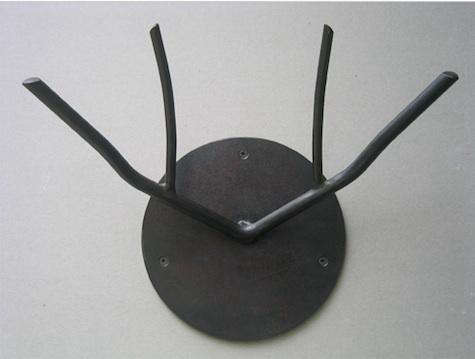
Some storage ideas shout. Others quietly save your hallway from becoming a tragic pile of coats, tote bags, scarves, dog leashes, and one mysterious reusable shopping bag that nobody remembers owning. The hooks from Formed and Found, discovered via Poppytalk Handmade and featured by Remodelista, belong to the second category: useful, sculptural, and just unusual enough to make a wall feel considered rather than merely “equipped.”
At first glance, a wall hook seems too small to deserve serious design attention. It is, after all, a thing you hang things on. But anyone who has lived in a small apartment, an old farmhouse, a busy family home, or a rental with exactly one closet knows the truth: good hooks are tiny heroes. They create storage where furniture cannot fit, make everyday items easier to grab, and add personality without demanding square footage. In a world full of oversized organizers and bulky storage benches, a beautiful hook is the design equivalent of a calm, capable friend who always has a spare phone charger.
The appeal of the Formed and Found hooks is rooted in that balance between function and form. Zoe Bissell, the designer behind Formed and Found, was noted as a Parsons graduate working from a century-old farmhouse in upstate New York. Her hooks were described as a modern riff on the antler look, alongside custom steel clothes hangers. That detail matters because the best storage hooks do more than hold weight. They hold a mood.
Why Designer Storage Hooks Still Feel Fresh
Trends come and go, but wall hooks keep coming back because they solve a very real problem: most homes have more vertical space than floor space. A hook turns an empty wall, door, cabinet side, closet interior, or entry corner into a landing zone. Unlike a cabinet, it does not require a door swing. Unlike a bench, it does not eat up walking room. Unlike a basket, it does not invite everyone to toss in “just one more thing” until it becomes a decorative compost heap of receipts and gloves.
What makes a designer hook different is intention. A cheap plastic hook may do the job for a while, but a sculptural wood, metal, or ceramic hook can become part of the room’s visual language. The Formed and Found approach feels especially interesting because it borrows from nature without becoming rustic cliché. The antler-inspired silhouette suggests branches, movement, and handmade irregularity, but the modern finish keeps it from looking like a lodge gift shop escaped into your hallway.
The Beauty of Small-Scale Design
There is something wonderfully democratic about hooks. You may not be ready for a new kitchen, a custom closet, or a built-in mudroom, but you can probably choose better wall hooks. That small upgrade can change how a room behaves. In an entryway, hooks keep coats and backpacks from migrating to dining chairs. In a bedroom, they hold robes, tomorrow’s outfit, or the jeans you swear are not dirty enough for the laundry. In a bathroom, they rescue towels from the floor. In a kitchen, they let cutting boards, aprons, mugs, or market bags become part of the decor.
Designer hooks are also forgiving. A single hook can stand alone as a small accent. A set of three can become a rhythm. A staggered arrangement can look playful. A perfectly aligned row can look crisp and architectural. The trick is to decide whether the hook should disappear into the background or act like tiny wall art with a job.
What Poppytalk Got Right About Handmade Home Goods
Poppytalk Handmade became known for spotlighting independent makers, vintage finds, and emerging design talent. That kind of curation matters because the internet is excellent at offering one million options and terrible at telling you which ones have soul. The Formed and Found hooks stand out because they carry the marks of individual design thinking. They are not just storage hardware; they feel like objects selected by someone who notices texture, proportion, and the awkward beauty of everyday routines.
Handmade and small-batch home accessories often make the biggest impression in the least expected places. Nobody walks into a house and says, “Wow, your hidden plastic storage bin has changed my life.” But people do notice a wall hook that looks like a sculptural branch, a black metal hanger that makes a coat feel gallery-worthy, or an ivory hook that softens a plain wall. These objects say, quietly, “Yes, we hang keys here, but we also have standards.”
Where to Use Storage Hooks at Home
The easiest way to choose storage hooks is to begin with behavior, not aesthetics. Ask what lands in the wrong place every day. That is your clue. If coats end up on chairs, install entryway hooks. If bags collect on the floor, create a bag station. If towels never dry properly, add bathroom hooks with enough breathing room. If kitchen tools crowd drawers, hang the ones you use most. Storage works best when it follows real habits instead of pretending everyone in the house will suddenly become a museum curator.
Entryway Hooks
The entryway is the classic hook zone because it is where outside life crashes into inside life. Coats, keys, hats, umbrellas, backpacks, dog leashes, and shopping totes all need a temporary home. In a small entry, hooks can replace a coat closet. In a larger one, they can support a drop zone with a bench, mirror, shoe tray, baskets, or a slim console table.
For a family entry, consider two hook heights: one for adults and one for children. Child-height hooks encourage kids to hang their own coats and bags, which is a small miracle and should be celebrated with snacks. For narrow halls, folding hooks or low-profile pegs reduce shoulder snags. For heavy winter coats and backpacks, choose sturdy metal or deeply curved hooks, then install them into studs or use heavy-duty anchors.
Bedroom Hooks
Bedrooms often suffer from “almost laundry.” These are clothes that are not clean enough for the closet but not ready for the hamper. Hooks can give those items a civilized pause. Use them behind the door, beside a wardrobe, near a vanity, or next to the bed for robes and scarves. A sculptural hook works especially well in a bedroom because it can look beautiful even when empty.
Kitchen Hooks
In the kitchen, hooks are ideal for aprons, market bags, oven mitts, mugs, cutting boards, and lightweight utensils. The key is editing. A few well-chosen items look warm and lived-in. Every utensil you own dangling like a medieval tool wall can feel chaotic. If the kitchen is compact, hooks inside cabinet doors can also free up drawer space for measuring spoons, small brushes, or pot holders.
Bathroom Hooks
Bathrooms are natural hook territory. Towels dry better when they are not balled up on the floor, and robes look more intentional when they have a designated place. Choose finishes that tolerate moisture, such as sealed wood, powder-coated metal, stainless steel, brass, or ceramic. In a shared bathroom, assign one hook per person. This prevents the towel mystery game, which nobody wins.
How to Style Hooks So They Look Intentional
Hooks become messy when they are treated as dumping grounds. The secret is to give them rules. Decide what belongs on them, how many items each hook can hold, and when they should be cleared. A wall hook can handle a coat. It should not be asked to support three tote bags, a wet umbrella, a bike helmet, a scarf, a holiday wreath, and the emotional weight of your entire week.
Use Repetition for Calm
A row of matching hooks creates order instantly. This works well in entryways, mudrooms, closets, and laundry rooms. Keep spacing consistent and align the hooks with another visual element, such as trim, a shelf, or a bench below. Repetition makes even simple hardware feel designed.
Use Variation for Personality
If your home leans eclectic, vary the height or shape of your hooks. This is where pieces like Formed and Found hooks shine. Their sculptural quality makes them feel less like hardware and more like small installations. Keep one element consistent, such as finish, material, or color, so the arrangement feels collected rather than confused.
Pair Hooks With Baskets
Hooks are best for hangable items, but life includes gloves, sunglasses, mail, and keys. Pair hooks with a small basket, tray, cubby, or wall-mounted pocket. This creates a complete drop zone. The hook handles the coat; the basket handles the bits and pieces that otherwise wander around the house like tiny fugitives.
Installation Matters: Do Not Let Beauty Betray You
A beautiful hook installed badly is just a dramatic future repair. Before mounting anything, consider what the hook will hold. Lightweight keys require a different installation than a loaded backpack. If possible, drill into a wall stud. If a stud is not available, use anchors rated for the weight you plan to hang. For heavy items, multiple anchors help distribute weight more safely.
Placement matters too. Standard adult hook height is often around 60 inches from the floor, while children’s hooks are commonly placed lower. In accessible spaces, a lower range may be more practical. Leave enough space between hooks so bulky coats are not fighting each other for air. Four to six inches can work for slim items, while heavier coats and bags need more room.
Also think about what happens below the hook. Long scarves should not drag on the floor. Wet coats should not drip onto delicate wood. Backpacks should not block a walkway. A good hook placement feels natural in daily use, not just attractive in a photo.
Materials and Finishes: Choosing the Right Hook
The material of a hook affects both style and performance. Wood feels warm, organic, and gentle against fabric. Metal feels sturdy, crisp, and architectural. Ceramic adds charm and color. Stone or handmade composite materials can bring an artful, tactile quality. The best choice depends on the room, the weight of the items, and the look you want.
For a Formed and Found-inspired look, consider hooks with sculptural silhouettes, organic shapes, matte finishes, and subtle irregularity. Black hooks can ground a white wall. Ivory or pale hooks can soften dark paint. Steel hangers and hooks add a workshop-meets-gallery mood, especially in bedrooms, closets, and creative studios.
Why Hooks Are Perfect for Small Spaces
Small-space living rewards anything that works vertically. Hooks use the wall, the back of a door, the side of a cabinet, or the inside of a closet. They create storage without adding bulk. This is especially useful in apartments, studios, narrow hallways, shared bedrooms, and older homes where closets seem to have been designed by someone who owned one coat and no hobbies.
Hooks also make storage visible, which can be good or bad depending on your habits. Visible storage helps you remember what you own and grab it quickly. But it also requires editing. The most attractive hook displays usually feature daily-use items: one coat, one hat, one bag, one leash. When hooks become long-term storage for seasonal clutter, they stop feeling useful and start looking like a yard sale climbing the wall.
Formed and Found Hooks as a Design Lesson
The lasting charm of the Formed and Found hooks is not only their shape. It is the design philosophy they suggest. Storage does not need to be invisible to be elegant. A practical object can be handmade, expressive, and personal. The ordinary act of hanging a coat can become a small moment of beauty.
That is the heart of good home design. It does not always arrive through grand renovations. Sometimes it arrives through a hook placed at the right height, in the right finish, holding the right thing. A home becomes calmer when daily routines have clear destinations. Keys go here. Coat goes there. Bag goes on that hook. Suddenly the chair is a chair again, not a coat museum.
Buying and Styling Tips for Decorative Wall Hooks
- Start with the load: Match the hook and mounting hardware to what you plan to hang.
- Choose a finish that repeats elsewhere: Black, brass, steel, wood, or ivory will feel more intentional when echoed in lighting, frames, cabinet pulls, or furniture legs.
- Think in odd numbers: Three or five hooks often look natural in a small arrangement.
- Leave breathing room: Crowded hooks turn storage into visual noise.
- Use hooks as accents: A single sculptural hook can work like wall art in a bedroom, bath, or hallway.
- Edit often: Remove items that do not belong every week or two.
Experience: Living With Storage Hooks That Actually Work
The first time you install a genuinely useful hook, you may wonder why you tolerated chaos for so long. It is a suspiciously simple solution, which is probably why so many people overlook it. I have seen tiny entry corners transformed with nothing more than three strong wall hooks, a tray for keys, and a basket underneath for shoes. No renovation. No custom cabinetry. No dramatic before-and-after montage with emotional piano music. Just a wall finally earning its keep.
The best hook setups begin with observing the mess. In one narrow hallway, coats always landed on the stair rail because the closet was too far from the door. Installing a row of hooks near the entrance fixed the behavior because it worked with the natural path. In another home, children dropped backpacks in a kitchen walkway every afternoon. Lower hooks near the back door gave each backpack a “parking spot.” The floor cleared up almost immediately, proving once again that children are not always messy by choice; sometimes the storage is simply too tall.
Decorative hooks also change how a space feels when they are empty. That is an underrated point. Many organizers look good only when filled perfectly, which is a cruel expectation for real life. A sculptural hook, especially one with an organic shape like the Formed and Found style, can look finished even when nothing is hanging from it. It brings shadow, line, and texture to the wall. In a bedroom, a single handmade hook can hold a linen robe during the week and become a quiet accent on laundry day. In a bathroom, a warm wood or ivory hook can soften tile and metal fixtures. In an entryway, a black hook on a pale wall can create a small punctuation mark: practical, graphic, and confident.
The main lesson from living with hooks is that convenience beats perfection. If a hook is placed where people naturally pause, it will be used. If it is hidden behind a door nobody opens, it becomes decorative guilt. Height matters. Spacing matters. Strength matters. But the most important question is simple: would you actually hang something there while carrying groceries, answering a text, and trying not to step on the dog? If the answer is yes, the hook belongs there.
Over time, hooks can become little maps of a household’s rhythms. The entry hook holds the everyday jacket. The kitchen hook holds the apron with flour on it. The bedroom hook holds tomorrow’s outfit. The back-door hook holds the leash that makes the dog levitate with excitement. This is why storage hooks remain so satisfying: they are small, but they make daily life smoother. And when they are beautifully designed, they do it without making the home feel like a storage facility wearing a cardigan.
Conclusion
Storage hooks from Formed and Found via Poppytalk represent a timeless idea: useful things deserve to be beautiful. Whether you are inspired by Zoe Bissell’s sculptural, antler-like forms or simply want to reclaim your entryway from coat-and-bag chaos, wall hooks offer one of the easiest ways to add order, style, and personality to a home.
The best hook is not just the prettiest one. It is the one installed securely, placed thoughtfully, and matched to your real routine. Use hooks in entryways, bedrooms, kitchens, bathrooms, closets, and narrow corners. Pair them with baskets, trays, mirrors, benches, or shelves. Keep the arrangement edited. Choose materials that feel good with your space. Then enjoy the quiet pleasure of a home where everything has a place, including that tote bag you keep forgetting to unpack.












