
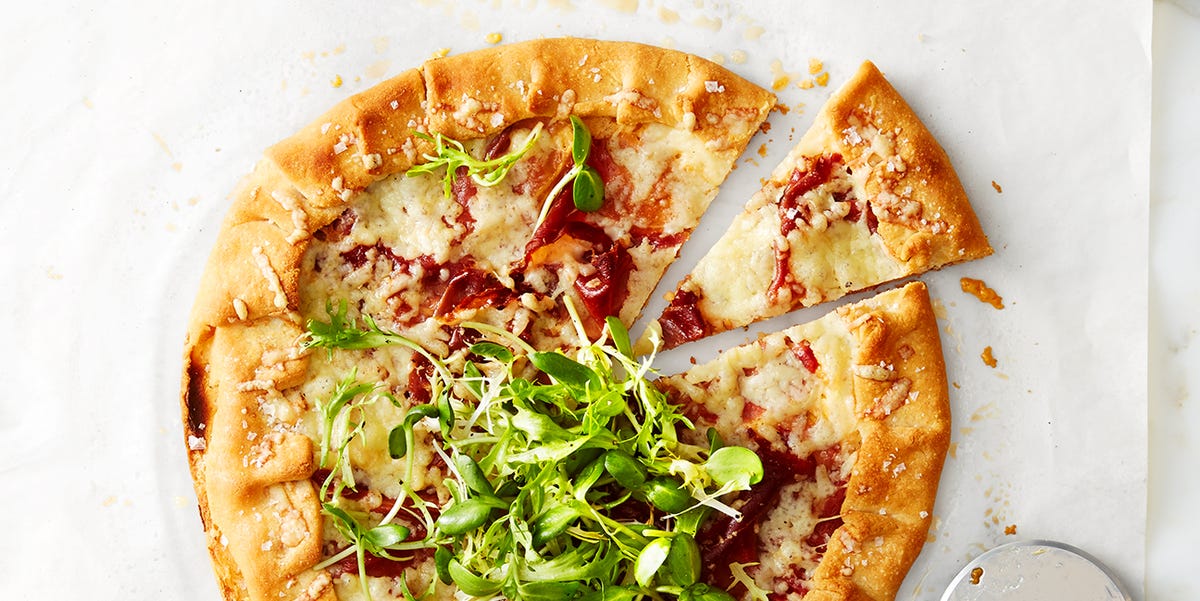
Note: This publish-ready article synthesizes practical guidance from reputable U.S. cooking and food-safety references, including major baking, culinary, kitchen-equipment, and USDA-backed food safety sources. No source links or citation markers are inserted into the article body, so it is clean for web publishing.
Making pizza at home sounds like one of those kitchen projects that should require a stone oven, an Italian grandmother, and at least one dramatic hand gesture. Good news: you only really need flour, yeast, water, salt, a hot oven, and the courage to get a little flour on your shirt. Homemade pizza is cheaper than delivery, endlessly customizable, and much more fun than waiting by the door while your cheese slowly cools in a cardboard box.
This easy homemade pizza recipe is designed for real home cooks using a regular oven. You do not need professional equipment, although a pizza stone or baking steel can help create a crispier crust. The goal is simple: a chewy, golden crust, flavorful tomato sauce, melted cheese, and toppings that behave themselves instead of turning your pizza into a soggy roof tile.
Why Homemade Pizza Is Worth Making
Homemade pizza gives you control over every layer. You can make a thin crust, a soft and chewy crust, a crispy bottom, a spicy sauce, a mild sauce, extra cheese, less cheese, or a topping combination that would make a traditional pizzeria raise one eyebrow. More importantly, you can adjust the recipe to fit your schedule. Want same-day pizza? You can do it. Want better flavor? Let the dough rest overnight in the refrigerator.
The best homemade pizza comes from understanding a few basics: dough needs time to develop flavor, ovens need to be hot, toppings should be used with restraint, and cheese should melt rather than drown the entire pie like a dairy landslide. Once you understand those rules, pizza night becomes less of a recipe and more of a delicious weekly tradition.
Easy Homemade Pizza Ingredients
For the Pizza Dough
- 3 1/2 cups bread flour or all-purpose flour, plus extra for dusting
- 1 1/4 cups warm water, about 100°F to 110°F
- 2 1/4 teaspoons instant yeast or active dry yeast
- 2 teaspoons kosher salt
- 1 teaspoon sugar or honey
- 2 tablespoons olive oil
For the Pizza Sauce
- 1 cup crushed tomatoes or tomato puree
- 1 tablespoon olive oil
- 1 small garlic clove, finely grated or minced
- 1/2 teaspoon dried oregano
- 1/4 teaspoon salt
- Pinch of black pepper
- Pinch of red pepper flakes, optional
For the Toppings
- 8 ounces low-moisture mozzarella, shredded or thinly sliced
- 1/4 cup grated Parmesan cheese
- Pepperoni, mushrooms, onions, bell peppers, cooked sausage, olives, basil, or your favorite toppings
- Extra olive oil for brushing the crust
Step-by-Step: How to Make Pizza at Home
Step 1: Activate the Yeast
In a large mixing bowl, combine warm water, yeast, and sugar. Let the mixture sit for 5 to 10 minutes until it looks slightly foamy. If nothing happens, your yeast may be expired or the water may have been too hot. Yeast is alive, but it is not a superhero. Water that is too hot can kill it.
Step 2: Mix the Dough
Add flour, salt, and olive oil to the yeast mixture. Stir until a shaggy dough forms. If you are using a stand mixer, knead with the dough hook for about 5 minutes. If kneading by hand, turn the dough onto a lightly floured surface and knead for 8 to 10 minutes. The dough should become smooth, elastic, and slightly tacky, but not sticky enough to permanently join your hands.
Step 3: Let the Dough Rise
Place the dough in a lightly oiled bowl, cover it with plastic wrap or a clean kitchen towel, and let it rise at room temperature for 1 to 2 hours, or until doubled in size. For deeper flavor, place the covered dough in the refrigerator for 12 to 24 hours. Cold fermentation gives pizza crust a more complex taste and a better texture.
Step 4: Make the Sauce
In a small bowl, mix crushed tomatoes, olive oil, garlic, oregano, salt, black pepper, and red pepper flakes. Do not cook the sauce unless you prefer a sweeter, thicker flavor. A simple uncooked tomato sauce tastes bright and fresh after baking in a hot oven. It also saves time, which is helpful when everyone in the house has already asked, “Is the pizza ready?” three times.
Step 5: Preheat the Oven
Set your oven as high as it comfortably goes, usually 475°F to 500°F. If you have a pizza stone or baking steel, place it in the oven before preheating and let it heat for at least 45 minutes. This gives the crust a strong blast of heat from below, helping it puff, brown, and crisp. If you do not have a stone or steel, use an upside-down heavy baking sheet.
Step 6: Shape the Dough
Divide the dough into two balls for two medium pizzas. Let the dough rest for 10 to 15 minutes before stretching. This relaxes the gluten and makes shaping easier. Press the dough gently from the center outward, leaving a slightly thicker rim. Then stretch it into a 10- to 12-inch round. Avoid rolling the dough too aggressively if you want an airy crust. A rolling pin is not illegal, but your bubbles may file a complaint.
Step 7: Add Sauce, Cheese, and Toppings
Transfer the shaped dough to parchment paper, a floured pizza peel, or a lightly oiled pan. Spread a thin layer of sauce over the dough, leaving about 1/2 inch around the edge. Add mozzarella and Parmesan, then finish with toppings. Keep toppings light. Too much sauce or too many vegetables can release moisture and make the crust soggy.
Step 8: Bake the Pizza
Slide the pizza onto the hot stone, steel, or baking sheet. Bake for 8 to 12 minutes, depending on your oven and crust thickness. The pizza is done when the cheese is melted and bubbling, the crust is golden brown, and the bottom looks crisp. If the top needs more color, turn on the broiler for the final 1 to 2 minutes, watching carefully so your masterpiece does not become a smoke alarm demonstration.
Step 9: Rest, Slice, and Serve
Let the pizza rest for 2 to 3 minutes before slicing. This helps the cheese settle and prevents the toppings from sliding off like they are trying to escape. Finish with fresh basil, a drizzle of olive oil, grated Parmesan, or a tiny pinch of flaky salt.
Best Flour for Homemade Pizza Dough
Bread flour gives pizza dough a chewier texture because it has more protein than all-purpose flour. All-purpose flour still works well and is a smart choice for beginners because it is easy to find and forgiving. If you want a crispier, more pizzeria-style crust, bread flour is worth trying. If you want a softer crust, all-purpose flour will do the job nicely.
You can also add a small amount of whole wheat flour for a nuttier flavor. Start with replacing 1/2 cup of the white flour with whole wheat flour. Too much whole wheat can make the crust dense, so ease into it unless you want your pizza to feel like it has been training at the gym.
Pizza Stone, Baking Steel, or Sheet Pan?
A pizza stone absorbs and radiates heat, helping create a crisp bottom crust. A baking steel transfers heat even faster and can produce excellent browning. A heavy baking sheet is the easiest option and still makes very good pizza when preheated properly. The secret is heat. A hot surface gives the dough an immediate burst of energy, helping it rise quickly and cook before the toppings overstay their welcome.
If using a sheet pan, you can make a slightly thicker pan pizza by oiling the pan generously and pressing the dough into the corners. This creates a golden, crisp edge that tastes suspiciously like something you meant to do all along.
Smart Topping Ideas for Homemade Pizza
Classic Cheese Pizza
Use tomato sauce, low-moisture mozzarella, Parmesan, and fresh basil after baking. Simple, reliable, and always welcome.
Pepperoni Pizza
Add a light layer of pepperoni over the cheese. For crispier pepperoni, place some slices on top of the cheese instead of underneath it.
Veggie Pizza
Use mushrooms, bell peppers, onions, olives, spinach, or roasted vegetables. For watery vegetables like mushrooms or zucchini, cook them briefly first to remove extra moisture.
BBQ Chicken Pizza
Use barbecue sauce instead of tomato sauce, then top with cooked chicken, red onion, mozzarella, and a little cheddar. Add cilantro after baking for freshness.
White Pizza
Skip tomato sauce and use olive oil, ricotta, mozzarella, garlic, Parmesan, and spinach. It is creamy, rich, and perfect for anyone who believes tomato sauce should occasionally take a vacation.
Common Homemade Pizza Mistakes
Using Too Much Sauce
Pizza sauce should lightly coat the dough, not flood it. A thin layer gives flavor while allowing the crust to bake properly.
Overloading the Toppings
Too many toppings can trap moisture and prevent browning. Choose three or four toppings and spread them evenly.
Not Preheating Long Enough
Your oven may beep when it reaches temperature, but the stone, steel, or baking sheet may still need more time. A long preheat helps create a better crust.
Stretching Cold Dough
Cold dough resists stretching and may snap back. Let refrigerated dough sit at room temperature for 60 to 90 minutes before shaping.
Cutting the Pizza Immediately
Give the pizza a few minutes to rest. Your cheese will stay in place, and your mouth will avoid a molten mozzarella incident.
How to Store and Reheat Homemade Pizza
Leftover pizza should be refrigerated within 2 hours of baking. Store slices in an airtight container or wrap them tightly. Refrigerated pizza is best eaten within 3 to 4 days. For longer storage, freeze slices in a freezer-safe bag or container.
To reheat pizza, use a skillet over medium-low heat for a crisp bottom, then cover the pan briefly to melt the cheese. You can also reheat slices in a 375°F oven until warmed through. The microwave works in emergencies, but the crust may become soft. The microwave is not evil; it is just not especially gifted at crust revival.
Easy Homemade Pizza Recipe Card
Prep Time
20 minutes, plus rising time
Cook Time
8 to 12 minutes per pizza
Total Time
About 2 hours for same-day dough, or overnight for better flavor
Yield
2 medium pizzas
Instructions Summary
- Mix warm water, yeast, and sugar; rest until foamy.
- Add flour, salt, and olive oil; knead until smooth.
- Let dough rise until doubled.
- Mix a quick tomato sauce.
- Preheat oven to 475°F to 500°F with a stone, steel, or baking sheet.
- Shape dough, add sauce, cheese, and toppings.
- Bake until crust is golden and cheese bubbles.
- Rest briefly, slice, and serve.
Personal Experience: What Really Makes Homemade Pizza Better
The first thing most people learn about homemade pizza is that the dough has a personality. Some days it stretches beautifully, like it has attended yoga class. Other days it shrinks back every time you touch it, as if it has trust issues. The solution is usually rest. When dough fights back, cover it and leave it alone for 10 minutes. The gluten relaxes, your patience returns, and everyone wins.
One of the biggest improvements comes from using less topping than you think you need. At first, it is tempting to pile on cheese, pepperoni, mushrooms, onions, peppers, olives, and maybe a handful of “because why not?” But pizza is not a storage unit. A balanced homemade pizza bakes faster, tastes cleaner, and has a crust that stays crisp. The best pies often look modest before baking and perfect after baking.
Another useful lesson is that cheese choice matters. Fresh mozzarella tastes wonderful, but it contains more moisture. If you use it, slice it and blot it with paper towels first. Low-moisture mozzarella is easier for beginners because it melts evenly without watering down the pizza. A little Parmesan adds salty depth, and a small amount of cheddar can work on casual family-style pizzas, especially BBQ chicken pizza.
Preheating is also more important than many beginners expect. A hot oven is not just a suggestion; it is the difference between crisp pizza and pale bread wearing sauce. If you use a pizza stone or steel, give it time to heat fully. This is the part where people get impatient, because the kitchen smells like possibility and the dough is ready. Wait anyway. Pizza rewards the patient cook, then immediately disappears slice by slice.
For weeknight pizza, making dough ahead is the ultimate trick. Mix the dough the night before, place it in the refrigerator, and take it out before dinner. The flavor improves while you do almost nothing, which is the kind of cooking arrangement everyone can support. You can even freeze dough balls. Thaw one in the refrigerator overnight, bring it to room temperature, and suddenly Tuesday feels like a tiny pizza festival.
Finally, homemade pizza is best treated as a process, not a performance. Your first pizza may be oddly shaped. One side may puff more than the other. A topping may slide. The crust may look like a map of a country no one has discovered yet. That is fine. Every pizza teaches you something. After a few rounds, you learn how your oven behaves, how much sauce you like, how thin to stretch the dough, and which toppings your family mysteriously removes and leaves on the plate.
The real joy of homemade pizza is not perfection. It is pulling a bubbling pie from the oven, hearing the crust crackle slightly as it cools, and watching people appear in the kitchen as if summoned by cheese. That is the magic of an easy homemade pizza recipe: simple ingredients, high heat, a little practice, and a dinner that makes everyone suddenly very available.
Conclusion
Learning how to make pizza at home is easier than it looks and far more rewarding than ordering delivery. Start with a simple homemade pizza dough, let it rise properly, use a light hand with sauce and toppings, and bake it in the hottest oven you can safely manage. A pizza stone, baking steel, or preheated baking sheet can help you get a crispier crust, but technique matters more than fancy tools.
Once you master the basic recipe, you can customize it endlessly. Make classic cheese pizza, pepperoni pizza, veggie pizza, white pizza, BBQ chicken pizza, or a fridge-cleanout special that somehow becomes legendary. Homemade pizza is flexible, affordable, family-friendly, and fun enough to turn an ordinary night into an event. Also, it gives you full permission to say, “I made this from scratch,” which is one of the finest sentences in the English language.












