
Cats do not look at a couch and think, “Ah yes, forbidden upholstery.” They look at it and see a soft mountain, a sunny throne, a launchpad, a scratchable landmark, or the perfect place to stare at you while you eat cereal. So if your cat keeps jumping on your furniture, the problem is not that your cat is “bad.” The problem is that your furniture is currently winning the popularity contest.
The good news? You can train a cat not to jump on your furniture without yelling, chasing, spraying water, or entering a daily negotiation with a tiny fur-covered lawyer. The best approach combines positive reinforcement, smart home setup, attractive alternatives, and consistency. In other words, make the furniture boring and make the approved cat spaces amazing.
This guide explains how to train a cat not to jump on your furniture in 9 practical steps. You will learn why cats climb, how to redirect the behavior, what to reward, what to avoid, and how to protect your sofa without turning your living room into a fortress of aluminum foil.
Why Cats Jump on Furniture in the First Place
Before you train the behavior, it helps to understand the motivation. Cats are natural climbers. Height gives them security, a better view, and a place to rest without being bothered. In a home, your couch, dining chairs, dresser, bed, table, and shelves may all look like perfectly reasonable feline real estate.
Cats may jump on furniture because they want warmth, attention, food, a window view, a safe perch, or a comfortable nap spot. Some cats also jump onto furniture because it smells like their favorite human. Congratulations: your cat thinks your chair is emotionally valuable. Unfortunately, your chair is also covered in fur now.
Training works best when you give your cat a better choice. Instead of only saying, “Do not go there,” teach your cat, “Go here instead, and excellent things happen.”
How to Train a Cat Not to Jump on Your Furniture: 9 Steps
1. Decide Which Furniture Is Truly Off-Limits
Start by choosing your rules. Is the couch off-limits, or only the dining table? Is the bed allowed during the day but not at night? Are kitchen counters forbidden because of food safety, while the armchair is negotiable? Cats learn faster when the rule is simple and consistent.
If every surface is banned, your cat may struggle because climbing and resting are normal behaviors. Instead, identify the specific problem areas. For example, you might decide that the dining table, kitchen counter, office desk, and guest-room bed are no-cat zones. Then choose approved alternatives nearby.
A clear rule could be: “No paws on the dining table, but the cat tree beside the window is always allowed.” That is much easier for a cat to understand than a rule that changes depending on your mood, the phase of the moon, or whether guests are coming over.
2. Give Your Cat a Better Place to Jump
If you remove your cat from the couch but provide no alternative, your cat may simply return to the couch with the confidence of a landlord inspecting property. Cats need vertical spaces and resting spots. Offer a cat tree, window perch, wall shelf, soft cat bed, sturdy scratching post, or a blanket-covered bench that belongs to them.
Place the approved cat furniture near the forbidden furniture at first. If your cat loves the sofa because it is near you, put a cat bed next to the sofa. If your cat jumps on the table to watch birds through the window, place a perch by that window. If your cat steals your office chair because it is warm, add a cozy bed near your desk.
The alternative must be attractive from your cat’s point of view. A wobbly cat tree hidden in a dark laundry room will not compete with a sunny couch. Choose stable, comfortable, well-located options. Cats are not being stubborn when they reject a bad setup; they are simply giving it a one-star review.
3. Use Positive Reinforcement Immediately
Positive reinforcement means rewarding the behavior you want so your cat is more likely to repeat it. When your cat uses the cat tree, bed, perch, or scratching post instead of the furniture, reward right away. Use a small treat, praise, gentle petting, or a quick play session with a wand toy.
Timing matters. Reward within a few seconds of the desired behavior. If your cat sits on the approved bed and you reward two minutes later, your cat may not connect the reward with the bed. Cats are smart, but they are not reading your training spreadsheet.
At first, reward often. Every time your cat chooses the approved spot, make it worth their while. Once the habit becomes reliable, you can reward less frequently while still offering praise and attention. This keeps the behavior strong without requiring you to carry treats around like a snack-based butler.
4. Teach a Simple “Off” or “Place” Cue
You can teach your cat a polite cue that redirects them from forbidden furniture. Choose a short word such as “off,” “down,” or “place.” Avoid using the cat’s name as the correction. You want your cat’s name to mean good things, not “the human has detected a crime.”
When your cat jumps onto off-limits furniture, calmly say your cue once. Then lure them to the approved area with a treat or toy. When all four paws are on the floor or on the approved cat bed, reward immediately. Keep your voice neutral and relaxed.
You can also train a “place” behavior. Put a treat on the cat bed or perch. When your cat steps onto it, praise and reward. Repeat several times in short sessions. Eventually, your cat learns that “place” means go to the approved spot. This is especially useful when guests arrive, meals are served, or your cat decides your laptop keyboard is the warmest bed in the kingdom.
5. Make Forbidden Furniture Less Rewarding
Training is much easier when the unwanted behavior stops paying off. If your cat jumps on the dining table and finds crumbs, napkins, butter, or chicken, the table has become a buffet with legs. Keep surfaces clean and remove temptations.
For sofas and chairs, remove cozy blankets from off-limits areas and place them on the approved cat bed instead. If your cat likes a sunny cushion, close the blinds temporarily and create a sunny cat perch nearby. If your cat jumps on a desk for attention, avoid petting, feeding, or playing while they are on the desk. Reward them when they move to the approved spot.
The goal is not to scare your cat. The goal is to make the unwanted location boring while making the correct location rewarding. Boring is powerful. Many cat training breakthroughs begin with the phrase, “Nothing interesting happens there anymore.”
6. Use Gentle, Cat-Safe Deterrents When Needed
Some cats need extra environmental hints. Cat-safe deterrents can help, especially during the early training phase. Options include double-sided tape, a washable furniture cover, aluminum foil, or a plastic carpet runner placed texture-side up. These surfaces feel unpleasant to many cats but should not hurt them.
Use deterrents temporarily and pair them with a better alternative. If you cover the sofa but do not provide a cat bed, your cat may simply move to another forbidden spot. Deterrents should say, “Not here,” while the approved perch says, “Yes, here, and snacks may appear.”
Avoid harsh punishment, spray bottles, yelling, chasing, or physical corrections. These can create fear, stress, or avoidance. Your cat may learn to stay off the furniture only when you are watching, which is not training; it is surveillance theater.
7. Provide Scratching Posts and Climbing Enrichment
Sometimes furniture jumping is connected to scratching, stretching, and scent marking. Cats scratch to maintain their claws, stretch their bodies, and leave scent signals. If your cat jumps onto furniture and scratches it, you need scratching alternatives as well as climbing alternatives.
Offer different scratching surfaces: sisal, cardboard, wood, carpet, vertical posts, horizontal scratchers, and angled scratchers. Many cats prefer sturdy posts tall enough for a full-body stretch. Place scratchers near the furniture your cat targets. Location matters. A perfect scratching post in the wrong room is like a gym membership you never use.
Encourage scratching in the right place with catnip, silvervine, toys, praise, and treats. Do not grab your cat’s paws and force them onto the post. That may make the post feel scary or annoying. Instead, lure with play and reward voluntary use.
8. Increase Daily Play and Mental Stimulation
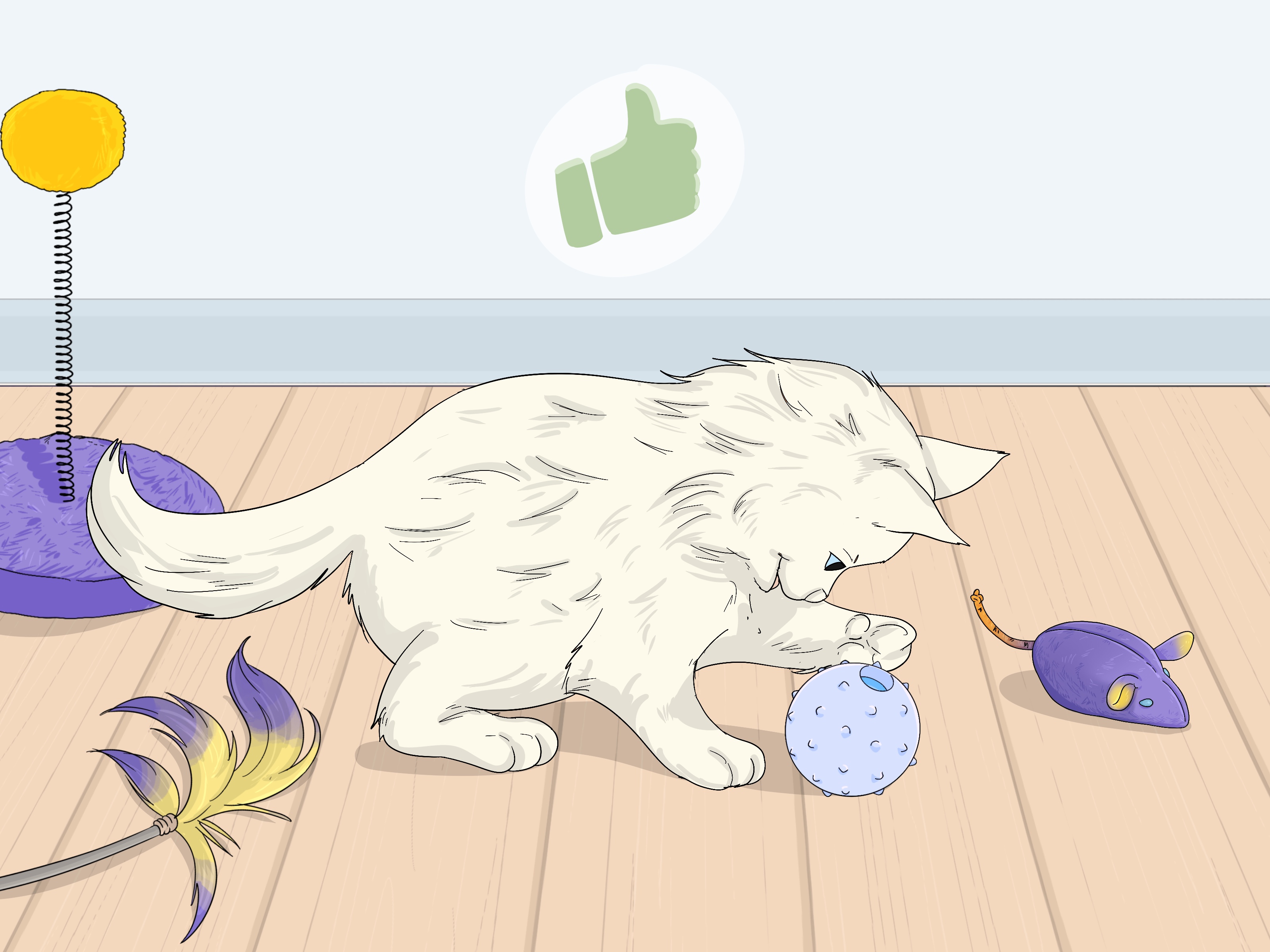
A bored cat is a creative cat, and creative cats often become interior designers without permission. Daily play helps reduce attention-seeking furniture jumping. Use wand toys, feather toys, toy mice, tunnels, food puzzles, treat balls, and short training games.
Try two or three play sessions per day, especially before meals. Many cats enjoy a hunt-catch-eat-rest routine. Let your cat chase a wand toy, “catch” it, then serve a meal or small treat. After that, your cat may be more likely to settle in an approved resting area instead of launching onto the forbidden chair like a furry missile.
Mental enrichment also helps. Rotate toys so they stay interesting. Place a perch near a safe window view. Use puzzle feeders for part of the daily food. Give your cat boxes, tunnels, and hiding spots. When your cat’s needs are met, the furniture loses some of its mysterious power.
9. Stay Consistent and Be Patient
Consistency is the secret ingredient. Everyone in the home should follow the same plan. If one person allows the cat on the couch and another person forbids it, your cat will not see a rule. Your cat will see a scheduling opportunity.
Training may take days, weeks, or longer depending on the cat, the furniture, the history of the behavior, and how rewarding the furniture has been. Older habits take more repetition. Kittens may learn quickly but need frequent reminders because they are tiny chaos interns.
If the behavior suddenly changes, or if your cat seems anxious, restless, painful, or unusually clingy, consult a veterinarian. Sudden behavior changes can sometimes be linked to stress, discomfort, or medical issues. Training works best when your cat is healthy, comfortable, and able to learn.
Common Mistakes to Avoid
Yelling or Spraying Water
Yelling may stop the behavior in the moment, but it does not teach your cat what to do instead. Spray bottles can also damage trust. Some cats become afraid of the person holding the bottle. Others simply wait until the person leaves, then return to the furniture with professional-level stealth.
Rewarding the Wrong Moment
If your cat jumps on the table and you immediately pick them up, cuddle them, talk sweetly, and place them down, the cat may interpret that as attention. For attention-loving cats, even negative attention can be rewarding. Keep redirection calm and reward only when your cat is on the approved surface.
Buying the Wrong Cat Tree
A cat tree should be sturdy, tall enough to matter, and placed where your cat actually wants to be. If it wobbles, smells strange, or sits in an ignored corner, your cat may reject it. Try adding familiar bedding, treats, toys, or catnip to make it more inviting.
Expecting Instant Results
Cats can absolutely be trained, but they are not machines. They learn through repetition, motivation, and environment. A few mistakes do not mean the plan failed. They mean your cat is still learning, and possibly testing whether the dining chair has developed a treat policy.
Best Products and Tools That Can Help
You do not need a house full of gadgets to train a cat not to jump on furniture, but the right tools can make the process easier. Consider using a sturdy cat tree, window perch, washable furniture covers, double-sided pet-safe tape, cardboard scratchers, sisal posts, treat pouches, clickers, puzzle feeders, and interactive wand toys.
A clicker can be especially useful because it marks the exact moment your cat does the right thing. Click when your cat steps onto the approved bed, then reward. Over time, your cat learns that the click predicts good things. This makes training clearer and more fun.
Furniture covers are helpful during the transition period. They protect upholstery while you teach new habits. Once your cat reliably uses approved areas, you may be able to remove the covers or reduce deterrents.
A Simple Training Schedule You Can Follow
Morning: Clean tempting surfaces, refresh water, and reward your cat for using the approved perch or bed. Add a short play session before breakfast.
Afternoon: If you work from home, reward calm behavior on the cat bed near your desk. If your cat jumps on your chair or desk, calmly redirect to the approved spot and reward there.
Evening: Do a longer play session before dinner. Encourage climbing on the cat tree, scratching the post, and resting on the approved bed. Use treats or praise each time your cat chooses correctly.
Before bed: Remove food, crumbs, and tempting objects from off-limits furniture and counters. Leave your cat with a cozy approved sleeping area, a safe toy, or a puzzle feeder if appropriate.
Experience-Based Tips for Training a Cat Not to Jump on Furniture
In real life, training a cat not to jump on furniture is rarely a perfectly straight path. It is more like a polite debate with whiskers. One day your cat uses the cat tree like a model citizen. The next day, they are sitting on the dining table looking deeply surprised that gravity delivered them there. This is normal.
One of the most helpful experiences many cat owners discover is that placement matters more than price. A simple cardboard scratcher beside the couch may work better than an expensive cat tower hidden in the guest room. Cats want to be where the action is. If the family gathers in the living room, your cat probably wants a legal spot in the living room too. Put the approved bed, tree, or perch close enough that your cat can still feel included.
Another practical lesson: do not underestimate the power of routine. Cats often repeat behavior because it fits into their daily pattern. If your cat jumps on the sofa every evening after dinner, create a new evening ritual. After dinner, play for five minutes, toss a treat onto the cat tree, and praise your cat for settling there. Repeat this every night. Soon the cat tree becomes part of the routine, not a random suggestion from management.
Some cats respond beautifully to treats, while others prefer play, brushing, or praise. One cat may sprint across the room for a crunchy treat; another may look at it like you offered a pebble. Watch what your cat actually values. The best reward is not the one the package advertises. It is the one your cat chooses.
It also helps to think like a detective. Ask: What does my cat get from this furniture? Height? Warmth? Attention? Food? A view? Your solution should match the motivation. If the cat wants height, offer a perch. If the cat wants warmth, offer a heated cat-safe bed. If the cat wants attention, reward attention-seeking only when the cat is on the approved spot. If the cat wants food, clean the surface and feed meals on a predictable schedule.
One common experience is the “I only do it when you are not watching” phase. This usually means the cat has learned that the person is the warning signal, not that the furniture is off-limits. To fix this, rely more on environmental management. Remove rewards from the forbidden area, add temporary texture deterrents, and make the approved area more rewarding even when you are not hovering nearby.
For multi-cat homes, provide more than one approved resting place. A confident cat may claim the best perch, leaving a shy cat to choose the couch or chair. Multiple beds, scratchers, and perches reduce competition. Think of it as adding enough seats at the restaurant so nobody has to steal the manager’s chair.
Finally, celebrate small wins. If your cat usually jumps on the couch ten times a day and today it happened six times, progress is happening. If your cat sat on the approved bed for thirty seconds, reward it. Good habits are built in tiny repetitions. With patience, your cat can learn where to jump, where to nap, and where not to redecorate with paw prints.
Conclusion
Training a cat not to jump on your furniture is not about winning a battle. It is about building a better system. Cats climb, scratch, explore, and seek comfort because those behaviors are natural. When you provide appealing alternatives, reward the choices you like, remove temptations, and stay consistent, your cat can learn new household rules without fear or confusion.
The 9 steps are simple: choose clear off-limits areas, provide better cat-approved spaces, reward immediately, teach cues, make forbidden furniture less interesting, use gentle deterrents when needed, add scratching and climbing enrichment, increase play, and stay patient. Your furniture gets protected, your cat gets what they need, and your home becomes more peaceful. That is a win for everyone, including the couch.












