
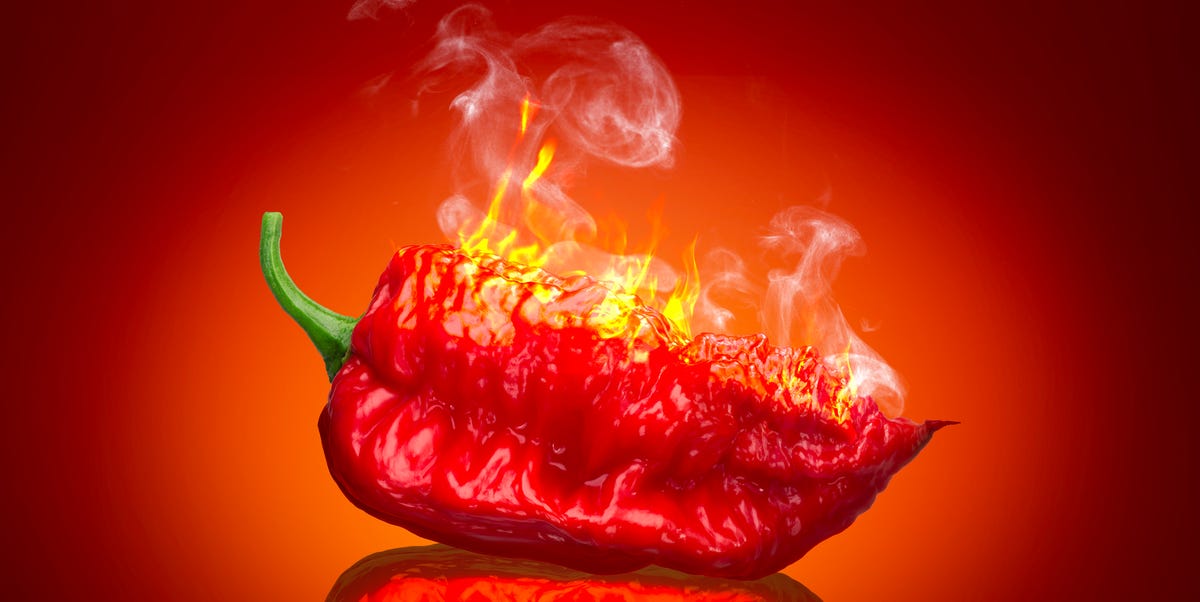
Spicy food usually comes with drama. A tiny bite of salsa can make a grown adult negotiate with a glass of milk like it is a hostage rescue team. A plate of hot wings can turn dinner into a forehead-sweating sport. Most of the time, that burn is temporary, harmless, and even oddly enjoyable. But the phrase “One Chip Challenge death” changed the conversation from funny reaction videos to a serious public health question: how dangerous are spicy foods to humans?
The answer is not as simple as “spicy food is bad” or “only weak people can’t handle heat.” Normal spicy meals and extreme capsaicin challenges are two very different things. A jalapeño on a taco is not the same as eating a single chip coated with some of the hottest pepper extracts available, then trying not to drink anything while a camera records your pain. One is food. The other is closer to a dare wrapped in seasoning dust.
In September 2023, 14-year-old Harris Wolobah of Worcester, Massachusetts, died after taking the Paqui One Chip Challenge. Later reporting based on autopsy findings stated that he died of cardiopulmonary arrest “in the setting of” recent ingestion of a food substance with a high capsaicin concentration. The autopsy also noted cardiomegaly, meaning an enlarged heart, and a congenital heart condition called myocardial bridging of the left anterior descending coronary artery. Paqui removed the product from shelves and the challenge was discontinued.
That tragic case does not mean every spicy meal is a medical emergency. It does mean that extreme food challenges deserve more respect than a viral hashtag. Capsaicin, the compound that makes chili peppers hot, is powerful. In reasonable amounts, it can add flavor and may even offer health benefits. In excessive amounts, especially for children, people with asthma, heart conditions, digestive problems, or low spice tolerance, it can cause real harm.
What Was the One Chip Challenge?
The One Chip Challenge was a social media dare built around eating one very spicy tortilla chip and then waiting as long as possible before drinking or eating anything for relief. The chip was sold in dramatic packaging and made with intense peppers such as Carolina Reaper and Naga Viper. It was marketed as an adult challenge, but like many internet dares, it found its way into schools, friend groups, and teen social feeds.
The challenge had all the ingredients of a viral trend: pain, competition, bragging rights, and a product that looked more like a dare than a snack. Videos showed people coughing, sweating, crying, vomiting, or running for milk. For viewers, it looked ridiculous. For participants, it could become frightening very quickly.
One major problem was that the rules encouraged people to avoid relief. Normally, if something burns your mouth, your brain says, “Please stop doing that.” The challenge said, “Keep suffering and make it content.” That is not exactly the nutritional advice you expect from a responsible lunchbox.
What Makes Spicy Food Feel Hot?
Capsaicin is the active compound in hot peppers. It does not literally burn your tissue the way fire does, but it binds to TRPV1 receptors, which are pain and heat-sensing receptors found in the mouth, throat, digestive tract, and other tissues. Your body interprets the signal as heat, even if the food is room temperature.
That is why spicy food can make your face flush, your nose run, your eyes water, and your shirt suddenly feel like it came from a sauna gift shop. Your body thinks it is dealing with heat, so it tries to cool you down through sweating, mucus production, and increased blood flow near the skin.
The Scoville Heat Unit scale is commonly used to describe pepper heat. A bell pepper has zero Scoville units. A jalapeño may fall in the thousands. Carolina Reaper peppers can reach more than two million Scoville units, while pure capsaicin is far higher. When a food challenge uses concentrated pepper powder or extract, the body may receive a dose far beyond what most people encounter in a normal meal.
Can Spicy Food Kill You?
For most healthy adults, ordinary spicy food is unlikely to be deadly. Millions of people around the world eat chili peppers every day as part of normal diets. Hot sauce, curry, kimchi, salsa, chili oil, and pepper-based dishes can fit into a healthy eating pattern when consumed in reasonable amounts.
However, “unlikely” is not the same as “impossible.” Extremely high doses of capsaicin may trigger severe symptoms, including intense abdominal pain, vomiting, diarrhea, shortness of breath, chest pain, heart palpitations, allergic-type reactions, and dangerous complications from repeated vomiting. Poison Control warns that capsaicin exposure can cause serious health problems in some cases, especially when the dose is high or the person has underlying risk factors.
The One Chip Challenge death is important because it shows how multiple factors can come together: an extreme product, a social media dare, a young participant, possible delay in medical evaluation, and an undiagnosed heart condition. That combination is very different from an adult adding hot sauce to scrambled eggs. Still, it reminds us that the human body is not a laboratory prop for likes.
Why Children and Teens Face Higher Risk
Children and teens are especially vulnerable to spicy food challenges for several reasons. First, they may not understand how intense the product really is. Second, peer pressure can push them to continue even when they feel awful. Third, schools may become the setting for copycat behavior, where one student brings the chip and others try it to prove they are brave.
Children also have smaller bodies, and a concentrated dose may hit harder. A challenge meant for adults can become more dangerous in a middle school hallway than on a controlled product label. Reports from poison centers have described school-related cases involving oral burning, abdominal pain, vomiting, and eye pain after children handled or ate extremely spicy chips.
Parents should treat extreme spice challenges the way they treat other risky internet dares: not with panic, but with firm boundaries. A regular spicy dinner is one thing. A packaged dare designed to cause pain is another. Kids do not need to prove courage by eating something that makes their body beg for customer support.
Common Side Effects of Too Much Capsaicin
Too much capsaicin can irritate the mouth, throat, stomach, intestines, skin, eyes, and respiratory system. The most common reactions include burning in the mouth, stomach cramps, nausea, vomiting, diarrhea, sweating, watery eyes, runny nose, hiccups, and a burning feeling in the chest or throat.
Some reactions are more serious. People may experience wheezing, difficulty breathing, severe headache, chest pain, racing heartbeat, or repeated vomiting. In rare cases, intense vomiting can injure the esophagus. People with asthma may be more sensitive if capsaicin particles are inhaled or if irritation triggers airway tightening.
It is also easy to spread capsaicin accidentally. Touch a super-hot chip, rub your eye, and suddenly your eyeball believes it has joined a dragon-themed obstacle course. That is why washing hands after handling hot peppers, pepper powders, or spicy challenge foods matters.
Do Spicy Foods Cause Ulcers?
One of the oldest spicy food myths is that hot peppers cause stomach ulcers. Medical guidance does not support that idea. Peptic ulcers are most commonly caused by Helicobacter pylori infection or long-term use of certain pain relievers such as NSAIDs. Spicy foods do not cause ulcers, but they can make ulcer symptoms feel worse in some people.
This distinction matters. Blaming chili peppers for every stomach problem is like blaming the smoke alarm for the fire. Spicy food may reveal irritation that already exists, but it is not usually the root cause of ulcers. Still, if someone already has gastritis, reflux, irritable bowel syndrome, inflammatory bowel disease, or ulcers, intense spice may aggravate symptoms.
Can Spicy Food Be Good for You?
Here is where the story gets interesting: spicy food is not only a villain. Research has linked regular chili pepper consumption with potential health benefits, including better metabolic markers, reduced inflammation, improved gut microbiome activity, and associations with longer life. Harvard public health reporting has discussed large observational studies where frequent spicy food intake was associated with lower risk of premature death.
But there is a big catch. Association does not prove that chili peppers are magical life-extension sprinkles. People who eat spicy foods may also have different diets, cooking habits, sodium intake, body weight, activity levels, or cultural eating patterns. In other words, hot peppers may be part of a healthy lifestyle, not a cheat code that cancels out poor sleep, stress, and a diet built entirely from drive-thru windows.
Capsaicin may modestly affect metabolism and appetite, and topical capsaicin creams are used for certain pain conditions. But eating extremely spicy food as a challenge is not the same as enjoying chili peppers in balanced meals. The dose makes the difference.
Who Should Be Careful With Very Spicy Foods?
Anyone can overdo spice, but certain people should be extra cautious. Children and teens should avoid extreme spice challenges. People with heart disease, known heart rhythm problems, congenital heart conditions, uncontrolled high blood pressure, asthma, severe reflux, ulcers, inflammatory bowel disease, or a history of severe allergic reactions should avoid high-dose capsaicin dares.
People who are pregnant, elderly, medically fragile, or taking medications that affect the heart, stomach, or blood pressure should also use caution. That does not mean every person in these groups must avoid all spicy food. It means they should not jump from mild salsa to a pepper-extract challenge because the internet yelled, “Do it for the views.”
When Should You Seek Medical Help?
Most spicy food discomfort fades with time, dairy, bland food, and hydration. But some symptoms need medical attention. Seek help right away if a person develops chest pain, difficulty breathing, wheezing, fainting, severe headache, confusion, persistent vomiting, signs of dehydration, severe abdominal pain, or symptoms that feel unusual or frightening.
If a child eats an extreme spicy product, do not dismiss severe symptoms as “just hot food.” Call Poison Control at 1-800-222-1222 in the United States, or seek urgent medical care if serious symptoms appear. A fast phone call is much better than guessing while someone is in distress.
What Helps After Eating Something Too Spicy?
Milk often helps more than water because capsaicin is oily and does not dissolve well in plain water. Yogurt, ice cream, or other dairy products may also reduce the burn. Starchy foods such as bread, rice, or tortillas can help absorb some of the irritant. Avoid alcohol as a “solution,” especially for teens or anyone feeling sick, because alcohol can worsen dehydration and judgment.
If capsaicin gets into the eyes, rinse with room-temperature water for 15 to 20 minutes. If it gets on the skin, wash with soap and water. Do not rub your face after handling hot peppers or challenge chips. Your future self will send you a thank-you card.
Why Social Media Food Challenges Are Different From Eating Spicy Cuisine
Spicy cuisine has history, culture, flavor, and balance. A bowl of chili, a Sichuan dish, a Nashville hot chicken sandwich, or a spicy Thai curry is created to be eaten as food. It may be hot, but it usually includes fat, starch, protein, acid, sweetness, or broth to balance the experience.
Food challenges are different. Their purpose is not flavor; it is endurance. They often reward ignoring pain signals. That is the opposite of how humans should eat. Pain is not a seasoning. It is a message from the nervous system saying, “Maybe we should discuss this decision in a calm meeting.”
The One Chip Challenge became controversial because it blurred the line between snack marketing and physical risk. A single product was designed to be extreme, filmed, shared, and repeated. Once children and teens joined in, the risk became much harder to control.
Experiences and Lessons From the One Chip Challenge Conversation
One of the most important experiences connected to the One Chip Challenge is not just the tragedy itself, but the way ordinary people reacted afterward. Many parents who once saw spicy chip videos as harmless internet silliness began asking new questions: Is this product in my child’s school? Would my teen tell an adult if they felt sick? Would a school nurse recognize when a spicy food reaction is more than a stomachache?
Some students described the challenge as something that spread through peer pressure. One person bought the chip, then several others gathered around. The crowd laughed, phones came out, and suddenly the participant had a role to play. Backing out felt embarrassing. That is a familiar teen experience: the body says no, but the audience says go. In that moment, health can lose to social performance.
Adults have similar experiences, just with better excuses and worse knees. At restaurants, office parties, backyard barbecues, and hot sauce festivals, people sometimes treat spice tolerance as a personality test. Someone says, “It’s not that hot,” which is usually the sentence spoken immediately before regret enters the room wearing tap shoes. Most healthy adults recover from overdoing it, but the unpleasant symptoms can be intense: stomach cramps, sweating, nausea, hiccups, panic, and the long, silent walk to the bathroom.
Another common experience is confusion about what counts as “dangerous.” A person who eats spicy food daily may handle a habanero sauce comfortably, while another person may feel miserable after mild buffalo wings. Tolerance varies widely. It can build over time, but it is not a badge of moral superiority. Having a high spice tolerance does not make someone stronger; it simply means their nervous system has adapted differently.
Parents, teachers, and coaches can learn from these experiences by changing the conversation. Instead of saying, “Spicy food can kill you,” which sounds exaggerated to many teens, a better message is: “Extreme capsaicin challenges can cause serious symptoms, and you do not know your hidden risk factors.” That wording is honest. It does not demonize chili peppers, and it does not ignore the real danger of concentrated spice products.
Food lovers can learn something too. Spice should make food exciting, not turn eating into a medical experiment. Enjoy the salsa. Respect the curry. Admire the ghost pepper from a safe emotional distance if needed. And when a product is packaged like a warning label with seasoning, maybe believe the warning label.
Conclusion: Spicy Food Is Usually Safe, But Extreme Challenges Are Not a Joke
The One Chip Challenge death showed that extreme spicy food dares can carry real risks, especially when high-dose capsaicin meets young participants, peer pressure, underlying medical conditions, or delayed care. Ordinary spicy meals are usually safe for most healthy people and may even be part of a beneficial diet. The danger rises when spice becomes a stunt.
The smartest approach is moderation. Know your tolerance. Keep extreme products away from children. Avoid spicy challenges if you have heart, breathing, or digestive conditions. Seek medical help if symptoms go beyond normal burning and discomfort. Spicy food should add flavor to life, not turn lunch into a health gamble.












