
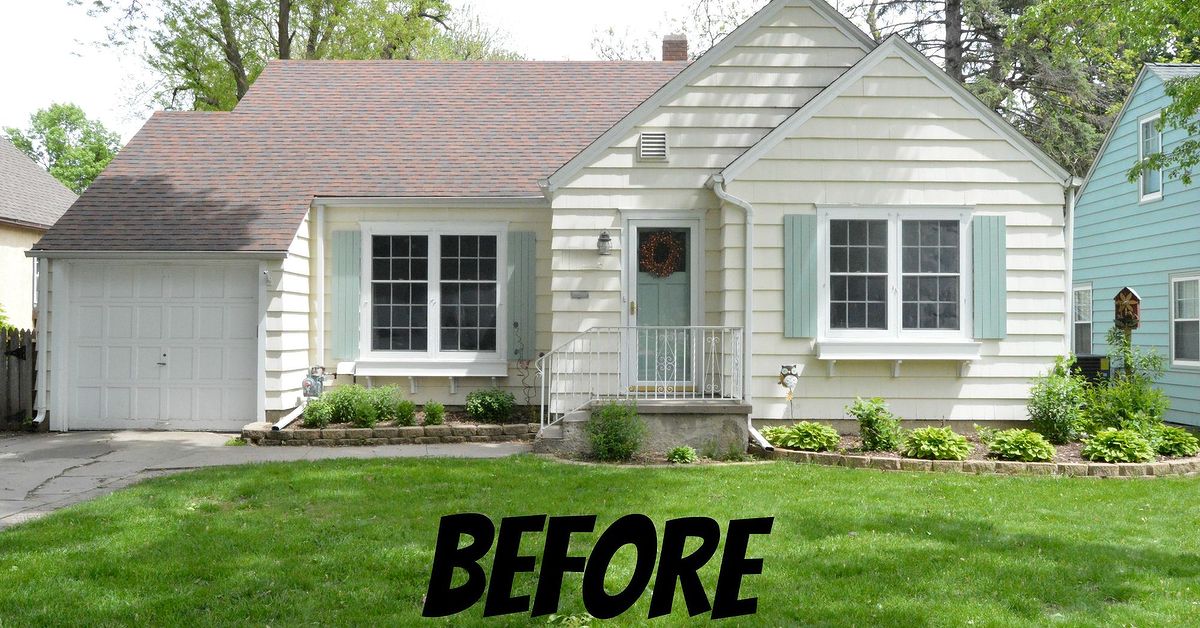
Your home exterior is basically your house’s handshake. It tells neighbors, guests, delivery drivers, and that one overly observant dog walker what kind of personality lives inside. The good news? You do not need a full remodel, a new roofline, or a suitcase full of contractor invoices to make your home look refreshed. Sometimes, the most dramatic exterior makeover comes from the simplest tool in the garage: paint.
Exterior paint can brighten tired siding, modernize old brick, revive a front door, sharpen trim, disguise awkward features, and give your home a fresh identity without changing its bones. A smart paint plan can make a small house feel crisp and intentional, make an older home feel cared for, and make a plain exterior look like it finally got invited to the design party.
The trick is not just picking a pretty color. The real magic happens when you choose the right exterior paint color scheme, prepare the surface properly, use finishes strategically, and treat details like shutters, doors, railings, porch ceilings, and trim as design tools. Paint is affordable compared with many exterior upgrades, but it still deserves a thoughtful plan. After all, your house will be wearing this outfit in rain, heat, wind, pollen season, and judgmental sunshine.
Why Exterior Paint Has So Much Power
Paint changes more than color. It changes proportion, mood, texture, and curb appeal. A dark body color can make a home feel grounded and architectural. A light exterior can make a compact house appear larger and cleaner. Fresh trim can visually sharpen windows and rooflines. A bold front door can turn a basic entry into a focal point.
Unlike landscaping or major construction, paint creates instant visual results. A beige box can become a warm cottage with creamy siding, olive shutters, and a terracotta door. A dated red-brick ranch can feel more modern with limewash-inspired white, charcoal trim, and natural wood accents. A faded coastal home can come alive with blue-gray siding, white trim, and a sunny yellow door. No walls moved. No foundation touched. No dramatic reality-TV demolition scene required.
Start With the Big Picture: What Style Is Your Home?
Before falling in love with a trendy color, look at the style of your house. A Craftsman bungalow, Colonial, farmhouse, Tudor, ranch, Cape Cod, Spanish-style home, and modern box all speak different design languages. Paint should translate the house’s architecture, not argue with it in the driveway.
Traditional Homes
Traditional homes often look best with balanced, timeless palettes. Think white, cream, soft gray, navy, deep green, charcoal, warm beige, and black accents. These colors highlight symmetry and architectural details without making the home look like it is trying too hard.
Modern Homes
Modern homes can handle sharper contrast. Black, deep bronze, slate gray, warm white, and muted earth tones work well with clean lines. A limited palette usually looks stronger than a busy one. For modern exteriors, restraint is not boring; it is expensive-looking.
Farmhouse and Cottage Homes
Farmhouse and cottage exteriors shine with soft whites, sage greens, warm taupes, dusty blues, clay tones, and natural-looking accents. The goal is charm, not costume. A cottage should whisper “fresh flowers and good coffee,” not shout “theme park gift shop.”
Build a Three-Part Exterior Paint Palette
A strong exterior color scheme usually includes three main roles: the body color, the trim color, and the accent color. This simple structure keeps your home from looking chaotic while still giving it personality.
1. The Body Color
The body color covers the largest surface area, such as siding, stucco, brick, or masonry. Because it dominates the view, it should work with the roof, driveway, stonework, landscape, and neighboring homes. Warm whites, greige, taupe, soft gray, slate blue, olive, clay, and creamy beige are popular choices because they feel current without becoming loud.
2. The Trim Color
Trim is the outline of your house. It defines windows, roof edges, porch posts, columns, and railings. White trim creates crisp contrast. Cream trim feels softer. Charcoal or black trim creates drama. Matching trim closely to the body color can make a small house look larger and more seamless.
3. The Accent Color
The accent color belongs on smaller features: the front door, shutters, porch ceiling, garage door, or outdoor furniture. This is where you can have fun. Navy, burgundy, mustard, sage, coral, deep teal, black, and terracotta can all work beautifully when they connect with the rest of the palette.
Paint the Front Door for the Fastest Transformation
If your home exterior needs a lift but your weekend budget is more “paintbrush” than “construction crew,” start with the front door. A freshly painted front door can make the whole entry look cleaner, more welcoming, and more intentional.
For classic curb appeal, black, navy, deep green, red, and warm wood-inspired browns are reliable choices. For a softer look, try dusty blue, sage green, muted peach, or warm gray. For a bolder personality, choose mustard yellow, berry, teal, or coral. The key is to repeat or support the door color somewhere else, even subtly. A navy door might connect to blue planters. A sage door might echo the landscaping. A terracotta door might pick up tones in brick or stone.
Do not forget sheen. A satin or semi-gloss finish on a front door can make the color feel richer and easier to clean. Matte may look sophisticated, but on doors that get fingerprints, rain splash, and daily use, a little sheen is your friend.
Use Paint to Fix Awkward Exterior Features
Paint cannot move a garage, shrink a giant downspout, or magically remove a weird 1970s design decision. But it can distract, blend, highlight, and balance.
Make a Garage Door Less Dominant
If the garage door takes up half the front of your house, painting it the same color as the siding can help it recede. A bright white garage door on a dark house may scream for attention. A matching or slightly darker shade says, “Nothing to see here, please admire the entry instead.”
Highlight the Best Details
If your home has beautiful window trim, porch columns, brackets, or decorative molding, use contrast to show them off. A warm white trim against deep green siding can make architectural details pop beautifully.
Hide Utility Elements
Downspouts, vents, utility boxes, and exterior pipes often look better when painted to match the surface behind them. This small move makes the exterior look cleaner without removing anything.
Choose Exterior Paint Based on Surface Type
Not all exterior surfaces behave the same way. Wood expands and contracts. Stucco can be porous. Brick needs to breathe. Metal railings need rust-resistant preparation. Concrete and masonry may require specialty coatings. Using the wrong product can lead to peeling, blistering, fading, or a finish that looks tired before you have even finished bragging about it.
Wood Siding
Wood siding needs cleaning, scraping, sanding, priming bare areas, and a durable exterior paint. Pay attention to cracks, joints, and exposed end grain. Paint protects wood from moisture, but only when the surface is prepared correctly.
Brick
Painting brick can dramatically change a home, but it is not a casual decision. Brick is porous, and trapped moisture can cause problems. Use masonry-appropriate products and consider whether a mineral paint, limewash effect, or breathable coating is better for the project. Once brick is painted, returning it to bare brick is difficult and messy.
Stucco
Stucco often benefits from elastomeric or masonry-friendly coatings designed to handle texture and small movement. Because stucco can absorb moisture, cleaning and repairing cracks before painting is essential.
Metal
Railings, gutters, doors, and metal trim may need rust removal, sanding, primer, and paint designed for metal surfaces. Skipping primer on metal is like wearing socks in the rain and pretending everything is fine.
Preparation Is the Make-or-Break Step
The most beautiful color in the world cannot save paint applied over dirt, chalky residue, peeling paint, mildew, or damp siding. Exterior painting is mostly preparation with a glamorous color finale at the end.
Start by washing the surface. Remove dirt, dust, cobwebs, mildew, and loose debris. Scrape peeling paint. Sand rough edges. Fill small holes and cracks. Caulk gaps around trim, windows, and doors where appropriate. Prime bare wood, patched areas, stains, or surfaces with uneven porosity. Let everything dry fully before painting.
Weather matters too. Avoid painting immediately after rain, during extreme heat, in direct blazing sun, or when temperatures drop below the paint label’s recommended range. Paint needs the right conditions to cure properly. Your patience here pays off in durability.
Safety Note: Older Homes May Need Lead-Safe Work
If your home was built before 1978, be careful with old exterior paint. Many older homes may contain lead-based paint, and scraping or sanding can create hazardous dust. This is especially important around children, pregnant people, pets, and soil near the home. For older homes, testing and lead-safe renovation practices are not optional details; they are part of doing the job responsibly.
When in doubt, hire certified professionals for work that disturbs old paint. A fresh exterior is wonderful. Accidentally turning your yard into a dust hazard is not the plot twist anyone ordered.
Color Ideas That Work in Real Life
Here are practical exterior paint combinations that can transform different home styles without looking like a color wheel exploded.
Warm White + Greige Trim + Black Door
This palette is clean, timeless, and friendly to resale. It works on farmhouses, cottages, Colonials, and many suburban homes. The black door adds contrast without overwhelming the exterior.
Sage Green + Cream Trim + Wood-Tone Door
Sage green feels calm, organic, and updated. Cream trim softens the look, while a wood-tone or warm brown door keeps the palette grounded. This is a great choice for homes surrounded by trees or gardens.
Charcoal Siding + White Trim + Red Door
Charcoal creates depth and modern drama. White trim keeps the home from looking too heavy. A red door adds energy and charm, especially on homes with simple lines.
Deep Navy + Crisp White + Brass or Yellow Accent
Navy is bold but still classic. Pair it with white trim and brass hardware for a polished coastal or traditional look. A soft yellow door can make the entry feel cheerful without going full cartoon sunshine.
Taupe + Cream Trim + Olive Shutters
Taupe is underrated because it behaves well with stone, brick, landscaping, and roofs. Olive shutters add depth and give the exterior a designer feel while staying subtle.
Do Not Ignore the Roof
Your roof is part of the color palette, whether you invited it or not. A black roof can handle almost any exterior color. A brown roof usually works better with warm whites, beige, taupe, olive, clay, and cream. A gray roof pairs nicely with white, blue, gray, charcoal, and cool green. A reddish-brown roof may look best with cream, tan, warm gray, or muted green.
Always test paint samples near the roofline, not just on a random board in the garage. Exterior color changes dramatically in sunlight, shade, and cloudy weather. A color that looks soft inside the store can look neon outside at noon.
Paint Details That Make the Exterior Look Expensive
Small painted details can elevate the whole exterior. Paint porch ceilings a soft blue-gray for a breezy traditional touch. Paint shutters a deep shade instead of basic black for more character. Refresh porch railings with a clean satin finish. Paint planters to coordinate with the front door. Repaint house numbers, mailbox posts, and light fixture backplates if they look faded.
These details create visual harmony. They tell the eye, “Someone planned this,” even if that someone was you, standing in old sneakers with paint on your elbow.
Common Exterior Paint Mistakes to Avoid
Using Too Many Colors
Three main colors are usually enough. Too many colors can make the house look busy and smaller. Let architecture, landscaping, and texture do some of the work.
Choosing a Color Without Testing It Outside
Paint samples are non-negotiable. Test colors on different sides of the house and check them morning, afternoon, evening, and on a cloudy day.
Painting Over Problems
Paint is not a repair strategy for rotten wood, water damage, major cracks, or mildew. Fix the problem first, then paint. Otherwise, the problem will come back wearing your new color.
Forgetting Maintenance
Even high-quality exterior paint needs cleaning and inspection. Wash away dirt, trim shrubs away from siding, check caulk lines, and touch up chips before they spread.
How Paint Can Increase Curb Appeal
Curb appeal is about first impressions. Fresh paint makes a home look maintained, updated, and loved. It can make listing photos stronger, help buyers notice architectural features, and make your home stand out for the right reasons. Neutral and earth-inspired exterior colors often appeal to a wide audience, while a carefully chosen front door color adds personality without scaring off future buyers.
Even if you are not selling, curb appeal affects how you feel coming home. There is a small but real joy in pulling into the driveway and thinking, “Yes, that is my house,” instead of “Maybe I should enter through the side door and avoid eye contact with the peeling trim.”
Experience Notes: What Actually Works When Painting a Home Exterior
The best exterior paint transformations usually begin with humility. You start the project thinking, “This will be simple,” and three hours later you are holding a scraper, questioning the previous owner’s life choices, and discovering that one side of the house gets more sun than a beach towel in July. That is normal. Exterior painting teaches patience quickly.
One practical experience is that prep always takes longer than painting. Washing the siding, letting it dry, scraping loose paint, sanding rough edges, taping around hardware, removing shutters, labeling screws, and protecting plants can feel endless. But when you skip these steps, the final result tells on you. Paint over dirt looks dull. Paint over peeling edges peels again. Paint over gaps looks unfinished. A well-prepped surface, even with a simple color, looks more professional than an expensive paint slapped onto a messy wall.
Another lesson: color confidence improves after testing large samples. Tiny paper chips are charming little liars. A warm white can look creamy in the store and blinding outside. A gray can turn blue. A beige can turn peach. A green can look peaceful in shade and strangely minty in sun. Paint at least two-foot sample squares on different sides of the house, or use large sample boards and move them around. Check them beside the roof, brick, stone, landscaping, and driveway. The driveway matters more than people think because concrete reflects light back onto the house.
It also helps to paint in phases. Start with the front door or shutters if the whole exterior feels intimidating. A weekend door refresh can teach you how the paint behaves, how fast it dries, and whether the color feels right. Then move to trim, railings, porch ceilings, or garage doors. By the time you tackle siding, you will already know your tools and rhythm.
Brushes and rollers matter. Cheap brushes shed bristles like nervous cats. A quality angled brush makes trim cleaner. The right roller nap helps textured surfaces get even coverage. For rough stucco or brick, using the wrong roller is like trying to frost a cake with a business card. You may technically finish, but nobody will clap.
Finally, exterior paint rewards restraint. The homes that look most polished usually have a clear plan: one body color, one trim color, one accent color, and a few repeated details. Matching planters to the door, painting the mailbox post to coordinate with trim, or choosing outdoor pillows that echo the shutters can make the whole property feel finished. Paint is powerful because it connects everything. With a few gallons, careful prep, and a steady hand, a tired exterior can become fresh, personal, and surprisingly dramatic.
Conclusion
You can transform your home exterior with nothing but paint because paint changes the way every architectural feature is seen. It can sharpen trim, soften brick, modernize siding, revive doors, disguise awkward details, and create curb appeal without major construction. The best results come from choosing a thoughtful exterior paint color scheme, respecting the surface, preparing carefully, testing colors outdoors, and using accents with intention.
Whether you paint only the front door or refresh the entire house, remember this: the goal is not to chase every trend. The goal is to make your home look cared for, balanced, and unmistakably yours. A good paint job is not just a color change. It is a confidence boost with a brush handle.












