
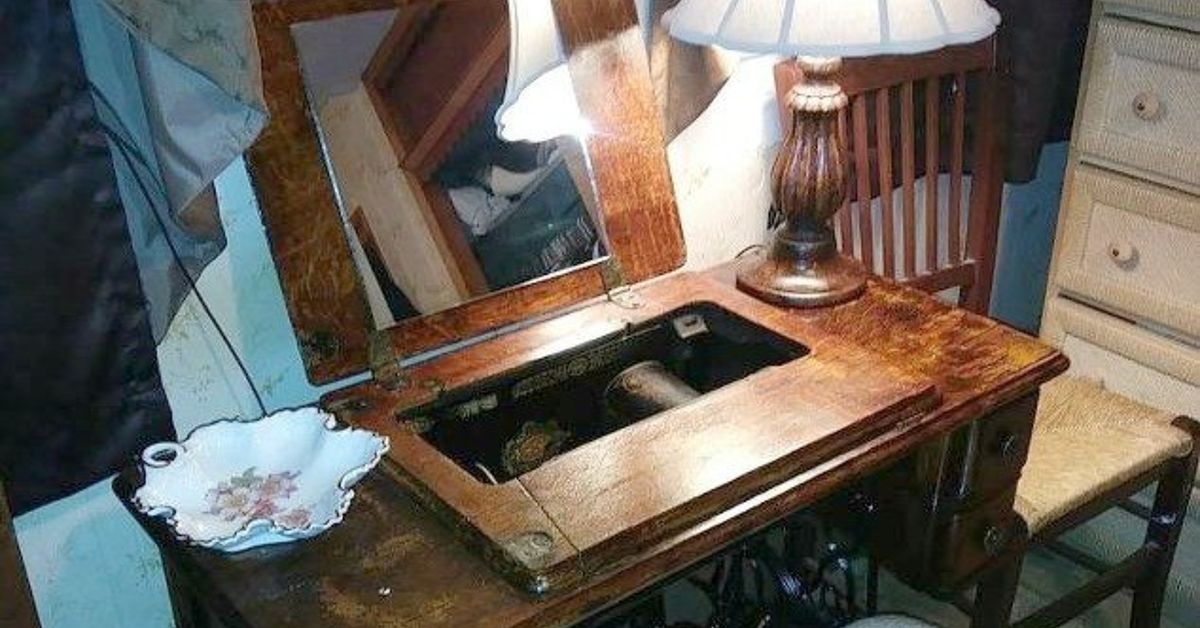
A refurbished vintage Singer sewing machine is not just an old machine with a shiny black body and fancy gold decals. It is a small, cast-iron time traveler that has probably stitched curtains, school uniforms, wedding dresses, work pants, quilt blocks, and at least one mysterious fabric scrap that no one in the family remembers buying. Unlike many modern machines packed with plastic parts and digital menus, vintage Singer machines are admired for their mechanical simplicity, durability, and surprisingly beautiful stitches.
For collectors, sewists, decorators, and practical DIY lovers, a restored Singer can be both a working tool and a conversation piece. The right machine can sew smoothly for decades when cleaned, oiled, adjusted, and cared for properly. The wrong one, however, can become a very heavy paperweight with a handwheel. That is why understanding what “refurbished” really means matters before you buy, sell, restore, or proudly place one on your sewing table.
What Is a Refurbished Vintage Singer Sewing Machine?
A refurbished vintage Singer sewing machine is an older Singer machine that has been inspected, cleaned, serviced, and returned to usable condition. “Vintage” usually refers to machines that are several decades old, while “antique” is often used for machines closer to 100 years old or more. In the Singer world, the line can get blurry because many machines from the early and mid-20th century are still being used today.
Refurbishment may be light or extensive. A basic refurbishment might include removing lint, oiling moving parts, replacing the needle, checking tension, polishing the body, and testing the stitch. A deeper restoration may include rewiring, replacing belts, cleaning the motor, adjusting timing, refinishing the cabinet, replacing missing parts, and carefully preserving original decals. The best refurbishment respects the machine’s history while making it safe and functional for modern sewing.
Why Vintage Singer Machines Are Still Popular
Singer became one of the most recognizable names in sewing because its machines were practical, widely distributed, and built for real household and industrial use. Many vintage Singer models were made with metal frames, metal gears, and straightforward mechanical systems. That combination is one reason sewists still hunt for models like the Singer 15, 66, 99, 201, 221 Featherweight, 301, 401A, and 500 series.
These machines are loved for several reasons. First, many produce a strong, consistent straight stitch. Second, they are often easier to maintain than computerized machines. Third, parts and manuals are still available for many popular models. Fourth, they simply look fantastic. A black Singer with gold decals on a wooden table has more personality than a modern appliance pretending to be a printer.
Popular Vintage Singer Models Worth Knowing
Singer 15
The Singer 15 is a favorite among people who want a sturdy, straightforward machine. It is known for its reliable straight stitch and familiar bobbin system. Many later machines from other brands copied the general Class 15 style, which says a lot about its influence.
Singer 66
The Singer 66 is often associated with the famous “Red Eye” decal design, although not every 66 has that decorative style. It is a full-size machine with a smooth stitch and a strong reputation among vintage sewing fans. When properly serviced, it can handle everyday sewing with calm confidence.
Singer 99
The Singer 99 is like the Singer 66’s smaller cousin. It is more compact but still sturdy. Because of its manageable size, it is a smart choice for people who want a vintage Singer but do not want to wrestle a machine that feels like it was built from a small bridge.
Singer 201
The Singer 201 is often praised for its smooth operation and beautiful straight stitch. Many sewing enthusiasts consider it one of Singer’s finest domestic machines. A refurbished 201 can feel incredibly refined, especially when the motor, wiring, tension, and lubrication are in excellent condition.
Singer 221 Featherweight
The Singer 221 Featherweight is one of the most collectible vintage Singer machines. It is compact, portable, attractive, and beloved by quilters. A fully serviced Featherweight with its case, foot controller, attachments, and manual can command a premium because demand remains strong.
What “Refurbished” Should Include
When a seller describes a machine as refurbished, ask what was actually done. The word can mean anything from “I wiped dust off the lid” to “a trained technician fully serviced the motor, wiring, timing, feed system, tension assembly, bobbin area, and stitch quality.” Those are very different situations.
A properly refurbished vintage Singer sewing machine should usually include:
- Cleaning of lint, dust, old oil, and thread debris
- Fresh sewing machine oil in the correct oiling points
- Inspection of belts, gears, bobbin winder, feed dogs, and handwheel
- Needle replacement and correct needle installation
- Bobbin and bobbin case inspection
- Tension adjustment and stitch testing
- Electrical safety check for motorized models
- Replacement of unsafe wiring, cords, or foot controllers if needed
- Test stitching on different fabric weights
- Clear disclosure of cosmetic flaws, missing accessories, or non-original parts
The most important phrase is “tested under real sewing conditions.” A machine that turns on is not the same as a machine that sews well. A motor can hum, a light can glow, and the stitch can still look like a nervous spider ran across the fabric.
How to Identify a Vintage Singer Sewing Machine
Identification usually begins with the serial number and model number. On many older Singer machines, the serial number is found on the bed of the machine or near the base. Older electric machines may have number plates or stamped markings in different locations, depending on the model and era.
Once you find the serial number, you can compare it with Singer serial-number databases and collector resources to estimate the production period. The model number is especially important when ordering parts, because the serial number alone may not tell a parts supplier exactly which bobbins, belts, feet, tension parts, or attachments you need.
Look also at physical clues: bobbin placement, stitch length lever style, decals, faceplate design, motor style, hand crank, treadle base, cabinet shape, and attachment set. These details help narrow the model and confirm whether the machine has been modified over the years.
Buying a Refurbished Vintage Singer: What to Check First
1. Safety Comes Before Beauty
Beautiful decals are wonderful, but safe wiring matters more. If the machine is electric, inspect the cord, plug, motor wiring, and foot controller. Cracked insulation, exposed wire, brittle rubber, burning smells, or buzzing electrical behavior should be taken seriously. A machine from the 1940s may still sew beautifully, but original wiring can age badly.
2. Test the Handwheel
The handwheel should turn smoothly toward you. It should not grind, freeze, or require heroic strength. A stiff handwheel may simply need cleaning and oiling, but it can also point to deeper mechanical problems.
3. Check the Stitch
Ask for a stitch sample. A good refurbished Singer should form balanced stitches on woven cotton. The upper thread and bobbin thread should lock neatly between fabric layers, not loop wildly on the top or bottom.
4. Confirm Included Accessories
Cases, manuals, bobbins, original attachments, presser feet, buttonholers, cabinets, and foot controllers can affect value. Missing pieces are not always a dealbreaker, but they should be reflected in the price.
5. Look for Honest Cosmetic Disclosure
Scratches, worn decals, pin marks, chipped paint, and cabinet wear are common. Cosmetic aging is part of the charm, but sellers should show clear photos. A machine does not need to look museum-perfect to sew well, but surprises are less charming when they arrive in a shipping box.
How Much Is a Refurbished Vintage Singer Sewing Machine Worth?
Value depends on model, condition, rarity, accessories, location, and demand. A common machine needing service may sell for a modest amount, while a professionally refurbished Singer Featherweight with case and attachments may sell for much more. Condition matters heavily. A working machine with minimal cosmetic damage, safe electrical components, and original accessories is generally more desirable than a nonworking machine missing key parts.
Rarity also plays a role. Special decals, unusual finishes, limited production variations, and sought-after models can raise value. However, not every old Singer is rare. Many were produced in large numbers, which is good news for buyers because it often means parts and support are easier to find.
For realistic pricing, compare completed sales rather than active listings. Anyone can list a machine for a fantasy price. Completed sales show what buyers actually paid. Also consider local pickup versus shipping. Vintage Singers are heavy, and poor packing can damage a machine, cabinet, case, or tension assembly.
Restoration vs. Refurbishment: What Is the Difference?
Refurbishment focuses on making the machine clean, safe, and usable. Restoration may go further by returning the machine as close as possible to its original appearance and function. Restoration can involve decal preservation, paint correction, cabinet refinishing, period-correct parts, and careful cosmetic work.
For most sewists, refurbishment is enough. If the machine runs smoothly, stitches beautifully, and is electrically safe, it does not need to look like it just rolled out of a 1930s showroom. For collectors, originality may be more important. Repainting a rare machine, replacing original decals, or installing non-period parts can affect collectible value. In short: restore for history, refurbish for sewing, and never attack original decals with harsh cleaners unless you enjoy regret.
Basic Maintenance After You Bring One Home
Even a refurbished machine needs ongoing care. Vintage Singer machines are mechanical, and mechanical parts like clean surfaces, proper oil, and regular movement. Use sewing machine oil only, not cooking oil, automotive oil, or whatever mysterious bottle lives in the garage. Old oil can dry into sticky varnish, so regular maintenance helps prevent sluggish movement.
Clean lint from the bobbin area, feed dogs, needle plate, and thread path. Replace the needle often. A dull or bent needle can cause skipped stitches, fabric snags, thread breaks, and unnecessary frustration. Use the correct bobbin type for your model, because the wrong bobbin can cause tension problems even when everything else is perfect.
Many vintage Singer models need oil at metal-to-metal contact points. Some require grease on gears, but oil and grease are not interchangeable. The manual for your model is your best friend here. If you do not have a manual, many reproductions and digital copies are available through Singer support and vintage sewing suppliers.
Common Problems and What They Usually Mean
Skipped Stitches
Skipped stitches often come from an incorrect needle, dull needle, improper threading, timing issues, or tension problems. Start with the simple fixes: new needle, correct threading, proper bobbin, and clean bobbin area.
Thread Nesting Under the Fabric
Thread nests usually mean the upper thread is not seated correctly in the tension discs, the machine is threaded with the presser foot down, or the bobbin area needs attention. Rethread slowly with the presser foot raised.
Uneven Stitch Length
Uneven stitches may point to dirty feed dogs, improper presser foot pressure, fabric handling issues, or mechanical adjustment needs. Let the feed dogs move the fabric; do not drag it like you are rescuing it from a tiny sewing-machine swamp.
Motor Runs but Needle Does Not Move
This can happen when the handwheel clutch is loosened for bobbin winding or when a belt is slipping. Check the clutch knob and belt condition before assuming disaster.
Best Uses for a Refurbished Vintage Singer
A refurbished vintage Singer sewing machine is excellent for straight stitching, quilting pieces, garment seams, hemming, mending, home décor, and many woven fabric projects. Some models can handle heavier materials better than lightweight modern machines, but that does not mean every vintage Singer should be forced through thick leather or multiple layers of upholstery fabric. Respect the model’s limits.
If you want decorative stitches, automatic buttonholes, embroidery designs, speed control, or computerized features, a vintage Singer may not replace a modern machine. Many sewists use both: a vintage Singer for reliable straight stitching and a modern machine for specialty stitches. That pairing gives you old-school strength and new-school convenience without asking one machine to do everything.
Where to Find Refurbished Vintage Singer Machines
Common places include local sewing machine repair shops, estate sales, antique stores, thrift stores, online marketplaces, collector groups, and specialized vintage sewing dealers. Local buying has one major advantage: you can inspect and test the machine before committing. Online buying offers more selection, but shipping risk is real.
If buying online, look for listings with clear photos of the front, back, serial number, motor, wiring, bobbin area, accessories, stitch sample, case, and cabinet if included. Ask whether the machine has been serviced by a technician or simply cleaned by the seller. Those two phrases should not be treated as twins.
How to Care for the Finish and Decals
The finish on a vintage Singer can be delicate, especially when decals are worn. Avoid harsh chemicals, abrasive pads, alcohol-heavy cleaners, and aggressive polishing. Start with gentle dusting and a soft cloth. Test any cleaner in a small hidden area before using it on visible surfaces.
The goal is preservation, not making the machine look artificially new. Worn decals, small scratches, and gentle patina tell the story of the machine. Over-cleaning can erase that history faster than you can say, “Oops, was that gold detail important?”
Experience-Based Tips for Living With a Refurbished Vintage Singer Sewing Machine
Owning a refurbished vintage Singer sewing machine feels different from owning a modern machine. You do not just press buttons and scroll through stitch menus. You listen. You feel the handwheel. You notice whether the motor sounds smooth, whether the foot pedal responds evenly, and whether the fabric feeds with confidence. In a strange way, the machine teaches patience. It rewards careful threading, proper oiling, and calm hands.
One practical experience many new owners have is surprise at the weight. A full-size cast-iron Singer is not something you casually move from room to room while holding a cup of coffee. Plan a stable sewing space. A sturdy table matters because vibration affects stitch quality and comfort. If the machine is in a cabinet, check that the hinges, lift mechanism, and tabletop are secure before sewing. A beautiful cabinet with loose hardware can turn a peaceful sewing session into furniture drama.
Another lesson is that small accessories matter more than beginners expect. The correct bobbins, bobbin case, presser feet, needle plate, and manual can make the difference between “This machine is magical” and “Why is the thread doing interpretive dance?” Before starting a project, gather the basics: fresh needles, quality thread, correct bobbins, a small brush, sewing machine oil, extra felt spool pads if needed, and scrap fabric for testing.
Testing is a habit worth building. Before sewing an actual garment or quilt block, stitch on a scrap of similar fabric. Check stitch length, tension balance, and fabric feeding. Vintage machines are wonderfully consistent when adjusted well, but fabric changes can reveal tension issues. Cotton, denim, linen, and lightweight fabric may all behave differently.
Threading slowly is another underrated skill. Many stitch problems begin because the thread missed a guide, slipped out of the take-up lever, or failed to seat in the tension discs. Raise the presser foot while threading so the tension discs open. Turn the handwheel toward you, never away, unless your model’s manual says otherwise. These tiny habits prevent big headaches.
Do not be afraid of maintenance, but do respect electricity. Cleaning lint and adding oil are beginner-friendly tasks when you follow the manual. Rewiring a brittle cord, repairing a motor, or replacing a questionable foot controller is different. If you are not experienced with electrical repair, use a qualified sewing machine technician or repair professional. A vintage Singer should make stitches, not sparks.
Finally, enjoy the personality of the machine. A refurbished vintage Singer often has small signs of previous lives: a worn handwheel, a faded decal, a drawer full of attachments, or a cabinet scratch shaped like family history. That is part of the appeal. You are not just buying a tool. You are continuing a useful object’s story, one seam at a time.
Conclusion
A refurbished vintage Singer sewing machine can be a practical sewing partner, a collectible treasure, and a beautiful piece of design history. The best machines are not always the shiniest; they are the ones that have been cleaned properly, serviced honestly, tested thoroughly, and matched to the right owner. Whether you want a Singer 66 for everyday stitching, a 99 for compact charm, a 201 for smooth performance, or a Featherweight for quilting portability, the key is to buy with knowledge.
Check the model, inspect the wiring, ask about service history, test the stitch, confirm accessories, and learn basic maintenance. Do that, and your vintage Singer may reward you with years of reliable sewing. It may also make your sewing room look instantly cooler, which is not technically a performance feature, but let’s be honestit helps.












