
There are sentences that sound too blunt to be true, until a pandemic proves otherwise. “Alone and frightened is the way COVID patients die” is one of them. It is not a slogan. It is not a dramatic headline wearing a cape. It is a hard description of what happened in hospital rooms, intensive care units, nursing homes, emergency departments, and makeshift COVID wards when a highly contagious virus collided with the most human moment of all: the end of life.
COVID-19 changed many things about medicine. It changed how people entered hospitals, how nurses touched patients, how doctors delivered bad news, how families waited, and how goodbyes were said. A virus that attacked the lungs also attacked ritual. It took away the familiar hand on the shoulder, the crowded bedside, the whispered prayer, the daughter adjusting the blanket, the son cracking a terrible joke because humor is sometimes the last bridge across fear.
This article explores why so many COVID patients died alone, what that isolation meant for patients and families, how health systems tried to balance infection control with compassion, and what lessons should remain long after the emergency phase of the pandemic has faded from headlines. Because even when science saves lives, humanity must still be allowed into the room.
Why COVID Patients Were Isolated in the First Place
At the beginning of the pandemic, hospitals faced a nightmare wrapped in uncertainty. COVID-19 spread through respiratory particles, personal protective equipment was scarce in many places, testing was limited, and health workers were becoming infected. Hospitals had to protect patients, staff, and the public while caring for people who were critically ill. Visitor restrictions were not created because hospitals forgot families mattered. They were created because the virus was moving faster than the rulebook.
For COVID patients, isolation became part of infection control. Doors stayed closed. Staff entered rooms wearing masks, gowns, gloves, shields, and sometimes powered respirators. The human face became a foggy plastic outline. Names were written on tape across gowns because otherwise everyone looked like an astronaut who had taken a wrong turn and landed in the ICU.
In normal times, families are often part of care. They remind patients to eat. They clarify medications. They notice when someone seems confused. They translate fear into information. During COVID surges, many families were forced to become voices on phones instead of bodies at bedsides. That may have reduced infection risk, but it also removed a safety net that patients, families, and clinicians had relied on for decades.
The Medical Reality: COVID Can Become Terrifyingly Fast
COVID-19 is not simply “a bad cold” for everyone. For many people, it remains mild. For others, especially older adults and people with underlying health conditions, it can become a severe respiratory illness. Warning signs such as trouble breathing, chest pressure, confusion, difficulty waking, or pale, gray, or bluish skin can signal a medical emergency.
Severe COVID often becomes frightening because breath is not optional. Patients may arrive at the hospital gasping, exhausted, and scared. Some need oxygen through a nasal cannula. Others need high-flow oxygen, noninvasive ventilation, or a breathing tube connected to a ventilator. In the worst cases, patients are sedated because the body cannot tolerate the machinery needed to keep oxygen moving.
That is where loneliness becomes more than emotional. A patient struggling to breathe may not be able to speak. A patient on a ventilator cannot explain preferences, ask for a spouse, or say, “Tell my kids I love them.” A sedated patient may not know whether anyone is nearby. Families, meanwhile, may sit at home refreshing their phones, afraid to miss a call from a number they do not recognize.
How Dying Alone Changes the Meaning of Care
In medicine, a “good death” is often described as one that respects the patient’s wishes, controls pain and distress, and allows loved ones to be present when possible. COVID disrupted every part of that ideal. Patients were often too sick to discuss end-of-life choices. Families were often not allowed in the building. Doctors and nurses became messengers, witnesses, and stand-ins for relatives.
This was not just emotionally painful. It created ethical pressure. If a patient had no advance directive, clinicians needed to contact a legal decision-maker quickly. But families who could not see the patient had to make heartbreaking choices based on phone updates. Should they continue aggressive treatment? Should they agree to comfort-focused care? Was their loved one suffering? Were they aware? Was there still hope?
These questions are hard in any ICU. During COVID, they became harder because the family could not read the room. They could not see the machines, the swelling, the exhaustion, the nurse’s face, or the patient’s body language. They had to imagine everything. The imagination, unfortunately, is not always gentle. It fills blank spaces with fear.
The Family Was Not “Just Visiting”
One of the biggest lessons from the pandemic is that families are not accessories to care. They are not decorative throw pillows in the hospital experience. They are often historians, advocates, translators, comforters, and memory keepers. A spouse may know that the patient becomes confused after certain medications. A daughter may know that her father will say he is fine even when he is very much not fine. A friend may know the playlist that calms panic better than any speech.
When hospitals called these people “visitors,” the language made it easier to exclude them. But for many patients, a trusted person is part of the care team. That person helps preserve identity. Without family, a patient can become “the COVID pneumonia in room 14.” With family, the patient is Maria who loved salsa music, Robert who fixed lawn mowers, Denise who never missed a birthday, or Grandpa Joe who believed soup could solve 73 percent of life’s problems.
That identity matters. It reminds clinicians that the person behind the mask and monitors has a full life. It also reminds families that their loved one was not abandoned, even if they could not be physically present.
Technology Helped, But It Was Not the Same as Touch
Video calls became one of the most important tools of pandemic care. Tablets, smartphones, and rolling screens turned into emergency bridges between hospital rooms and living rooms. Nurses held devices near patients’ faces. Chaplains helped families pray over speakers. Doctors explained ventilators through pixelated screens. Sometimes a patient heard a familiar voice and opened their eyes. Sometimes they did not.
Technology mattered. It allowed families to say “I love you,” even when they could not say it in person. It allowed patients to hear voices that belonged to home. It helped reduce the awful silence around dying.
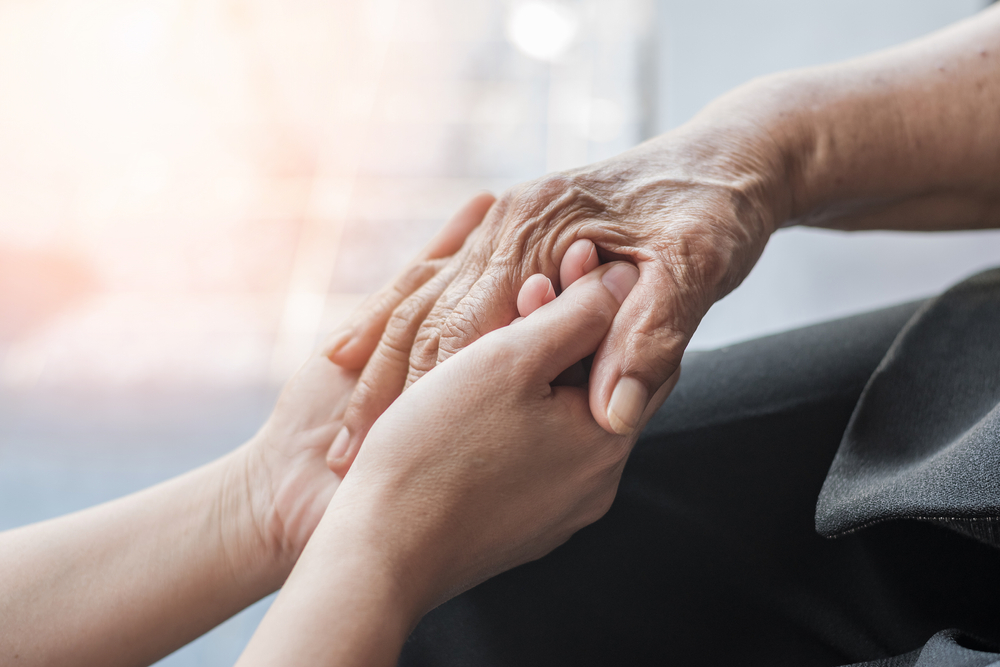
But no one should pretend a video call fully replaces presence. A screen cannot hold a hand. A phone cannot smooth hair away from a forehead. Wi-Fi cannot carry the warmth of someone leaning close and saying, “I’m here.” And sometimes, in the most painful twist, technology failed. Batteries died. Calls dropped. Staff were too overwhelmed to coordinate the perfect goodbye. The pandemic turned even farewell into a logistics project, which is about as emotionally satisfying as trying to hug someone through a spreadsheet.
The Toll on Nurses, Doctors, and Hospital Staff
COVID isolation also wounded healthcare workers. Many nurses and doctors entered medicine to heal, comfort, and accompany. During surges, they had to enforce rules that felt cruel even when they were meant to protect. They watched patients die without family at the bedside. They held phones. They played music. They whispered messages from relatives. They became the last human presence in rooms where families desperately wanted to be.
This created moral distress: the pain of knowing what compassionate care should look like while being unable to provide it fully. Staff were not robots in scrubs. They were people working long shifts, sweating under protective equipment, afraid of bringing infection home, and still trying to make sure no patient felt like a forgotten name on a chart.
Some hospitals developed creative practices. They created communication teams to update families daily. They used laminated photos on gowns so patients could see a caregiver’s face. They arranged limited compassionate visits near the end of life when possible. They trained staff to ask families about favorite songs, religious needs, nicknames, and personal details. Small acts became sacred acts.
Advance Directives Became More Than Paperwork
Before COVID, many people treated advance directives like dental floss: important, recommended, and somehow always postponed until “next week.” The pandemic showed why end-of-life planning matters. A patient with severe COVID may become unable to speak quickly. Ventilation, sedation, delirium, or extreme fatigue can make communication impossible.
An advance directive can name a medical decision-maker and clarify treatment preferences. It does not remove grief, but it can reduce confusion. Families who know what a loved one wanted are less likely to feel trapped in guilt. Doctors who understand the patient’s values can recommend care with more confidence. The document is not about giving up. It is about making sure that if illness steals your voice, your wishes still have a microphone.
COVID made this painfully clear. Families were sometimes asked to make decisions about ventilators, resuscitation, dialysis, or comfort care while separated from the patient and under intense emotional shock. Planning ahead is not morbid. It is a kindness to the people who may one day have to speak for you.
What Hospitals Should Keep From the Pandemic Lessons
The pandemic does not teach that infection control is unimportant. It teaches that safety and compassion must be planned together. Hospitals need policies that distinguish casual visitors from essential care partners. They need ways to screen, mask, educate, and safely include designated support people when possible. They need backup systems for communication, especially when in-person presence is limited.
Future emergency plans should include family communication as a core clinical task, not a bonus activity squeezed in after everything else. A daily update can reduce panic. A scheduled video call can help families trust what they are being told. Clear explanations about prognosis, treatment options, and uncertainty can prevent confusion from becoming anger.
Hospitals should also consider equity. Not every family has reliable internet, flexible work hours, English fluency, medical literacy, or a calm place to take calls. A compassionate system does not assume everyone can advocate equally. It builds support for the people most likely to be left out.
What Families Can Do When a Loved One Is Hospitalized With COVID
Families cannot control everything, but they can prepare. First, identify one main contact person who can receive updates and share them with others. This reduces confusion and helps hospital staff communicate efficiently. Second, ask what the visitation policy allows, including compassionate exceptions, disability-related support, clergy access, and end-of-life visits.
Third, provide a short “personhood note” about the patient. Include preferred name, language, hearing or vision needs, important medical history, fears, favorite music, spiritual needs, and who matters most to them. A one-page note can turn a patient from a diagnosis into a person.
Fourth, ask for scheduled communication. A predictable call, even brief, is better than waiting all day in a state of emotional jump-scare. Finally, discuss advance directives before crisis strikes. Nobody enjoys that conversation, but nobody enjoys assembling a parachute after jumping out of the plane either.
Experiences Related to “Alone and Frightened Is the Way COVID Patients Die”
The experience of COVID death often began before the hospital. A person might spend days at home insisting they were “just tired,” because denial is a surprisingly popular home remedy. Then the breathing worsened. Stairs became mountains. A sentence became a sprint. By the time the ambulance arrived, the family might already sense that the front door was becoming a border they could not cross.
In the emergency department, fear had a particular sound: monitors beeping, oxygen flowing, wheels rolling, staff speaking through masks. Patients looked for familiar faces and found only covered ones. Nurses tried to slow down and explain, but the pace of the pandemic was merciless. There were forms to complete, oxygen levels to watch, medications to start, beds to find, and other patients waiting. Compassion had to move quickly, but grief does not like to be rushed.
Families describe the helplessness of waiting at home or in parking lots. They remember holding phones like lifelines. A call from the hospital could mean improvement, decline, or the sentence everyone feared: “You should prepare yourself.” Some families dressed as if going to the hospital even when they were not allowed inside. Some kept shoes by the door. Some slept badly, waking at every buzz. The house became a waiting room with laundry.
For patients, fear could come in waves. There was the fear of suffocation, the fear of intubation, the fear of not waking up, and the fear of dying without one’s people nearby. Even brave people can be terrified when breath disappears. A patient might ask a nurse to call a spouse, then become too breathless to speak once the call connected. Love was present, but trapped inside broken timing.
Healthcare workers often became witnesses to last messages. They heard apologies, blessings, unfinished jokes, and family stories condensed into minutes. A nurse might hold a tablet while three generations cried from separate homes. A doctor might explain that the machines were no longer enough. A respiratory therapist might adjust oxygen while a chaplain prayed softly through a speaker. These were not perfect goodbyes, but they were attempts to push humanity through the narrow door that infection control left open.
Some families later struggled with complicated grief. They wondered whether the patient felt abandoned. They replayed decisions. They questioned whether one more visit, one more treatment, or one more phone call would have changed the ending. This is one of COVID’s quieter injuries. Death itself is painful, but distance adds a cruel footnote: “You were not there.” Families need reassurance that absence was not abandonment. The love was real, even when the room was closed.
There were also moments of grace. Staff taped family photos near beds. They played hymns, jazz, country music, or old pop songs. They learned nicknames. They told families, “He was not alone,” and meant it. Sometimes that sentence became the only comfort available. It could not erase the loss, but it could soften the sharpest edge.
The experience teaches a lasting lesson: dying patients need more than oxygen, medication, and monitors. They need presence. When family cannot be physically present, the system must create presence in every safe way possible. A voice. A screen. A prayer. A story. A hand held by someone who understands that the patient is not a case, not a room number, and not a statistic, but a whole person arriving at the edge of life.
Conclusion: The Pandemic’s Most Human Lesson
“Alone and frightened is the way COVID patients die” is a painful phrase because it names what many families feared and many clinicians witnessed. But it should not be the final lesson. The final lesson should be that isolation may sometimes be medically necessary, but abandonment never is.
COVID forced hospitals to make impossible choices in real time. Some restrictions protected lives. Some caused harm. Many did both. The task now is not to judge every decision made under crisis pressure from the comfort of hindsight’s recliner. The task is to build better systems before the next crisis arrives.
Patients need safe care. Families need honest communication. Clinicians need support. Hospitals need policies that treat loved ones as partners, not obstacles. And all of us need to talk about our wishes before illness makes the conversation impossible.
The pandemic reminded the world that medicine is not only about keeping hearts beating. It is also about making sure that when a heart stops, the person attached to it is not reduced to a lonely silhouette behind glass. In the end, the measure of a health system is not only how many lives it saves, but how much dignity it protects when saving is no longer possible.












