
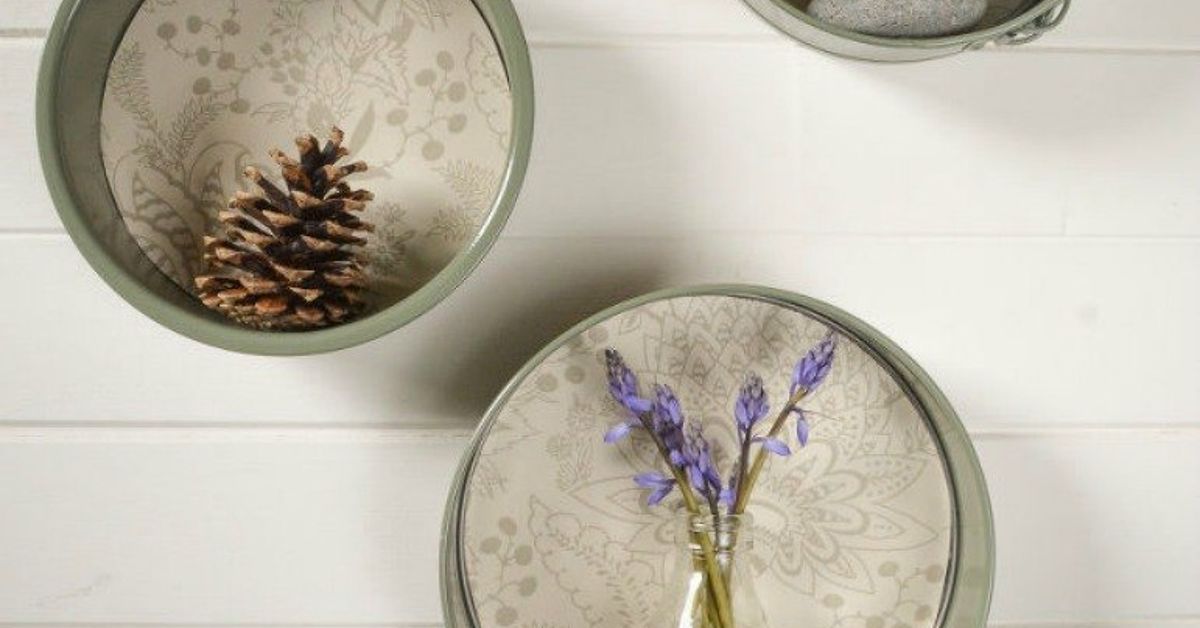
That old cake pan sitting in the back of your cabinet has seen things. Birthday candles. Brownie emergencies. A suspiciously ambitious pineapple upside-down cake. Maybe it is scratched, stained, slightly warped, or so emotionally attached to your kitchen that it refuses to leave. Before you toss it into the trash, pause for one delicious second: an old cake pan can become a storage hero, a garden helper, a wall accent, a desk organizer, or even a party tray with more personality than anything you can buy new.
Repurposing old cake pans is more than a cute weekend project. It is a practical way to reduce waste, save money, and create home decor that does not look like everyone else’s cart from the same big-box store. Metal bakeware is often durable enough for years of non-food use, even after it is no longer ideal for baking. The trick is knowing when a pan should retire from food contact and how to give it a second life safely.
If a nonstick cake pan is peeling, flaking, deeply scratched, or was manufactured long before modern coating standards, it is better to stop baking with it. But “not safe for cake” does not automatically mean “ready for landfill.” With cleaning, a little creativity, and a few basic supplies, that pan can still earn its keep. Here are 11 smart, stylish, and surprisingly useful ideas for how to reuse old cake pans around the home.
Before You Begin: Clean, Check, and Choose the Right Project
Start by washing the pan thoroughly with warm water, dish soap, and a non-abrasive sponge. For baked-on grease, try a paste of baking soda and water, or baking soda with hydrogen peroxide for stubborn stains on uncoated metal. Let it sit, scrub gently, rinse well, and dry completely. Avoid aggressive scrubbing on nonstick surfaces because it can make coating damage worse.
Next, inspect the pan. If it has sharp rusted edges, loose coating, or deep flakes, reserve it for decorative projects where food, pets, and small children will not touch it. If it is stainless steel, aluminum, ceramic-coated, or glassy enamel and still intact, it may work for serving wrapped items, holding craft supplies, or organizing sealed goods. When in doubt, treat old bakeware as decorative or utility-only rather than food-safe.
11 Creative Ideas for Old Cake Pans
1. Turn a Round Cake Pan Into a Wall-Mounted Shelf
A round cake pan already has the perfect shape for a small shadow-box shelf. Clean it, paint the outside, line the inside with wallpaper, scrapbook paper, fabric, or peel-and-stick contact paper, then mount it securely to the wall. Use it to display tiny plants, vintage salt shakers, toy cars, seashells, perfume bottles, or a tiny framed photo that deserves more than a lonely corner of the dresser.
This idea works especially well with deep cake pans because the sides create a built-in frame. For a farmhouse look, use matte black or cream paint. For a kids’ room, go bold with sky blue, coral, or sunny yellow. For a craft room, leave the metal slightly imperfect and call it “industrial chic,” which is design language for “yes, the dent is intentional.”
2. Make a Tiered Stand for Parties or Everyday Storage
Stack two or three cake pans using candlesticks, short wooden blocks, or sturdy metal rods as spacers, and you have a tiered stand. It can hold wrapped candies, cupcakes in liners, craft supplies, jewelry, coffee pods, bathroom essentials, or office odds and ends. A tiered stand is one of the best old cake pan ideas because it turns horizontal clutter into vertical organization.
For a party, paint all pans the same color for a polished look. For a thrifted, vintage style, mix different pan sizes and finishes. If you plan to use it for food, keep food wrapped or use paper liners unless you are certain the pan surface is intact and food-safe. Nobody wants a side of mystery coating with their mini muffin.
3. Create a Magnetic Message Board
Many steel cake pans can become magnetic memo boards. Test yours with a magnet first. If it sticks, you are in business. Paint the pan, add a hanging ribbon or small sawtooth hanger, and place it near the kitchen door for grocery reminders, school notes, coupons, photos, and appointment cards.
If the pan is not magnetic, it can still work as a pin-free message tray with clips glued to the surface. Add small binder clips, mini clothespins, or adhesive hooks. This project is especially helpful in tiny kitchens where counter space is sacred and every paper pile grows legs overnight.
4. Build a Drawer Organizer for Junk Drawers
Old square and rectangular cake pans are perfect for taming junk drawers. Slide one into a drawer to corral batteries, tape, measuring spoons, chargers, rubber bands, or the mysterious key nobody can identify but everyone is afraid to throw away.
For deeper drawers, use multiple pans like removable trays. You can lift out an entire category at once instead of digging through chaos. Line the bottom with felt, cork, or shelf liner to reduce noise and scratching. This is one of the simplest ways to repurpose old cake pans because it requires no paint, no drill, and no heroic crafting confidence.
5. Use It as a Seed-Starting Tray
An old cake pan makes a handy tray for seed-starting pots. Instead of planting directly into the pan, place small nursery pots, peat pots, or recycled yogurt cups inside it. The pan catches water, soil crumbs, and the tiny messes that come with growing herbs, lettuce, or flowers indoors.
If you want to plant directly in the pan, add drainage holes and use a well-drained potting mix. Herbs generally do best in containers with drainage because soggy roots can lead to rot. Shallow pans are better for microgreens or decorative succulents than deep-rooted vegetables. Place the pan where it gets appropriate light, and protect furniture underneath if water might seep through.
6. Make a Mini Herb Garden for a Windowsill
A round cake pan can become a charming mini herb garden for basil, parsley, chives, thyme, or oregano. Use small individual pots inside the pan so each herb has drainage and can be moved if one plant gets dramatic. This also makes watering easier because different herbs do not always drink at the same pace.
For a kitchen windowsill, label each pot with small wooden markers. Add pebbles to the bottom of the pan only as a decorative catch layer, not as a substitute for real drainage. The result is practical, pretty, and dangerously likely to make you say, “I grow my own herbs,” even if it is just one brave basil plant fighting for its life.
7. Design a Vintage Clock
With a basic clock kit, an old round cake pan can become a wall clock. Drill or punch a centered hole, attach the clock mechanism, add numbers or simple markers, and hang it in the kitchen, pantry, craft room, garage, or breakfast nook.
Bundt pans can also make interesting clocks because the center hole is already there, though you may need to adjust the clock mechanism to fit the shape. Keep the design clean if the pan has a strong vintage finish. Sometimes the scratches, patina, and old bakery vibes are the whole point.
8. Turn It Into a Pet Feeding Station Tray
A sturdy cake pan can work as a tray under pet bowls to catch spills, crumbs, and runaway kibble. This is especially helpful for enthusiastic dogs who eat as though they are training for a competitive vacuuming event.
Use a pan with smooth edges and no peeling coating. Add non-slip pads underneath so it does not slide across the floor. For cats, a shallow pan can hold separate food and water dishes while protecting the floor. Wash it regularly and avoid using damaged nonstick surfaces where flakes could come loose.
9. Create a Craft Supply Station
Old cake pans are excellent for craft rooms because they are shallow, portable, and easy to sort. Use one for beads, one for buttons, one for thread, one for paint tubes, or one for glue sticks and scissors. Muffin tins are famous for this, but cake pans work beautifully for larger supplies.
For kids’ crafts, line the pan with washable paper or use small cups inside it. The raised edge keeps crayons from rolling away and glitter from achieving full household takeover. No system can truly defeat glitter, but a cake pan at least gives you a fighting chance.
10. Make a Rustic Serving Tray
If the pan is still in good condition and the surface is safe, it can become a casual serving tray for wrapped snacks, napkins, condiment jars, coffee fixings, or picnic supplies. Add small handles to opposite sides or wrap the rim with jute rope for a rustic look.
For food safety, do not place unpackaged food directly on an old scratched nonstick pan. Instead, use parchment, a clean cloth napkin, cupcake liners, ramekins, or small plates inside the pan. This keeps the look while avoiding questionable contact with damaged surfaces.
11. Build Outdoor Garden Art
Old cake pans can become whimsical garden art. Paint them like flowers, stack them into metal blooms, turn them into sun catchers, or use them as shallow trays for decorative stones and small outdoor objects. A round pan painted in bright colors can look cheerful on a fence, shed wall, or patio.
For outdoor use, seal painted metal with a weather-appropriate clear coat and drill drainage holes if water can collect. Standing water can attract mosquitoes and speed up rust. If you live in a windy area, mount the pan securely so your garden art does not become neighborhood frisbee art.
How to Choose the Best Idea for Your Pan
The right project depends on the pan’s shape, depth, finish, and condition. A deep round pan works well as a wall shelf. A shallow pan makes a better tray. A square pan is ideal for drawer storage or shadow-box decor. A Bundt pan is naturally dramatic, making it perfect for planters, clocks, wreath bases, or centerpiece projects.
Ask three quick questions before choosing: Is the surface safe to touch? Does the shape solve a real problem? Will I actually use the finished project? Upcycling should not become clutter wearing a craft hat. If your finished pan will help organize, decorate, serve, grow, or simplify something, it is a winner.
Safety Tips for Repurposing Old Cake Pans
Old bakeware is useful, but safety still matters. Do not use peeling nonstick pans for direct food contact. Sand or cover sharp edges. Wear gloves when handling rusty metal. If drilling holes, secure the pan and use eye protection. If a project involves children, an adult should handle cutting, drilling, sanding, or adhesives with strong fumes.
For planters, avoid using unknown vintage metal for edible plants unless the food grows in a separate inner pot. For outdoor projects, prevent standing water. For painted projects, use paint suitable for the surface and purpose. Decor paint is not automatically food-safe, no matter how cute the label looks.
Why Repurposing Old Cake Pans Is Worth It
Repurposing saves money, reduces household waste, and adds personality to everyday spaces. It also helps you look at objects differently. A cake pan is not just a cake pan; it is a tray, shelf, organizer, planter, frame, clock, garden accent, and tiny stage for whatever your home needs next.
There is also a practical sustainability angle. Durable household goods often contain materials that take resources to produce. Reusing an item before recycling or discarding it extends its useful life and delays waste. Even one small project can shift your habit from “throw it out” to “what else could this become?” That mindset is where the best DIY ideas usually begin.
Real-Life Experiences: What Happens When You Actually Try These Ideas
The first time I reused an old cake pan, it was not because I was feeling especially artistic. It was because my junk drawer had become a tiny civilization with its own economy. There were batteries, takeout menus, pens that did not write, pens that wrote too aggressively, and at least three Allen wrenches from furniture I no longer owned. I slid an old square cake pan into the drawer, and suddenly everything looked intentional. Not perfect, but intentional, which is basically the middle-class version of magic.
Another surprisingly successful experiment was using a round pan as a plant tray. I had a few small herb pots on a windowsill, and every watering session ended with muddy water sneaking onto the paint. The cake pan caught the drips, held the pots neatly, and made the windowsill look like a mini garden instead of a botanical accident report. The best part was that I could rotate all the herbs at once by turning the pan. Basil got more sun, parsley stopped leaning like it was listening through the wall, and the whole setup became easier to maintain.
A wall-mounted cake pan shelf also turned out better than expected. The pan had scratches and a dent on one side, so I painted it a soft neutral color and lined the back with leftover peel-and-stick wallpaper. Once it was on the wall, the dent disappeared into the design. It became a small display shelf for a tiny ceramic bird, a candle in a jar, and a photo. Guests noticed it, but not in the “why is bakeware on your wall?” way. More in the “where did you find that?” way, which is the highest compliment in DIY.
The biggest lesson from these projects is that old cake pans work best when you respect their limits. A scratched nonstick pan may not belong under fresh cookies anymore, but it can still catch mail, hold craft supplies, organize bathroom items, or anchor a centerpiece. You do not need a full workshop or a perfect Pinterest personality. You need a clean pan, a realistic project, and the courage to say, “This might be weird, but let’s see.”
And yes, some projects will flop. Paint may chip. A handle may look crooked. A planter may need better drainage. That is fine. DIY is not about creating flawless objects; it is about solving small problems with imagination. The old cake pan that once baked birthday cakes can still be useful, just in a new chapter. Think of it as retirement with benefits: less oven heat, more personality, and absolutely no pressure to rise evenly.
Conclusion
Before you throw out that old cake pan, give it one last audition. Whether it becomes a tiered stand, herb garden, drawer organizer, craft tray, wall shelf, message board, or garden decoration, it still has plenty of useful life left. The best old cake pan ideas are simple, affordable, and flexible enough for real homes with real messes.
A pan does not need to be bakery-perfect to be valuable. In fact, the dents and stains can add charm, especially when the finished project has a purpose. Clean it, inspect it, choose a safe use, and let it surprise you. Your cabinet gets more space, your home gets a custom piece, and your trash can gets ignored for once. Everybody wins, except maybe the trash can.












