
Note: This article is for general education only and is not a substitute for medical diagnosis or treatment. If you have diabetes, poor circulation, a weakened immune system, fever, pus, spreading redness, severe pain, or an open wound that is getting worse, contact a healthcare professional promptly.
“Jungle rot” sounds like something a pirate would blame on a cursed swamp, but in everyday speech it usually refers to a stubborn skin infection of the feetmost often athlete’s foot, also called tinea pedis. In some travel or military contexts, people may also use the term for a more serious tropical skin ulcer. Either way, the theme is the same: warm, damp skin plus friction, tiny cuts, and microbes can turn your feet into a very unhappy neighborhood.
The good news? Most mild fungal foot infections can be recognized early and treated before they become a bigger problem. The key is knowing what to look for, what not to ignore, and when the “I’ll just walk it off” approach needs to retire immediately.
Below are 13 practical steps to help you understand whether your symptoms may fit jungle rot, athlete’s foot, or another skin problem that deserves medical attention.
What Is Jungle Rot?
Jungle rot is not a precise medical diagnosis. It is a nickname people use for several skin conditions that happen in wet, humid, sweaty, or unsanitary conditions. In the United States, people often mean a fungal foot infection such as athlete’s foot. In tropical settings, the phrase may describe infected wounds or tropical ulcers that can become deep, painful, and slow to heal.
For SEO clarity and medical accuracy, this article focuses mainly on how to identify possible jungle rot on the feet, especially symptoms linked to athlete’s foot, while also explaining red flags that may suggest something more serious than a simple fungus.
How to Know if You Have Jungle Rot: 13 Steps
1. Check Between Your Toes First
A classic place for jungle rot-style fungal infection to begin is between the toes, especially between the fourth and fifth toes. This area is warm, dark, and often dampthe fungal equivalent of a five-star resort.
Look for peeling, cracking, white soggy skin, itching, or a burning feeling. The skin may look wrinkled or macerated, almost like it has been soaking in water too long. If your toes smell unpleasant even after washing, that can also be a clue that moisture and microbes are throwing a tiny foot party without your permission.
2. Notice Itching, Burning, or Stinging
One of the most common symptoms of athlete’s foot is itching. It may start mildly, then become more irritating after you remove your shoes and socks. Some people feel burning or stinging rather than a simple itch.
Itching alone does not prove you have jungle rot. Dry skin, eczema, allergic reactions, insect bites, and psoriasis can also itch. But itching combined with peeling, cracking, damp skin, or a rash between the toes makes a fungal infection more likely.
3. Look for Peeling, Flaking, or Scaling Skin
Fungal infections often cause skin to peel or scale. The flakes may be fine and powdery, or they may come off in larger pieces. On the soles, athlete’s foot can sometimes create a dry, scaly pattern that looks like your foot is wearing a rough “moccasin.”
This type of scaling may be mistaken for ordinary dryness. A useful clue is persistence: regular lotion may soften dry skin, but it will not cure a fungal infection. If the scaling keeps returning, spreads, or comes with itching and cracks, it may be more than a cosmetic issue.
4. Watch for Cracks, Splits, or Raw Skin
Small cracks between the toes or along the sole are important because they can become entry points for bacteria. Once bacteria join the fungus, the situation can shift from annoying to medically concerning.
Cracked skin may hurt when you walk, shower, or apply products. If the cracks bleed, ooze, smell foul, or become surrounded by warmth and swelling, do not treat it like a normal dry-skin problem. That is the foot raising its hand and saying, “Please call an adult with a medical license.”
5. Check for Redness or Inflammation
Jungle rot may cause red, irritated patches on the toes, soles, or sides of the feet. On darker skin tones, redness may appear as deeper brown, purple, gray, or ashy discoloration rather than bright red.
Mild redness with itching can happen in athlete’s foot. However, redness that spreads quickly, feels hot, becomes very painful, or moves up the foot or leg may suggest bacterial infection such as cellulitis. That situation needs prompt medical care.
6. Look for Blisters or Oozing Areas
Some fungal infections cause small blisters, especially on the arch, sole, or sides of the foot. These blisters may itch intensely. If they break open, the skin underneath can feel tender and raw.
Oozing can occur with irritated fungal skin, but pus, yellow crusting, or a bad odor may point toward secondary bacterial infection. Do not pop blisters on purpose. Opening the skin can make it easier for germs to move in, unpack, and redecorate badly.
7. Pay Attention to Foot Odor That Does Not Improve
Feet can smell after a long day. That is not automatically jungle rot; it may simply mean your socks survived a heroic battle. But persistent odor combined with peeling, dampness, cracking, or itching may be a sign of fungal or mixed microbial overgrowth.
Try basic hygiene first: wash feet daily, dry carefully between the toes, change socks, and rotate shoes. If odor remains strong despite good hygiene and visible skin changes are present, it is worth investigating further.
8. Examine Your Toenails
A fungal foot infection can spread to the toenails. Signs of toenail fungus include yellow, white, brown, thickened, brittle, crumbly, or distorted nails. Nails may lift from the nail bed or become painful in shoes.
Nail fungus is usually harder to treat than skin fungus because nails grow slowly. If your skin symptoms come with nail changes, you may need a longer treatment plan. A clinician can confirm whether fungus is truly the cause, because trauma and other nail conditions can look similar.
9. Think About Your Recent Environment
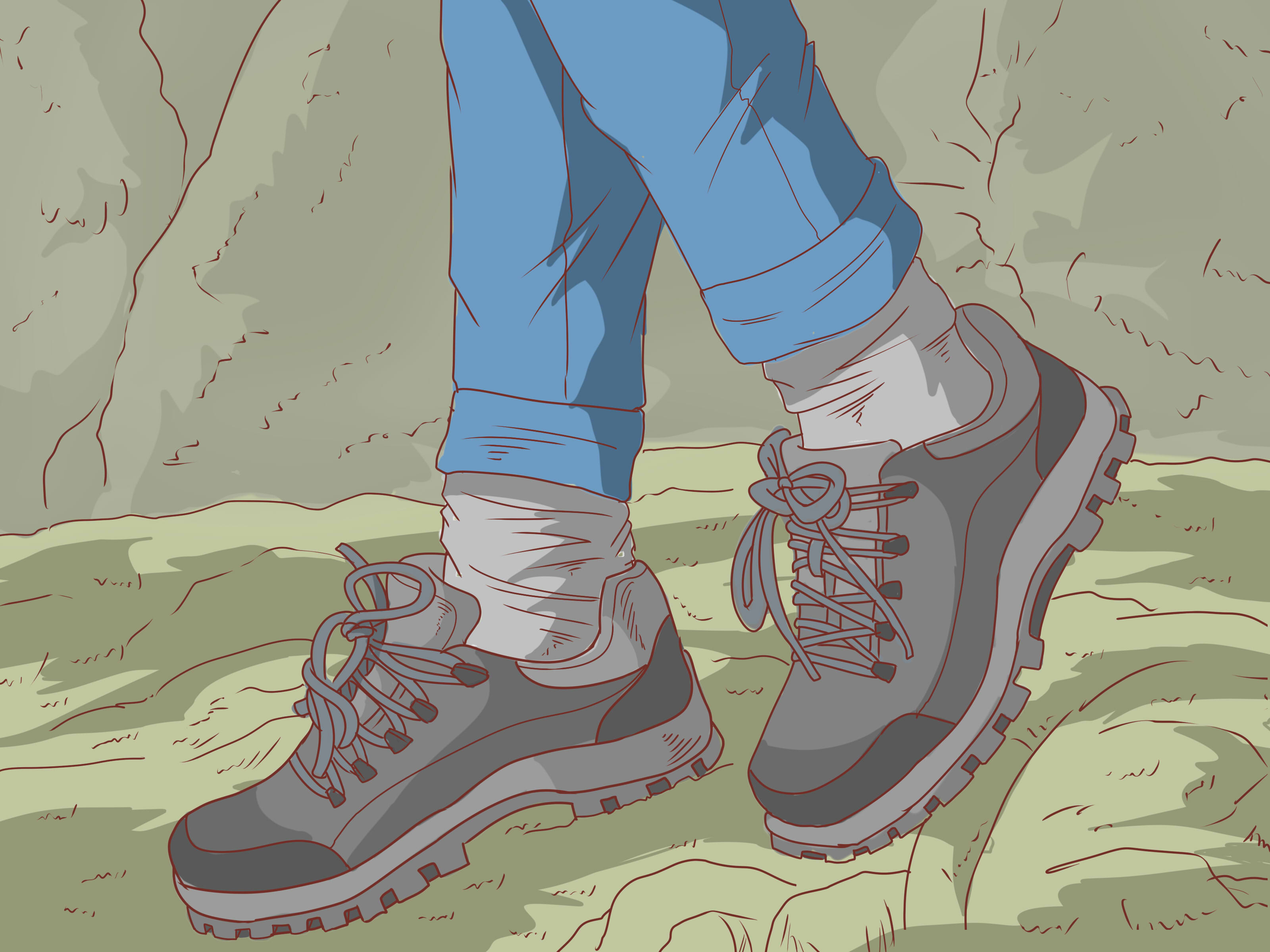
Jungle rot is more likely after repeated exposure to moisture, heat, sweating, or shared damp surfaces. Risky situations include wearing wet boots, working outdoors in humid conditions, using communal showers, walking barefoot in locker rooms, wearing non-breathable shoes, or leaving sweaty socks on for hours.
Travel to tropical or subtropical regions can also matter. If you developed an open sore after an insect bite, scratch, thorn prick, muddy water exposure, or travel in a tropical climate, tell a healthcare professional. That history can help distinguish athlete’s foot from tropical ulcers, bacterial infections, parasites, or other travel-related skin diseases.
10. Compare Both Feet
Athlete’s foot can affect one or both feet. Sometimes it begins on one foot and later spreads to the other. If both feet show similar scaling in the same areas, a fungal cause is possible. If only one area has a rapidly growing sore, severe pain, black tissue, or heavy drainage, that may be something more serious.
Also check your hands. Fungal infections can spread by scratching, especially if you touch the infected foot and then touch other parts of your body. Wash your hands after applying antifungal medication or handling socks and towels.
11. Try an Over-the-Counter Antifungal for Mild Symptoms
If your symptoms are mild and look like athlete’s footitching, scaling, peeling, or cracking between the toesan over-the-counter antifungal cream, spray, or powder may help. Common active ingredients include terbinafine, clotrimazole, miconazole, tolnaftate, and butenafine.
Follow the product directions carefully. Many people stop too early because the itch improves, but the fungus may still be present. Continue treatment for the recommended time, and keep feet dry during the process. Antifungal medication works best when you do not keep reintroducing moisture like a villain in a sequel.
12. Know When It Is Not a DIY Situation
See a healthcare professional if symptoms do not improve after about two weeks of proper over-the-counter antifungal treatment, if the rash worsens, or if it keeps coming back. You should also seek care sooner if you have diabetes, poor circulation, immune system problems, severe pain, swelling, pus, fever, red streaks, or an open wound.
A clinician may examine the skin, scrape a small sample for testing, or consider other conditions such as eczema, psoriasis, contact dermatitis, bacterial infection, scabies, or a tropical ulcer. Correct diagnosis matters because steroid creams, home remedies, or random internet potions can make some infections worse.
13. Prevent It from Coming Back
Once symptoms improve, prevention becomes the main game. Wash feet daily and dry between the toes. Change socks when sweaty. Choose breathable shoes. Rotate footwear so shoes can dry completely. Wear sandals in public showers or locker rooms. Avoid sharing towels, socks, or shoes.
If your feet sweat heavily, moisture-wicking socks and antifungal powder may help. Clean shower floors, wash towels, and treat shoes if needed. Jungle rot often returns when the skin clears but the environment stays damp, so prevention is not glamorousbut neither is peeling your sock off like wallpaper.
Jungle Rot vs. Athlete’s Foot vs. Tropical Ulcer
Because “jungle rot” is informal, it helps to understand the difference between common possibilities.
Athlete’s Foot
Athlete’s foot is a contagious fungal infection that often affects the skin between the toes or on the soles. It commonly causes itching, burning, scaling, cracking, peeling, and sometimes blisters. It thrives in warm, moist environments and often spreads through damp communal areas or contaminated towels, socks, and shoes.
Tropical Ulcer
A tropical ulcer is a more serious skin sore that usually occurs in hot, humid climates, often after minor trauma such as a scratch, bite, or puncture. It can become painful, enlarge quickly, develop raised edges, and produce foul-smelling drainage or dark dead tissue. A suspected tropical ulcer needs medical care, not guesswork.
Other Conditions That Can Look Similar
Not every itchy or peeling foot is fungus. Eczema, psoriasis, allergic reactions to shoe materials, bacterial infections, yeast infections, and dry skin can mimic athlete’s foot. This is why persistent symptoms deserve a proper evaluation, especially when standard antifungal treatment fails.
Common Mistakes People Make with Jungle Rot
Using Home Remedies as the Main Treatment
Vinegar soaks, essential oils, garlic, mouthwash, and other home remedies are popular online, but they can irritate damaged skin and may delay effective treatment. Some remedies can burn or worsen cracks. Evidence-based antifungal products are a safer first step for typical athlete’s foot symptoms.
Putting Steroid Cream on an Unknown Rash
Steroid creams can reduce redness and itching, but they may also allow fungal infections to spread or become harder to recognize. If you are not sure what the rash is, ask a healthcare professional before using steroid products.
Wearing the Same Damp Shoes Every Day
Treating the skin while wearing damp shoes is like mopping the floor during a rainstorm with the roof missing. Rotate shoes, let them dry, and consider antifungal powder if your feet sweat heavily.
Ignoring Toenail Fungus
If toenails are infected, they may serve as a reservoir for reinfection. Skin may improve, then flare again because the nail problem remains. Nail fungus often needs longer treatment and sometimes prescription medicine.
Practical Foot-Care Routine for Suspected Mild Jungle Rot
Start with a simple routine. Wash your feet with mild soap and water once daily. Dry thoroughly, especially between the toes. Apply an over-the-counter antifungal as directed. Put on clean, dry socks. Choose breathable shoes. At night, let your feet air out if practical.
Do not scratch the area, and do not share towels. Wash socks and towels in hot water when possible, and dry them fully. If you use a towel on infected feet, avoid using the same towel on the groin or other body areas, because fungus can spread.
Track your symptoms for two weeks. Take a photo on day one, then compare later. Improvement usually means less itching, less peeling, fewer cracks, and healthier-looking skin. Worsening pain, swelling, spreading redness, pus, fever, or expanding wounds means it is time for medical help.
Experiences Related to “How to Know if You Have Jungle Rot: 13 Steps”
Many people do not notice a foot infection at first because it starts quietly. One common experience is the “mystery itch” after a long day in shoes. You take off your socks, scratch between your toes, and think, “Maybe my feet are just tired.” A few days later, the skin starts peeling, and suddenly your foot looks like it is trying to shed a winter coat. That is often the moment people realize something is going on.
Another familiar situation happens after camping, hiking, military training, construction work, or travel in a humid place. Your socks get wet in the morning, your shoes stay damp all day, and by night your feet feel tender. At first, the discomfort seems normal because you have been walking or working hard. But if the skin turns white and soggy between the toes, cracks open, or burns in the shower, the problem may be more than ordinary soreness.
People who use public gyms or pools may have a different story. They shower barefoot “just once,” then a week later notice itching and scaling. Fungal spores love damp shared spaces. This does not mean gyms are bad; it means shower sandals are not just a fashion statement from the land of practical people. They are a simple barrier between your skin and whatever is vacationing on the tile.
A very common mistake is treating suspected jungle rot for three days, feeling better, and stopping. The itch calms down, so the person assumes the infection is gone. Then it comes back like an unwanted group chat. Consistency matters. Antifungal products need to be used for the full recommended period, and the shoes, socks, towels, and bathroom surfaces must also be kept clean and dry.
Some people discover the issue because of odor rather than itching. They may wash their feet, change socks, and still notice a sour or musty smell. Odor alone is not a diagnosis, but when it appears with peeling, cracks, or damp white skin, it is a useful clue. The nose is not a dermatologist, but sometimes it files a helpful complaint.
For travelers, the experience can be more concerning. A small bug bite or scratch on the lower leg may become painful, swollen, and open, especially after exposure to mud, standing water, or tropical humidity. If the sore grows quickly, drains fluid, smells foul, or develops dark tissue, it should not be treated as simple athlete’s foot. That pattern may need urgent medical evaluation.
The best lesson from real-world experience is this: early action prevents drama. Dry the feet, treat mild fungal symptoms properly, protect your skin in wet public places, and get medical care when warning signs appear. Feet are easy to ignore until they hurt. Once they hurt, they become the loudest employees in the building.
Conclusion
Knowing if you have jungle rot starts with careful observation. Look for itching, burning, peeling, cracking, white soggy skin between the toes, blisters, odor, nail changes, and symptoms that worsen in warm or damp conditions. Mild cases that resemble athlete’s foot often respond to over-the-counter antifungal treatment and better foot hygiene. But severe pain, pus, fever, spreading redness, black tissue, open sores, diabetes, poor circulation, or symptoms that do not improve deserve professional care.
Your feet do a lot of unpaid labor. Give them clean socks, dry shoes, and attention before a small irritation becomes a bigger medical problem.












