
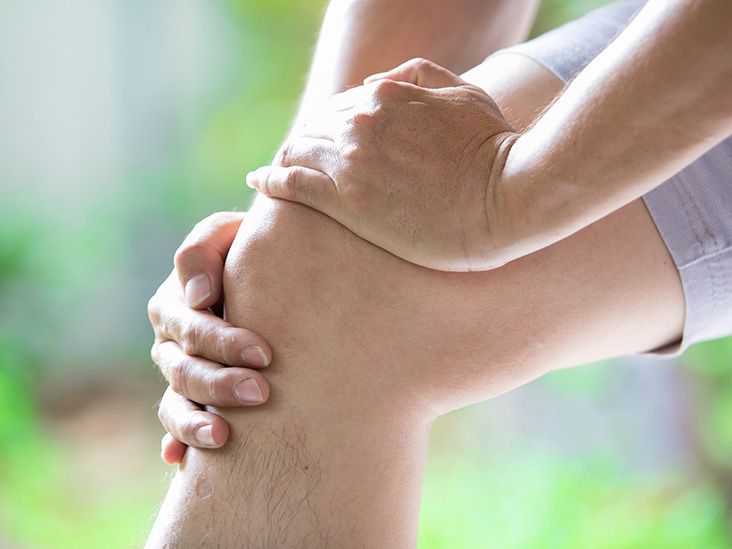
“Growing pains” sounds like something that should have retired around the same time as lunchboxes, spelling tests, and sneakers with flashing lights. Yet many adults describe deep, aching leg pain that feels suspiciously like the nighttime leg aches they remember from childhood. The problem? Adults are not growing taller, no matter how much optimism we bring to the measuring tape.
In children, growing pains usually refer to harmless, recurring aches in the legs that often appear in the evening or at night and improve by morning. In adults, similar pain can happen, but it usually has a different explanation. Muscle overuse, restless legs syndrome, night leg cramps, arthritis, circulation problems, nerve irritation, stress injuries, and vitamin or mineral issues may all create pain that feels like “adult growing pains.”
This guide explains what growing-pain-like symptoms in adults may mean, what conditions can mimic them, when to seek medical care, and how to support healthier legs without turning every ache into a dramatic medical mystery novel.
Can Adults Really Have Growing Pains?
Technically, adults do not get classic childhood growing pains because their bones are no longer growing in the same way. That said, adults can experience leg pain that feels similar: dull, deep, achy, hard to pinpoint, and often worse in the evening or at night.
The phrase “growing pains in adults” is usually a casual description rather than a diagnosis. It often means, “My legs ache for reasons I cannot explain, and they are being rude about it.” A healthcare professional will usually look for other causes, especially if the pain is new, one-sided, severe, persistent, or connected with swelling, redness, weakness, fever, or trouble walking.
What Do Growing-Pain-Like Symptoms Feel Like in Adults?
Adults who describe growing pains often report symptoms such as:
- A dull ache in the calves, thighs, shins, or behind the knees
- Pain that appears in the evening or at night
- Discomfort in both legs, though one leg may feel worse
- Muscle soreness after exercise, long standing, or a busy day
- Leg restlessness, tingling, or an urge to move
- Pain that improves with stretching, massage, warmth, or rest
These symptoms may be mild and temporary, but they should not be ignored if they keep returning. Adult leg pain is common, but it is also a broad symptom. The cause may be as simple as overdoing a workout or as serious as a circulation issue or blood clot.
Common Causes of Growing Pains in Adults
1. Muscle Overuse and Physical Strain
One of the most common reasons adults feel “growing pains” is muscle overuse. A long walk, a new gym routine, carrying heavy boxes, standing all day, or suddenly deciding that weekend hiking is your new personality can leave the legs aching later.
Overuse pain often feels sore, tight, or heavy. It may affect the calves, thighs, or shins and usually improves with rest, hydration, gentle stretching, and time. The clue is timing: the pain often follows a clear increase in activity. If you went from couch champion to stair-climbing legend in one afternoon, your legs may simply be filing a complaint.
2. Night Leg Cramps
Night leg cramps are sudden, tight, painful muscle contractions that often affect the calf. They can wake you from sleep and may leave lingering soreness afterward. Unlike vague growing-pain-like aches, cramps usually feel sharp and intense, as if the muscle has decided to become a rock with opinions.
Possible contributors include tired muscles, nerve issues, dehydration, long periods of sitting, certain medications, and age-related changes. Stretching the calf before bed, staying hydrated, and avoiding sudden intense exercise late in the day may help some people. Frequent or severe cramps should be discussed with a clinician.
3. Restless Legs Syndrome
Restless legs syndrome, often called RLS, can feel like an uncomfortable urge to move the legs, especially at night or when resting. People may describe crawling, pulling, tingling, aching, or electric sensations. Movement often brings temporary relief, which explains why some people end up pacing around the bedroom like they are negotiating with their own nervous system.
RLS may be linked with iron deficiency, pregnancy, kidney disease, peripheral neuropathy, certain medications, or family history. It can disrupt sleep and cause daytime fatigue. If leg discomfort improves when you move and worsens when you rest, RLS is worth asking a healthcare professional about.
4. Peripheral Neuropathy
Peripheral neuropathy happens when nerves outside the brain and spinal cord are damaged or irritated. It may cause burning, tingling, numbness, stabbing pain, or unusual sensitivity in the feet and legs. Diabetes is a common cause, but neuropathy can also be related to vitamin deficiencies, alcohol use disorder, autoimmune conditions, infections, injuries, and some medications.
Nerve pain can be confusing because it may not match what the muscles or joints are doing. A person may feel leg discomfort even without a visible injury. If the pain feels burning, buzzing, numb, or “pins and needles,” nerve involvement may be part of the picture.
5. Arthritis and Joint Problems
Arthritis can create pain around the knees, hips, ankles, or feet that sometimes radiates into nearby muscles. Osteoarthritis often causes stiffness and aching that worsens with activity and improves with rest. Inflammatory forms of arthritis may cause morning stiffness, swelling, warmth, or pain in multiple joints.
Joint-related pain may feel like leg aching, especially after walking, climbing stairs, or standing for long periods. If discomfort centers around a joint, limits movement, or comes with swelling, it may not be “growing pains” at all. It may be your joints asking for better shoes, kinder stairs, and possibly a professional evaluation.
6. Shin Splints
Shin splints, also known as medial tibial stress syndrome, cause pain along the shinbone. They are common in runners, dancers, military trainees, and people who suddenly increase exercise intensity. Pain may start during activity and improve with rest, but it can become more persistent if the stress continues.
Shin splints often feel like a dull or sharp ache along the inner edge of the shin. Mild swelling may occur. If shin pain becomes focused in one small spot, worsens with impact, or does not improve with rest, a stress fracture needs to be ruled out.
7. Stress Fractures
A stress fracture is a tiny crack in a bone, often caused by repetitive impact or weakened bone. The feet and lower legs are common sites because they carry body weight during walking, running, and jumping.
Stress fracture pain usually becomes more noticeable with activity and may eventually hurt during everyday movement. Unlike general soreness, it often feels localized. Ignoring it can make the injury worse, so persistent bone pain deserves medical attention, especially in runners, athletes, older adults, and people with low bone density.
8. Peripheral Artery Disease
Peripheral artery disease, or PAD, happens when narrowed arteries reduce blood flow to the limbs. In the legs, it can cause cramping, aching, heaviness, or fatigue during walking or climbing stairs. The pain often improves after a few minutes of rest.
PAD is more common in people who smoke, have diabetes, high blood pressure, high cholesterol, or a history of cardiovascular disease. Warning signs may include leg pain with activity, coldness in one foot or lower leg, slow-healing sores, color changes, numbness, or weak pulses. This is one reason adults should not automatically label recurring leg pain as harmless.
9. Deep Vein Thrombosis
Deep vein thrombosis, or DVT, is a blood clot in a deep vein, often in the leg. It can cause swelling, pain, tenderness, warmth, or skin color changes, usually on one side. Some people have few symptoms, which makes DVT especially sneaky and not in a charming spy-movie way.
DVT can become dangerous if part of the clot travels to the lungs. Seek urgent medical care if leg pain or swelling is accompanied by shortness of breath, chest pain, coughing blood, fainting, or rapid heartbeat. Risk factors include recent surgery, long travel or immobility, pregnancy, certain hormone therapies, smoking, cancer, and a history of clots.
10. Fibromyalgia
Fibromyalgia is a chronic condition that can cause widespread pain, tenderness, fatigue, sleep problems, and brain fog. Some adults with fibromyalgia experience aching legs that feel similar to growing pains, especially after poor sleep, stress, weather changes, or overexertion.
The pain may move around and may not have one clear injury behind it. Because fibromyalgia overlaps with many other symptoms, diagnosis usually involves evaluating the full pattern and ruling out other causes.
11. Vitamin D, Iron, and Other Nutritional Factors
Low vitamin D has been discussed in relation to musculoskeletal pain, and iron deficiency may worsen restless legs syndrome in some people. Low magnesium or dehydration may contribute to cramps in certain situations, though supplements are not a magic wand and should not be taken casually in high doses.
If leg aches come with fatigue, weakness, frequent cramps, heavy menstrual bleeding, limited sun exposure, dietary restrictions, or other symptoms, a clinician may recommend blood tests. Guessing your way through supplements can get expensive quickly, and your cabinet may start looking like a tiny vitamin store with commitment issues.
Other Conditions That Can Mimic Adult Growing Pains
Several other issues may cause leg pain that feels vague or difficult to identify. These include varicose veins, tendonitis, bursitis, sciatica, lumbar spinal stenosis, muscle strain, autoimmune disease, infections, and side effects from certain medications.
Sciatica, for example, can send pain from the lower back down the buttock and leg. Spinal stenosis may cause leg pain, heaviness, or weakness that worsens with walking and improves when sitting or bending forward. Varicose veins may cause aching, heaviness, swelling, or throbbing after long periods of standing.
The location, timing, triggers, and associated symptoms matter. A dull ache in both calves after a long day is different from sharp one-sided calf pain with swelling. A doctor’s job is to connect those clues without blaming everything on “getting older,” which is not a diagnosis, even if it sometimes feels personally targeted.
When Should Adults See a Doctor for Leg Pain?
Make an appointment with a healthcare professional if leg pain is recurring, worsening, interfering with sleep, limiting daily activities, or not improving after rest and basic self-care. Medical evaluation is also wise if you have diabetes, heart disease, circulation problems, kidney disease, cancer, autoimmune disease, or a history of blood clots.
Seek urgent care right away if you have:
- Sudden swelling in one leg
- Leg pain with warmth, redness, or color change
- Severe pain after an injury
- Inability to bear weight
- Chest pain, shortness of breath, or coughing blood
- New weakness, numbness, or loss of bladder or bowel control
- Fever with leg pain or swelling
These symptoms do not automatically mean something dangerous is happening, but they are important enough to check quickly.
How Doctors May Diagnose the Cause
A healthcare professional may ask when the pain started, where it hurts, whether it affects one or both legs, what makes it better or worse, and whether it occurs during activity, rest, or sleep. They may examine your joints, muscles, pulses, reflexes, skin, spine, and walking pattern.
Depending on the symptoms, testing may include blood work, X-rays, ultrasound, nerve studies, vascular testing, or imaging of the spine or injured area. The goal is not to run every test known to science. It is to match the evaluation to the most likely causes.
Home Care for Mild Growing-Pain-Like Aches
For mild, temporary leg aches related to overuse or muscle tension, simple care may help:
- Rest the legs after unusually intense activity
- Use gentle stretching for calves, hamstrings, and thighs
- Apply heat for tight muscles or cold packs for recent soreness
- Drink enough fluids, especially after sweating
- Wear supportive shoes that match your activity
- Increase workouts gradually instead of launching into “hero mode”
- Prioritize sleep, because tired muscles and tired brains both complain louder
Over-the-counter pain relievers may help some adults, but they are not appropriate for everyone. People with kidney disease, stomach ulcers, bleeding risk, blood thinner use, liver disease, or certain chronic conditions should ask a clinician or pharmacist before using them.
Prevention Tips for Adults with Recurring Leg Aches
Preventing leg aches often starts with respecting your body’s speed limit. Warm up before exercise, stretch after activity, build strength gradually, rotate high-impact workouts with low-impact movement, and avoid sudden jumps in mileage or intensity.
Desk workers should take movement breaks, especially during long sitting periods. People who stand all day may benefit from supportive footwear, calf stretches, and occasional elevation. Runners should replace worn shoes and avoid increasing distance too quickly. Sleep hygiene may also help if symptoms worsen at night.
If leg discomfort is tied to a medical condition such as diabetes, PAD, arthritis, or fibromyalgia, prevention means managing the underlying issue. That may include medication, physical therapy, supervised exercise, nutrition changes, smoking cessation, or treatment for deficiencies. The right plan depends on the cause.
Real-Life Experiences: What Adult “Growing Pains” Can Look Like
Adults often describe growing-pain-like symptoms in ways that sound casual at first. A person may say, “My legs just ache at night,” or “It feels like when I was a kid.” That familiar description can be comforting, but it can also hide important details. The experience varies widely from person to person.
Consider the office worker who sits through long meetings, forgets to drink water, then feels calf tightness and restless legs at bedtime. Their discomfort may improve with walking, stretching, better hydration, and more consistent movement breaks. In that case, the pain is not mysterious; the legs are simply protesting an all-day chair relationship.
Now picture a new runner who signs up for a charity 5K and trains with enthusiasm, questionable shoes, and zero patience. After two weeks, the shins ache during runs and feel tender afterward. That pattern may suggest shin splints. Rest, better footwear, gradual training, and cross-training may help, but worsening or pinpoint pain could mean a stress fracture.
Another adult may notice aching calves only when walking uphill or climbing stairs. The pain fades after resting. That sounds different from ordinary soreness because it follows a circulation pattern. In someone with smoking history, diabetes, or high cholesterol, PAD becomes a concern worth checking.
For someone else, the discomfort may feel like crawling, buzzing, or pulling sensations that appear when lying down. They move their legs, feel better briefly, then the symptoms return. This is a classic “please investigate restless legs syndrome” scenario, especially if sleep is suffering.
Some adults experience widespread pain that does not stay politely in one place. Their legs ache, their shoulders hurt, sleep is poor, and fatigue follows them around like an unpaid intern. Fibromyalgia or another chronic pain condition may be part of the discussion, particularly when routine tests do not reveal a simple injury.
The most important experience-based lesson is this: patterns matter. Keep a simple symptom log for one or two weeks. Write down when the pain appears, where it is, what you were doing earlier, whether movement helps, whether rest helps, and whether there is swelling, numbness, weakness, or skin change. This tiny habit can make a medical appointment much more productive.
Also, do not underestimate lifestyle clues. New shoes, a harder workout surface, longer work shifts, recent travel, poor sleep, stress, diet changes, and dehydration can all influence leg pain. Bodies are dramatic record keepers. They remember the stairs you took, the water you did not drink, and the workout you attempted after three months of “I’ll start Monday.”
At the same time, adults should avoid brushing off every ache. Mild, short-lived soreness is common. One-sided swelling, severe pain, warmth, redness, numbness, weakness, or pain that keeps returning is different. The smartest approach is balanced: do not panic, but do not ignore useful warning signs either.
In everyday life, many adult leg aches improve with better pacing, movement, footwear, stretching, sleep, hydration, and medical management when needed. The goal is not to diagnose yourself from a couch-based internet investigation. The goal is to understand the possibilities, notice patterns, and know when your legs are asking for help instead of just complaining about Tuesday.
Conclusion
Growing pains in adults are usually not true growing pains. They are often a familiar-feeling ache caused by muscle overuse, night cramps, restless legs syndrome, nerve irritation, arthritis, shin splints, stress fractures, circulation problems, or chronic pain conditions. The good news is that many mild causes improve with rest, stretching, gradual exercise, supportive shoes, hydration, and better sleep habits.
The not-so-fun but very important news is that some leg pain needs medical attention. Pain with one-sided swelling, warmth, redness, weakness, numbness, chest pain, shortness of breath, or trouble walking should be checked promptly. Adult legs may not be growing, but they are definitely communicating. Listening early can help you avoid bigger problems later.












