
If your dream morning soundtrack is less “phone alarm with emotional damage” and more “wild Australian bird laughing like it knows your secrets,” then you are probably wondering how to attract kookaburras to your garden. These bold, big-beaked birds are famous for their rolling call, confident attitude, and habit of perching like tiny feathered judges while scanning the ground for insects, lizards, worms, and other small prey.
The good news: attracting kookaburras is not about tossing out random scraps and hoping for a dramatic wildlife documentary moment. In fact, feeding them mince, bread, or processed foods can harm them. The better approach is to build the kind of garden that naturally supports their hunting, nesting, resting, and bathing needs. Think tall trees, leaf litter, native plants, safe water, and fewer garden chemicals. Basically, you are not “decorating” for kookaburrasyou are creating a mini ecosystem with better guest reviews than a five-star resort.
Before we begin, one important note: kookaburras are native to Australia and nearby regions, and they should only be encouraged where they naturally live or are already established. Never release captive birds, move wild birds, or use baiting methods to force wildlife into an area. A healthy garden invites; it does not manipulate. With that in mind, here are three practical, responsible, and genuinely effective ways to attract kookaburras to your garden.
Why Kookaburras Visit Some Gardens and Ignore Others
Kookaburras are not looking for a perfectly trimmed show garden with a lawn so neat it looks afraid of dirt. They prefer places that offer what they need in the wild: trees for perching and nesting, open sight lines for hunting, leaf litter for prey, and safe spots to drink and bathe. A garden that is too bare, too chemical-heavy, or too exposed may look tidy to humans but boring to a kookaburra.
These birds are carnivorous members of the kingfisher family. Unlike many kingfishers, they are not mainly fishing specialists. Laughing kookaburras commonly eat insects, worms, crustaceans, lizards, frogs, small mammals, small birds, and even snakes. Their hunting style is wonderfully efficient: they wait on a perch, watch the ground, swoop down, grab prey with that impressive bill, and return to a branch to handle their meal.
So, if you want kookaburras in the garden, do not ask, “What can I feed them?” Ask, “How can I make my garden produce the natural food and shelter they already understand?” That question leads us to the first and most important method.
1. Build a Natural Food Zone With Leaf Litter, Native Plants, and No Pesticides
The best way to attract kookaburras to your garden is to attract their food first. Kookaburras are hunters, not seed-snack enthusiasts. They are interested in insects, worms, skinks, lizards, frogs, and other small creatures that live in healthy soil, mulch, shrubs, grasses, logs, rocks, and leaf litter. If your garden is a sterile outdoor carpet, there is not much for them to hunt. If your garden has layers of life, they may start treating it like a buffet with branches.
Use Leaf Litter Like Wildlife Gold
Leaf litter is one of the simplest tools for creating kookaburra habitat. It shelters insects, worms, and small reptiles. It also helps soil retain moisture, breaks down into organic matter, and gives your garden a natural woodland feel. For humans, leaf litter may look like “I forgot to rake.” For wildlife, it looks like a grocery store, apartment complex, and weather shelter rolled into one.
Instead of clearing every fallen leaf, leave some under trees, around shrubs, and in quiet garden corners. Add natural mulch where leaves are scarce. A mix of leaves, small twigs, bark pieces, and fallen branches creates more habitat variety than flat, decorative mulch alone. Avoid plastic weed matting because it blocks the soil processes that support insects and other small animals.
Plant Local Native Trees, Shrubs, and Grasses
Native plants support native insects better than many ornamental plants. For kookaburras, this matters because more insects and small prey mean more hunting opportunities. Choose plants native to your local area whenever possible. In eastern Australia, that may include suitable eucalypts, wattles, native grasses, dense shrubs, and ground covers. The exact plant list should match your climate, soil, rainfall, and local council guidance.
A useful garden structure includes several layers: tall trees, mid-level shrubs, low shrubs, grasses, ground covers, and mulched areas. This layered design supports a wider range of wildlife. Kookaburras especially benefit from tall trees and open hunting perches, while their prey benefits from lower vegetation, leaf litter, logs, and rocks.
Stop Spraying the Dinner
Using pesticides is one of the fastest ways to make a garden less useful for kookaburras. Chemical sprays can reduce insect populations, and poisoned insects can affect birds that eat them. Even when a pesticide does not kill birds directly, it may remove the food web they rely on. A garden without insects may look “clean,” but to a kookaburra it is basically an empty refrigerator with nice lighting.
Try natural pest control methods instead. Encourage beneficial insects, tolerate minor plant damage, hand-pick pests when practical, and use targeted low-impact treatments only when truly necessary. A few chewed leaves are not garden failure. They are often proof that your garden is alive.
Simple Food-Zone Checklist
- Leave leaf litter under trees and shrubs.
- Add natural mulch, logs, sticks, and rocks for insect and lizard habitat.
- Plant local native trees, shrubs, grasses, and ground covers.
- Avoid pesticides, insecticides, snail baits, and rodent poisons where possible.
- Keep part of the garden slightly wild instead of manicured from edge to edge.
This method may take time, but it is the foundation. If you build the food web, the kookaburras have a real reason to visitand they do not need you waving mince at them like a confused barbecue wizard.
2. Provide Tall Perches, Safe Nesting Sites, and Mature Trees
Kookaburras are sit-and-wait hunters. They need somewhere to perch while they watch the ground for movement. A sturdy branch, fence post, dead tree limb, or tall open tree gives them a lookout point. Without perches, your garden may have prey, but the bird has no comfortable hunting station. It is like opening a restaurant with no chairs.
Retain Mature Trees Whenever Possible
Mature trees are incredibly valuable for kookaburras. They provide perches, shelter, roosting spots, and potential nesting hollows. Kookaburras often nest in tree hollows or suitable cavities, and natural hollows can take many decades to form. Removing old trees may remove habitat that cannot be quickly replaced.
If a mature tree is unsafe, consult an arborist before cutting it down. Sometimes a dead or partly dead tree can be reduced to a safe wildlife snag rather than removed entirely. A tall stump with safe branches can still provide perching opportunities for kookaburras and other birds. Safety comes first, of course, but “tidy” should not automatically mean “habitat-free.”
Add Perching Opportunities
If your garden lacks tall branches, you can still improve its structure. A few sturdy natural posts, rustic rails, or retained dead branches can create hunting perches. Place them near open mulched areas or lawns where kookaburras can scan for movement. Avoid placing perches too close to windows, busy patios, or areas where pets roam.
The best perches are stable, elevated, and quiet. Kookaburras are confident birds, but they still prefer a clear escape route. A branch that overlooks a leaf-litter zone is much more useful than a decorative stake buried in a crowded flower bed.
Consider a Kookaburra Nest Box
Where natural tree hollows are limited, a properly designed nest box may help. Kookaburra nest boxes are larger than many small birdhouses and should be built to suit their size and nesting behavior. They are usually installed high in a mature tree, ideally around 16 to 33 feet above ground where safe and practical. The box should be sturdy, weather-resistant, well-drained, and placed away from bright night lighting and prevailing winds.
Do not install a nest box as a decoration and then forget it exists. Nest boxes need monitoring and occasional maintenance, especially if invasive birds, bees, or pests move in. However, avoid constantly opening the box. Disturbance can cause birds to abandon it. If you are unsure, seek advice from a local wildlife group or bird conservation organization before installing one.
Protect the Area From Predators
Cats are a serious threat to birds and other wildlife. Even well-fed cats may hunt. If you want a bird-friendly garden, keep cats indoors, in a catio, or supervised on a leash. This protects kookaburras, smaller birds, reptiles, frogs, and insects. It also keeps cats safer from traffic, fights, disease, and accidental injuries.
For nest boxes, predator guards may help reduce access by cats, rats, and other climbing animals. Smooth collars around tree trunks can sometimes be useful, but they must be installed safely and checked as trees grow. Never use materials that cut into bark or trap wildlife.
3. Offer Clean Water and a Calm, Wildlife-Safe Garden
Food and shelter are essential, but water is often the feature that turns a decent habitat into a regular stopping point. Kookaburras may use creeks, rivers, ponds, birdbaths, and shallow water features for drinking and bathing. In hot weather, a clean water source can be especially valuable.
Choose a Birdbath That Actually Works
A good birdbath does not need to be fancy. In fact, the birds do not care if it matches your outdoor cushions. They care that it is shallow, stable, clean, and safe. Use a wide, shallow basin with gently sloped sides or place stones inside so birds can stand securely. Avoid deep, slippery containers.
Place the birdbath somewhere with visibility and nearby escape cover. A kookaburra will appreciate a safe landing spot, but smaller birds also need shrubs or trees nearby so they can retreat quickly. Keep water fresh by changing it regularly, especially in warm weather. Scrub algae and droppings away to reduce disease risk.
Make Water Safe for Everyone
If you have a pond, add shallow edges, rocks, or ramps so birds, frogs, lizards, and insects can get in and out. A steep-sided pond may look elegant, but it can become a wildlife trap. Avoid chemical pond treatments that may harm animals. If mosquitoes are a concern, improve water movement, add native aquatic plants where suitable, and seek local advice on wildlife-safe control methods.
Reduce Human Disturbance
Kookaburras are often bold around people, but a calm garden is still more inviting. Loud machinery, frequent tree pruning during breeding season, bright outdoor lights, and constant activity around nesting areas can make birds less comfortable. Try to keep one or two areas of the garden quiet and undisturbed.
If kookaburras begin visiting, observe them respectfully. Do not chase them for photos, do not try to touch them, and do not train them to take food from your hand. A kookaburra that loses its natural caution may become more vulnerable to injury, conflict, or dependency. Admire the bird. Let the bird be a bird. That is the deal.
What Not to Do When Attracting Kookaburras
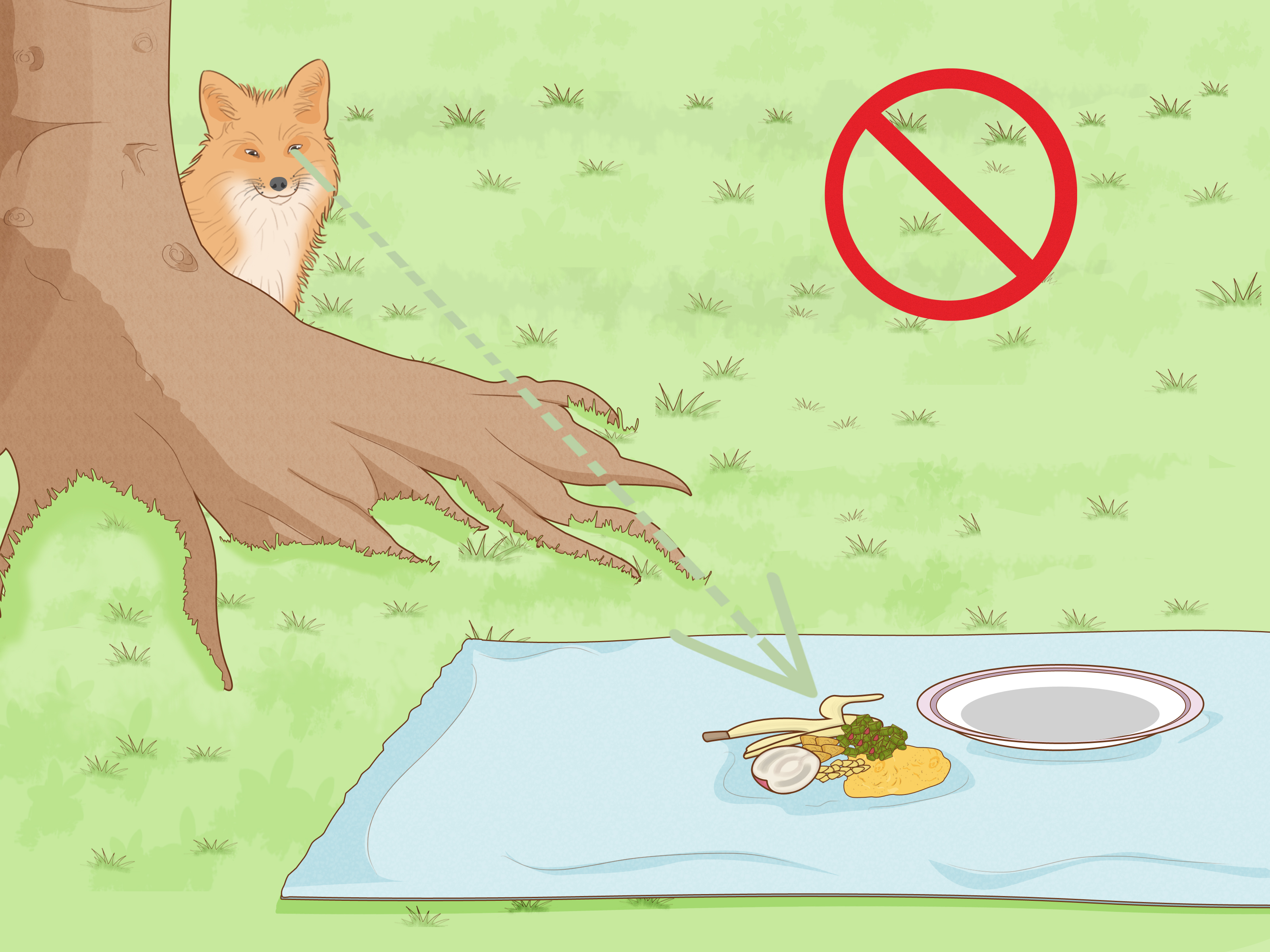
Sometimes the biggest help is avoiding the mistakes that cause harm. Many people feed kookaburras because they love them, but good intentions can still create bad outcomes. Kookaburras have a specialized natural diet. Raw meat, mince, bread, and processed foods do not provide the same balance of calcium, roughage, and nutrients as whole prey.
Do Not Feed Mince, Bread, or Processed Meat
Mince is especially problematic because it lacks the calcium and varied nutrients found in whole prey. Young birds raised on poor diets can develop serious bone and beak problems. Bread is not appropriate for carnivorous birds either. It fills them up without feeding them properly, which is a terrible nutritional bargain.
Do Not Use Rodent Poison
Rodent poison can move through the food chain. Predatory birds and other wildlife may be harmed after eating poisoned prey. If you need rodent control, use prevention first: seal entry points, remove food sources, store pet food securely, clean up fallen fruit, and use safer control methods recommended by local authorities.
Do Not Over-Clean the Garden
A garden does not need to look abandoned, but it should not be stripped bare. Leave some natural material on the ground. Keep a few habitat logs. Allow shrubs to grow dense in selected areas. Nature is not messy because it forgot to hire a landscaper; it is complex because complexity supports life.
Seasonal Tips for a Kookaburra-Friendly Garden
Spring and Early Summer
This is an important breeding and nesting period in many areas. Avoid major tree pruning unless safety requires it. Check nest boxes from a respectful distance. Keep cats contained, maintain water sources, and reduce loud disturbances near potential nesting trees.
Late Summer
Heat can make water especially important. Clean birdbaths often and keep shallow water available. Mulch helps retain soil moisture and supports insects and worms. If your garden becomes very dry, focus watering on native habitat zones rather than trying to keep every inch of lawn green.
Autumn
Let leaves stay where they can. Autumn leaf fall is not a chore sent by nature to test your patience; it is the start of next season’s food web. Add pruned native branches to habitat piles where safe. Plant local native shrubs and trees while the weather is mild.
Winter
Use winter to plan structural improvements. Consider whether your garden has enough tall perches, layered planting, and ground habitat. Clean and repair nest boxes after birds have finished using them. Avoid unnecessary chemical use before spring insect activity returns.
Experience-Based Garden Notes: What It Feels Like When Kookaburras Start Visiting
The first time a kookaburra regularly visits a garden, it can feel like the garden has been officially approved by a very serious bird inspector. One day the yard is just shrubs, mulch, and a birdbath. The next day there is a stocky bird on the fence, head slightly tilted, watching the lawn with the focus of a detective in the final ten minutes of a crime drama.
In many wildlife-friendly gardens, the change does not happen overnight. The first signs are usually smaller: more insects under mulch, more skinks flashing through rocks, more worms in damp soil, and more bird activity in general. Then a kookaburra appears on a branch or roofline. It may sit quietly for longer than expected. These birds can look almost lazy until they suddenly launch downward with astonishing speed. That is when you realize the “garden ornament” was actually a professional hunter with feathers.
One useful experience is learning to accept a less-perfect garden. At first, leaving leaf litter can feel wrong if you grew up believing every leaf must be raked, bagged, and removed as though it committed a crime. But after a few weeks, the leaf litter begins to settle. Fungi appear. Beetles move in. Small lizards find shelter. The soil stays cooler. The garden starts to sound and move differently. It becomes less like an outdoor room and more like habitat.
Another lesson is that water needs more attention than people expect. A birdbath is not a “set it and forget it” feature. In hot weather, water evaporates quickly. Leaves fall in. Birds bathe with great enthusiasm and very little concern for hygiene standards. Cleaning the bath every few days can make a noticeable difference. Fresh water attracts more than kookaburras: smaller birds, butterflies, bees, lizards, and sometimes frogs may all use it. The birdbath becomes the garden’s community center, minus the awkward folding chairs.
It also becomes clear that feeding is unnecessary. A kookaburra that hunts naturally behaves differently from one trained to expect handouts. Natural hunting keeps the bird alert, active, and independent. Watching a kookaburra catch its own food is far more rewarding than watching it swallow something from a plate. The garden becomes part of its territory, not a fast-food counter.
Patience is the final experience worth mentioning. You can improve habitat, but you cannot schedule wildlife. Kookaburras may visit daily, weekly, seasonally, or not at all depending on your location, nearby habitat, territory boundaries, breeding activity, and food availability. That is not failure. Wildlife gardening is not a vending machine. You do not insert mulch and receive one laughing bird by Tuesday.
Still, the process is deeply satisfying. Even if kookaburras take their time, the garden becomes healthier. Native plants grow stronger. Soil improves. Insects return. Smaller birds find shelter. Reptiles and frogs may appear. The whole yard becomes more alive. And when that unmistakable kookaburra laugh finally rolls across the morning air, it feels less like a random visit and more like a thank-you note from the wild.
Conclusion
Attracting kookaburras to your garden is really about creating habitat, not handing out snacks. Start with a natural food zone full of leaf litter, mulch, native plants, logs, rocks, and pesticide-free soil. Add tall trees, safe perches, mature habitat, and suitable nesting options where appropriate. Then provide clean water and keep the garden calm, cat-safe, and wildlife-friendly.
The most successful kookaburra gardens are not the neatest. They are the ones that offer life at every level: insects in the soil, lizards in the mulch, branches for watching, hollows for nesting, and water for hot afternoons. Do that, and your garden becomes more than attractive to kookaburras. It becomes a small, functioning piece of the natural world. And honestly, that is a pretty good upgrade from plain lawn.












