
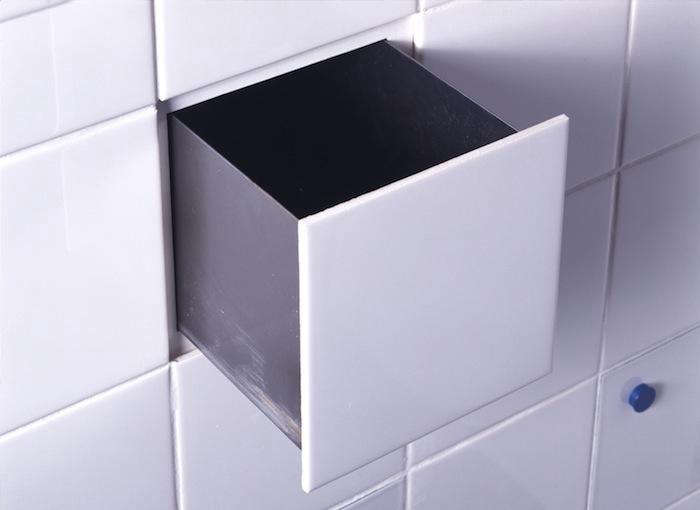
Some design ideas make you smile because they are beautiful. Others make you smile because they are so painfully sensible that you wonder why everyone else has been overcomplicating life for the last few centuries. Functional tiles belong to the second group, with a little sparkle from the first. The idea is wonderfully simple: instead of treating tile as a flat decorative skin that must be drilled, cut, interrupted, and accessorized later, why not build the function directly into the tile itself?
That is the clever spirit behind Dutch functional tile design, especially the modular DTILE system created in the Netherlands by designers Peter van der Jagt, Erik Jan Kwakkel, and Arnout Visser. Their idea turns the humble square tile into something much more ambitious: a drain, a hook, a shelf, a vent, a drawer front, a toilet paper holder, a cup holder, a magnet, a corner, a curve, and occasionally a tiny monument to common sense. In other words, the tile stops being background and starts helping around the house. Finally, a surface with a work ethic.
What Are Functional Tiles?
Functional tiles are tiles designed to do more than cover a wall, floor, counter, or backsplash. They integrate practical features directly into the tiled surface. Instead of installing a metal hook on top of bathroom tile, a functional tile can include a ceramic hook. Instead of cutting a hole in a shower floor for a drain that ruins the grid, the drain can become part of the tile pattern. Instead of adding bulky accessories after installation, the tile itself carries the accessory.
This is not just a design gimmick. It solves a real problem in interiors: visual interruption. Traditional tilework often begins as a clean grid and then gets attacked by reality. Here comes a faucet. There goes a vent. Someone needs a towel hook. The sink needs a drain. A cabinet needs a handle. Before long, the peaceful grid looks like it lost an argument with a toolbox. Functional tiles keep the design language consistent while making the room easier to use.
The Dutch Design Mindset: Practical, Minimal, and Slightly Mischievous
The Netherlands has a long history of turning difficult conditions into elegant systems. This is a country famous for canals, dikes, polders, cycling infrastructure, compact homes, and a national talent for making every square meter pull its weight. Dutch design often reflects that environment. It tends to be direct, practical, minimal, experimental, and quietly funny. It asks, “Can this object do its job better?” and then, just for fun, asks, “Can it also make people grin?”
Functional tiles fit perfectly into that tradition. They are not flashy in the usual sense. They do not shout, “Look at me, I am luxury!” Instead, they whisper, “I solved your towel hook problem and preserved your grout lines.” That may not sound dramatic, but in a small kitchen, bathroom, café, laundry room, or outdoor wash station, that kind of thoughtful integration can feel like domestic poetry. Very washable poetry, of course.
From Delft Tiles to Modern DTILE
To understand why functional tiles feel so Dutch, it helps to look back at Delft tiles. Delftware became famous in the Netherlands during the 17th century, when Dutch potters developed tin-glazed earthenware inspired partly by imported Chinese porcelain. Delft tiles were often blue and white, decorated with ships, flowers, landscapes, animals, mythological scenes, and everyday Dutch life. They were charming, but they were also useful.
Historically, tiles were used around fireplaces because they were heat-resistant and easy to clean. In smoky homes, that mattered. A decorated Delft tile could brighten a dark hearth while also surviving soot, heat, and routine scrubbing. That combination of beauty and utility is exactly what modern functional tiles continue. The difference is that today’s versions can turn a sink edge, shower drain, shelf, kitchen counter, or café service bar into one continuous tiled system.
DTILE takes the old Dutch love of ceramic surfaces and pushes it into three dimensions. Instead of using only flat tiles, the system includes construction tiles that wrap around corners and edges, plus function tiles that integrate practical objects. The result is a tiled “blanket” that can cover walls, counters, sinks, benches, pillars, fireplaces, and other forms without losing the rhythm of the grid.
Why the Grid Matters
A tile grid is one of the simplest patterns in architecture, but it has a surprisingly strong visual effect. It gives a room order. It makes surfaces feel intentional. It can make small spaces look cleaner and larger. The problem is that real rooms are full of interruptions. There are outlets, shelves, hooks, handles, drains, vents, ledges, pipes, and corners. Every time one of these elements is added awkwardly, the grid becomes less calm.
Functional tiles respect the grid. A drain can sit inside it. A shelf can grow out of it. A hook can belong to it. A rounded corner can keep it moving. This is especially useful in modern interiors where people want simplicity without sterility. A completely blank room can feel cold, but a room with integrated details feels smart and alive. It has function, but it does not look cluttered.
How Functional Tiles Work in Real Rooms
Kitchen Counters and Backsplashes
Kitchens are where functional tiles really start showing off. A tiled counter can include rounded edges, integrated rails, built-in shelves, cup holders, cutting-board zones, or even discreet storage elements. A backsplash can incorporate hooks for utensils or a magnetic strip for knives without breaking the tile pattern. This is ideal for compact kitchens, where every inch is valuable and every unnecessary object becomes one more thing to clean around.
For homeowners who like a clean, retro-modern look, functional tile can offer the charm of classic ceramic with the practicality of custom millwork. It is especially appealing in kitchens that need durability, wipeability, and personality. Wood is warm, stone is elegant, stainless steel is professional, but tile has a cheerful toughness that says, “Spill the tomato sauce. I dare you.”
Bathrooms and Showers
Bathrooms may be the natural habitat of functional tiles. Traditional bathrooms are full of bolt-on accessories: towel hooks, toilet paper holders, shower shelves, soap dishes, drains, rails, mirrors, and vents. When these pieces are selected separately, the room can quickly become visually noisy. Functional tile allows many of these elements to be integrated into the surface from the beginning.
A shower drain can become a clean tile detail instead of a metal interruption. A niche can be wrapped in curved tile. A towel hook can emerge from the wall like it was always meant to be there. A toilet paper holder can be ceramic, minimal, and flush with the design. The bathroom becomes easier to clean because there are fewer seams, fewer mismatched materials, and fewer awkward edges collecting dust, moisture, and the mysterious bathroom fuzz no one wants to discuss.
Restaurants, Cafés, and Retail Spaces
Functional tiles are also a smart fit for hospitality and retail interiors. Cafés, bakeries, bars, food counters, and shops need surfaces that are durable, hygienic, easy to wipe down, and visually memorable. A tiled service counter with rounded corners, integrated shelves, built-in lighting details, or a tiled sink can create a strong brand impression without relying on loud decoration.
The best commercial interiors are not just pretty; they reduce friction. Staff can clean them quickly. Customers understand the space at a glance. Materials age gracefully. Functional tile checks many of those boxes. It offers a handcrafted feel while still behaving like a hardworking architectural surface.
Outdoor Areas and Utility Spaces
Because many ceramic tiles are durable, water-resistant, and easy to maintain, functional tile concepts can also work well in outdoor kitchens, garden sinks, patios, pool areas, mudrooms, and laundry rooms. A tiled outdoor wash station with a built-in drain, shelf, and hook is the kind of thing that makes you wonder why every backyard does not already have one. The Dutch would probably add a place for clogs, rainwater collection, and a tiny windmill-shaped soap dish, just to be thorough.
Functional Tiles and Water-Smart Thinking
The phrase “functional tiles” can also point beyond interiors. In urban design, tile-like paving systems and permeable surfaces are increasingly important for stormwater management. The Netherlands, with its long relationship with water, has been a leader in thinking about how streets, squares, gardens, and paved areas can absorb, slow, store, or redirect rainwater. Permeable paving, open-joint tiles, green courtyards, and water-sensitive public spaces all share a similar philosophy: surfaces should not merely sit there looking paved; they should help the environment work better.
That broader Dutch mindset connects beautifully with DTILE-style thinking. Whether the surface is a bathroom wall or a public square, the question is the same: what else can this surface do? Can it drain? Hold? Store? Clean? Cool? Organize? Reduce clutter? Save space? Improve daily life? A functional surface is not passive. It participates.
Design Benefits of Functional Tiles
They Reduce Visual Clutter
One of the biggest advantages of functional tiles is their ability to reduce visual clutter. Instead of mixing ceramic, chrome, plastic, wood, and random hardware, you can keep more elements in the same material family. This gives a room a calmer, more intentional appearance.
They Make Cleaning Easier
Fewer attached accessories often mean fewer awkward seams and corners. In kitchens and bathrooms, that matters. Any design that makes cleaning easier deserves applause, flowers, and possibly its own national holiday.
They Make Small Spaces Work Harder
In apartments, tiny bathrooms, compact kitchens, and narrow utility areas, integrated features can save space. A wall that includes hooks, shelves, and holders without extra bulk feels more open and efficient.
They Create a Custom Look
Functional tile systems can make a room feel highly customized. Rounded edges, tiled sinks, integrated drains, and built-in details create the impression that the space was designed as a whole, not assembled from unrelated parts during three separate trips to the hardware store.
Potential Drawbacks to Consider
Functional tiles are clever, but they are not magic beans. They require planning. The layout must be measured carefully, especially if the design depends on maintaining a precise grid. Installation may demand experienced tile professionals, particularly when working with curved construction pieces, integrated fixtures, or wet areas. Cutting corners, both literally and emotionally, is not the move here.
Cost can also be higher than standard tile, especially for specialty pieces. Repairs may require matching the original tile system, color, and component. Homeowners should also think about long-term flexibility. A built-in ceramic hook is delightful if it is exactly where you want it. If you later decide it should be six inches to the left, the wall will not politely scoot over.
The lesson is simple: functional tile rewards thoughtful design. It works best when the homeowner, designer, and installer plan the room as a system rather than treating tile as the final decorative layer.
What American Homeowners Can Learn From Dutch Functional Tiles
The biggest takeaway is not that every home needs a tile drawer or ceramic toilet paper holder, though honestly, the argument is stronger than expected. The real lesson is to design from use. Start by asking how the room works. Where does water go? Where do towels hang? Where does soap sit? Where do utensils land? Where does clutter collect? Where do people reach, lean, drip, grab, and clean?
Once those habits are clear, materials can be chosen to support them. A backsplash is not just a backsplash; it is a washable work zone. A shower wall is not just a wall; it is storage, drainage, safety, and cleaning strategy. A kitchen island is not just a showpiece; it is a landing pad for groceries, coffee cups, elbows, homework, and suspiciously sticky children.
Dutch functional tile design reminds us that beauty and practicality are not enemies. In the best homes, they are roommates who split the chores.
Functional Tiles in the Age of Smart Homes
When people hear “smart home,” they often think of apps, sensors, speakers, and refrigerators that may or may not need to know your grocery habits. Functional tiles offer a quieter kind of intelligence. They do not require a password. They do not send notifications. They do not need firmware updates. They simply make a space work better by solving small daily problems at the material level.
That may be the future of good design: not more gadgets, but more thoughtful integration. A smart bathroom is not only one with mood lighting and a heated mirror. It is also one where the drain is in the right place, the towel hook is where your hand naturally reaches, the shelf does not collect puddles, and the surfaces can be cleaned before your coffee gets cold.
Experience: What Functional Tile Thinking Feels Like in Daily Life
The real charm of functional tiles becomes obvious when you imagine living with them, not just admiring them in a glossy design photo. Picture a small bathroom in an older apartment. The room is narrow, the sink is modest, and every added accessory feels like a tiny invasion. A metal towel ring sticks out near the door. A plastic shower caddy hangs from the showerhead like it moved in without permission. The drain breaks the floor pattern. The toilet paper holder is mounted wherever a previous owner found a stud and a moment of confidence. Nothing is terrible, exactly, but nothing feels resolved.
Now imagine that same room planned with functional tile thinking. The shower floor slopes toward an integrated tile drain that blends into the grid. A ceramic shelf is built into the wall at the right height for soap and shampoo. A towel hook is part of the tile surface near the sink. The toilet paper holder belongs to the wall instead of looking like an afterthought. Rounded tile pieces soften the vanity edge, so the room feels less boxy. Suddenly, the bathroom is still small, but it is no longer fighting itself.
This is the everyday experience functional tiles can create: less fiddling, fewer visual interruptions, and a subtle sense that someone thought about your routine before you arrived. That feeling is underrated. Good design does not always announce itself. Sometimes it shows up as a towel exactly where your hand expects it to be.
The same idea works in a kitchen. Think about the little annoyances that gather around a cooking space: knives that need a home, dish towels that slide off cabinet pulls, sponges that sit in sad puddles, outlets that interrupt the backsplash, counter corners that chip, and shelves that feel added rather than integrated. Functional tile thinking asks how those needs can be absorbed into the architecture. A magnetic tile can hold knives. A rail tile can hold utensils or towels. A tiled shelf can keep frequently used items close without adding another material. Rounded corners can make a counter easier to wipe and nicer to lean against.
Even if you never install a full Dutch functional tile system, the mindset is useful. It encourages you to stop buying accessories as tiny apologies for poor planning. Instead, you plan the surface, the storage, the water, the cleaning, and the movement together. That is where the magic lives. It is not magic like a fairy tale. It is magic like opening a drawer and finding the scissors exactly where they should be. Better, frankly.
Functional tiles also change how a room ages. A trendy accessory may feel dated in five years, but a well-integrated ceramic detail can feel architectural. It becomes part of the room’s logic. That is why the Dutch approach is so appealing: it treats ordinary routines as worthy of design. Washing hands, hanging towels, draining water, setting down a cup, storing a brush, wiping a counterthese are not glamorous activities, but they are life. When a room supports them gracefully, the whole home feels calmer.
Conclusion
Functional tiles prove that innovation does not always need to be loud, digital, or covered in blinking lights. Sometimes it is a square ceramic tile that quietly becomes a drain, shelf, hook, vent, holder, or handle. The Dutch genius here is not only in the object itself but in the attitude behind it: design should solve real problems, respect materials, save space, reduce clutter, and maybe sneak in a joke while doing it.
From Delft tiles around smoky fireplaces to modern DTILE systems wrapping counters, sinks, bathrooms, and cafés, Dutch tile design shows how practical surfaces can also be beautiful. Functional tiles are not for every budget or every project, but they offer a powerful lesson for anyone designing a home: the best details are not added at the end. They are built into the idea from the beginning.
Note: This article is original web-publishing content based on factual research about Dutch functional tile design, DTILE, Delftware history, Dutch design principles, and practical surface innovation.












