
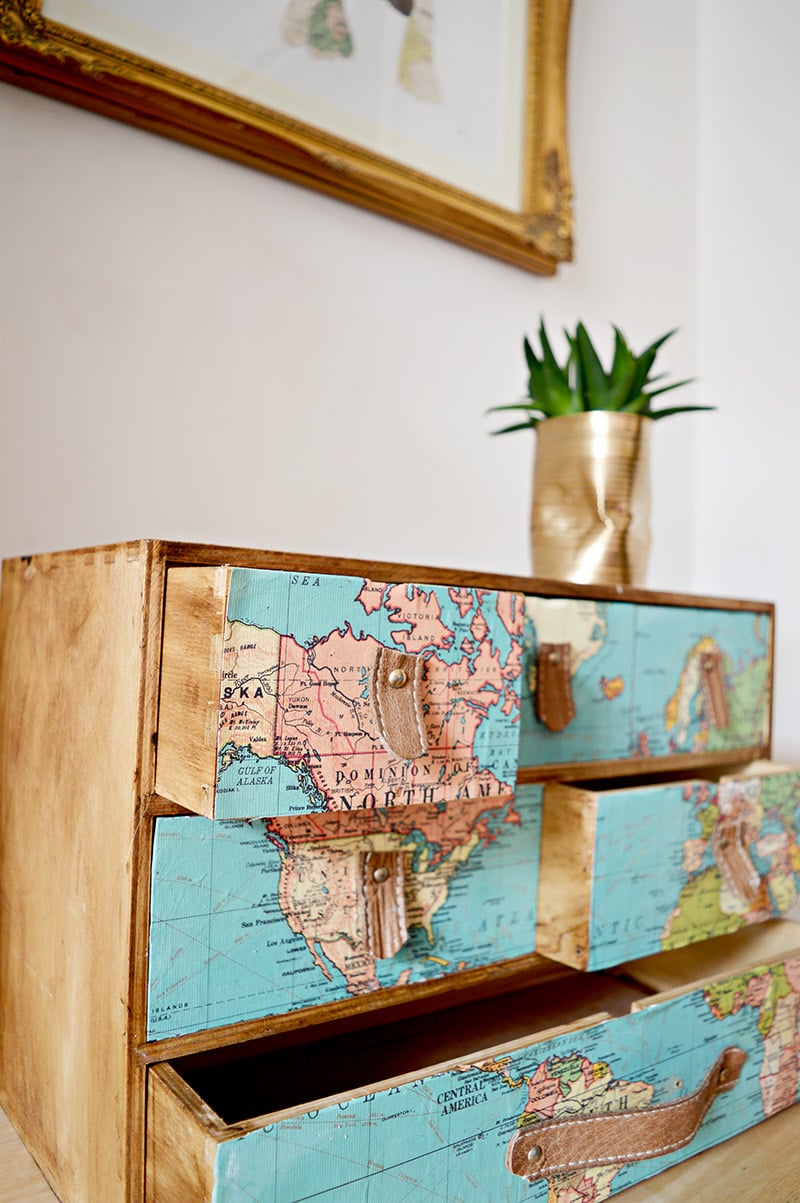
Some people look at an outdated kitchen and see chipped cabinets, awkward corners, and a faucet that wheezes like it has seasonal allergies. A remodelaholic sees possibility. Maybe those cabinets could become a fresh two-tone beauty. Maybe the awkward corner could turn into a coffee bar. Maybe the faucet simply needs retirement with dignity. That is the spirit behind Remodelaholic: a love of turning ordinary spaces into homes that feel personal, practical, and just a little bit magical.
Remodelaholic is best known as a DIY home remodeling, decorating, and design resource created around the idea that homeowners do not need unlimited budgets to create rooms they love. The name itself says everything: it celebrates people who are happily, hopelessly addicted to improving their homes. Not in the “tear down a wall every Tuesday” wayhopefullybut in the creative, hands-on, budget-conscious way that makes a house feel more like a life-sized Pinterest board with better dust management.
At its heart, Remodelaholic is about inspiration with instructions. It is not just “look at this pretty room and feel underdressed.” It is about showing how real homeowners can plan, build, paint, decorate, organize, and reimagine spaces one project at a time. Whether you are dreaming about a kitchen makeover, bathroom refresh, built-in shelves, a painted fireplace, a mudroom bench, or a weekend decor upgrade, the Remodelaholic approach says: start where you are, use what you can, learn as you go, and do not underestimate the power of a good before-and-after photo.
What Is Remodelaholic?
Remodelaholic is a home improvement and DIY lifestyle concept centered on remodeling, decorating, design ideas, budget-friendly upgrades, and practical tutorials. The official Remodelaholic brand was created by Justin and Cassity, a couple passionate about home projects, remodeling, and helping readers make their houses feel like home. Their work reflects a major truth in modern homeownership: people want homes that are functional, beautiful, comfortable, and realistic for everyday living.
The site covers many areas of the home, including kitchens, bathrooms, living rooms, bedrooms, stairs, paint colors, furniture builds, organization ideas, outdoor projects, and decor. It also highlights before-and-after transformations, which are basically the home improvement version of a glow-up montage. Nothing says “I made good choices” like seeing a tired room become bright, useful, and full of character.
But Remodelaholic is more than a blog title. It represents a mindset. A remodelaholic is someone who sees potential everywhere: a blank wall becomes shelving, a dated vanity becomes a weekend challenge, and a leftover board in the garage becomes “definitely something useful someday.” It is a practical form of creativity, powered by measuring tape, paint samples, patience, and the occasional snack break.
Why the Remodelaholic Mindset Is So Popular
Home remodeling has become a major part of American life because homes are doing more work than ever. They are offices, classrooms, gyms, guest rooms, hobby zones, pet kingdoms, and places where families try to find the TV remote with archaeological determination. As housing costs, mortgage rates, and moving expenses have made relocation less appealing for many people, improving the home you already have has become a smart and emotionally rewarding choice.
Recent remodeling research shows that homeowners continue to invest heavily in renovation and repair, even when budgets are tighter. Kitchens and bathrooms remain high-priority spaces because they affect daily routines, resale value, and overall comfort. At the same time, smaller projects such as painting, storage upgrades, lighting changes, and decor refreshes remain popular because they offer visible results without requiring a second mortgage or a dramatic family meeting.
The Remodelaholic style fits perfectly into this reality. It encourages homeowners to think creatively instead of assuming every improvement requires a full professional renovation. Sometimes the best project is not a complete gut remodel. Sometimes it is painting cabinets, changing hardware, adding trim, building shelves, refreshing grout, swapping lighting, or turning a wasted nook into storage. Small changes can have a surprisingly big personalitylike a tiny dog with excellent confidence.
The Core Ideas Behind Remodelaholic Design
1. Make the Home Work Better First
Beautiful design matters, but function is the foundation. A kitchen that photographs beautifully but has nowhere to put the toaster is not a victory; it is a stylish inconvenience. Remodelaholic-inspired projects often begin with a simple question: what is not working here?
Maybe shoes pile up by the door. Maybe the laundry room has the emotional energy of a supply closet. Maybe the bathroom storage situation has become a shampoo traffic jam. Identifying daily frustrations helps guide better remodeling decisions. The best home projects solve problems while also making the room look better.
2. Respect the Budget
Budget-friendly remodeling is a major part of the Remodelaholic appeal. A smart remodel does not mean choosing the cheapest option every time. It means knowing where to save, where to spend, and where to avoid “while we’re at it” decisions that multiply like rabbits wearing tool belts.
Homeowners can save money by keeping existing layouts, repainting instead of replacing, shopping sales, using stock materials creatively, doing cosmetic work themselves, and focusing on high-impact details. At the same time, it is wise to spend on safety, skilled labor, electrical work, plumbing, waterproofing, structural changes, and anything that could become expensive if done incorrectly.
3. Use DIY Where It Makes Sense
DIY is empowering, but it should also be honest. Painting a bedroom? Many homeowners can do that with preparation and patience. Building a basic bench? Learnable. Rewiring a panel while watching a video titled “Electricity for Brave Beginners”? Absolutely not.
The Remodelaholic mindset celebrates hands-on creativity while recognizing the value of professionals. A good rule: DIY the projects where mistakes are fixable, affordable, and safe. Hire licensed experts for work involving structure, major plumbing, electrical systems, gas lines, roofing, and code-sensitive updates.
4. Blend Inspiration With Real Life
Dream homes online can look flawless because nobody photographs the junk drawer, the dog bed, or the cereal boxes that refuse to fit in the pantry. Real home design needs to account for real people. That means durable surfaces, useful storage, washable fabrics, comfortable layouts, and rooms that can survive weeknight chaos.
Remodelaholic-style design is not about copying a showroom. It is about creating a home that looks good and supports the way you actually live. A family with kids may need mudroom cubbies more than delicate open shelving. A home cook may need deep drawers more than a decorative ladder. A pet owner may need scratch-resistant flooring more than a white rug that lives in constant danger.
Popular Remodelaholic Project Ideas
Kitchen Makeovers
The kitchen is often the star of remodeling dreams because it combines function, beauty, and snacks. A full kitchen renovation can be expensive, but there are many Remodelaholic-style updates that make a major difference. Painting cabinets, replacing hardware, adding a backsplash, updating lighting, installing open shelves, improving pantry storage, and refreshing countertops can change the entire feeling of the room.
One practical example is a cabinet refresh. Instead of replacing cabinets that are still structurally sound, homeowners can clean, sand, prime, and paint them. Add modern pulls, upgrade hinges, and suddenly the kitchen looks less “early 2000s builder beige” and more “intentional adult with a design plan.”
Bathroom Refreshes
Bathrooms are small but mighty. They also reveal every bad design decision under bright lighting, which feels rude but useful. A bathroom refresh might include a new vanity, framed mirror, updated faucet, improved ventilation, fresh paint, peel-and-stick floor tile, new towel hooks, better lighting, or a shower curtain that does not look like it gave up in 2014.
For bigger bathroom remodels, waterproofing and ventilation should be treated seriously. Pretty tile is wonderful, but moisture control is what keeps the room from becoming a science experiment. Homeowners should also consider accessibility features such as wider shower entries, grab bars, comfort-height toilets, and slip-resistant flooring, especially if they plan to stay in the home long-term.
Built-Ins and Storage Solutions
Built-ins are a Remodelaholic favorite because they make a home look custom while solving storage problems. Bookcases, mudroom benches, window seats, fireplace shelves, closet systems, and laundry room cabinets can turn unused space into something practical and polished.
The secret is planning. Measure carefully, consider what needs to be stored, and design around real items. If the goal is shoe storage, measure the shoes. If the goal is toy storage, plan for bins. If the goal is hiding random household clutter, congratulations, you are humanand cabinets with doors may be your love language.
Paint and Trim Transformations
Paint is one of the most powerful budget remodeling tools. It can make a room feel larger, cozier, brighter, calmer, or more dramatic. Trim work adds depth and architectural character, especially in builder-grade homes. Board and batten, picture frame molding, crown molding, window trim, and baseboard upgrades can make plain walls look custom without changing the structure of the home.
For beginners, an accent wall is a manageable project. Choose a wall with a natural focal point, such as behind a bed, sofa, dining table, or entry bench. Add simple trim, paint it a rich color, and enjoy the satisfying moment when guests ask, “Was that always there?”
Outdoor Living Improvements
Remodelaholic projects do not stop at the front door. Patios, decks, porches, garden beds, outdoor kitchens, privacy screens, fire pits, and seating areas extend the home’s living space. Even modest outdoor updates can make a backyard feel more inviting.
Simple examples include staining a deck, adding solar path lights, building planter boxes, painting outdoor furniture, creating a gravel seating area, or adding a pergola for shade. Outdoor spaces do not need to be perfect. They need to make people want to sit down, relax, and maybe pretend mosquitoes do not exist.
How to Plan a Remodelaholic-Style Project
Step 1: Define the Problem
Before choosing paint colors or buying supplies, define the problem. Is the room too dark? Too cluttered? Hard to clean? Poorly organized? Outdated? Missing storage? A clear problem leads to a better solution. Without that clarity, it is easy to buy three baskets, a lamp, and a decorative tray while the actual issue remains untouched and slightly judgmental.
Step 2: Gather Inspiration Carefully
Inspiration is helpful, but too much inspiration can create design soup. Save images that match your home’s architecture, budget, and lifestyle. Notice patterns. Are you drawn to warm wood, white walls, black fixtures, vintage rugs, colorful cabinets, or clean modern lines? Your saved ideas will reveal your style if you look closely.
Step 3: Create a Realistic Budget
A remodeling budget should include materials, tools, professional labor, permits, delivery fees, cleanup, and a contingency fund. A common mistake is budgeting only for the visible partsthe tile, faucet, paint, or cabinetswhile forgetting behind-the-scenes costs. Those hidden expenses are like home improvement raccoons: quiet at first, then suddenly everywhere.
For DIY projects, include tools you need to buy or rent. For professional remodels, get multiple estimates and compare the scope of work, not just the final number. The cheapest bid is not always the best value if it leaves out important steps.
Step 4: Check Permits and Safety Rules
Many cosmetic updates do not require permits, but structural changes, electrical work, plumbing changes, additions, and major renovations often do. Local building departments can confirm requirements. Permits may feel like paperwork with a bad attitude, but they protect safety, code compliance, insurance coverage, and future resale value.
Homes built before 1978 may also require special care because of potential lead-based paint. The EPA requires certified lead-safe practices for many paid renovation, repair, and painting projects that disturb painted surfaces in older housing. Homeowners should take this seriously, especially in homes with children or pregnant residents.
Step 5: Plan the Timeline
Every project needs a timeline, even if it is just a weekend schedule. Decide when materials will arrive, when demolition starts, when painting happens, and when the space can be used again. For larger remodels, consider family routines, pets, holidays, weather, and backup plans. A kitchen remodel without a temporary cooking station can quickly turn dinner into a dramatic documentary called “Microwave Survival.”
Design Lessons From the Remodelaholic Approach
The biggest lesson from Remodelaholic is that homes improve in layers. You do not have to finish everything at once. In fact, many of the best homes evolve slowly as homeowners learn what they like, what they need, and what they are willing to maintain.
A second lesson is that creativity often beats cost. A plain wall can become a feature wall. A thrifted dresser can become a bathroom vanity. A builder-grade mirror can look custom with a simple frame. A basic closet can become a mini mudroom. When you combine imagination with practical skills, the result feels more personal than something bought straight from a showroom.
A third lesson is that before-and-after transformations are powerful because they show progress. Many homeowners delay projects because they feel overwhelmed by the finished vision. Remodelaholic-style projects break that fear into steps: remove what does not work, repair what must stay, add function, improve the finish, and celebrate the result.
Remodelaholic and the Rise of Practical Home Design
Modern homeowners are increasingly interested in practical design. They want homes that are efficient, organized, durable, energy-conscious, and flexible. That means remodeling is no longer only about making rooms prettier. It is also about lowering utility costs, improving indoor comfort, creating better storage, supporting remote work, aging in place, and making homes more resilient.
Energy-efficient updates can be part of a Remodelaholic plan. Better insulation, air sealing, efficient windows, smart thermostats, heat pump water heaters, and ENERGY STAR certified products may reduce energy use and improve comfort. Some qualified energy-efficient improvements may also be eligible for federal tax credits, depending on the project, product, timing, and homeowner eligibility.
These practical upgrades may not always photograph as dramatically as a new backsplash, but they make daily life better. A comfortable, efficient home is a beautiful thingeven if attic insulation rarely gets invited to the mood board.
Common Mistakes Remodelaholics Should Avoid
Starting Without a Full Plan
Excitement is wonderful, but demolition should not be the planning phase. Before removing cabinets, ripping out flooring, or ordering materials, know the scope, budget, sequence, and finish choices. A clear plan prevents half-finished rooms and emergency trips to the hardware store while covered in drywall dust.
Ignoring the Home’s Style
A home does not have to be historically perfect, but updates should respect its bones. A farmhouse sink may look charming, but it may not suit every sleek modern condo. Ultra-modern fixtures may feel strange in a traditional cottage unless the contrast is intentional. The best remodels blend personal taste with the home’s existing character.
Choosing Trend Over Longevity
Trends can be fun, but permanent materials should be chosen carefully. Paint, pillows, art, and hardware are easy to change. Tile, flooring, countertops, and cabinetry are more expensive commitments. If you love a bold trend, consider using it in a flexible way. Your future self may thank you, possibly while not removing neon green tile from a shower.
Underestimating Prep Work
Prep is not glamorous, but it is the difference between a project that lasts and one that peels, cracks, wobbles, or whispers “mistake” every time you walk by. Cleaning, sanding, priming, leveling, measuring, and taping take time because they matter. Good DIY work is often 70 percent preparation, 20 percent execution, and 10 percent wondering where you put the pencil.
of Real-World Remodelaholic Experience
Anyone who has lived through a home project knows remodeling is both satisfying and slightly unhinged. The first experience many remodelaholics share is the “small project surprise.” You decide to repaint a bathroom. Simple, right? Then you remove the towel bar and discover three mystery holes, two wall textures, and a previous paint color that can only be described as “sad mustard.” Suddenly, your quick refresh includes patching, sanding, priming, choosing new hardware, and explaining to your family why the hallway is full of paint cans.
That is part of the Remodelaholic journey. Projects teach patience. They also teach humility, because a wall is never as straight as it looks, and every house has at least one screw placed by someone with chaotic confidence. The trick is to slow down and treat each surprise as information, not failure. If the wall is uneven, adjust the trim. If the cabinet door sticks, realign the hinge. If the paint color looks different at night, test samples next time. Every mistake becomes a future skill wearing dusty shoes.
Another common experience is learning the true value of good tools. At first, beginners often try to complete every project with one screwdriver, a questionable tape measure, and optimism. After a few projects, they realize a level, stud finder, drill, clamps, caulk gun, quality brushes, and sharp blades are not luxuries; they are peace offerings to the DIY gods. Good tools do not guarantee perfection, but they reduce frustration and help projects look cleaner.
Planning also becomes a learned habit. Many remodelaholics begin by buying decor first and measuring later. This is how people end up with rugs that look like postage stamps or shelves that almost fit, which is the most annoying kind of not fitting. Over time, experienced DIYers learn to measure twice, sketch the layout, make a material list, price everything, and plan the order of work. It may feel less spontaneous, but it prevents the classic Saturday afternoon crisis: standing in the hardware aisle holding a faucet, realizing you do not know how many holes your sink has.
The emotional side of remodeling is real too. A home project can be messy, noisy, expensive, and inconvenient. There may be days when the room looks worse than when you started. That middle stage is where many people panic. The key is remembering that remodeling often gets ugly before it gets beautiful. Demolition, patching, priming, and installation are not the final look. They are the awkward teenage years of the project.
Then comes the reward. The last piece of trim goes up. The shelves are styled. The light fixture works. The clutter finally has a place to live. You step back and see a room that functions better and feels more like you. That moment is why people become remodelaholics. It is not only about paint, wood, tile, or hardware. It is about the pride of improving your surroundings with your own decisions, your own effort, and occasionally your own ability to laugh when things go sideways.
Perhaps the best Remodelaholic experience is learning that a home is never truly finishedand that is not a problem. Homes change as families grow, routines shift, tastes evolve, and budgets allow. A room can be improved now and improved again later. The goal is not perfection. The goal is progress, comfort, creativity, and a home that supports real life beautifully.
Conclusion: Why Remodelaholic Still Matters
Remodelaholic captures the best part of home improvement: the belief that ordinary spaces can become extraordinary with planning, creativity, effort, and a realistic budget. It encourages homeowners to look beyond what a room is today and imagine what it could become tomorrow. From kitchen makeovers and bathroom refreshes to built-ins, paint projects, storage solutions, and outdoor upgrades, the Remodelaholic mindset makes remodeling feel approachable instead of intimidating.
The most successful projects are not always the biggest or most expensive. They are the ones that solve real problems, reflect personal style, and make daily life easier. Whether you are a beginner with a paint roller or a seasoned DIYer with a garage full of lumber “for future projects,” Remodelaholic offers a practical reminder: your home does not need to be perfect to be worth improving. It just needs a little vision, a good plan, and maybe one more trip to the hardware store.












