
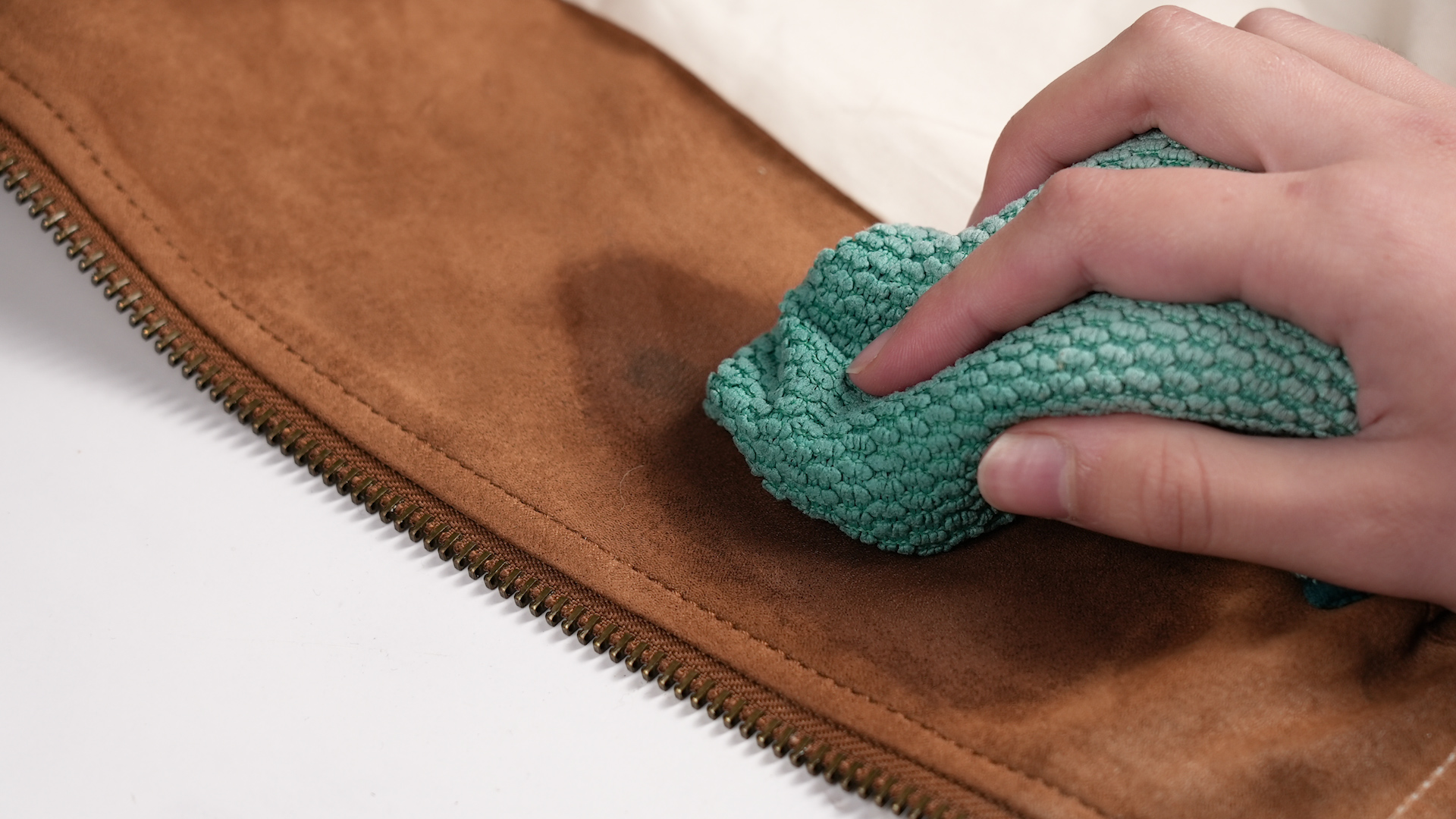
A suede jacket is one of those wardrobe pieces that makes you look effortlessly stylish, even if you spent ten minutes debating whether your socks matched. Soft, velvety, and quietly luxurious, suede has a way of making jeans look sharper, dresses look cooler, and fall outfits look like they were planned by someone with excellent taste and a mysterious coffee habit.
But suede also has a dramatic side. A raindrop can leave a mark. A greasy fingerprint can linger like gossip. One careless splash of coffee can make you question every life choice that led you to wearing your best jacket near a paper cup. The good news is that learning how to clean a suede jacket is not as scary as it sounds. You do not need a professional cleaner for every little scuff, dusty sleeve, or shiny collar. With the right tools, a gentle hand, and a little patience, you can refresh suede at home without turning it into a sad, stiff napkin.
This guide covers three reliable ways to clean a suede jacket: dry cleaning with a suede brush and eraser, spot cleaning stains with gentle household methods, and deep refreshing the jacket with safe overall care. You will also learn what not to do, when to call a professional, and how to protect suede so it stays soft, handsome, and ready for compliments.
Before You Start: Understand What Makes Suede Different
Suede is leather, but it is not smooth leather. It is made from the underside of animal hide, which gives it that soft, fuzzy surface known as the nap. That nap is the whole charm of suede, and also the reason it needs special care. Unlike smooth leather, suede absorbs liquid quickly and can become stained, matted, or stiff if it is soaked or scrubbed too aggressively.
The most important rule is simple: clean suede gently and keep it as dry as possible. A suede jacket should not be tossed into the washing machine, soaked in a bucket, blasted with a hair dryer, or attacked with harsh household cleaners. Suede prefers a calm spa day, not a pressure-washing incident.
Basic Tools You Need
For most suede jacket cleaning jobs, gather these supplies:
- A suede brush or soft-bristle brush
- A suede eraser, suede cleaning block, or clean white pencil eraser
- Microfiber cloths
- Cornstarch, baking soda, or talcum powder for oil stains
- White vinegar or rubbing alcohol for certain marks
- A padded hanger
- Suede protector spray
Always test any cleaning method on a hidden area first, such as the inside hem or under the collar. Suede can vary by dye, finish, thickness, and age, so a small test patch is your insurance policy against surprise discoloration.
Way 1: Clean a Suede Jacket with a Suede Brush and Eraser
This is the safest and most common method for everyday suede jacket maintenance. It works well for dust, dry dirt, light scuffs, flattened nap, and small mystery marks that appear after your jacket spends too much time in a crowded closet.
Step 1: Make Sure the Jacket Is Completely Dry
Never brush wet suede. If your jacket got damp from rain, snow, or a spill, hang it on a padded hanger and let it air-dry naturally in a cool, ventilated area. Keep it away from radiators, direct sunlight, fireplaces, and hair dryers. Heat can shrink, stiffen, or discolor suede, which is not the kind of makeover anyone asked for.
Step 2: Brush the Jacket in One Direction
Use a suede brush to gently lift dirt and restore the nap. Start at the shoulders and work downward. Brush in one direction at first, following the natural grain. For stubborn dusty areas, use short, light strokes. Do not grind the brush into the jacket. You are grooming suede, not sanding a deck.
Pay extra attention to high-contact areas such as cuffs, elbows, pocket edges, and the collar. These spots collect body oils, dust, and friction marks faster than the rest of the jacket. A few minutes of brushing can make the suede look brighter and more even.
Step 3: Use a Suede Eraser on Scuffs and Dry Marks
If brushing does not remove a scuff, use a suede eraser or cleaning block. Rub the mark gently using small back-and-forth motions. The eraser may create crumbs, which is normal. Brush those away afterward.
A clean white pencil eraser can work in a pinch for small marks, but avoid colored erasers because they may transfer dye. Also avoid the urge to scrub hard. If the mark is not improving after gentle effort, stop. Overworking one area can create a shiny patch or disturb the nap.
Step 4: Brush Again to Blend the Texture
After erasing, brush the area lightly to blend it with the surrounding suede. The goal is not just to remove the mark, but to make the texture look consistent. A suede jacket looks best when the nap has a soft, even finish rather than random flat spots.
Way 2: Spot Clean Stains on a Suede Jacket
Spot cleaning is where suede care gets a little more specific. Different stains need different treatments. The right method for dry mud is not the same as the right method for salad dressing, and both are different from the right method for water spots. Suede is picky, but at least it is honest about it.
For Mud and Dry Dirt
Let mud dry completely before cleaning. This may feel wrong, especially if you are the type of person who wants to fix things immediately, but wet mud smears deeper into suede. Once the mud is dry, gently break off any crusty bits with your fingers, then brush the area with a suede brush. Use a suede eraser for any remaining mark, then brush again to restore the nap.
For Oil and Grease Stains
Oil stains are common around collars, cuffs, and pockets. They can also happen when a rogue French fry, buttery popcorn kernel, or oily salad dressing decides your jacket is its final destination.
To treat oil, blot the stain gently with a dry microfiber cloth. Do not rub. Then cover the stained area with cornstarch, baking soda, talcum powder, or another absorbent powder. Let it sit for several hours or overnight. The powder helps draw oil out of the suede. Brush it away gently and repeat if needed.
If the stain remains after two or three attempts, professional cleaning may be the safer choice. Old grease stains can bond with suede fibers, and aggressive home cleaning may leave a larger mark than the original stain.
For Water Spots
Water can darken suede and create uneven rings. If the jacket has a small water spot, let it dry naturally first. Then brush the area to lift the nap. If a ring remains, lightly dampen a clean microfiber cloth with plain water and gently feather the moisture around the spot so the transition is less obvious. Do not soak the jacket.
After the area dries, brush it again. The trick is to avoid creating a new wet patch while trying to fix the old one. Suede rewards restraint. Think “barely damp,” not “laundry day.”
For Salt Stains
Salt stains can appear after winter walks, especially near the bottom hem or sleeves. First, let the suede dry completely. Brush away loose salt. Then dab the stain lightly with a cloth dampened with a small amount of white vinegar. Use very little liquid, blot gently, and allow the area to air-dry. Brush the nap afterward.
White vinegar can help dissolve mineral residue, but it should never be poured directly onto suede. Apply it to the cloth first, then touch the cloth to the stain. That tiny detail can save your jacket from becoming an abstract art project.
For Ink or Dye Marks
Ink is one of the more difficult stains to remove from suede. If the ink is fresh, blot carefully with a dry cloth. Do not spread it. A small amount of rubbing alcohol on a cotton swab may help lift some ink marks, but always test first and use the lightest touch possible. If the jacket is expensive, vintage, light-colored, or sentimental, skip the home experiment and take it to a suede-cleaning specialist.
Way 3: Refresh and Protect the Whole Suede Jacket
Sometimes a suede jacket does not have one dramatic stain. It just looks tired. The shoulders are dusty, the collar is a little shiny, and the whole thing has lost that rich, velvety finish. This is when an overall refresh helps.
Step 1: Hang the Jacket Properly
Place the jacket on a wide padded hanger. Avoid thin wire hangers, which can create shoulder bumps. Button or zip the jacket so it hangs naturally. Good support helps the jacket keep its shape while you clean.
Step 2: Brush the Entire Jacket
Brush the jacket from top to bottom using gentle strokes. Work section by section: collar, shoulders, sleeves, front panels, back, cuffs, and hem. This removes surface dust and wakes up the nap. For flattened areas, brush in one direction first, then lightly brush against the nap to lift it. Finish by brushing the area smooth.
Step 3: Treat the Collar and Cuffs
The collar and cuffs usually need extra attention because they touch skin, hair products, lotions, and everyday grime. Sprinkle cornstarch or baking soda on greasy-looking areas and let it sit overnight. Brush it away the next day. If needed, use a suede eraser for darker marks, then brush again.
If the collar has heavy staining, do not keep adding liquid cleaners. Heavy collar buildup often needs professional suede cleaning because body oils can sink deep into the fibers.
Step 4: Air Out Odors
If the jacket smells musty, hang it in a cool, dry, well-ventilated room. Avoid spraying perfume, fabric freshener, or deodorizer directly onto suede. These products can stain or leave residue. For mild odor, fresh air usually helps. For strong odor from smoke, mildew, or long storage, professional cleaning is the better move.
Step 5: Apply Suede Protector Spray
Once the jacket is clean and fully dry, apply a suede protector spray made specifically for suede or nubuck. Use it in a well-ventilated area and follow the product directions. Hold the spray at the recommended distance, apply a light even coat, and let the jacket dry completely before wearing it.
Protector spray does not make suede invincible. It is more like giving your jacket an umbrella, not a force field. It helps repel light moisture and stains, but you should still avoid heavy rain, oily foods, and suspicious puddles.
What Not to Do When Cleaning a Suede Jacket
Cleaning suede is partly about knowing what to avoid. Many ruined jackets began with good intentions and one very bad idea.
Do Not Machine Wash Suede
A washing machine can distort suede, remove natural oils, fade dye, and leave the jacket stiff or misshapen. Even a gentle cycle is too much agitation and moisture for most suede jackets.
Do Not Use Regular Leather Conditioner
Smooth leather conditioners are usually too oily for suede. They can darken the nap and create permanent stains. Use products labeled for suede or nubuck only.
Do Not Scrub with Water and Soap
Soap and water may sound harmless, but suede does not rinse clean like cotton. Too much water can leave rings, and soap residue can attract more dirt. If you use any liquid treatment, use the smallest amount possible and blot carefully.
Do Not Dry Suede with Heat
Heat can shrink and stiffen suede. Let your jacket air-dry naturally. Yes, it takes longer. No, your hair dryer is not secretly a professional suede restoration tool.
When to Take a Suede Jacket to a Professional Cleaner
Home suede care works best for light dirt, fresh stains, scuffs, and routine maintenance. Professional cleaning is smarter for large stains, old grease marks, ink, dye transfer, mold, strong odors, vintage suede, designer jackets, or any jacket with sentimental value. If the care label says professional leather or suede cleaning only, respect the label. It knows things.
Look for a cleaner that specifically handles suede and leather garments. Standard dry cleaning is not always the same as specialist suede cleaning. Ask how they treat suede, whether they test dyes, and whether they can refresh the nap after cleaning.
How to Keep a Suede Jacket Cleaner for Longer
Prevention is easier than stain removal. Brush your suede jacket after every few wears, especially if it has been exposed to dust or city air. Store it on a padded hanger in a breathable garment bag. Avoid plastic bags, which can trap moisture and encourage mildew.
Check the weather before wearing suede. A light drizzle may be manageable if the jacket is protected, but heavy rain is not suede’s favorite social event. If your jacket gets damp, blot gently with a microfiber cloth and let it dry naturally before brushing.
Also, be careful with lotions, hair oils, makeup, and perfume. Apply personal-care products before putting on the jacket and let them dry first. Your suede collar will thank you silently, because suede is elegant but not very chatty.
Real-Life Experiences: What Cleaning a Suede Jacket Actually Teaches You
Cleaning a suede jacket teaches patience faster than almost any other wardrobe chore. With a cotton hoodie, you can toss it in the wash and hope for the best. With suede, hope is not a plan. The first real lesson is that slow cleaning usually wins. A tiny scuff that looks alarming at first may disappear after two minutes with a suede brush. A greasy collar that seems impossible may improve after one overnight treatment with cornstarch. Suede often responds well when you give it time instead of force.
One common experience is panic after a water mark appears. The jacket looks darker in one spot, and the natural instinct is to rub it immediately with a wet cloth. That usually makes the problem larger. The better approach is to pause, blot if needed, let the suede dry, then brush the nap. Many water marks look worse when damp and become far less noticeable after drying and brushing. This is the suede version of “sleep on it before sending the angry email.”
Another practical lesson is that collars need regular attention. Even if you are careful, the collar touches your neck, hair, scarves, and sometimes makeup or sunscreen. Over time, it may look slightly darker or smoother than the rest of the jacket. Brushing after wear helps, but absorbent powder can make a visible difference. Sprinkle a small amount on the collar, leave it overnight, and brush it out the next day. It is not glamorous, but neither is pretending the collar is “just shadow.”
People also discover that suede erasers are surprisingly useful. A good suede eraser can lift scuffs from sleeves, pocket edges, and elbows without liquid. It feels almost too simple, like the jacket is being cleaned by a tiny office supply. The trick is to rub gently and stop before the nap gets overworked. After using the eraser, brushing is essential because it blends the texture and removes residue.
The biggest mistake many jacket owners make is trying to clean everything in one heroic session. Suede does better with small, repeated treatments. Brush the whole jacket. Treat one stain. Let it rest. Recheck the next day. If the stain improves, continue gently. If it does not, accept that a professional cleaner may be cheaper than replacing the jacket. This is especially true for light tan, cream, gray, or pastel suede, where mistakes show up faster than a typo in a headline.
Finally, suede care teaches prevention. Once you clean a jacket successfully, you become much more careful about where you sit, what you eat, and whether the forecast says “light mist” or “surprise swamp.” Applying suede protector, storing the jacket properly, and brushing it regularly can reduce future cleaning stress. A suede jacket is not high-maintenance in a bad way; it simply asks for attention before disaster. Treat it kindly, and it will keep making your outfits look expensive even when the rest of your day is powered by leftovers and caffeine.
Conclusion
Learning how to clean a suede jacket comes down to three smart methods: brush and erase dry marks, spot clean stains carefully, and refresh the whole jacket with gentle maintenance and protection. Suede may look delicate, but it is not impossible to care for. The key is to avoid soaking, scrubbing, heat, and panic. Use dry tools first, treat stains based on what caused them, and know when a professional cleaner is worth it.
With regular brushing, careful storage, and a good suede protector spray, your jacket can stay soft, stylish, and ready for many seasons. And the next time someone says, “I love your jacket,” you can smile confidently, knowing you saved it from dust, oil, water spots, and possibly one extremely reckless French fry.












