
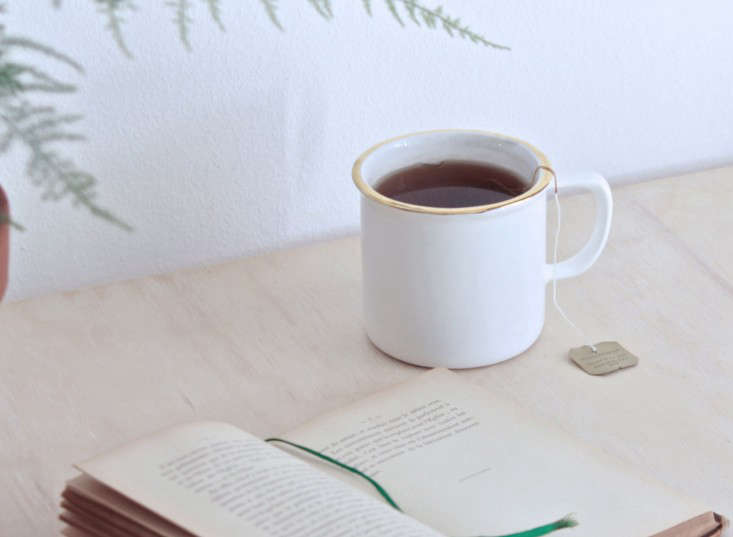
Some brands enter a room like a marching band. Minka Inhouse, the Chilean homeware label founded by Francisca “Fran” Aldea, arrives more like a candle being lit at dinner: quiet, warm, and somehow impossible to ignore. Its appeal is not built on oversized logos, glossy showroom drama, or pieces that need a spotlight and a small fan machine to feel important. Instead, Minka Inhouse represents a softer kind of luxuryhandmade ceramics, honest materials, thoughtful shapes, and objects that look as if they were made to be used, loved, and occasionally admired over a second cup of coffee.
The phrase “low-key luxe” fits because the brand’s design language is refined without being fussy. A gold-rim mug feels special but not precious. A simple ceramic vase carries a sculptural presence without acting like it just returned from an art-school critique. A small lidded bowl can hold jewelry, keys, or tiny treasures while still looking serene on a shelf. This is the kind of home decor that whispers, “I have taste,” instead of shouting, “Please validate my throw-pillow budget.”
At its heart, Minka Inhouse is a story about Chilean craft, local production, and the slow beauty of objects made by hand. It also fits naturally into the larger design movement toward quiet luxury interiors, artisan home decor, sustainable choices, natural textures, and pieces that feel personal rather than mass-produced. In a world overflowing with fast furniture and copy-paste styling, Minka Inhouse feels refreshingly human.
The Story Behind Minka Inhouse
Minka Inhouse was created by Francisca Aldea in Santiago, Chile, after her experience in the home decor side of retail left her wanting something more meaningful than mass production. Before starting the brand, Aldea worked in visual merchandising and product development, where she saw how often decorative objects were designed in one place, manufactured far away, and stripped of any real connection to local makers. That frustration became the spark for a different kind of business.
Rather than continuing to rely on overseas production, Aldea began exploring what could be made locally in Santiago. She learned from craftspeople, experimented with ceramics and textiles, and built Minka Inhouse around a simple but powerful idea: home objects should carry the warmth of the hands and places that made them. The name “Minka” itself is rooted in the concept of collective work with social purpose, which gives the brand a deeper layer than just “pretty mugs on a pretty table.”
The brand’s early collection included ceramics, wool blankets, and throwspieces that were practical, tactile, and emotionally inviting. A Kickstarter campaign helped introduce the project to a wider audience, supporting Aldea’s goal of buying raw materials, working with skilled local craftspeople, and creating products that celebrate Chilean making. That origin matters because it gives the objects context. A mug is not just a mug; it is part of a small ecosystem of design decisions, craft knowledge, fairer production ambitions, and cultural identity.
What Makes Minka Inhouse Feel Luxurious Without Looking Loud?
Luxury does not always need marble floors, chandeliers, and a chair nobody is allowed to sit on. Sometimes luxury is a perfectly balanced cup. Sometimes it is a handmade vase with a subtle sheen. Sometimes it is the quiet satisfaction of knowing that an object was polished one by one rather than stamped out by the thousands. Minka Inhouse understands that the best interiors are not built from expensive things alone; they are built from meaningful things.
1. Handmade Imperfection That Feels Alive
Handmade ceramics have a quality that machine-made pieces rarely achieve. Their edges, surfaces, and finishes reveal small traces of the making process. These variations are not flaws; they are the point. In a Minka Inhouse ceramic piece, the slight irregularity of the finish or the hand-painted detail gives the object personality. It says, “A person made this,” which is a much more charming sentence than “A factory line achieved maximum efficiency.”
This handmade quality also makes each piece easier to integrate into real homes. It does not demand a museum-like setting. It looks natural on an open kitchen shelf, a bedside table, a breakfast tray, or a dining table with mismatched napkins and a slightly chaotic cheese board. Low-key luxe works because it embraces life as it is actually lived.
2. A Restrained Palette With a Sense of Warmth
Minka Inhouse pieces often lean into clean shapes, soft tones, and carefully chosen accents. The gold-rim mugs are a perfect example. Inspired by classic enamelware, they bring a familiar utilitarian shape into a more elevated context with hand-painted gold rims. The result feels nostalgic and fresh at the same time, like your grandmother’s kitchen met a boutique hotel and they decided to host brunch.
The beauty of restrained design is that it travels well across interiors. A simple ceramic mug can sit happily in a minimalist kitchen, a rustic cabin, a modern apartment, or a layered family home. It does not fight the room. It adds a small moment of polish.
3. Materials That Invite Touch
Quiet luxury interiors depend heavily on texture. Smooth ceramic, soft wool, polished glaze, warm wood, linen, rattan, and stone all create depth without visual noise. Minka Inhouse’s combination of ceramics and textiles fits beautifully into this design direction. The pieces are meant to be held, used, folded, filled, washed, displayed, and returned to again and again.
In practical terms, this means Minka Inhouse-style decor can help a room feel finished without making it feel staged. A handmade vase on a sideboard brings form. A wool throw softens a chair. A small lidded bowl adds function while quietly contributing to the atmosphere. These are not dramatic gestures, but they are the details guests notice before saying, “Your home feels really nice,” which is one of the highest compliments a room can receive.
The Signature Pieces: Mugs, Vases, Bowls, and Textiles
The most recognizable Minka Inhouse pieces include its gold-rim ceramic mugs, handmade ceramic vases, lidded bowls, wool blankets, and throws. Each category reflects the brand’s larger philosophy: simple forms, local craft, and useful beauty.
Gold-Rim Mugs
The gold-rim mug set is one of the brand’s most charming examples of everyday luxury. The mugs were inspired by classic enamelware, but the gold rim adds a graceful twist. They feel casual enough for morning coffee but elegant enough for an after-dinner espresso. That balance is exactly what makes them so appealing. They do not require a special occasion; they make ordinary occasions feel a little more special.
Imagine drinking tea from one while reading on a quiet Saturday morning. The cup is not trying to change your life. It is simply making the moment better. That is the secret power of good tableware.
Ceramic Vases
Minka Inhouse’s ceramic vases take inspiration from old-fashioned cut crystal but reinterpret that visual language in ceramic form. This is an especially clever design move. Cut crystal can feel formal, even a little grand. Ceramic softens the idea, making the silhouette more approachable and modern. The vase still has presence, but it does not look like it expects to be inherited by a duchess.
These vases work beautifully with fresh flowers, dried grasses, or even no stems at all. A strong vase does not always need a bouquet to justify its existence. Sometimes an empty vessel is enough to create a sculptural pause in a room.
Round Ceramic Bowl With Lid
The round ceramic bowl with lid is small, practical, and quietly poetic. It is the sort of object that solves the universal home problem of “Where do I put this tiny thing I refuse to throw away?” Rings, hairpins, spare buttons, matchbooks, coins, little notes, and mysterious keys all suddenly have a home. The lidded form keeps clutter hidden while still adding shape and texture to a surface.
Good design often works this way. It does not simply decorate; it improves daily rituals. A handmade container can turn a messy bedside table into a composed vignette. That may sound dramatic, but anyone who has ever lost an earring back five minutes before leaving the house understands the emotional value of a beautiful little bowl.
Wool Blankets and Throws
The textile side of Minka Inhouse extends the same values into softness and warmth. Wool blankets and throws bring a tactile layer to interiors, especially when paired with ceramics. The contrast between hard and soft materials is one of the simplest ways to make a room feel designed. A ceramic vase beside a folded wool throw creates balance: cool and warm, smooth and textured, structured and relaxed.
This is also where the Chilean context becomes especially meaningful. Textiles are deeply connected to place, climate, tradition, and use. A throw is never just a decorative rectangle. It is a comfort object, a color field, a texture layer, and occasionally a superhero cape for anyone under the age of eight.
Why Chilean Craft Feels So Fresh in Modern Interiors
Chile has a rich culture of craft, natural materials, and regional identity, yet many international design conversations still focus heavily on Europe, Japan, Scandinavia, and the United States. Minka Inhouse offers a reminder that great design is not limited to the usual capitals. Santiago has its own creative energy, shaped by local makers, independent studios, and designers who understand the tension between global markets and local production.
Aldea’s decision to work with Chilean craftspeople was not merely aesthetic. It was also a response to the decline of domestic manufacturing and the dominance of imported mass-produced goods. That makes Minka Inhouse part of a broader conversation about how design can support local economies, preserve skills, and create products with more transparent origins.
For buyers, this kind of context adds value. A handmade ceramic piece from Santiago carries a different emotional weight than a generic vase picked up from a warehouse shelf. It tells a story of place, process, and intention. And in the era of quiet luxury, that story is often more desirable than obvious status symbols.
How to Style the Minka Inhouse Look at Home
You do not need to live in a magazine-ready loft or own a dining table made from a single ancient tree to bring this look into your home. The Minka Inhouse approach is surprisingly adaptable. The key is to choose fewer pieces, but choose them with care.
Start With a Simple Ceramic Moment
Place a handmade ceramic mug, bowl, or vase somewhere you interact with daily: a kitchen shelf, coffee station, entry table, or nightstand. The goal is not to create a display that looks untouchable. The goal is to make ordinary routines feel considered. A mug you love can improve your morning more reliably than a motivational quote printed in cursive.
Pair Ceramics With Natural Textures
Ceramics look best when they are not lonely. Pair them with linen napkins, a wooden tray, woven baskets, wool throws, or stone surfaces. These materials create a layered, grounded look that feels relaxed but refined. Think of it as a small dinner party where every texture has good manners.
Use Metallic Accents Sparingly
The gold rim on Minka Inhouse mugs works because it is subtle. Too much metallic shine can push a room from low-key luxe into “hotel lobby during awards season.” A small gold edge, brass spoon, or warm-toned candleholder is enough. Let the glow appear in details rather than dominate the room.
Leave Breathing Room
Handmade objects need space around them. A ceramic vase loses impact if it is crowded by mail, chargers, sunglasses, and three receipts from places you do not remember visiting. Clear a surface, place one or two meaningful pieces, and let negative space do some of the decorating. Minimalism is not about owning nothing; it is about letting the right things speak.
Low-Key Luxe vs. Fast Decor
The rise of artisan homeware is partly a reaction against fast decor. Many shoppers are tired of buying inexpensive objects that look trendy for one season and then feel tired by the next. Low-key luxe offers a different rhythm. It favors durability, craft, natural materials, and designs that age gracefully.
Minka Inhouse fits this shift because its pieces are not overly trend-dependent. A handmade white ceramic vase, a gold-rim mug, or a wool throw can remain relevant for years. These items do not rely on a viral color or a short-lived shape. Their appeal comes from proportion, touch, usefulness, and story.
This does not mean every object in a home must be expensive or handmade. Real homes are mixtures. The trick is to invest in pieces that carry the most visual and emotional weight. A handmade vase on an affordable shelf can elevate the whole arrangement. A beautiful mug can make a basic kitchen feel personal. A good throw can rescue a plain sofa from looking like it gave up in 2019.
The Emotional Value of Handmade Home Decor
One reason Minka Inhouse feels memorable is that it recognizes the emotional side of home. We do not live with objects only because they perform functions. We live with them because they shape mood, memory, and ritual. A favorite cup becomes part of a morning routine. A vase reminds us to buy flowers. A blanket becomes the thing everyone fights over during movie night.
Handmade objects intensify that connection because they carry visible signs of care. They make a home feel less anonymous. In a digital world where so much is instant, smooth, and screen-based, a hand-polished ceramic object offers a small return to slowness. It asks you to notice weight, surface, shape, and use. That may sound simple, but simplicity is often where the best design begins.
Experience Notes: Living With the Low-Key Luxe Feeling
The most useful way to understand the Minka Inhouse spirit is to imagine how it changes the everyday experience of a home. Low-key luxe is not about impressing guests for ten minutes. It is about making the quiet parts of the day feel better. It shows up when you reach for a mug that fits your hand just right, when a vase catches afternoon light on a shelf, or when a wool throw makes a chair feel less like furniture and more like an invitation.
In a kitchen, this approach creates calm. Instead of filling every open shelf with matching sets, you might keep only the pieces you genuinely enjoy seeing: two handmade mugs, a small bowl for salt, a pitcher, and a stack of simple plates. The space feels edited, but not empty. It still looks like someone cooks there, spills olive oil there, and occasionally eats toast over the sink like a responsible adult with very little time.
In a living room, Minka Inhouse-style decor works best as a set of subtle touchpoints. A ceramic vase on a coffee table, a textured throw over a sofa arm, and a small lidded bowl for matches or keepsakes can do more than a dozen loud accessories. The room gains rhythm. Your eye moves from one material to another: ceramic, wool, wood, paper, plant, light. Nothing screams. Everything contributes.
In a bedroom, the effect becomes even more personal. A handmade bowl on a nightstand can hold jewelry or small objects at the end of the day. A simple vase with one stem can make the room feel cared for. A blanket folded at the foot of the bed adds warmth without creating visual clutter. These are tiny choices, but they influence how a room welcomes you at night and greets you in the morning.
The experience is also practical. Handmade ceramics encourage slower consumption because they are not treated as disposable. You are more likely to care for a piece that feels connected to a person, a workshop, or a place. You wash it more gently. You store it more carefully. You notice it more often. In that sense, low-key luxe is not just a style; it is a different relationship with things.
There is also a social pleasure to these objects. Serving coffee in a gold-rim mug or placing flowers in a handmade vase does not feel performative. It feels generous. Guests may not know the brand or the backstory, but they will sense the care. That is the magic of understated design: it improves the atmosphere without demanding applause.
Ultimately, the Minka Inhouse experience is about creating a home that feels grounded, warm, and quietly special. It suggests that luxury can be modest, local, tactile, and deeply human. It can be a mug, a vase, a bowl, a blanket. It can be the small daily pleasure of using something made with patience. And honestly, in a world of blinking notifications and furniture named after random vowels, that kind of calm feels luxurious enough.
Conclusion
Low-Key Luxe from Minka Inhouse in Chile is more than a design headline. It is a reminder that the most beautiful homes are often built through small, meaningful choices. Francisca Aldea’s work with ceramics and textiles shows how local craft can become modern, elegant, and emotionally resonant without losing its warmth. From gold-rim mugs to cut-crystal-inspired ceramic vases, Minka Inhouse captures the charm of objects that are useful, handmade, and quietly refined.
For anyone interested in quiet luxury interiors, artisan ceramics, Chilean design, or sustainable home decor, Minka Inhouse offers a compelling model: buy less, choose better, honor craft, and let everyday objects carry a little more soul. The result is not a home that looks expensive for the sake of it. It is a home that feels considered, calm, and alive.













