
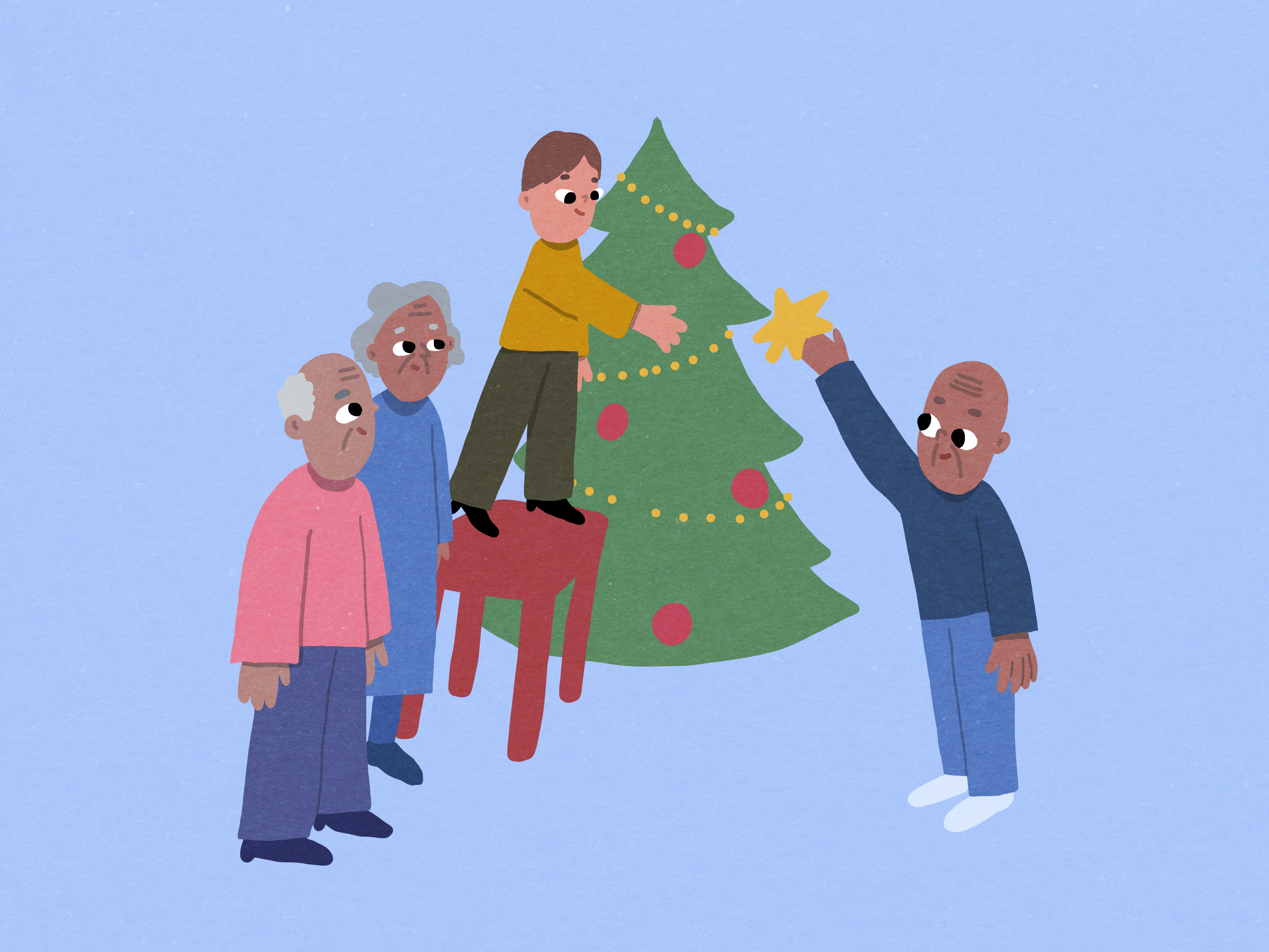
Respecting your elders is not about acting like every older person is a fragile museum vase labeled “Do Not Touch.” It is about recognizing a lifetime of experience, independence, dignity, and human complexity. Older adults are not all the same. Some are marathon walkers, some are quiet storytellers, some can fix a leaking faucet with one eyebrow raised, and some know exactly how to use a smartphone but pretend not to when the family group chat gets noisy.
The main keyword here is simple: 12 ways to respect your elders. But the real meaning goes deeper. Respect means listening without rushing, helping without taking over, protecting without controlling, and speaking with kindness even when opinions travel in opposite directions. Whether you are talking to a grandparent, an older neighbor, a teacher, a family friend, or a senior coworker, respectful behavior builds trust across generations.
This guide explores practical, modern, and realistic ways to show respect to older adults in everyday life. No grand speeches required. Sometimes respect looks like pulling out a chair. Sometimes it looks like asking, “Would you like help?” instead of grabbing the grocery bag like you are rescuing it from a burning building.
Why Respecting Elders Still Matters Today
In a fast-moving world, age is often treated like an outdated app version. That is unfair and, frankly, bad manners with Wi-Fi. Older adults carry personal history, family stories, cultural knowledge, career lessons, survival skills, and emotional wisdom that younger generations can learn from. Respect does not mean agreeing with every opinion. It means treating the person with dignity while allowing room for honest conversation.
Respect also supports emotional well-being. Many seniors face major life changes such as retirement, health concerns, losing loved ones, moving homes, or becoming more dependent on others. A respectful attitude helps older adults feel seen rather than managed. It reminds them they are still decision-makers, contributors, and valued members of the family and community.
12 Ways to Respect Your Elders in Daily Life
1. Listen Like You Are Not Waiting for Your Turn to Talk
One of the most powerful ways to respect your elders is to listen with full attention. Put down the phone, pause the multitasking, and give them the gift of being heard. Eye contact, nodding, and asking thoughtful follow-up questions show that their words matter.
For example, if your grandfather tells the same story about his first job for the fifth time, try listening for something new: a detail, a lesson, or the emotion behind it. Stories are not always repeated because the speaker forgot. Sometimes they are repeated because they are important.
2. Use Respectful Language
Words shape how people feel. Using respectful titles such as “Mr.,” “Mrs.,” “Ms.,” “sir,” or “ma’am” can be appropriate, especially when you do not know someone well. For family members, use the name or title they prefer. Some people love “Grandma.” Others prefer “Nana,” “Abuela,” “Pop,” or their actual first name because they are stylish like that.
Avoid baby talk, exaggerated praise, or overly familiar nicknames like “sweetie” or “dear” unless you know the person appreciates them. Respectful communication means speaking to older adults as adults, not as children with more birthdays.
3. Ask Before Helping
Helping is kind. Taking over is not. Before carrying a bag, opening a door, adjusting a chair, moving someone’s belongings, or giving advice, ask first: “Would you like a hand with that?” This simple question protects independence.
Many older adults value doing things for themselves, even if it takes longer. Rushing in too quickly can feel dismissive. Think of help like seasoning: useful in the right amount, annoying when dumped everywhere.
4. Respect Their Independence and Choices
Respecting elders means honoring their right to make decisions whenever possible. This includes choices about clothing, meals, routines, hobbies, home arrangements, medical conversations, and social activities. Even small choices matter because they reinforce control and identity.
If an older relative wants to wear a bright purple jacket to lunch, let the jacket live its best life. Unless safety is involved, personal preference deserves room. Independence is not only about big life decisions; it is also about everyday freedom.
5. Include Them in Conversations
Nothing says “I forgot you are sitting right here” like talking over an older adult while discussing their needs. Whether the topic is health, transportation, family plans, holidays, or home repairs, include them directly.
If a senior has hearing loss, memory challenges, or difficulty speaking, do not automatically speak only to the caregiver. Slow down, face them, and give them time to respond. Respect means keeping them in the conversation, not turning them into the subject of a meeting they did not schedule.
6. Be Patient With Technology Gaps
Technology changes fast. One day everyone is using email; the next day the refrigerator wants a password. If an elder asks for help with a phone, tablet, online bill, video call, or password reset, be patient. Explain steps clearly and write them down if needed.
Avoid sighing, teasing, or saying, “It’s easy.” Easy for whom? The person who grew up with touchscreens, or the person who remembers when phones had cords strong enough to trip a small horse? Patience is respect in action.
7. Protect Their Privacy
Older adults deserve privacy just like everyone else. Do not read their mail, check their phone, enter their room, discuss their health, or share personal stories without permission. Family closeness does not cancel personal boundaries.
This is especially important when caregiving is involved. If someone needs help bathing, dressing, managing medication, or attending appointments, privacy becomes even more important. Speak discreetly, knock before entering, and protect sensitive information.
8. Learn From Their Experiences
Every elder has lived through changes younger people may only know from documentaries, textbooks, or dramatic movie scenes with suspiciously perfect lighting. Ask about their childhood, work, relationships, traditions, mistakes, successes, and lessons learned.
Good questions include: “What was your first job like?” “What advice would you give your younger self?” “What family tradition do you hope continues?” These conversations preserve memories and show that their life experience has value.
9. Offer Practical Support Without Making a Scene
Respect can be practical. Offer rides to appointments, help with errands, shovel a walkway, change a lightbulb, organize heavy items, or bring over a meal. The key is to help in a way that feels supportive, not theatrical.
Instead of announcing, “I am here to save you from your dangerous staircase,” try, “I noticed the hallway bulb is out. Want me to replace it?” Small, thoughtful help often means more than dramatic gestures.
10. Watch for Safety Risks and Speak Kindly
Respecting elders also means caring about their safety. Falls, medication mistakes, scams, poor lighting, cluttered walkways, and financial exploitation can seriously affect older adults. But safety conversations must be handled with tact.
Try using “I” statements: “I worry about the loose rug near the door,” or “I read that scammers often pretend to be banks or government agencies. Can we review what to do if someone calls asking for money?” This approach sounds caring instead of controlling.
11. Challenge Ageism When You See It
Ageism is discrimination or stereotyping based on age. It can show up in jokes, assumptions, workplace behavior, media, or family habits. Saying someone is “too old” to learn, contribute, travel, date, exercise, or make decisions can be disrespectful and inaccurate.
Challenge ageist comments calmly. You might say, “I don’t think age alone tells us what someone can do,” or “Let’s ask her what she wants before deciding for her.” Respecting elders means defending their dignity even when they are not in the room.
12. Show Appreciation Often
Gratitude is one of the simplest ways to respect your elders. Say thank you for advice, meals, stories, support, traditions, sacrifices, and time. Write a note, make a call, visit, cook together, or ask them to teach you something.
Appreciation does not need to be fancy. A sincere “I’m glad you told me that” can stay with someone longer than a store-bought gift. Although, to be fair, cookies rarely hurt the mission.
How to Respect Elders When You Disagree
Respect does not mean silent agreement. Families and communities include different views about politics, money, parenting, careers, religion, technology, and whether the thermostat should be set to “comfortable” or “Arctic expedition.” Disagreement is normal.
The respectful approach is to focus on tone, timing, and boundaries. Listen first. Avoid mocking. Ask questions. Use calm language. If the conversation becomes heated, pause and return later. You can say, “I see this differently, but I still value your perspective.” That sentence has saved many dinners from turning into courtroom dramas.
Respect Is Also About Boundaries
Respecting elders does not mean accepting harmful behavior, insults, manipulation, or unsafe choices without limits. Healthy respect goes both ways. Younger people can honor older adults while still protecting their own emotional health.
If an elder says something hurtful, you can respond politely but firmly: “I love you, but I’m not comfortable being spoken to that way.” If a safety issue becomes serious, involve trusted family members, healthcare professionals, or appropriate support services. Respect should never require ignoring abuse, neglect, or danger.
Examples of Respectful Actions You Can Start Today
Call an older relative without needing a favor. Ask a neighbor if they need anything from the store. Let an elder finish a sentence without jumping in. Invite them to family decisions. Offer a ride. Help set up video calls. Write down instructions for technology. Ask for a recipe. Save old photos together. Celebrate birthdays with more than a social media post that says “HBD” like a robot sneezed.
Small actions become habits. Habits become relationships. Relationships become the bridge between generations.
Real-Life Experiences Related to Respecting Elders
One of the clearest experiences many people have with respecting elders happens during ordinary family visits. Imagine visiting your grandmother on a Sunday afternoon. You arrive with good intentions, but your phone keeps buzzing. She starts telling you about a neighbor, then about a recipe, then somehow about a storm from 1978. At first, you may think, “Where is this story going?” But if you listen, the story may reveal something valuable: how she handled fear, how people helped each other, or how family traditions began.
Respect often appears in these quiet moments. It is choosing not to interrupt. It is asking, “What happened next?” It is realizing that older adults are not just sources of advice; they are people with memories, humor, regrets, opinions, and dreams that still matter.
Another common experience is helping an elder with technology. A grandfather may ask how to send a photo, and ten minutes later the phone has opened three apps, changed the font size, and possibly joined a weather alert group in another state. The respectful response is not irritation. It is patience. You might write simple steps on paper: “Tap Photos. Choose picture. Tap share.” That small effort can help him feel confident instead of embarrassed.
Respect also shows up during caregiving. Suppose an older parent now needs help getting to medical appointments. It may be tempting to take control: schedule everything, answer every question, and decide what is best. But a more respectful approach is to ask, “What time works for you?” “Do you want me to come into the room with you?” “What questions do you want to ask the doctor?” These questions preserve dignity.
In community life, respecting elders can be as simple as noticing. An older neighbor may live alone and appreciate a wave, a short chat, or help bringing a trash bin back from the curb. The goal is not to treat them like a project. The goal is to create connection. Sometimes a five-minute conversation can make someone feel remembered.
There are also moments when respect requires courage. If a family member makes jokes about an older person being slow, forgetful, or “past their prime,” speaking up matters. You do not need to start a lecture with dramatic background music. A simple response works: “Let’s not talk about her that way.” Protecting dignity is one of the strongest forms of respect.
Many people eventually discover that respecting elders teaches patience, humility, and gratitude. It reminds us that aging is not a separate category of life reserved for “other people.” With luck, everyone gets older. The way we treat elders today helps shape the kind of world we may live in tomorrow.
Conclusion
The best 12 ways to respect your elders are not complicated, but they do require awareness. Listen carefully. Speak respectfully. Ask before helping. Support independence. Include older adults in decisions. Protect privacy. Learn from their experience. Offer practical help. Watch for safety concerns. Challenge ageism. Show appreciation. Keep boundaries healthy.
Respect is not old-fashioned. It is timeless. It does not require perfect manners, a formal speech, or pretending every elder is always right. It requires seeing the person fully: their history, choices, dignity, personality, and humanity. When we respect our elders, we do more than honor the past. We build kinder families, stronger communities, and a future where every age is treated with value.
Note: This article was written for web publication and synthesized from reputable U.S. guidance on aging, communication, caregiving, safety, elder dignity, fraud prevention, and healthy family relationships.













