
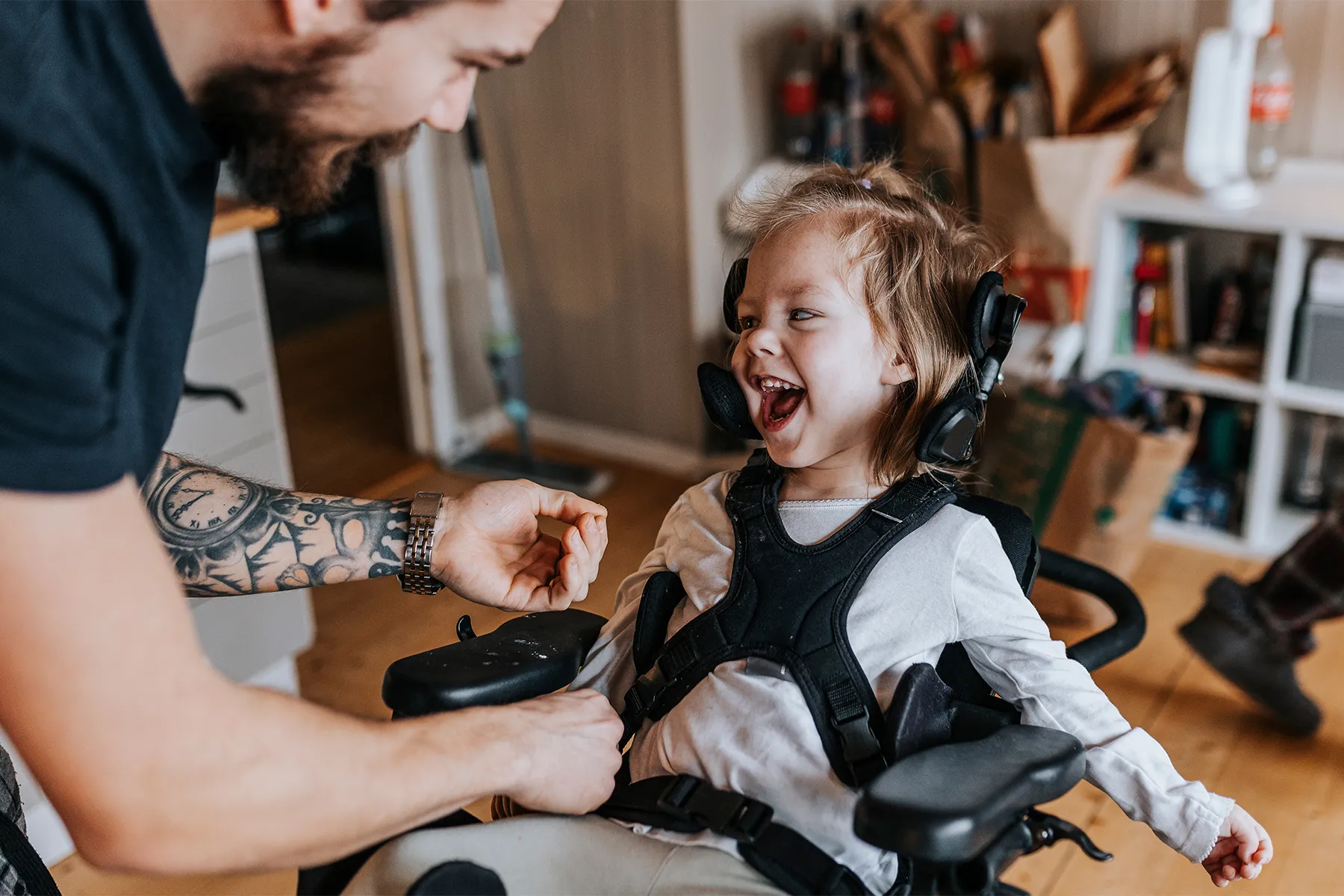
Batten disease is one of those medical terms that sounds simple until you open the door and realize it leads to a whole hallway of genetics, neurology, vision changes, seizures, family planning, and rare-disease care. In plain English, Batten disease is a group of rare inherited nervous system disorders, also called neuronal ceroid lipofuscinoses or NCLs. These conditions cause harmful waste-like materials to build up inside cells, especially nerve cells, which gradually damages the brain, eyes, and body.
That is the science. The human version is even more important: a child may seem to be developing normally, then begin having vision problems, seizures, learning difficulties, clumsiness, speech changes, or loss of skills they already had. For families, it can feel as if someone moved the furniture in the dark and forgot to leave a map.
This guide explains Batten disease symptoms, diagnosis, and treatment in a clear, practical way. It is written for parents, caregivers, students, and anyone trying to understand a rare disease without needing a medical dictionary the size of a Thanksgiving turkey.
What Is Batten Disease?
Batten disease is not one single disease. It is a family of genetic disorders that affect how cells recycle and remove waste. The more technical name, neuronal ceroid lipofuscinosis, refers to the buildup of fatty, protein-like storage material inside cells. Over time, this buildup damages neurons, which are the nerve cells responsible for movement, vision, thinking, communication, and many other functions.
Most forms of Batten disease begin in infancy, childhood, or adolescence, although adult-onset forms can occur. The condition is progressive, meaning symptoms usually worsen over time. The age when symptoms begin, the speed of progression, and the exact symptoms depend on the specific gene involved.
Doctors often describe Batten disease by gene subtype, such as CLN1, CLN2, CLN3, CLN5, CLN6, CLN7, CLN8, and others. For example, CLN3 disease is often associated with juvenile Batten disease, while CLN2 disease is a late-infantile form that may begin with seizures, language delay, and movement problems.
What Causes Batten Disease?
Batten disease is caused by changes, or variants, in genes that help cells maintain normal waste-processing systems. Many forms are inherited in an autosomal recessive pattern. That means a child usually receives one changed gene copy from each parent. The parents typically do not have symptoms because they each carry only one changed copy.
This is why Batten disease can appear suddenly in a family with no known history. Genetics can be sneaky like that; it does not always send a calendar invite before showing up.
The affected gene influences the type of Batten disease, the age of onset, and the expected course. Because of this, genetic testing is now central to diagnosis. Knowing the exact subtype can help doctors understand prognosis, recommend care, connect families with specialists, and determine whether a disease-specific treatment or clinical trial may be relevant.
Common Symptoms of Batten Disease
The symptoms of Batten disease vary by subtype, but several warning signs appear often across different forms. In many children, early development may seem typical before symptoms begin. Then changes may appear gradually, or sometimes suddenly enough to alarm parents, teachers, or pediatricians.
1. Progressive Vision Loss
Vision problems are one of the most common early signs, especially in juvenile forms such as CLN3 disease. A child may begin bumping into objects, sitting closer to screens, struggling to read, missing steps, or appearing less confident in dim lighting. Eye exams may show retinal degeneration, optic nerve changes, or other signs that the eyes and brain are not processing vision normally.
Because vision loss may be the first obvious symptom, some families begin their journey with an eye doctor rather than a neurologist. This can make diagnosis confusing at first, especially when a child seems otherwise healthy.
2. Seizures
Seizures are another major symptom. They may include staring spells, jerking movements, sudden falls, muscle stiffening, or episodes that look like unusual daydreaming. In some forms, seizures become more frequent or harder to control over time.
Not every seizure looks dramatic. Some are subtle enough to be mistaken for distraction, fatigue, or “just being a kid.” That is why repeated unusual episodes should always be discussed with a healthcare provider.
3. Developmental Regression
Developmental regression means a child loses skills they had already gained. A child who once spoke in sentences may struggle to find words. A child who walked steadily may become clumsy or need support. Schoolwork may become harder, and once-familiar tasks may suddenly feel impossible.
This symptom is especially heartbreaking because it is not simply delayed development; it is a step backward. Families often notice the change before anyone else does. Parents are not “overreacting” when they say, “Something is different.” Sometimes that observation is the first breadcrumb leading to the right diagnosis.
4. Movement and Coordination Problems
Batten disease can affect balance, coordination, muscle tone, walking, and fine motor skills. A child may trip often, have shaky movements, develop stiffness, or lose the ability to walk independently. Some children develop ataxia, which means poor coordination, or myoclonus, which causes sudden muscle jerks.
Over time, mobility support may be needed. Physical therapy, occupational therapy, braces, walkers, wheelchairs, and home modifications can help maintain safety and independence for as long as possible.
5. Cognitive and Behavioral Changes
Children with Batten disease may experience learning difficulties, memory problems, attention issues, anxiety, irritability, sleep problems, or changes in personality. Some may become frustrated because they understand that certain tasks used to be easier. Others may have trouble communicating what they feel.
Behavioral symptoms should not be dismissed as “bad behavior.” In many cases, they are part of the neurological disease process, mixed with the emotional strain of losing abilities. Compassion, structure, and professional support matter.
6. Speech, Swallowing, and Feeding Difficulties
As Batten disease progresses, speech may become slower, less clear, or more limited. Swallowing problems can also occur, raising the risk of choking, poor nutrition, or aspiration. Speech-language pathologists can help with communication strategies, swallowing evaluations, and feeding safety.
Some families eventually use communication devices, picture boards, adaptive utensils, or feeding tubes. These tools are not signs of giving up. They are signs of adapting wisely.
How Is Batten Disease Diagnosed?
Because Batten disease is rare, diagnosis can take time. Symptoms may look like epilepsy, autism, learning disability, retinal disease, metabolic disorders, or other neurological conditions. A careful diagnosis usually involves several steps.
Medical History and Neurological Exam
The doctor will ask about symptoms, developmental history, seizure-like episodes, vision changes, family history, and any loss of skills. A neurological exam may assess reflexes, movement, balance, coordination, muscle tone, and cognitive function.
Eye Examination
An ophthalmologist may check the retina and optic nerve. Since vision loss can be an early sign, eye findings may point doctors toward a neurological or genetic cause.
Genetic Testing
Genetic testing is now one of the most important tools for confirming Batten disease. A blood or saliva sample may be analyzed for variants in CLN-related genes. Results can identify the exact subtype, guide treatment decisions, and help parents understand recurrence risk in future pregnancies.
Enzyme Testing
Some forms of Batten disease involve missing or low enzyme activity. For example, CLN2 disease is linked to deficiency of the TPP1 enzyme. Enzyme assays may help confirm certain subtypes and may be used alongside genetic testing.
EEG, MRI, and Other Tests
An electroencephalogram, or EEG, may be used to evaluate seizures. Brain MRI can show changes such as brain atrophy in some patients. Additional tests may be ordered depending on symptoms and the suspected subtype.
Treatment for Batten Disease
There is currently no universal cure for Batten disease. Treatment depends on the subtype and focuses on slowing disease progression when possible, controlling symptoms, protecting quality of life, and supporting the whole family.
CLN2-Specific Treatment: Cerliponase Alfa
The most important disease-specific treatment currently available is cerliponase alfa, sold under the brand name Brineura. It is an enzyme replacement therapy for CLN2 disease, designed to replace deficient TPP1 enzyme activity. It is delivered directly into the fluid around the brain through a surgically implanted device.
This treatment does not cure Batten disease, but it can slow loss of motor and language function in CLN2 disease. Eligibility, timing, risks, and benefits must be discussed with a specialist experienced in CLN2 care.
Seizure Management
Anti-seizure medications are commonly used to reduce seizure frequency and severity. The best medication plan depends on seizure type, age, side effects, and other symptoms. Families may also need a seizure action plan for school, travel, emergencies, and nighttime safety.
Therapies That Support Daily Function
Supportive therapies can make a major difference. Physical therapy may help with strength, stretching, posture, and mobility. Occupational therapy can support daily activities such as dressing, eating, writing, bathing, and safe movement around the home. Speech therapy can help with communication and swallowing.
These therapies may not stop the disease, but they can help a child participate more comfortably in daily life. In rare-disease care, comfort and participation are not small victories. They are the good stuff.
Vision Support
Low-vision services, orientation and mobility training, classroom accommodations, audiobooks, tactile learning tools, screen readers, and high-contrast materials may help children with progressive vision loss. Early planning gives families and schools more time to adjust.
Nutrition, Sleep, and Respiratory Care
As symptoms progress, children may need help with feeding, hydration, constipation, reflux, sleep disturbance, breathing issues, or aspiration risk. Dietitians, pulmonologists, gastroenterologists, and palliative care teams may become part of the care circle.
Emotional and Family Support
Batten disease affects the entire household. Parents may become care coordinators, medication managers, insurance warriors, school advocates, and professional worriers all before breakfast. Counseling, respite care, support groups, rare-disease organizations, and social workers can help families carry the load.
Can Batten Disease Be Prevented?
Batten disease itself cannot usually be prevented once a child has inherited the gene changes that cause it. However, families with a known Batten disease variant can speak with a genetic counselor about carrier testing, prenatal testing, and reproductive options.
Genetic counseling is not about blame. It is about information. Parents do not cause Batten disease by anything they did or did not do. Genes are inherited, not earned.
What Is the Outlook?
The outlook depends on the subtype, age at onset, severity, and available treatment. Many childhood forms are life-limiting and progressive. Some forms move quickly, while others progress over many years. Earlier diagnosis can improve care planning, allow earlier symptom management, and, in CLN2 disease, may help families access disease-specific therapy sooner.
Research is active and includes gene therapy, enzyme replacement strategies, small molecules, newborn screening discussions, natural history studies, and better supportive care. While families need honest information, they also deserve hope that is realistic, not wrapped in glitter and vague promises.
When Should Parents Seek Medical Help?
Parents should talk with a healthcare provider if a child develops unexplained seizures, progressive vision loss, repeated developmental regression, worsening coordination, speech decline, unusual behavior changes, or a combination of neurological symptoms. A referral to a pediatric neurologist, geneticist, ophthalmologist, or metabolic specialist may be appropriate.
One symptom alone may have many explanations. But symptoms that stack together like suspicious puzzle pieces deserve a closer look.
Living With Batten Disease: Practical Family Experience
Families dealing with Batten disease often describe the diagnosis as a before-and-after moment. Before diagnosis, they may spend months or years collecting clues: a child who suddenly cannot see the board at school, seizures that seem to come from nowhere, speech that becomes less clear, or a once-confident walker who begins to stumble. After diagnosis, the challenge changes. The family finally has a name for the enemy, but now they must learn how to live with it.
One practical lesson many caregivers learn quickly is that organization becomes medicine’s unofficial sidekick. Keeping a binder or digital folder with genetic results, medication lists, seizure logs, MRI reports, therapy notes, school documents, and emergency plans can save enormous stress. When a new specialist asks, “Do you happen to have that report?” the prepared parent can produce it faster than a magician pulls a rabbit from a hat.
Another experience families share is the importance of building a care team early. Batten disease rarely fits into one medical lane. A child may need a neurologist for seizures, an ophthalmologist for vision loss, a genetic counselor for inheritance questions, a physical therapist for mobility, an occupational therapist for daily skills, a speech-language pathologist for communication and swallowing, and a school team for learning support. The calendar may start looking like a color-coded air traffic control screen, but coordinated care can reduce surprises.
School planning is another major part of daily life. Children with Batten disease may need individualized education plans, low-vision tools, mobility support, extra transition time, seizure protocols, adaptive technology, and emotional support. Teachers and classmates often want to help but need clear guidance. Simple explanations can reduce fear: “Her eyes and brain are having trouble working together,” or “He may need extra time because his muscles and balance are affected.”
At home, families often learn to adjust the environment before accidents happen. Removing tripping hazards, adding railings, improving lighting, using labels with texture, creating predictable furniture layouts, and setting up safe sleep routines can make the home easier to navigate. These changes may feel small, but small changes add up. In rare-disease care, a grab bar can be a love letter.
Caregivers also discover that emotional support is not optional. Parents may grieve while still doing medications, making dinner, answering emails, and pretending they know where the insurance paperwork went. Siblings may feel confused, protective, jealous, scared, or left out. Family counseling, sibling support groups, respite care, and rare-disease communities can help everyone breathe a little easier.
Finally, many families learn to measure progress differently. A good day may mean fewer seizures, a comfortable meal, a laugh during therapy, a successful school event, or a peaceful night of sleep. Batten disease may change the timeline, but it does not erase the child. The child is still a child, not a diagnosis with sneakers. Joy, routine, humor, music, touch, stories, and connection remain part of care.
Conclusion
Batten disease is a rare, inherited group of neurodegenerative disorders that can cause seizures, vision loss, movement problems, cognitive decline, speech changes, and developmental regression. Diagnosis often requires genetic testing, enzyme testing, neurological evaluation, and eye examination. While there is no broad cure, CLN2 disease has an approved enzyme replacement therapy, and supportive care can improve comfort, safety, communication, mobility, and quality of life.
For families, early recognition matters. If a child has unexplained seizures, progressive vision loss, or loss of previously learned skills, medical evaluation should not wait. Batten disease is complex, but families do not have to navigate it alone. With specialized care, practical planning, and emotional support, the road can become less lonely, even when it remains difficult.












