
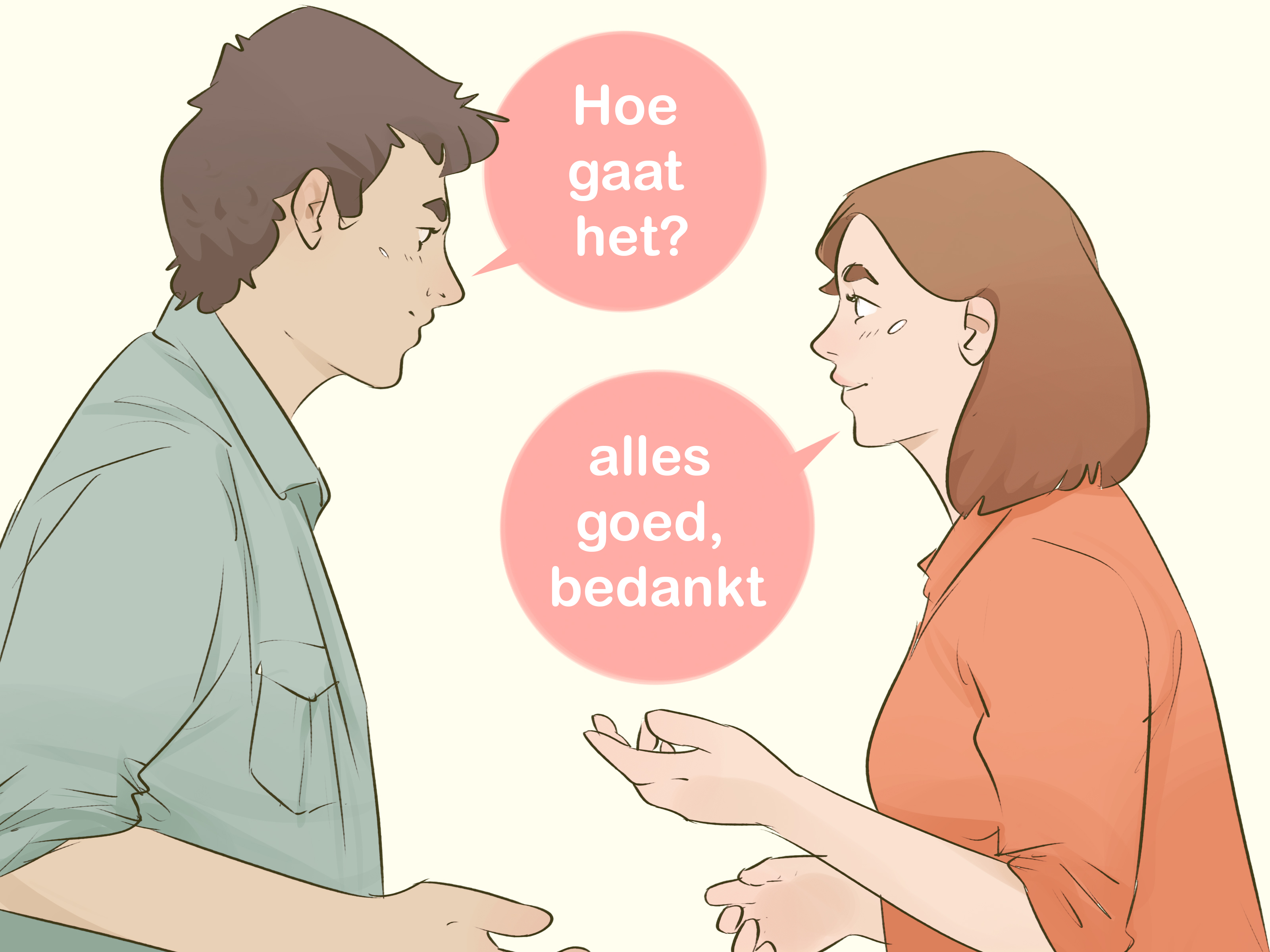
Learning how to speak basic Dutch is a little like learning to ride a bicycle in Amsterdam: exciting, practical, slightly wobbly at first, and much easier once you stop panicking about every tiny turn. Dutch may look familiar to English speakers because both languages are Germanic cousins, but it has its own rhythm, sounds, word order, and wonderfully direct personality. The good news? You do not need to speak like a news anchor from Rotterdam to start having useful conversations.
Basic Dutch is about survival, connection, and confidence. It means knowing how to greet someone, introduce yourself, order a coffee, ask where the train station is, say thank you, and politely admit that your Dutch is still wearing training wheels. At the beginner level, your goal is not perfection. Your goal is communication. If someone understands you and smiles instead of switching immediately to English, congratulationsyou have officially entered the Dutch-speaking zone.
This guide walks you through pronunciation, greetings, essential vocabulary, simple grammar, useful phrases, and real-life practice strategies. By the end, you will know how to build your first Dutch sentences and how to use them without feeling as if you are trying to pronounce a bicycle chain.
Why Learn Basic Dutch First?
Many learners make the mistake of trying to learn “all of Dutch” at once. That is like trying to eat an entire wheel of Gouda in one sitting. Admirable? Maybe. Comfortable? Absolutely not. Basic Dutch gives you a manageable foundation. Instead of memorizing rare words, you focus on phrases and patterns you can use right away.
Beginner Dutch usually centers on everyday communication: saying hello, asking simple questions, giving short answers, understanding signs, counting, shopping, ordering food, and talking about yourself. These are the building blocks of A1-level Dutch, the first stage of language ability. At this level, you should be able to use familiar expressions and basic phrases in simple, routine situations.
Start with Dutch Pronunciation
Before you memorize long vocabulary lists, spend time listening to the sound of Dutch. Dutch pronunciation can feel unusual at first because it includes sounds that English does not use often. The famous Dutch g and ch sounds are made in the throat. They can sound like a gentle scrape, as if your voice is politely clearing its throat before entering a meeting.
Key Dutch Sounds to Practice
The Dutch g in words like goed (“good”) is often pronounced with a throaty sound, especially in the Netherlands. The ij or ei sound, as in mijn (“my”) or trein (“train”), sounds a bit like “eye.” The Dutch ui, found in words like huis (“house”), is trickier and has no perfect English match. Do not try to conquer it in one afternoon. Practice it slowly, listen often, and forgive yourself generously.
Dutch vowels can be short or long, and this matters. For example, vowel length can change the meaning of a word. Dutch spelling often gives clues: double vowels usually signal a longer vowel sound, while double consonants can make the vowel before them shorter. This may sound technical, but with practice your ear starts noticing the pattern naturally.
Pronunciation Practice Tip
Do not just read Dutch words silently. Say them out loud. Your mouth needs training, not just your eyes. Repeat short words like ja (“yes”), nee (“no”), goed (“good”), dank je (“thank you”), and alsjeblieft (“please”). If you feel silly, excellent. That means your brain is doing new language gymnastics.
Learn the Most Common Dutch Greetings
Greetings are the front door of every conversation. In Dutch, you can keep things simple with a few flexible words.
Basic Dutch Greetings
- Hallo Hello
- Hoi Hi
- Goedemorgen Good morning
- Goedemiddag Good afternoon
- Goedenavond Good evening
- Dag Hello or goodbye
- Doei Bye
- Tot ziens See you
Hallo works in many situations. Hoi is casual and friendly. Goedemorgen, goedemiddag, and goedenavond sound more polite and are useful in shops, hotels, offices, and other situations where you want to look like a civilized human being rather than a confused tourist holding a map upside down.
Introduce Yourself in Dutch
Once you can say hello, the next step is introducing yourself. Keep it short. You do not need your entire biography, your childhood dreams, and your complicated relationship with strong coffee. Start with the essentials.
Useful Introduction Phrases
- Ik heet Anna. My name is Anna.
- Mijn naam is David. My name is David.
- Ik kom uit Amerika. I come from America.
- Ik woon in New York. I live in New York.
- Ik leer Nederlands. I am learning Dutch.
- Ik spreek een beetje Nederlands. I speak a little Dutch.
The sentence Ik spreek een beetje Nederlands is one of the most useful beginner phrases you can learn. It sets expectations kindly. It tells people, “I am trying, please do not unleash a full-speed weather report on me just yet.”
Understand Formal and Informal “You”
Dutch has two common ways to say “you”: je or jij for informal situations, and u for formal or polite situations. Use je with friends, classmates, people your age, and casual settings. Use u when speaking to someone older, a customer, a teacher, or someone you want to address respectfully.
For example, Hoe gaat het met je? means “How are you?” in an informal way. Hoe gaat het met u? means the same thing but sounds more formal. If you are unsure, u is usually safer. Nobody will be offended because you were too polite. That is not normally how social disasters begin.
Build Simple Dutch Sentences
Basic Dutch sentence structure often looks familiar to English speakers. A simple main sentence usually follows a subject-verb pattern. For example:
- Ik drink koffie. I drink coffee.
- Jij spreekt Engels. You speak English.
- Wij leren Nederlands. We are learning Dutch.
However, Dutch also uses a “verb second” pattern in main clauses. This means the conjugated verb usually wants to sit in the second position of the sentence. It is very Dutch: orderly, firm, and not interested in your excuses.
Look at this example:
- Vandaag leer ik Nederlands. Today I am learning Dutch.
In English, we say “Today I am learning Dutch.” In Dutch, when vandaag (“today”) comes first, the verb leer moves into the second position, and the subject ik comes after it. This is called inversion. You do not need to master every detail immediately, but noticing the pattern will help you sound more natural.
Memorize Essential Dutch Words
Vocabulary becomes easier when you learn words by category. Instead of memorizing random words like apple, government, pillow, suspiciously tiny spoon, start with words you actually use.
Everyday Dutch Words
- ja yes
- nee no
- misschien maybe
- goed good
- slecht bad
- water water
- koffie coffee
- thee tea
- brood bread
- kaas cheese
Yes, kaas means cheese. This is not just vocabulary; this is cultural preparation. In the Netherlands, cheese is not a snack. It is practically a national conversation partner.
Use Polite Dutch Phrases
Politeness phrases make your Dutch instantly more useful. You can survive many situations with a smile, a few polite words, and the courage to point at a menu item when pronunciation fails dramatically.
Must-Know Polite Expressions
- Dank je. Thank you.
- Dank u. Thank you, formal.
- Bedankt. Thanks.
- Alsjeblieft. Please, informal.
- Alstublieft. Please, formal.
- Sorry. Sorry.
- Geen probleem. No problem.
- Pardon. Excuse me.
Notice that Dutch has formal and informal versions of “please.” Alsjeblieft goes with informal je, while alstublieft goes with formal u. If that feels like a lot, remember this simple rule: when in doubt with strangers, use the formal version.
Ask Basic Questions in Dutch
Questions are powerful because they turn vocabulary into conversation. Even if you only understand half the answer, you have started interacting in Dutch. That is progress.
Useful Dutch Questions
- Hoe gaat het? How are you?
- Wat is je naam? What is your name?
- Spreek je Engels? Do you speak English?
- Waar is het station? Where is the station?
- Hoeveel kost dit? How much does this cost?
- Mag ik betalen? May I pay?
- Kunt u dat herhalen? Can you repeat that?
The phrase Kunt u dat herhalen? is beginner gold. It lets you slow down the conversation without switching languages immediately. You can also say Langzamer, alstublieft, meaning “Slower, please.” This phrase is useful when someone’s Dutch comes flying at you like a high-speed train with excellent punctuality.
Practice Dutch Numbers
Numbers are essential for prices, addresses, time, phone numbers, and ordering food. Start with zero to ten, then build upward.
- nul zero
- een one
- twee two
- drie three
- vier four
- vijf five
- zes six
- zeven seven
- acht eight
- negen nine
- tien ten
Dutch numbers above twenty may feel backward to English speakers. For example, twenty-one is eenentwintig, literally “one-and-twenty.” Once you understand the pattern, it becomes easier. Until then, consider it a small mental puzzle included free with your language learning.
Speak in Short, Useful Sentences
Beginners often wait too long to speak because they want perfect grammar first. This is understandable, but it slows progress. You can start speaking Dutch with short, imperfect sentences. Native speakers usually understand more than you think, especially when your words are connected to a clear situation.
Beginner Sentence Patterns
- Ik wil… I want…
- Ik heb… I have…
- Ik ben… I am…
- Ik ga… I am going…
- Ik zoek… I am looking for…
With these patterns, you can create many practical sentences:
- Ik wil water. I want water.
- Ik heb een vraag. I have a question.
- Ik ben moe. I am tired.
- Ik ga naar Amsterdam. I am going to Amsterdam.
- Ik zoek het museum. I am looking for the museum.
This is how real speaking starts: not with fancy speeches, but with small sentences that do useful work.
Learn Dutch Through Situations
The fastest way to make basic Dutch useful is to connect it to real situations. Create mini-scenes in your head: entering a café, buying a train ticket, meeting a neighbor, asking for directions, or checking into a hotel. Then learn the phrases for that situation.
At a Café
- Een koffie, alstublieft. A coffee, please.
- Heeft u thee? Do you have tea?
- Mag ik de rekening? May I have the bill?
Asking for Directions
- Waar is de wc? Where is the restroom?
- Waar is het hotel? Where is the hotel?
- Is het ver? Is it far?
Shopping
- Hoeveel kost dit? How much does this cost?
- Ik kijk alleen. I am just looking.
- Ik neem deze. I will take this one.
Situation-based learning keeps Dutch practical. You are not collecting words like rare stamps. You are building a toolkit.
How to Practice Speaking Basic Dutch Every Day
Daily practice does not need to take hours. Ten focused minutes can beat one dramatic three-hour study session followed by two weeks of “I forgot.” Keep your practice simple and repeatable.
A Simple Daily Dutch Routine
Start by listening to Dutch for two minutes. Use beginner audio, slow dialogues, or short videos. Then repeat five phrases out loud. After that, write three simple sentences about your day, such as Ik drink koffie, Ik werk vandaag, or Ik ben thuis. Finally, say one sentence without looking.
This small routine trains listening, pronunciation, grammar, and memory. More importantly, it turns Dutch into a habit. Language learning rewards consistency more than heroic suffering.
Common Mistakes Beginners Make
The first common mistake is translating word for word from English. Sometimes it works; often it creates sentences that sound like English wearing Dutch shoes. Learn phrases as chunks whenever possible.
The second mistake is avoiding pronunciation practice. Dutch pronunciation improves through repetition, not silent admiration. Read aloud, imitate native speakers, and record yourself occasionally. You may not love hearing your own voice, but your future Dutch-speaking self will thank you.
The third mistake is waiting to speak. You do not need hundreds of words to begin. Use what you know today. A tiny conversation is better than a perfect conversation that never happens.
Experience Notes: What Speaking Basic Dutch Feels Like in Real Life
Speaking basic Dutch in real life is a different experience from studying it at a desk. On paper, goedemorgen looks harmless. In the wild, with a real person waiting for your sentence, it suddenly feels like a stage performance. That nervous feeling is normal. The trick is to use Dutch before you feel fully ready, because readiness usually arrives after practice, not before it.
One helpful experience is starting with low-pressure interactions. A café order is perfect. You can say Een koffie, alstublieft, smile, and survive the entire exchange with dignity. If the person replies in Dutch and you do not catch everything, you can say Sorry, ik spreek een beetje Nederlands. Most people will understand. Some may switch to English. That is not failure. It is just a normal part of being a beginner in a country where many people speak excellent English.
Another useful experience is repeating the same conversation many times. For example, if you are visiting the Netherlands, use Dutch every time you enter a shop. Say hallo, dank u, and tot ziens. These phrases may seem tiny, but repetition builds confidence. After a while, your brain stops treating Dutch as a special emergency event and starts treating it as a normal tool.
It also helps to prepare “rescue phrases.” These are sentences that protect you when the conversation becomes too fast. Learn Kunt u dat herhalen?, Langzamer, alstublieft, and Wat betekent dat? meaning “What does that mean?” These phrases give you control. They let you stay in Dutch longer instead of escaping immediately into English.
Expect funny moments. You may pronounce a word strangely. You may confuse ui and ei. You may proudly say a sentence and receive an answer so fast it sounds like someone dropped marbles into a washing machine. Laugh and continue. Humor is useful because it keeps embarrassment from becoming a wall.
The biggest lesson from real practice is that basic Dutch does not have to be impressive to be meaningful. A simple dank je wel can make an interaction warmer. A short introduction can open a conversation. A carefully spoken question can help you find your train, your hotel, or the restroom, which, depending on the moment, may become the most important language skill in the universe.
Over time, the phrases become automatic. You stop translating every word and start recognizing patterns. You notice that Dutch is direct but friendly, structured but flexible, challenging but not impossible. The best experience is the moment you understand a sentence without mentally wrestling it into English first. It may be a small sentence, but it feels enormous. That is when basic Dutch stops being a school subject and becomes a real voice you can use.
Conclusion
Learning how to speak basic Dutch starts with small, practical steps: pronunciation, greetings, polite phrases, simple sentence patterns, and daily speaking practice. Do not wait until you feel fluent. Start with hallo, add ik spreek een beetje Nederlands, and keep building from there. Dutch may have throaty sounds, surprising word order, and numbers that occasionally seem to walk backward, but it is also logical, useful, and surprisingly fun once you get moving.
The key is consistency. Practice a little every day, speak out loud, learn phrases in real situations, and allow yourself to make beginner mistakes. Every awkward sentence is part of the process. Even the Dutch g sound was probably once afraid of itself.











