
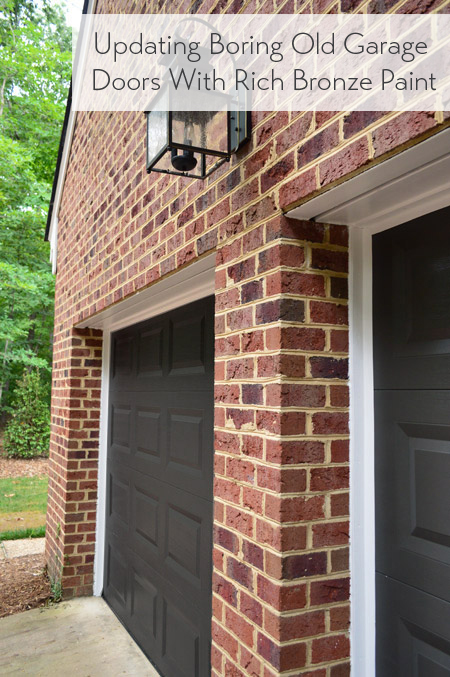
Painting our garage doors Urbane Bronze sounded simple at first: buy paint, grab a brush, act confident, and hope the neighbors assume we know what we are doing. But the moment a garage door takes up one-third of the front of your house, the stakes become very real. A tiny paint chip looks charming. A full-size garage door in the wrong color can look like a giant chocolate bar, a haunted warehouse entrance, or a design decision made during a power outage.
Thankfully, Sherwin-Williams Urbane Bronze SW 7048 is not “just dark brown” and it is not quite black. It is a deep, warm brown-gray with an earthy, sophisticated personality. On garage doors, it can make a home feel more grounded, modern, and intentional without shouting, “Look at the garage!” from across the street. Used correctly, Urbane Bronze adds curb appeal, contrast, and a little dramathe tasteful kind, not the “forgot to tape the trim” kind.
This guide walks through why Urbane Bronze works so well on garage doors, how to prepare the surface, what paint and finish to choose, common mistakes to avoid, and what the project feels like in real life once the ladder, roller, and mild panic are involved.
Why Choose Urbane Bronze for Garage Doors?
Urbane Bronze is one of those rare exterior paint colors that feels bold and neutral at the same time. It has enough depth to modernize a plain garage door, but its warm undertone keeps it from feeling cold or severe. That matters because garage doors are large. A color that looks elegant on a tiny swatch can look surprisingly bossy when it covers two or three full bays.
With Urbane Bronze, the effect is usually more “custom exterior upgrade” than “we accidentally painted the garage door black at midnight.” It works especially well with white trim, warm off-white siding, natural stone, red or brown brick, taupe stucco, cedar accents, black lighting, and bronze hardware. If your home already has warm materialswood, brick, aged brass, stone, creamy trimUrbane Bronze can pull them together like the responsible adult in the color palette.
Urbane Bronze vs. Black Garage Doors
Black garage doors can look sleek, but they can also feel harsh, show dust quickly, and absorb more heat. Urbane Bronze gives a similar modern contrast while staying softer and more organic. It reads dark from the street, but up close you can see its brown-gray warmth. That makes it especially useful for homeowners who want a dramatic update without creating a garage door that looks like a black hole with hinges.
Urbane Bronze vs. Gray Garage Doors
Gray garage doors have been popular for years, but cool gray can sometimes look flat, especially on homes with warm brick or beige siding. Urbane Bronze is more complex. It has the neutrality of gray with the warmth of brown, which helps it play nicely with both traditional and modern exteriors. If plain gray feels too safe and black feels too intense, Urbane Bronze lands right in the sweet spot.
Before Painting: Check the Door Material First
Before opening a paint can, identify what kind of garage door you have. Most residential garage doors are steel, aluminum, wood, fiberglass, vinyl, or composite. Each surface has different prep needs, and some manufacturer warranties have rules about painting dark colors. This is especially important because Urbane Bronze has a low light reflectance value, meaning it absorbs more light and heat than pale colors.
For steel and aluminum doors, a high-quality exterior acrylic latex paint is commonly recommended. For wood doors, primer and full sealing are critical because wood expands, contracts, and drinks moisture like it has been waiting all week. For vinyl or composite doors, dark colors can sometimes cause warping or heat-related problems, so always check the garage door manufacturer’s painting instructions before choosing a deep color.
If your house was built before 1978 and the existing paint may be old, be careful with sanding or scraping. Older coatings may contain lead-based paint, and disturbing them can create dangerous dust. In that case, test first and follow lead-safe practices or hire a certified professional.
Best Paint Finish for Urbane Bronze Garage Doors
For most garage doors, satin or semi-gloss exterior paint is the practical choice. Satin offers a smooth, modern look and hides minor surface flaws better than high gloss. Semi-gloss adds more shine and is easier to wipe clean, but it can highlight dents, roller marks, and texture. Flat paint is usually not ideal for garage doors because it tends to collect dirt and can be harder to clean.
Because Urbane Bronze is dark, sheen matters. Too much shine can make the door look overly reflective in bright sun. Too little sheen can make the color appear dull or dusty. Satin is often the safest middle ground: refined, washable, and not too flashy.
Supplies You Will Need
A clean project starts with the right supplies. You do not need a professional paint trailer parked in the driveway, but you do need more than one tired brush you found in the garage next to holiday decorations.
- Exterior cleaner or mild detergent
- Bucket, sponge, scrub brush, and hose
- Painter’s tape and drop cloths
- Medium-grit sanding sponge or sandpaper
- Exterior primer suitable for your garage door material
- High-quality exterior acrylic latex paint in Urbane Bronze
- Angled brush for trim, grooves, and edges
- Roller frame with a small or medium nap roller cover
- Paint tray or bucket grid
- Clean rags and a ladder or step stool
How to Paint Garage Doors Urbane Bronze
Step 1: Test the Color First
Never judge Urbane Bronze from a phone screen. Paint a sample directly on the garage door or on a large board and look at it in morning, afternoon, and evening light. Dark colors shift throughout the day. Urbane Bronze may look warmer in golden sunlight, cooler in shade, and nearly charcoal at dusk.
Also stand across the street and look at the sample from the curb. Garage door colors are not chosen from six inches away while holding coffee. They are chosen from the real-world viewing distance where neighbors, delivery drivers, and your future self will see them.
Step 2: Choose the Right Weather
Garage doors should be painted in mild weather, ideally when temperatures are comfortable and rain is not in the forecast. Avoid painting in direct hot sun because the paint can dry too quickly, leading to lap marks, brush drag, and uneven sheen. Early morning or late afternoon often works best, depending on which direction your garage faces.
The door should be cool to the touch. If it feels like a frying pan, put the brush down and step away. Paint deserves better, and so does your blood pressure.
Step 3: Disconnect the Opener and Move the Door Manually
Unplug or disconnect the automatic opener before painting. This prevents surprise door movement while you are working. You can manually raise or lower the door to access edges between panels. Painting those hidden seams carefully helps avoid white lines showing when the door opens.
Step 4: Wash the Garage Door Thoroughly
Clean the door with mild detergent and water to remove dust, pollen, spider webs, road grime, and mystery garage residue. Scrub grooves, edges, window trim, and weatherstripping areas. Rinse well and allow the door to dry completely.
Do not skip this step. Paint over dirt and the finish may peel. Paint over cobwebs and congratulations, you have preserved a spider’s former apartment in Urbane Bronze.
Step 5: Sand and Repair Rough Areas
Lightly sand glossy surfaces so primer and paint can grip. Remove loose or peeling paint with a scraper, then feather the edges with sandpaper. Wipe away dust with a damp cloth and let the surface dry again. If the door has rust spots, remove the rust and use the proper primer before painting.
Step 6: Tape and Protect Everything Nearby
Tape off trim, handles, windows, rubber seals, siding, brick, and hardware you do not want painted. Lay drop cloths on the driveway. Dark paint has a special talent for finding the one unprotected surface within twenty feet, so prep generously.
Step 7: Prime the Door
Primer improves adhesion, helps cover the existing color, and gives the topcoat a more even finish. This is especially useful if your garage door is currently white, beige, red, or glossy. Use a primer that matches the door material and is compatible with your exterior paint.
Let the primer dry according to the manufacturer’s directions. Rushing dry time is one of those decisions that feels efficient until the second coat starts behaving like melted pudding.
Step 8: Paint Grooves and Edges First
Use an angled brush to paint recessed panels, grooves, edges, and around windows. Work from top to bottom. Keep the coat thin and even. If the door has raised panels, paint the recessed details before rolling the flat sections.
Step 9: Roll the Flat Areas
Use a roller for the larger flat sections. Maintain a wet edge so the finish blends smoothly. Do not overload the roller; heavy coats can sag, especially on vertical surfaces. Two thin coats will usually look cleaner and last longer than one thick coat applied with heroic optimism.
Step 10: Apply a Second Coat
Once the first coat is dry, inspect the surface in natural light. Urbane Bronze is dark, but coverage can still look uneven if the base color is light. Apply a second thin coat for depth, durability, and a richer finish. Check panel edges before the paint fully cures so the door does not stick shut at the seams.
Color Pairing Ideas for Urbane Bronze Garage Doors
Urbane Bronze is flexible, but it looks best when it is part of a thoughtful exterior palette. With white or cream trim, it creates crisp contrast. With warm brick, it brings out earthy undertones. With cedar beams or wood shutters, it feels natural and architectural. With black lanterns or bronze house numbers, it adds cohesion without making every detail match too perfectly.
For a classic look, pair Urbane Bronze garage doors with creamy white trim and warm beige or greige siding. For a modern farmhouse exterior, combine it with white siding, black lighting, and natural wood accents. For brick homes, sample first, because brick undertones vary widely. Urbane Bronze usually plays well with red-brown, taupe, charcoal, and earthy brick, but it may clash with very orange brick if the rest of the palette is too cool.
Common Mistakes to Avoid
Skipping the Sample
Urbane Bronze looks different in shade, sun, and reflected light. A sample prevents expensive regret.
Painting a Hot Door
Direct sun can cause paint to dry too fast, creating lap marks and uneven texture.
Using Interior Paint
Garage doors need exterior paint that can handle UV exposure, moisture, temperature swings, and dirt.
Ignoring the Warranty
Some garage door manufacturers limit dark paint colors, especially on certain materials. Check before painting.
Applying Paint Too Thick
Thick paint can sag, peel, or clog seams. Thin, even coats are more durable.
Maintenance After Painting
Once the garage doors are painted Urbane Bronze, maintenance is simple. Wash the doors gently a few times a year with mild soap and water. Avoid harsh abrasive cleaners. Touch up chips quickly so moisture does not sneak under the finish. Keep sprinklers from hitting the door regularly, and watch for fading on doors that receive strong afternoon sun.
Dark colors naturally show dust, pollen, and water spots more than mid-tone colors, but Urbane Bronze is more forgiving than pure black. Its brown-gray depth helps disguise everyday grime, which is excellent news for people who enjoy curb appeal but do not dream of washing garage doors every Saturday.
Our Experience Painting Garage Doors Urbane Bronze
The biggest surprise about painting our garage doors Urbane Bronze was how quickly the whole front of the house changed. Before painting, the garage doors felt like background noise: large, pale, and a little too noticeable for something that was supposed to blend in. Once the first coat of Urbane Bronze went on, the doors immediately looked more intentional. Even before the second coat, the house had more contrast and structure.
The prep took longer than the painting. That is not glamorous, but it is true. Washing the doors revealed dirt hiding in every groove, corner, and panel seam. The bottom edges were the worst because they had collected dust, lawn clippings, and the kind of outdoor grime that makes you question whether you have ever cleaned anything properly in your life. After scrubbing, rinsing, and letting everything dry, the doors already looked better, which was both satisfying and mildly embarrassing.
Sanding was another important step. The original finish had a slight sheen, so a quick scuff sanding helped the primer grip. It was not difficult, but it was dusty enough to remind us that “quick weekend project” is a phrase invented by people who already own knee pads. Wiping the dust off carefully made a visible difference. The primer went on smoother, and the Urbane Bronze topcoat looked more even.
The color looked intimidating in the can. It appeared deep, serious, and almost too dark. On the door, however, it softened. In full shade, it leaned charcoal. In warm afternoon light, the brown undertone came forward and made the color feel rich rather than stark. That shift is exactly why sampling matters. A small chip would never have told the full story.
We learned to work in sections. Brushing the recessed details first and then rolling the flat areas kept the finish consistent. The first coat looked good from a distance but slightly uneven up close. The second coat was the magic coat. It deepened the color, evened out the sheen, and made the doors look professionally finished. That was also the moment when the project stopped feeling like a risky experiment and started feeling like a smart exterior upgrade.
Another unexpected lesson: hardware and trim matter more after the doors are dark. The white trim looked cleaner against Urbane Bronze, and the exterior lights suddenly felt more noticeable. Even the driveway seemed less visually dominant because the darker garage doors anchored the front elevation. It did not make the house look brand-new, but it made it look cared for, edited, and more modern.
If we were doing it again, we would still choose Urbane Bronze. We would also start earlier in the day, tape more carefully around the weatherstripping, and keep a small artist brush nearby for tiny touch-ups around panel corners. The project was affordable, manageable, and high-impact. It required patience, but not advanced skill. In other words, it is the kind of DIY project that rewards preparation more than bravery.
The final result felt warm, polished, and surprisingly timeless. Urbane Bronze gave the garage doors presence without making them the loudest feature on the house. That balance is the whole reason the color works. It is dramatic, but not dramatic in a “reality show reunion episode” way. It is calm, grounded, and confident. For a garage door, that is a pretty impressive personality.
Conclusion
Painting our garage doors Urbane Bronze is one of the most effective exterior updates for homeowners who want more curb appeal without replacing the doors entirely. The color is dark, warm, and sophisticated, making it a strong choice for modern, traditional, farmhouse, and transitional homes. The secret is not just the color, though. The finish depends on proper cleaning, sanding, priming, weather timing, and thin coats of quality exterior paint.
Urbane Bronze works because it adds contrast while still feeling natural. It pairs beautifully with white trim, brick, stone, wood, and bronze or black accents. Just remember to check your garage door material and manufacturer recommendations before using a dark color, especially in hot climates or on vinyl and composite doors.
Note: This article is intended for general DIY guidance. Always follow the instructions on your specific paint, primer, and garage door manufacturer documentation before starting the project.












