
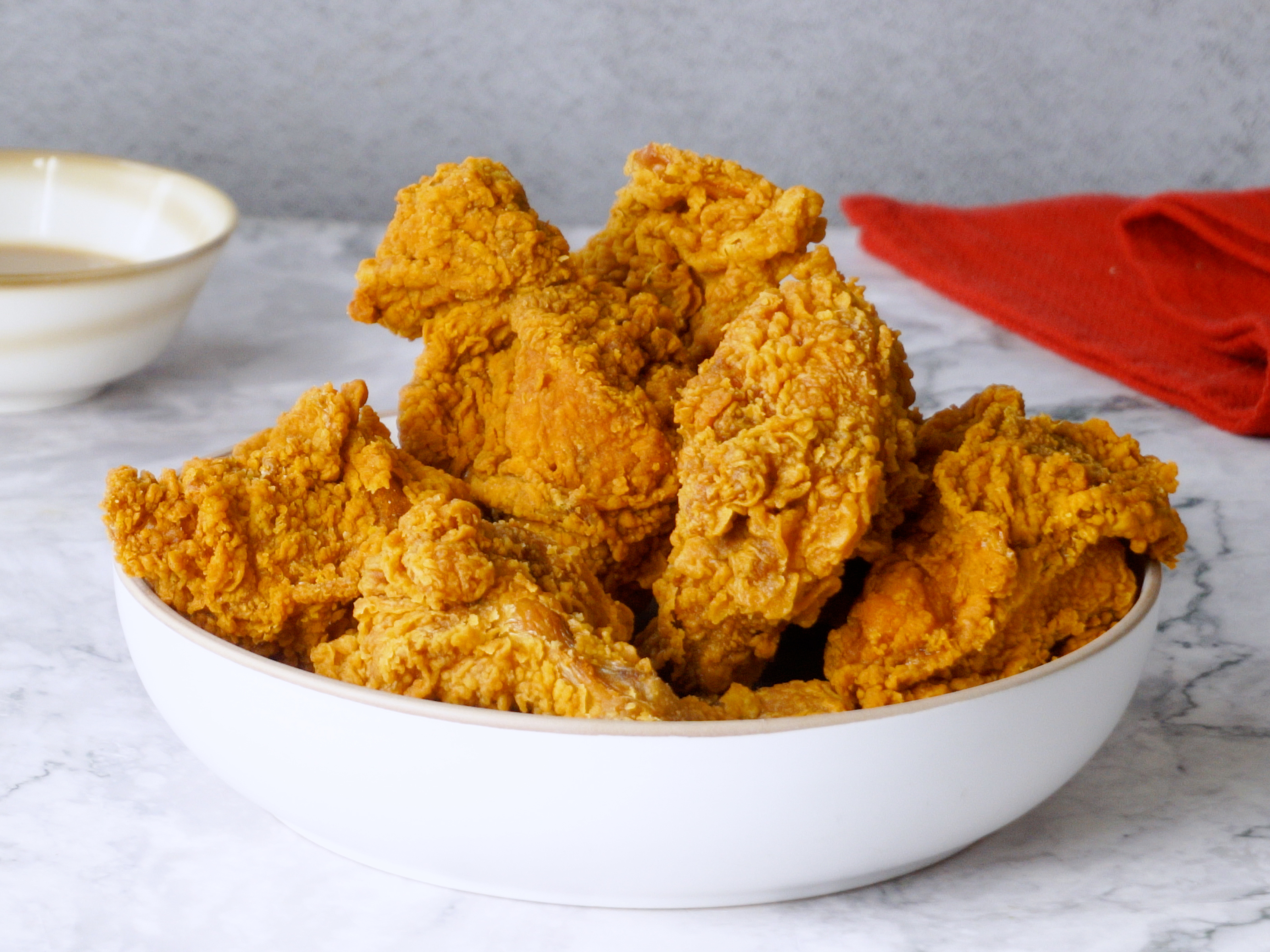
Fried chicken is one of those foods that makes people behave dramatically. One minute, everyone is polite at the dinner table. The next, someone is guarding the last drumstick like it contains national secrets. But the real test of devotion comes the next day, when that beautiful leftover fried chicken is sitting in the fridge, cold, stiff, and full of potential.
The problem is simple: reheating fried chicken badly can turn a crispy masterpiece into a sad, rubbery memory. The crust gets soggy. The meat dries out. The once-glorious seasoning seems to vanish into the atmosphere. And if you simply toss it in the microwave and hope for the best, well, your chicken may technically become warm, but emotionally it will not recover.
The good news is that leftover fried chicken can absolutely taste amazing again. The secret is choosing the right reheating method for your situation. Whether you want the best crunch, the fastest result, or a skillet-style finish that brings back that fresh-from-the-fryer energy, this guide breaks down three reliable ways to reheat fried chicken while keeping the crust crisp and the meat juicy.
Before we get into the methods, here is the golden rule: reheat cooked chicken to an internal temperature of 165°F. A food thermometer is your best friend here. It is less glamorous than a secret family spice blend, but it keeps dinner safe and drama-free.
Why Fried Chicken Is Tricky to Reheat
Fried chicken is not just chicken. It is chicken wearing armor. That crunchy coating is usually made from flour, seasoning, starch, batter, breadcrumbs, or some delicious combination of all of the above. When it is fresh, the crust is crisp because moisture has been driven away from the surface during frying. Inside, the meat stays tender because the coating helps protect it.
Once fried chicken goes into the refrigerator, however, the rules change. Steam and moisture move from the meat into the crust. The coating softens. The chicken fat firms up. The meat becomes cold and dense. That is why reheating fried chicken is really a two-part job: warm the meat all the way through and revive the crust without burning it.
The best reheating methods use dry heat, airflow, and space between the pieces. This is why ovens, air fryers, and careful skillet reheating work better than simply blasting chicken in the microwave. Fried chicken needs breathing room. Treat it like a celebrity at an airport: give it space, keep things moving, and do not crowd it.
Food Safety First: How to Handle Leftover Fried Chicken
Before chasing crunch, make sure the chicken is still safe to eat. Store leftover fried chicken in the refrigerator within two hours of cooking or serving. Keep it in a shallow, covered container so it cools quickly and does not sit too long in the temperature danger zone. For best quality, eat refrigerated leftovers within three to four days.
When reheating, always aim for an internal temperature of 165°F at the thickest part of the chicken. Avoid touching the bone with the thermometer, because bone can give a misleading reading. If the chicken smells sour, looks slimy, has visible mold, or has been forgotten in the back of the fridge since “sometime last week,” do not negotiate with it. Throw it away and protect your stomach from a very avoidable plot twist.
Method 1: Reheat Fried Chicken in the Oven
The oven is the best all-around method for reheating fried chicken, especially if you are warming several pieces at once. It gives the coating time to crisp while the meat heats evenly. If you have a family-size batch, a mix of thighs, breasts, wings, and drumsticks, or fried chicken from a restaurant, the oven is the dependable choice.
Best For
The oven method is ideal for large batches, bone-in pieces, thick chicken breasts, and anyone who wants a crispy crust without standing over the stove. It is slower than the air fryer, but it is more forgiving and better for feeding multiple people.
What You Need
- Leftover fried chicken
- Rimmed baking sheet
- Wire rack
- Food thermometer
- Optional: aluminum foil for easy cleanup
Step-by-Step Instructions
- Take the fried chicken out of the refrigerator and let it rest at room temperature for 15 to 20 minutes. Do not leave it out for hours. You are taking the chill off, not sending it on vacation.
- Preheat the oven to 375°F to 400°F. For very thick pieces, 375°F gives the inside more time to warm. For smaller pieces, 400°F helps restore crunch quickly.
- Place a wire rack on a rimmed baking sheet. This allows hot air to circulate around the chicken instead of trapping steam underneath.
- Arrange the chicken in a single layer. Leave space between pieces so the crust can crisp instead of sweat.
- Reheat for 10 to 20 minutes, depending on the size of the pieces. Wings may need around 8 to 12 minutes, while breasts and thighs may need 15 to 20 minutes.
- Check the internal temperature. The thickest part should reach 165°F.
- Let the chicken rest for two or three minutes before serving. This helps the juices settle and keeps the crust from sliding off at first bite.
Oven Reheating Tips for Extra Crispiness
Use a wire rack whenever possible. If chicken sits directly on a baking sheet, the bottom crust can steam and soften. A rack lifts the chicken so heat reaches all sides. If you do not have a rack, flip the chicken halfway through reheating.
Do not cover the chicken with foil unless the pieces are extremely thick and you are worried about over-browning. Foil traps steam, and steam is the natural enemy of crunchy fried chicken. If you must use foil, cover loosely for the first few minutes, then uncover to crisp the crust.
For extra crunch, turn on the broiler for the last one to two minutes. Watch closely. Fried chicken can go from golden to “we need to open a window” surprisingly fast.
Method 2: Reheat Fried Chicken in the Air Fryer
The air fryer is the speed champion of fried chicken reheating. It uses circulating hot air to crisp the coating while warming the meat quickly. If the oven is the reliable family sedan, the air fryer is the sporty little car that zips through the job and parks before everyone else has found their keys.
Best For
The air fryer is perfect for one to four pieces of fried chicken, especially wings, tenders, drumsticks, and smaller thighs. It is also excellent when you want crunch fast and do not want to heat the whole kitchen.
What You Need
- Leftover fried chicken
- Air fryer
- Tongs
- Food thermometer
- Optional: light cooking spray
Step-by-Step Instructions
- Let the chicken sit at room temperature for about 10 to 15 minutes.
- Preheat the air fryer to 350°F to 375°F, depending on your model. Smaller air fryers often run hot, so start lower if yours is powerful.
- Place the chicken in a single layer in the basket. Do not stack the pieces. Stacking is how crispiness goes missing.
- Reheat for 4 to 8 minutes, flipping halfway through.
- Check the thickest piece with a food thermometer. It should reach 165°F.
- If the crust needs more crunch, add one or two extra minutes, checking frequently.
Air Fryer Reheating Tips
A tiny mist of cooking spray can help refresh the crust, but do not overdo it. Fried chicken already contains oil, and adding too much can make the coating greasy instead of crisp. Think “light jacket,” not “swimming pool.”
Air fryer timing depends heavily on the size of the chicken and the strength of the machine. Boneless tenders may be ready in four minutes. A large bone-in breast may need closer to eight or even ten minutes. When in doubt, use the thermometer instead of guessing.
For best texture, avoid parchment paper unless your air fryer manual says it is safe and you are using it correctly. Blocking airflow can reduce crispiness. The whole point of the air fryer is moving hot air, so do not smother the basket.
Method 3: Reheat Fried Chicken in a Skillet
The skillet method is for people who want the closest thing to fresh-fried texture. It takes more attention than the oven or air fryer, but it can deliver a beautifully crisp crust. This method works especially well for smaller pieces, tenders, wings, and chicken that has lost most of its crunch.
There are two skillet approaches: dry skillet reheating and shallow refrying. Dry skillet reheating uses low to medium heat and no extra oil. Shallow refrying uses a small amount of oil to re-crisp the coating. For fried chicken that needs serious revival, shallow refrying is usually the better choice.
Best For
The skillet method is best for small batches, thin pieces, chicken tenders, wings, and anyone who wants a fresh, crunchy finish. It is not ideal for very thick bone-in breasts unless you first warm them gently in the oven or microwave, then crisp them in the skillet.
What You Need
- Leftover fried chicken
- Heavy skillet or cast-iron pan
- Neutral oil, such as canola, vegetable, or peanut oil
- Tongs
- Paper towels or a wire rack
- Food thermometer
Step-by-Step Instructions for Shallow Refrying
- Let the chicken sit at room temperature for 10 to 15 minutes.
- Add enough oil to lightly coat the bottom of a heavy skillet. You do not need a deep pool of oil.
- Heat the oil over medium heat until shimmering. Avoid high heat, which can burn the crust before the meat warms through.
- Add the chicken carefully, leaving space between pieces.
- Cook for 2 to 4 minutes per side, turning as needed until the crust is crisp.
- For thick pieces, reduce the heat and cover loosely for a minute or two to help the inside warm, then uncover to restore the crust.
- Check that the internal temperature reaches 165°F.
- Transfer the chicken to a wire rack or paper towels for a brief rest before serving.
Skillet Reheating Tips
Use medium heat and patience. A skillet can crisp the outside beautifully, but it can also scorch the coating if the pan is too hot. If the crust darkens too quickly, lower the heat and give the chicken more time.
Do not crowd the skillet. Crowding lowers the pan temperature and traps steam, which makes the coating limp. Work in batches if needed. Yes, it takes a few extra minutes. No, your future crispy self will not regret it.
After reheating, place the chicken on a wire rack instead of stacking it on a plate. Stacking hot chicken traps steam between pieces and softens the crust. A rack keeps the coating crisp while the chicken rests.
Which Method Is Best?
The best way to reheat fried chicken depends on what you care about most. If you want the most reliable method for a batch, use the oven. If you want the fastest crispy result, use the air fryer. If you want a crust that tastes closest to fresh-fried, use the skillet.
Quick Comparison
| Method | Best For | Temperature | Approximate Time | Texture |
|---|---|---|---|---|
| Oven | Large batches and bone-in pieces | 375°F to 400°F | 10 to 20 minutes | Crispy and evenly heated |
| Air Fryer | Small batches and quick meals | 350°F to 375°F | 4 to 8 minutes | Very crispy and fast |
| Skillet | Tenders, wings, and extra crunch | Medium heat | 4 to 10 minutes | Fresh-fried style crust |
Can You Reheat Fried Chicken in the Microwave?
You can, but it should be your emergency option. The microwave heats quickly, but it also creates steam, which softens the crust. It can make the coating chewy and the meat unevenly hot. If the microwave is your only option, place the chicken on a microwave-safe plate lined with a paper towel, heat in short 30-second intervals, and flip between intervals. Then, if possible, finish the chicken in an oven, air fryer, or skillet for a few minutes to bring back the crunch.
The microwave is useful when reheating a very thick piece before crisping it in a skillet. For example, you can microwave a large breast for 30 to 60 seconds to warm the center, then finish it in a skillet or air fryer. This hybrid approach saves time without fully sacrificing texture.
Common Mistakes When Reheating Fried Chicken
Mistake 1: Reheating Straight From the Fridge
Cold chicken takes longer to heat through, which increases the chance of drying out the meat or over-browning the crust. Letting it rest briefly at room temperature helps it reheat more evenly. Just keep the rest short and food-safe.
Mistake 2: Crowding the Pan, Basket, or Baking Sheet
Fried chicken needs airflow. If pieces are touching or stacked, steam builds up and the crust softens. Give each piece space, even if that means reheating in batches.
Mistake 3: Using Too Much Heat
High heat can burn the coating before the inside reaches 165°F. Medium to moderately high heat is usually enough. Fried chicken is already cooked; your goal is to warm and re-crisp, not punish it.
Mistake 4: Forgetting the Thermometer
Guessing by appearance is risky. A piece can look hot and crispy outside while still being lukewarm near the bone. Use a thermometer for confidence, especially with large pieces.
What to Serve With Reheated Fried Chicken
Once your fried chicken is hot and crisp again, turn it into a full meal. Serve it with coleslaw, mashed potatoes, biscuits, cornbread, pickles, macaroni and cheese, or a crisp green salad. Reheated fried chicken also makes an excellent sandwich. Add mayo, hot sauce, pickles, lettuce, and a soft bun, and suddenly leftovers have become a main event.
You can also chop reheated chicken and use it in wraps, grain bowls, waffles, sliders, or breakfast biscuits. Fried chicken is surprisingly flexible. It can go from picnic classic to brunch hero with very little effort.
Extra Experience: Real-Life Lessons From Reheating Fried Chicken
After reheating many batches of fried chicken in many moods, from “organized meal prepper” to “standing in the kitchen at 11:07 p.m. with questionable discipline,” one truth becomes clear: the best method is the one that matches your chicken and your patience level.
The oven is the method I trust when I have mixed pieces from a takeout box. A breast, a thigh, a drumstick, and two wings do not reheat at the same speed. The oven gives them room and steady heat. I like placing the pieces on a wire rack and starting at 375°F. Smaller pieces come out first, while larger pieces get a few more minutes. This prevents the wings from turning into crispy little fossils while the breast is still cold in the center.
The air fryer is my favorite for speed. If I have two drumsticks or a couple of tenders, it feels almost unfair how well it works. The crust wakes up quickly, the kitchen stays cool, and cleanup is minimal. The important lesson is not to overfill the basket. The first time people use an air fryer, they often treat it like a storage bin. That is a mistake. Air fryers need space to work. A single layer always wins.
The skillet method is the most hands-on, but it has personality. It is perfect when the chicken has been sitting in the fridge and looks like it needs a pep talk. A little oil in a cast-iron pan can bring the crust back to life. The sound alone is encouraging: that gentle sizzle says, “We are not eating sad leftovers today.” But the skillet requires attention. Walk away for too long and the crust can burn. Stay nearby, turn the pieces, and adjust the heat as needed.
One of the best tricks is combining methods. For thick bone-in chicken, warm it first in the oven at a moderate temperature, then finish it in the air fryer or skillet for a final crunch. This is especially useful for large breasts, which tend to dry out if you blast them with high heat from the start. Gentle heat first, crisp heat second. It is a small step that makes a big difference.
Another lesson: do not underestimate resting time. Freshly reheated chicken can be extremely hot on the outside, especially if the coating contains a lot of oil. Let it sit for two or three minutes before biting in. This protects your mouth and helps the juices settle. Nobody wants to lose a taste bud to impatience.
Sauces are also worth thinking about. If you plan to serve reheated fried chicken with hot honey, buffalo sauce, barbecue sauce, or gravy, keep the sauce separate until the chicken is hot and crisp. Pouring sauce on before reheating usually softens the crust. Sauce at the end gives you the best of both worlds: crunch first, flavor fireworks second.
Finally, the quality of the original chicken matters. A well-seasoned, sturdy crust reheats better than a thin coating that was already soft when fresh. Restaurant fried chicken, homemade buttermilk fried chicken, Korean fried chicken, and fried chicken tenders may all need slightly different timing. Use the method as a guide, then let your eyes, ears, and thermometer make the final call.
Reheating fried chicken is not complicated once you understand the goal. You are not cooking raw chicken. You are restoring texture, warmth, and joy. Give the pieces space, use dry heat when possible, avoid rushing thick cuts, and always reheat to 165°F. Do that, and your leftovers can taste less like compromise and more like a second round of applause.
Conclusion
Reheating fried chicken is all about balance. You need enough heat to warm the meat safely, enough airflow to revive the crust, and enough patience to avoid burning the outside before the inside is ready. The oven is the most dependable method for batches and bone-in pieces. The air fryer is the fastest way to restore crunch. The skillet is best when you want that fresh-fried texture and do not mind giving the chicken a little personal attention.
No matter which method you choose, remember the essentials: let the chicken rest briefly before reheating, arrange pieces in a single layer, avoid trapping steam, and check that the internal temperature reaches 165°F. With these simple habits, leftover fried chicken can go from cold and questionable to crispy, juicy, and completely worth fighting over again.












