
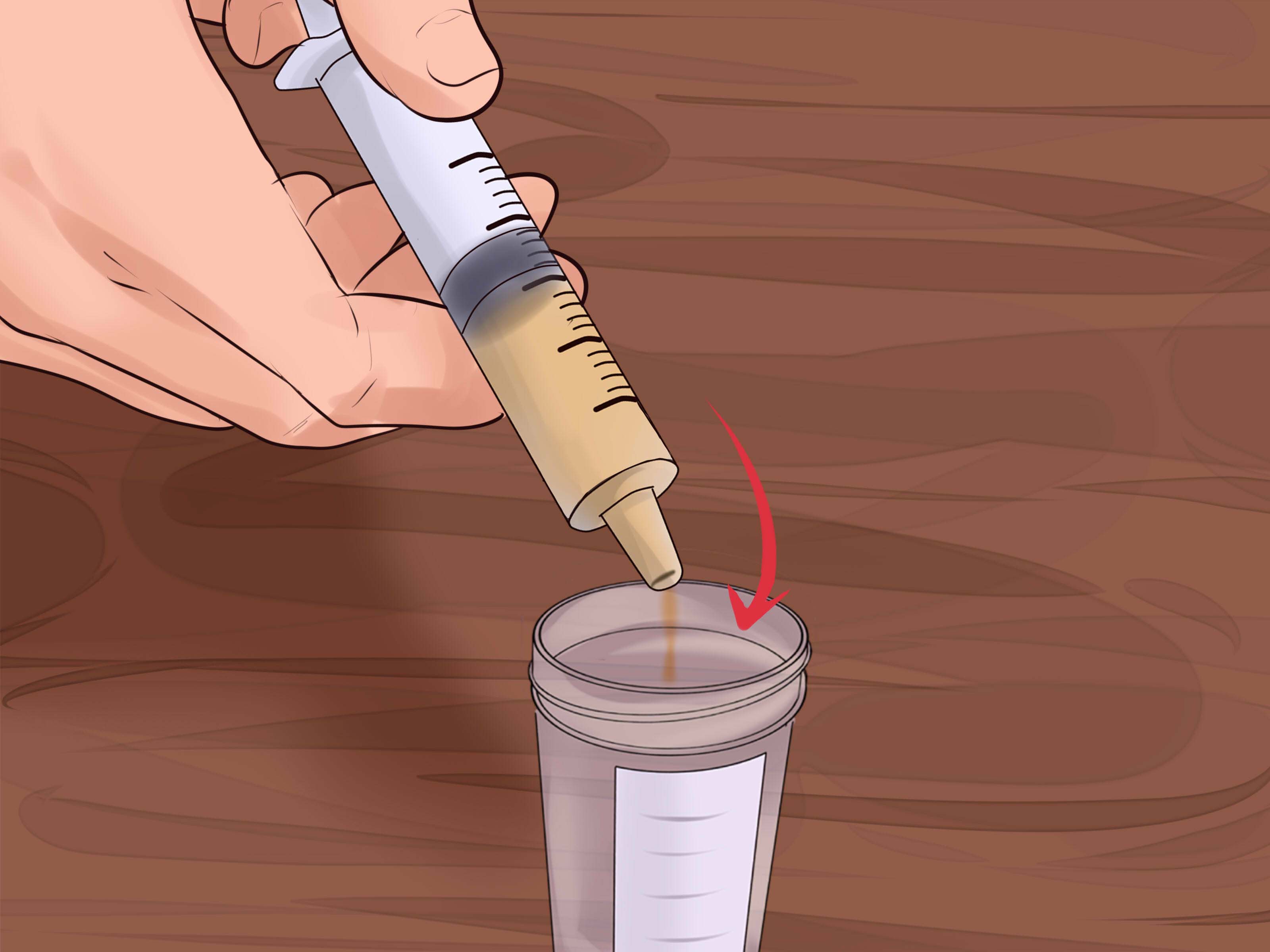
Helping a male child provide a urine sample can feel like one of those parenting tasks nobody warned you about. One minute you are calmly visiting the doctor, and the next minute you are holding a tiny sterile cup, reading instructions, and trying to convince a nervous child that yes, this is normal, and no, the cup is not a science-fair volcano.
The good news is that collecting a urine sample from a boy does not have to be stressful, awkward, or messy. With the right preparation, a little patience, and a calm explanation, most families can get through it smoothly. Whether the sample is needed for a routine urinalysis, a possible urinary tract infection, dehydration concerns, diabetes screening, kidney-related testing, or another medical reason, the goal is simple: collect urine in the cleanest, safest, most accurate way possible.
This guide explains four practical ways to help a male child provide a urine sample, from setting up a calm bathroom routine to using a clean-catch method and managing samples for babies or toddlers who are not toilet trained. It is written for parents and caregivers who want clear, respectful, real-world advice without turning a medical task into a family drama starring one tiny cup.
Why a Clean Urine Sample Matters
A urine sample can tell healthcare providers a surprising amount. It may help check for infection, blood, protein, glucose, ketones, hydration status, or other clues about how the urinary system and body are functioning. But urine collection is not only about getting “some pee in a cup.” The way the sample is collected matters because bacteria and other material from the skin can accidentally get into the cup and confuse the results.
That is why doctors and nurses often ask for a clean-catch or midstream urine sample, especially in toilet-trained children. “Clean catch” means the area around the urinary opening is cleaned first, the child begins urinating, and then urine is collected partway through the stream. This helps reduce contamination from skin bacteria. In plain parent language: the lab wants the sample to represent what is happening inside the urinary tract, not what happened because the cup touched skin, hands, clothing, or the bathroom floor.
Before collecting any sample, always follow the instructions from your child’s healthcare provider or lab. Some tests require a first-morning sample, some need a midstream clean catch, and some must be delivered quickly or kept cool. When in doubt, ask before guessing. Guessing is great for jelly-bean jars, not medical specimens.
1. Prepare the Child Before You Enter the Bathroom
The first way to help a male child provide a urine sample is to prepare him emotionally and practically. Many children become nervous because the request sounds strange. They may worry that it will hurt, that they will do it wrong, or that everyone in the clinic suddenly knows their bathroom business. A calm explanation can lower anxiety before it snowballs.
Use simple, age-appropriate language
For a younger child, you might say, “The doctor needs a small pee sample to learn what is going on in your body. You will pee into this special clean cup, and I will help you follow the steps.” For an older child, keep it respectful and brief: “The lab needs a clean urine sample. I’ll explain the steps, then give you privacy unless you want help.”
Avoid teasing, rushing, or making the child feel embarrassed. Even if the process feels funny to adults, it may feel very serious to a child. A little humor is fine if the child enjoys it, but do not turn the situation into a comedy show at his expense. The goal is confidence, not a bathroom roast.
Gather supplies first
Before the child tries to urinate, make sure everything is ready. You may need a sterile collection cup, cleansing wipes, gloves, a label, a specimen bag, and written instructions. Wash your hands with soap and water. Open the cup carefully without touching the inside of the container or lid. Place the lid inside-up on a clean surface if the instructions allow it.
This setup step matters because once a child says, “I have to go now,” the clock has officially become your enemy. Having supplies ready prevents panic, spills, and the classic parent move of trying to read a five-step instruction sheet while a child announces that the sample opportunity is leaving the station.
Respect privacy and independence
If the child is old enough, let him handle as much of the process as safely possible. You can explain the steps from outside the bathroom door or stand nearby if he asks for help. Privacy helps children feel more in control, especially school-age children and preteens.
For younger boys, supervision may be necessary, but it should still be respectful. Use clinical language, keep your tone calm, and do only what is needed to help collect the sample correctly. If your child becomes very distressed, pause and ask the nurse or doctor for help.
2. Use Timing, Hydration, and Patience
The second way to help a male child provide a urine sample is to make the body’s natural timing work in your favor. Many children suddenly cannot urinate when asked, especially in a clinic. It is the pediatric version of stage fright: the bladder has been working all day, but the moment a sterile cup appears, it retires.
Offer fluids if allowed
If your healthcare provider says it is okay, offer water and wait. Do not force a child to chug large amounts, especially if there are medical restrictions, nausea, vomiting, or kidney-related concerns. A few sips at a time may be enough. For infants, feeding may help fill the bladder, but follow medical guidance if the child is fasting for a procedure or test.
In everyday situations, a child who has not had anything to drink for hours may simply not have urine ready. Waiting 15 to 30 minutes can make the process easier. Bring a book, a quiet toy, or a low-stress distraction. The calmer the waiting period, the better.
Try familiar bathroom cues
Some children respond to familiar routines. Running tap water, sitting or standing in their usual bathroom position, or taking slow breaths may help. Younger children may do better if they are allowed to sit on the toilet even if they usually stand. The best position is the one that helps the child relax and safely provide the sample.
Do not pressure the child with repeated commands like “Go now!” or “Hurry up!” Pressure can make it harder to urinate. Instead, try: “Your body will go when it is ready. We can wait.” That sentence may not feel dramatic, but it is often more effective than turning the bathroom into a countdown show.
Know when to ask for help
If your child cannot provide a sample after a reasonable wait, tell the nurse or healthcare provider. Clinics are used to this. They may suggest more fluids, a different collection method, or a return later depending on the urgency of the test. If the child has pain, fever, dehydration signs, vomiting, or symptoms of a urinary tract infection, do not delay medical care just because sample collection is difficult.
3. Use the Clean-Catch Method for Toilet-Trained Boys
The third way to help a male child provide a urine sample is the clean-catch method. This is commonly used for toilet-trained boys because it can provide a sample that is less likely to be contaminated than a casual “pee in the cup whenever” approach.
Explain the clean-catch steps
First, wash hands well. Next, open the sterile cup without touching the inside. The child or caregiver should clean the area around the urinary opening using the wipes provided by the clinic or lab. For boys, this usually means gently cleaning the tip of the penis as instructed. If the child is uncircumcised, do not force the foreskin back. Only retract it if it moves easily and the healthcare provider has instructed you to do so.
Then the child starts urinating into the toilet first. After a small amount has passed, the cup is moved into the urine stream to collect the sample. The cup should not touch the skin. Once enough urine is collected, the child can finish urinating into the toilet. The lid should be placed on securely without touching the inside of the lid or cup.
Make the process child-friendly
For younger boys who are toilet trained but still learning coordination, the clean-catch method can be tricky. A parent may need to hold the cup while keeping it from touching the body. Another option is to ask the clinic whether a urine collection “hat” or container can be placed in the toilet, depending on the type of test. Not every test allows every collection tool, so ask first.
Give clear, short instructions. Instead of explaining the entire process in one long speech, use three steps: “Start in the toilet. I’ll help catch a little in the cup. Then finish in the toilet.” Children do better with simple directions, especially when bathroom urgency is involved.
Avoid common clean-catch mistakes
The biggest mistakes are touching the inside of the cup, letting the cup touch the skin, collecting the very first urine instead of midstream urine when midstream is requested, or setting the lid down on a dirty surface. Another common problem is not tightening the lid fully. A loose lid can turn a medical sample into an unfortunate purse, backpack, or car-seat incident. Nobody wants that plot twist.
After collection, label the sample if instructed and give it to clinic staff promptly. If collecting at home, follow the lab’s timing and storage directions. Some samples need to be delivered quickly or refrigerated if there is a delay.
4. Use Age-Appropriate Methods for Babies and Toddlers
The fourth way to help a male child provide a urine sample is to use a method that fits his age and toilet-training stage. Babies and toddlers cannot usually follow clean-catch instructions on command. That does not mean the situation is hopeless. It just means patience and the right supplies matter.
Clean-catch for babies may be possible
For some infants and toddlers, caregivers can attempt a clean-catch sample by removing the diaper, cleaning the area as instructed, keeping the sterile cup ready, and catching urine when the child naturally pees. This can take time. Some parents feel like they are waiting for a rare bird to land. Stay calm, keep the cup clean, and ask the healthcare team how long to try before switching methods.
Feeding the baby, offering fluids if age-appropriate, or waiting after a nap may help. Babies often urinate soon after feeding or waking, though of course babies enjoy ignoring schedules whenever adults become too confident.
Urine collection bags can help, but they have limits
For infants and non-toilet-trained toddlers, a healthcare provider may give you a pediatric urine collection bag. This is a small adhesive bag designed to fit around the child’s genital area and collect urine. The skin must be cleaned first, and the bag should be checked often. Once the child urinates, the sample should be transferred or submitted according to instructions.
Bag collection can be convenient, but it may pick up bacteria from the skin. Because of that, bag samples are often less reliable for diagnosing a urinary tract infection by culture. A provider may use a bag sample for an initial urinalysis or screening, then request a cleaner sample if results suggest infection.
Provider-collected samples may be needed
If a urinary tract infection is strongly suspected, or if the child is very young, very ill, or unable to provide a clean sample, the healthcare provider may recommend a catheterized urine sample. A catheter is a small medical tube used to collect urine directly from the bladder. This should be done only by trained healthcare professionals, not at home.
Parents can support the child during provider-collected sampling by staying calm, asking what will happen, and comforting the child afterward. Your calm presence matters. Children often read adult faces like weather reports; if your face says “hurricane,” they may panic. If your face says “we can handle this,” they are more likely to recover quickly.
How to Reduce Stress During Urine Collection
Stress can make sample collection harder, especially for children who are shy, sensory-sensitive, anxious, or unfamiliar with medical settings. A calm approach is not just nice; it is practical. Children who feel safe are more likely to cooperate.
Use choices where possible
Offer small choices: “Do you want me inside the bathroom or outside the door?” “Do you want to stand or sit?” “Do you want to try now or after a few sips of water?” These choices give the child control without changing the medical goal.
Keep the tone matter-of-fact
Do not make the sample sound gross, scary, or shameful. Urine is a normal body fluid, and medical testing is a normal part of healthcare. A matter-of-fact tone helps the child learn that body functions are not embarrassing.
Reward cooperation, not performance
Praise effort: “You listened carefully,” “You stayed calm,” or “You tried your best.” Avoid making praise depend only on whether the sample was collected. Sometimes the body simply is not ready. A sticker, extra story, or small privilege can help younger children associate the experience with bravery rather than pressure.
When to Call the Doctor Quickly
Urine samples are often routine, but certain symptoms deserve prompt medical attention. Call your child’s healthcare provider if your child has fever, pain while urinating, belly or back pain, blood in the urine, repeated vomiting, unusual sleepiness, signs of dehydration, or is unable to urinate despite needing to go. For babies, fever, poor feeding, unusual fussiness, or fewer wet diapers can be important warning signs.
Do not try to diagnose a urinary tract infection at home based only on smell, color, or one symptom. Dark urine may mean dehydration, certain foods, vitamins, or other factors. Cloudy urine may or may not mean infection. Testing and clinical judgment are what help providers decide what is really going on.
Common Questions Parents Ask
How much urine is needed?
It depends on the test. Many urine tests need only a small amount, but the lab may request a certain fill line. Ask the nurse or lab technician before collecting if you are unsure.
Can my child drink water before the sample?
Usually, yes, unless your healthcare provider has given fasting or fluid-restriction instructions. For some tests, timing and concentration matter, so follow the specific directions you were given.
What if the cup touches the skin or falls?
Ask for a new sterile cup. It may feel inconvenient, but using a contaminated cup can lead to unclear or misleading results. Starting over is better than getting a result nobody trusts.
Can I collect urine from a diaper?
Usually, urine squeezed from a diaper is not ideal because it can be contaminated and absorbed into diaper materials. If your child is in diapers, ask the healthcare team about a clean-catch attempt, a urine bag, cotton-pad method, or provider-collected sample depending on the test.
Real-World Experiences: What Actually Helps Parents and Kids
Many caregivers discover that the hardest part of urine collection is not the medical instruction; it is the human part. Children have opinions, bladders have timing issues, and sterile cups have a talent for making everyone suddenly awkward. The following experience-based tips reflect common situations families run into when helping a male child provide a urine sample.
One common experience is the “I went five minutes ago” problem. A child urinates right before leaving for the appointment, then the clinic asks for a sample. To avoid this, if a urine test is expected, try not to have the child empty his bladder immediately before the visit unless he is uncomfortable. Bring water, arrive a little early, and expect waiting time. Parents who plan for a delay usually feel less frustrated.
Another common experience is bathroom stage fright. Some boys can urinate easily at home but freeze in a clinic bathroom. The room feels unfamiliar, the instructions feel strange, and the pressure to perform makes everything worse. In this case, privacy helps. So does reducing the audience. One calm caregiver is usually better than two adults giving instructions through the door like sports commentators.
For school-age boys, independence can be the magic ingredient. Explain the steps, show the cup, then step out if he is comfortable. You can say, “I’ll be right outside. Call me if you need help.” This respects his privacy and can make him more willing to cooperate. Children who feel trusted often rise to the task.
For younger boys, visual instructions may help. You can point to the toilet and cup while saying, “First toilet, then cup, then toilet again.” Keep it short. Long explanations can turn into background noise when a child urgently needs to go. Some parents even practice the idea at home without actually collecting anything, using a clean disposable cup as a pretend prop. The goal is to make the real moment less surprising.
For toddlers, timing is everything. Caregivers often learn to watch for patterns: after waking, after drinking, after meals, or during diaper changes. If the clinic allows a clean-catch attempt, having the cup ready during those predictable windows can help. Still, toddler urine collection requires humility. You may wait 20 minutes and get nothing, then look away for eight seconds and miss the moment. That does not mean you failed; it means toddlers remain undefeated.
Parents also report that labels and lids deserve more attention than expected. After the sample is collected, check that the lid is tight, the label is correct, and the cup stays upright. If you are collecting at home, place the container in the transport bag provided by the lab. Keep it away from food, school backpacks, and curious siblings. A urine sample is useful to the lab, but it is not a show-and-tell item.
Finally, the best experience tip is to stay emotionally neutral. If the sample collection works, great. If it does not, ask the healthcare team what to try next. Children remember how adults made them feel during medical tasks. A calm, respectful approach teaches them that healthcare can be handled without shame, fear, or panic. That lesson may matter long after the lab result comes back.
Conclusion
Helping a male child provide a urine sample is part preparation, part patience, and part bathroom logistics. The four most useful approaches are simple: prepare the child calmly, use timing and hydration wisely, follow clean-catch steps for toilet-trained boys, and choose age-appropriate collection methods for babies or toddlers. The cleaner the sample, the more useful the result; the calmer the caregiver, the easier the process feels for the child.
Most importantly, treat the child with privacy and respect. A urine sample is a normal medical task, not a test of bravery, obedience, or bathroom talent. With clear instructions and a steady tone, you can turn an awkward moment into a manageable oneand maybe even leave the clinic with everyone’s dignity, clothing, and specimen cup intact.












