
Note: This article synthesizes current U.S. retirement research from sources including the Federal Reserve, Bureau of Labor Statistics, Vanguard, EBRI, FINRA, AARP, the U.S. Census Bureau, Social Security Administration, and IRS.
Introduction: Retirement Is Coming, Even If Your Savings Account Is Pretending Not to Notice
Retirement has a funny way of sounding both far away and extremely expensive. When you are 28, it feels like a distant vacation brochure. When you are 58, it can feel like a bill sliding under the door with dramatic music playing in the background. The truth is simple but uncomfortable: many Americans do not save enough for retirement, not because they are lazy, careless, or secretly planning to win the lottery, but because modern financial life is built like an obstacle course with fees, inflation, debt, unpredictable income, confusing benefits, and a suspiciously large number of “limited-time” sales.
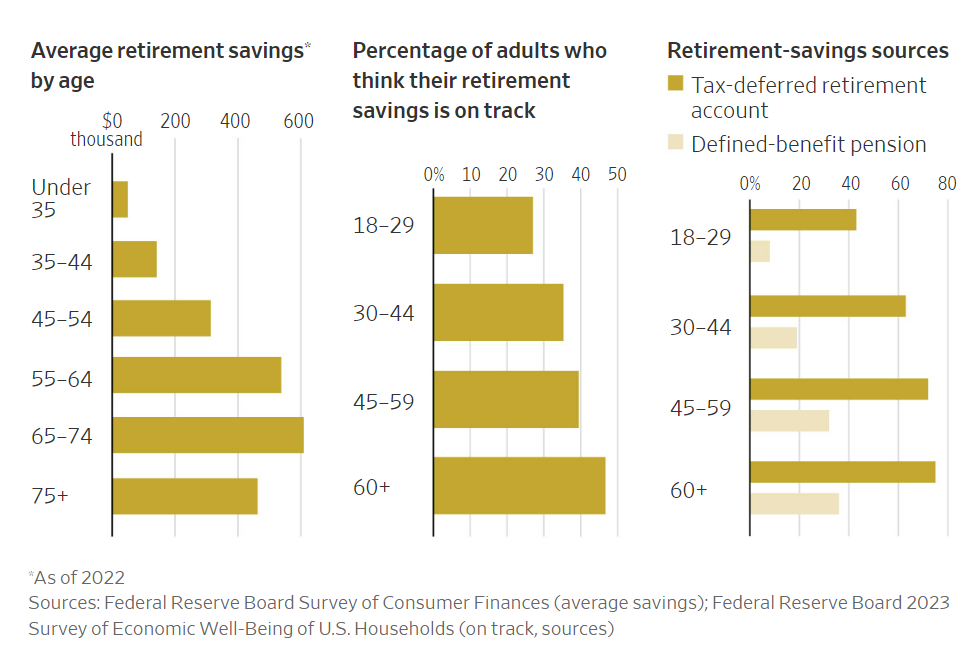
The retirement savings gap is not just a personal finance problem. It is a national behavior, workplace, wage, and planning problem. Recent Federal Reserve research found that only about 35% of non-retired adults felt their retirement savings plan was on track in 2024, even though that was a slight improvement from earlier years. In other words, most people are looking at retirement the way people look at a treadmill in January: they know it matters, but getting started is the tricky part.
So, why don't people save enough for retirement? The answer is a messy blend of economics and human nature. People delay saving because the future feels abstract. They spend because the present is loud. They avoid planning because retirement math can feel like trying to assemble furniture with instructions written by a sleepy accountant. But when we unpack the issue, the reasons become much clearerand thankfully, more fixable.
The Real Reasons People Don't Save Enough For Retirement
1. Everyday Expenses Eat the Retirement Budget First
For many households, the retirement problem begins long before anyone opens a 401(k) statement. Rent, groceries, gas, insurance, childcare, medical bills, student loans, and credit card payments all show up with confidence. Retirement, meanwhile, shows up quietly wearing sensible shoes and saying, “Whenever you have a moment.” Guess who gets ignored?
Inflation has made the problem worse. Even when paychecks rise, the cost of basic needs can rise faster. AARP reported that 20% of adults age 50 and older had no retirement savings, and 61% worried they would not have enough money to support themselves in retirement. For older adults already close to retirement, catching up is difficult because timethe secret sauce of compound growthis in shorter supply.
This is why telling people to “just save more” can sound a bit like telling someone standing in the rain to “just be drier.” The advice may be technically correct, but it ignores the weather.
2. Access to Workplace Retirement Plans Is Uneven
Saving for retirement is much easier when your employer offers a plan, automatically enrolls you, and maybe even adds matching contributions. It is the financial equivalent of putting vegetables into a smoothie: you still have to drink it, but someone made the healthy choice easier.
Unfortunately, not everyone has that advantage. Bureau of Labor Statistics data show that access, participation, and take-up rates for retirement benefits vary significantly across worker groups and industries. Workers in smaller businesses, lower-wage jobs, part-time roles, or gig work often have weaker access to employer-sponsored retirement plans.
This matters because behavior follows convenience. When enrollment requires extra paperwork, investment decisions, passwords, and a benefits portal that looks like it was designed in 2007, many people delay. When savings are automatic, participation rises. Retirement success often depends less on heroic discipline and more on whether the system makes the right choice easy.
3. People Underestimate How Long Retirement Can Last
Retirement is not a long weekend. It can last 20, 25, or even 30 years. That is a lot of groceries, utility bills, dental appointments, birthday gifts, and mystery home repairs. Many people think about the date they want to stop working, but not the number of years their money may need to keep working after they stop.
Social Security helps, but it is not designed to replace a full paycheck. The Social Security Administration has explained that Social Security replaces about 40% of the average worker's pre-retirement earnings, while many financial advisors suggest retirees may need around 70% or more of pre-retirement income to live comfortably.
That gap is where personal savings, pensions, IRAs, 401(k)s, part-time income, and careful planning come in. If someone assumes Social Security will cover everything, retirement can arrive with a calculator and a very serious facial expression.
4. The Future Feels Less Urgent Than Today
One of the biggest enemies of retirement savings is not avocado toast, designer sneakers, or one too many streaming subscriptions. It is present bias. Humans naturally care more about today's comfort than tomorrow's security. A $100 dinner feels real. A $100 retirement contribution feels like sending money to your future self, who apparently never says thank you.
This psychological gap explains why even people who understand retirement saving still procrastinate. The reward is distant, the sacrifice is immediate, and the math is invisible. Compound interest is powerful, but it does not send push notifications saying, “Nice job, future-you is slightly less stressed.”
Good retirement planning works best when it respects human behavior. Automatic contributions, annual increases, employer matches, target-date funds, and simple dashboards help people save without needing to become full-time investment nerds. No offense to investment nerds; they are the reason the rest of us know what “expense ratio” means.
5. Debt Crowds Out Long-Term Saving
Debt can make retirement saving feel impossible. Student loans delay early contributions. Credit card balances charge interest that can crush progress. Auto loans and medical debt can turn a monthly budget into a financial wrestling match.
The problem is that retirement saving and debt repayment both need the same dollars. When people are choosing between paying 22% credit card interest and contributing to a retirement account, the decision is not simple. High-interest debt deserves urgent attention, but completely postponing retirement saving can also be costlyespecially if someone misses years of employer matching contributions.
A balanced approach often works better than all-or-nothing thinking. Even a small retirement contribution can preserve the saving habit, capture a match, and keep the future from being completely ignored while today's bills are handled.
6. Financial Literacy Gaps Make Retirement Feel Complicated
Many people are not taught how retirement accounts work. They hear phrases like Roth IRA, traditional 401(k), asset allocation, vesting schedule, annuity, rollover, target-date fund, and tax-deferred growthand suddenly cleaning the garage sounds delightful.
FINRA Foundation research found major differences in retirement account ownership by education level, with college graduates far more likely to have retirement accounts than adults with no college experience. The same research also showed that emergency savings declined from 2021 to 2024, making long-term saving harder for many households.
The issue is not that people are incapable of learning. It is that the financial industry often communicates like it is trying to win a contest for least-friendly vocabulary. Better financial education, simpler plan design, and plain-English communication can make retirement saving feel less like a secret club.
7. Low Wages and Income Volatility Make Saving Inconsistent
Retirement advice often assumes a steady paycheck. Real life frequently disagrees. Many workers deal with seasonal hours, gig income, commission-based pay, layoffs, reduced shifts, or family caregiving interruptions. When income changes month to month, retirement contributions are often the first thing paused.
This is one reason the savings gap is not only about discipline. It is also about stability. A household with predictable income can automate savings. A household with unpredictable income may need every dollar available in checking because next month's paycheck is uncertain. That kind of uncertainty makes long-term planning emotionally and practically harder.
For these households, the first step may be building emergency savings before aggressively increasing retirement contributions. Emergency cash is not glamorous, but it helps prevent retirement accounts from becoming emergency piggy banks.
8. People Start Too Late and Then Feel Discouraged
Starting late is common, and it can feel embarrassing. But shame is not a retirement strategy. Many people begin saving seriously in their 30s, 40s, or 50s because earlier life stages were dominated by school, debt, children, housing, career changes, or simply not knowing what to do.
The good news is that late starters are not doomed. The IRS allows higher catch-up contributions for older workers. For 2026, the employee contribution limit for 401(k), 403(b), most 457 plans, and the federal Thrift Savings Plan increased to $24,500, with a higher catch-up limit for people age 50 and older.
Still, catching up usually requires a serious plan: higher savings rates, reduced lifestyle creep, delayed retirement, part-time work, debt reduction, or a mix of these. Not fun, exactlybut better than discovering at 67 that “winging it” is not a diversified income strategy.
9. Lifestyle Creep Quietly Steals Raises
Lifestyle creep is what happens when income rises and expenses immediately put on a tiny crown. A bigger paycheck becomes a newer car, a nicer apartment, more restaurant meals, better vacations, and subscriptions to things nobody remembers signing up for.
There is nothing wrong with enjoying money. The problem is when every raise is absorbed before savings gets a turn. People often think they will save more “when they make more,” but if spending rises at the same speed as income, retirement savings stays stuck in the parking lot.
A useful rule is to save part of every raise before upgrading lifestyle. Future-you does not need to confiscate all joy. Future-you would simply appreciate not eating instant noodles under a palm tree in retirement because present-you needed the premium phone plan.
10. Retirement Goals Are Too Vague
“Save for retirement” is not a goal. It is a fog machine. People need clearer targets: desired retirement age, estimated annual spending, expected Social Security income, healthcare assumptions, housing plans, debt payoff timeline, and preferred lifestyle.
Without a target, people either save randomly or avoid the topic completely. A clear retirement plan turns fear into action. Even if the estimate is imperfect, it gives people something to adjust. Retirement planning is not about predicting the future perfectly; it is about refusing to arrive completely surprised.
How People Can Improve Retirement Savings Without Becoming Miserable
Start With the Employer Match
If an employer offers a 401(k) match, contributing enough to receive the full match is often one of the most efficient first steps. A match is not magic money, but it is close enough that it deserves a cape.
Automate Contributions
Automatic saving removes the monthly debate. If the money moves before you can spend it, your budget adapts. This is especially useful because motivation is unreliable. Automation does not care whether you feel inspired on payday.
Increase Contributions Gradually
Small increases can work surprisingly well. Raising a contribution rate by 1% each year, or after every raise, can build momentum without creating financial whiplash.
Build an Emergency Fund
Emergency savings protect retirement savings from being raided when life does what life does best: something inconvenient and expensive. Even a starter emergency fund can reduce the need to use credit cards or withdraw retirement money early.
Keep Investing Simple
Many workers do not need a complicated portfolio. A low-cost target-date fund or diversified index fund strategy can be enough for many beginners. The key is consistency, low fees, and avoiding panic decisions every time the market has a dramatic Tuesday.
Experience-Based Insights: What Retirement Under-Saving Looks Like in Real Life
In real life, people rarely wake up one morning and decide, “Today I shall sabotage my retirement.” Under-saving usually happens quietly. A worker starts a job and ignores the retirement enrollment email because onboarding already includes sixteen forms, a password reset, and a video about workplace safety starring someone named Gary. A year passes. Then another. Suddenly, the person has missed several years of contributions and employer matching money.
Another common experience is the “I'll save after this phase” trap. People say they will save after paying off student loans, after moving, after buying a car, after the wedding, after the baby, after daycare, after the kitchen remodel, after things calm down. The problem is that life does not usually enter a calm-down era. It simply changes costumes. One phase ends, and another shows up holding an invoice.
Families also face emotional pressure. Parents may prioritize children's needs over retirement savings. Adult children may help aging parents who did not save enough. Some households become part of a financial chain reaction: one generation's lack of retirement savings becomes the next generation's monthly obligation. This is loving, human, and often unavoidable, but it can make retirement saving harder for everyone involved.
There is also the confidence problem. People who feel behind often avoid looking at their numbers because they expect bad news. But avoiding a retirement statement does not improve it. It is like ignoring a smoke alarm because the sound is annoying. The alarm may be unpleasant, but it is trying to help. Many people feel better once they finally calculate where they stand, because even a rough plan is less stressful than a mystery.
Workplace culture matters too. In some offices, people openly discuss benefits, matching contributions, and investment choices. In others, retirement planning is treated like a private riddle. Younger workers may not know whom to ask. Hourly workers may assume retirement plans are “for corporate people.” Freelancers may feel completely on their own. Better conversations can change behavior, especially when they are practical and judgment-free.
One of the most powerful experiences people report is seeing small contributions grow. At first, saving 3% or 5% can feel pointless. The balance looks tiny. Market changes can make it wobble. But after months and years, the account begins to look real. That is when motivation often improves. Progress creates proof. Proof creates confidence. Confidence creates more progress. It is not glamorous, but neither is brushing your teeth, and that still works pretty well.
The lesson is not that everyone should live like a monk with a spreadsheet. The lesson is that retirement saving becomes easier when it is automatic, early, realistic, and connected to actual life. People need systems that work on tired days, busy days, expensive days, and days when the car makes a noise that sounds like a robot sneezing. Retirement planning is not about perfection. It is about building enough structure so the future gets paid before the present spends everything wearing sunglasses.
Conclusion: Retirement Saving Is Hard, But Not Hopeless
People do not save enough for retirement for many reasons: high living costs, debt, limited workplace plan access, delayed starts, confusing financial language, income instability, and the natural human habit of caring more about today than 30 years from now. But the situation is not hopeless. Better plan access, automatic enrollment, plain-language education, emergency savings, gradual contribution increases, and realistic planning can all help close the gap.
The best retirement plan is not the one that sounds impressive at dinner. It is the one a person can actually follow. Start small, automate what you can, increase contributions over time, protect savings from emergencies, and review the plan regularly. Retirement may be expensive, but future-you is not asking for luxury fireworks. Future-you is mostly asking for options, dignity, and maybe a decent chair.












