
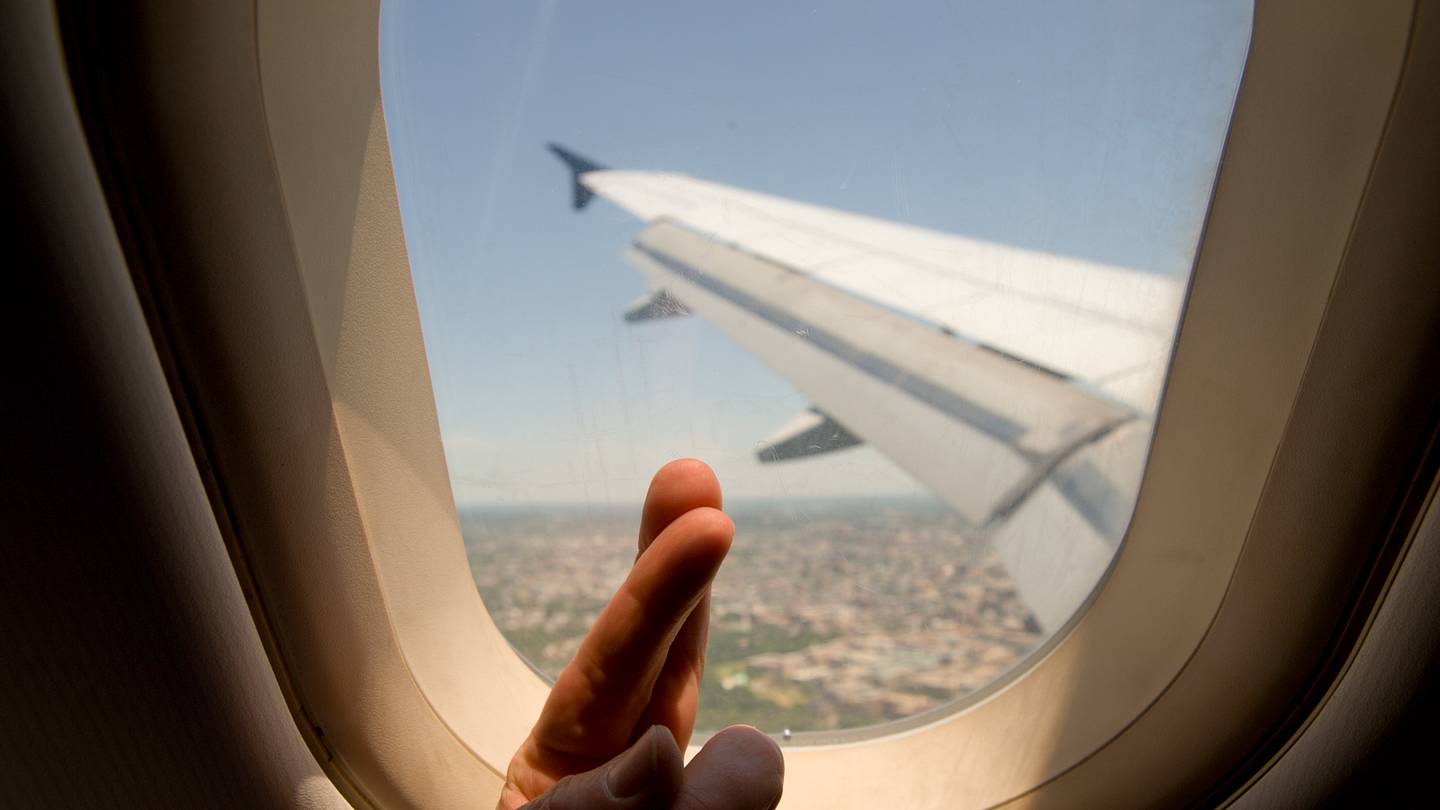
Flying is one of those modern miracles we somehow turned into a group stress test with tiny pretzels. One minute you are booking a dream trip, and the next you are Googling “is turbulence normal?” at 1:17 a.m. while your suitcase sits open like it also has questions. If that sounds familiar, welcome aboard. You are not dramatic. You are a nervous flier, and you deserve an airline that helps your brain stay calm from check-in to touchdown.
The best airlines for nervous fliers are not simply the fanciest airlines or the ones with the biggest screens. A truly anxiety-friendly airline combines safety reputation, reliable operations, calm cabin service, good communication, comfortable seating options, useful entertainment, and fewer little surprises. Because when your nervous system is already doing jazz hands, you do not need mystery fees, confusing boarding, or a gate change announced like a plot twist.
This guide ranks ten airlines that stand out for anxious travelers, especially U.S.-based passengers planning domestic or international trips. The ranking considers airline safety recognition, customer satisfaction, onboard comfort, seat choice, entertainment, service consistency, and practical features that make flying feel more predictable. No airline can promise a turbulence-free sky, but the right carrier can make the journey feel much less like a white-knuckle audition for a disaster movie.
How We Chose the Best Airlines for Nervous Fliers
For nervous travelers, “best” means more than champagne in business class. A calm flight experience starts before boarding. Clear apps, helpful alerts, easy seat selection, and reliable schedules all reduce anticipatory stress. Once onboard, friendly crew, good entertainment, extra legroom options, clean cabins, and steady communication can make a huge difference.
We gave extra weight to airlines that perform well in safety rankings, passenger satisfaction studies, and comfort-related categories. We also considered airlines with strong reputations for service, premium economy or extra-legroom seating, free or high-quality entertainment, Wi-Fi availability, and thoughtful onboard experiences. In other words, this is not a list for aviation geeks arguing over aircraft liveries. This is for people who want to sit down, breathe normally, and arrive with their dignity and lip balm intact.
The 10 Best Airlines for Nervous Fliers
1. Delta Air Lines: Best Overall U.S. Airline for Nervous Fliers
Delta is a strong choice for nervous fliers because it blends reliability, polished service, wide route coverage, and a calm onboard experience. For many U.S. travelers, Delta offers the sweet spot: enough scale to get you almost anywhere, enough operational discipline to inspire confidence, and enough comfort upgrades to keep your shoulders from living permanently near your ears.
One of Delta’s biggest advantages is predictability. Anxious travelers often feel worse when plans change suddenly, and Delta has built a reputation for strong operations among major U.S. carriers. Its app, flight notifications, and rebooking tools are generally easy to understand, which matters when you are trying not to spiral because your gate moved from A12 to B4.
Onboard, Delta also helps nervous fliers stay distracted. Many aircraft include seatback entertainment or streaming options, and the airline has been expanding fast, free Wi-Fi for SkyMiles members on many domestic flights. Delta Comfort can be worth considering if you want extra legroom, earlier boarding, and a little more personal space. That extra breathing room is not just physical; for anxious passengers, it can feel emotional too.
Best for: U.S. domestic travelers, premium economy fans, nervous fliers who want a predictable full-service experience.
2. Alaska Airlines: Best for Calm Service and Safety-Conscious Travelers
Alaska Airlines is a favorite among travelers who value friendly service without unnecessary fuss. It is especially appealing for nervous fliers on West Coast, Pacific Northwest, Alaska, and Hawaii routes. The airline often feels less chaotic than the mega-carrier experience, which can be comforting if crowded airports already make your pulse file a complaint.
Alaska also earns attention because of its safety reputation in major airline safety rankings. For anxious travelers, that kind of recognition can be reassuring, even though all major U.S. airlines operate under strict aviation safety rules. Sometimes the mind simply wants an extra reason to unclench, and Alaska provides one.
The airline’s Premium Class is useful for nervous fliers because it offers extra legroom, early boarding, and faster access to overhead bin space. Early boarding can be surprisingly calming. You get settled before the aisle becomes a rolling obstacle course of backpacks, coats, and someone trying to fit a guitar into a space clearly designed for a loaf of bread.
Alaska also offers streaming entertainment on many flights and continues to improve onboard connectivity. It is not the flashiest airline on the list, but for many anxious passengers, “calm, competent, and friendly” beats “sparkly and confusing” every time.
Best for: West Coast travelers, Hawaii routes, passengers who value friendly crews and a quieter overall feel.
3. JetBlue: Best for Entertainment and Distraction
If your main fear-of-flying strategy is “please give my brain something else to do,” JetBlue deserves a serious look. The airline has long been known for generous coach legroom, free high-speed Wi-Fi on aircraft, live TV, movies, and complimentary snacks and drinks. Nervous fliers know the magic of a good distraction. A funny movie at 35,000 feet can be the difference between “I am coping beautifully” and “why is the wing doing wing things?”
JetBlue’s cabin experience is especially helpful for travelers who feel trapped or restless. More entertainment choices make time feel shorter, and seatback screens reduce the need to balance your phone on a tray table like a tiny unstable altar. On select routes, JetBlue Mint offers a premium experience with more privacy, lie-flat seating, large screens, and upgraded dining. That is not necessary for everyone, but for a highly anxious long-haul traveler, comfort can be a real coping tool.
JetBlue is also a good choice for travelers who prefer a more relaxed brand personality. The airline’s tone tends to feel a little less formal, which can help people who are already intimidated by the flying process. Just remember that route reliability can vary by airport and season, so nervous fliers should still book early-day flights when possible and avoid tight connections.
Best for: Travelers who need entertainment, extra coach comfort, free Wi-Fi, and a friendlier cabin vibe.
4. Southwest Airlines: Best for Short Domestic Flights and Friendly Crews
Southwest has gone through major policy changes, including a shift toward assigned seating for flights beginning in 2026. For nervous fliers, that change may actually be helpful. The old open-seating system worked for many loyal fans, but anxious passengers often prefer knowing exactly where they will sit before boarding. Assigned seating removes one more unknown from the travel equation.
Southwest is still known for friendly crews and a casual onboard style. Humor from flight attendants can be comforting, especially when it is warm rather than forced. On shorter domestic routes, Southwest can be a low-stress choice because its network is broad, its aircraft type is familiar, and the cabin experience is straightforward.
For nervous fliers, the key is choosing seats wisely once assigned options are available. Seats near the wing may feel more stable during bumps, while aisle seats can feel better for passengers who dislike feeling boxed in. Southwest’s newer seating options with extra legroom may also appeal to travelers who want more space without moving into traditional first class.
Best for: Short domestic trips, travelers who like casual service, and anxious passengers who appreciate assigned seats.
5. Hawaiian Airlines: Best for a Relaxed Vacation Mood
Hawaiian Airlines is a strong pick for nervous fliers heading to or between the islands because the airline leans into a calmer, vacation-focused atmosphere. The experience often feels less corporate and more welcoming, which can help passengers who associate flying with stress rather than adventure.
For anxious travelers, mood matters. A cabin that feels warm, organized, and destination-focused can help shift your mind from “I am on a plane” to “I am going somewhere beautiful.” Hawaiian’s route structure is also helpful because many flights are leisure-heavy, which can create a different onboard energy than a packed business shuttle full of laptops and silent urgency.
Hawaiian may not have the same massive mainland network as Delta, United, or American, but on Hawaii-focused travel it remains one of the most natural choices. If your anxiety is strongest during boarding and takeoff, consider paying for a seat that gives you more space and boarding early so you can settle in before the cabin fills.
Best for: Hawaii vacations, island-hopping, leisure travelers, and passengers who respond well to a warmer cabin atmosphere.
6. United Airlines: Best for Global Route Options and App Tools
United is one of the best options for nervous fliers who want route flexibility. The airline’s global network is massive, especially from hubs like Newark, Chicago, Houston, Denver, San Francisco, and Washington Dulles. For anxious travelers, more flight options can reduce the fear of being stranded if something changes.
United’s app and travel tools are a major advantage. Clear flight updates, seat maps, baggage tracking, and rebooking tools can make the process feel more manageable. Anxiety often grows in information gaps. When an airline gives you useful updates quickly, your brain has less room to invent a dramatic subplot.
Onboard, nervous fliers should look for Economy Plus or Premium Plus when available. More legroom, earlier boarding, and better seat placement can make a noticeable difference. United is also useful for international travel because it participates in a large alliance network, making connections to partner airlines easier.
Best for: International trips, hub-based travelers, passengers who want strong app support and many route options.
7. American Airlines: Best for Network Coverage and Familiarity
American Airlines is not always the coziest choice, but it is one of the most practical airlines for nervous fliers who value route coverage. With a huge domestic and international network, American can often get you where you need to go with fewer complicated routing gymnastics. For anxious passengers, a nonstop flight on a major carrier is often better than a cheaper itinerary with two connections and a sprint through an airport you have never met.
American’s Main Cabin Extra seats can be helpful for nervous fliers who want more legroom and earlier boarding. On many longer routes, seatback entertainment or streaming entertainment helps pass the time. The airline’s large fleet and frequent schedules also create backup options when travel disruptions happen.
The best way to fly American as a nervous traveler is to plan carefully. Choose nonstop routes where possible, avoid very short connections, pay attention to aircraft type and seat maps, and consider upgrading on longer flights. American may not always feel boutique, but it offers the practical reassurance of scale.
Best for: Travelers outside major Delta or United hubs, nonstop route hunters, and passengers who prioritize schedule options.
8. Singapore Airlines: Best International Airline for Gentle Service
Singapore Airlines is often praised for its polished service, calm cabin environment, and excellent long-haul experience. For nervous fliers traveling internationally, it is one of the most reassuring airlines in the world. The crew style tends to be attentive without being intrusive, which is exactly the kind of energy anxious passengers appreciate.
The airline’s entertainment system, KrisWorld, helps passengers plan playlists and browse content, turning long flights into something more manageable. For nervous fliers, long-haul travel can be intimidating simply because there is more time to think. A deep entertainment library, steady meal service, and a serene cabin rhythm help break the flight into smaller mental chapters.
Singapore Airlines is especially good for passengers who want the flight to feel orderly. From boarding to meal service, the experience tends to be highly structured. That predictability can reduce anxiety because you always have a sense that the crew knows exactly what is happening next. Spoiler: they do.
Best for: Long-haul international travel, travelers who value calm service, and passengers who want a refined cabin experience.
9. Emirates: Best for Long-Haul Comfort and Sensory Distraction
Emirates is an excellent choice for nervous fliers who want a big, immersive onboard experience. The airline is famous for its ice entertainment system, large aircraft on many long-haul routes, and a cabin product designed to keep passengers occupied. If your anxiety quiets down when you have movies, meals, music, and a clear routine, Emirates gives you plenty to work with.
On many routes, Emirates operates wide-body aircraft that can feel more spacious than narrow-body planes. While aircraft size does not remove turbulence, larger planes may feel steadier to some passengers. The airline’s cabin lighting, entertainment, and meal pacing can also make long flights feel less endless.
Emirates has also made progress in accessibility and sensory-support services, including items that may help neurodiverse passengers or nervous flyers in certain situations. That kind of thoughtfulness matters because flight anxiety is not always solved by telling someone to “just relax.” Helpful environments are built, not wished into existence.
Best for: Long-haul travelers, passengers who love entertainment, and anxious fliers who prefer larger aircraft and structured service.
10. Qatar Airways: Best Premium Long-Haul Experience
Qatar Airways is a strong option for nervous fliers who want a premium-feeling international journey, even before upgrading to business class. The airline scores highly in global airline rankings and is often recognized for service, cabin quality, and long-haul comfort. For anxious passengers, that combination can make a big difference.
Qatar’s Oryx One entertainment system offers a very large selection of movies, shows, music, and games, which is useful when you need to redirect your attention during climb, turbulence, or long cruise segments. The airline’s hub in Doha is also designed for international connections, making it a practical choice for trips to Asia, Africa, the Middle East, and beyond.
Qsuite, Qatar’s business-class product on select aircraft, is especially appealing for highly nervous long-haul travelers who can afford the upgrade or use points. Privacy, space, and lie-flat seating can make flying feel less exposed. Even in economy, Qatar’s service reputation and long-haul experience make it one of the better choices for anxious international passengers.
Best for: Premium long-haul travel, international connections, entertainment-heavy flights, and passengers who want polished service.
What Nervous Fliers Should Look for When Booking Any Airline
Choose Nonstop Flights When Possible
Every connection adds another boarding process, another takeoff, another landing, and another chance for delays. For nervous fliers, nonstop flights are often worth paying more for. A single flight with one calm boarding routine is easier on the mind than a bargain itinerary that turns your day into an airport scavenger hunt.
Book Morning Flights
Earlier flights often have fewer accumulated delays because the aircraft and crew have had less time to be affected by problems elsewhere in the system. Morning air can also be smoother in some weather patterns. This is not a magic shield against bumps, but it can improve your odds of a calmer day.
Pick the Right Seat
Many nervous fliers prefer seats over the wing because that area can feel more stable during turbulence. Aisle seats can help passengers who dislike feeling trapped, while window seats can comfort people who feel better seeing outside. There is no universal “best” seat. The best seat is the one that makes your nervous system stop acting like it just received breaking news.
Pay for Extra Legroom on Longer Flights
Extra legroom is not just a luxury. For anxious passengers, it can reduce the feeling of confinement. If you are taking a flight longer than three hours and you know you get restless, premium economy, extra-legroom economy, or an exit-row-type product may be worth the cost.
Use Entertainment Strategically
Do not wait until panic rises to choose a movie. Download calming playlists, comfort shows, podcasts, games, and audiobooks before the flight. Pick familiar content for takeoff if that part worries you. Your brain does not always need a masterpiece. Sometimes it needs a sitcom you have watched twelve times and a snack with no emotional complexity.
Why Turbulence Feels Scary but Is Usually Manageable
Turbulence is one of the biggest triggers for nervous fliers. It feels personal, even though it is not. The plane bumps, your stomach drops, and suddenly your brain starts narrating events in the voice of a movie trailer. But turbulence is a normal part of flying. Pilots train for it, aircraft are designed for it, and crews manage it every day.
The most practical safety step is simple: keep your seat belt fastened whenever you are seated, even when the sign is off. That one habit protects you from unexpected bumps. Also, listen to crew instructions. Flight attendants are not asking you to sit down because they enjoy ruining your bathroom timing. They are trained to keep the cabin safe.
If turbulence makes you anxious, try naming what is happening in plain language: “This is uncomfortable, not dangerous. The plane is moving through uneven air.” That small mental reframe can interrupt the panic loop. Pair it with slow breathing, relaxed shoulders, and a distraction you prepared before takeoff.
500 Extra Words: Real-World Experiences and Calming Lessons for Nervous Fliers
One of the most common experiences nervous fliers describe is not fear of flying itself, but fear of losing control. At home, you can leave a room, open a window, pause a movie, or make tea with the seriousness of a monk. On a plane, you are seated, buckled, and expected to trust a process you cannot see. That is why airline choice matters. The more predictable and comfortable the experience feels, the less your brain tries to fill the blanks with dramatic nonsense.
Imagine two versions of the same traveler. In the first version, they book the cheapest flight with a late-night departure, a middle seat in the back, no seatback entertainment, and a 42-minute connection through an unfamiliar airport. By boarding time, their anxiety has already eaten a full meal. In the second version, they book a nonstop morning flight on an airline with a strong app, choose an aisle seat over the wing, pay for extra legroom, download two favorite shows, and board early. Same sky. Same physics. Completely different emotional experience.
Many nervous fliers also learn that telling the crew can help. You do not need to make a speech. A simple “I am a nervous flier, so I may look tense during takeoff” is enough. Flight attendants have seen every flavor of flying anxiety. They are not judging you; they are mentally adding you to their quiet checklist of passengers who might appreciate reassurance. Sometimes a calm smile from a crew member during turbulence is more effective than twenty online aviation forums and a breathing app named something like CloudPeace.
Another useful experience is building a repeatable ritual. Nervous fliers often do better when the flight has familiar steps: arrive early, buy water, use the restroom before boarding, check the seat map, wipe the tray table, start the same playlist during taxi, breathe slowly during takeoff, and watch a familiar show once the plane levels off. Rituals tell your brain, “We have done this before.” That message is powerful.
It also helps to separate discomfort from danger. A loud engine during takeoff can sound alarming if you do not expect it. A banking turn can feel strange if you are watching the ground tilt outside. Landing gear noises can sound like the plane is assembling itself midair. Most scary sounds are simply normal airplane sounds doing their very normal airplane jobs. The more you learn what to expect, the less your imagination gets hired as the flight’s unpaid horror writer.
Finally, nervous fliers should give themselves credit. Flying while anxious is not a small thing. It requires trust, patience, and the ability to sit with discomfort. Choosing the right airline is not about being spoiled. It is about setting yourself up for success. Whether that means Delta for reliability, JetBlue for distraction, Alaska for calm service, Singapore Airlines for long-haul grace, or Emirates for entertainment overload, the goal is the same: make flying feel less mysterious, less cramped, and more human.
Final Thoughts: The Best Airline Is the One That Lowers Your Stress
The best airlines for nervous fliers are the ones that make travel feel safe, clear, and manageable. Delta offers the strongest all-around U.S. experience. Alaska feels calm and service-oriented. JetBlue is excellent for distraction and comfort. Southwest is becoming more predictable with assigned seating. Hawaiian creates a relaxed vacation mood. United and American offer massive networks and practical backup options. For international travel, Singapore Airlines, Emirates, and Qatar Airways stand out for polished service, long-haul comfort, and strong entertainment.
Still, the airline is only part of the plan. Book nonstop when possible. Choose your seat intentionally. Fly earlier in the day. Keep your seat belt fastened. Bring distractions. Tell the crew if you are nervous. And remember: fear is not a forecast. It is a feeling. Feelings can be loud, but they are not air traffic control.
With the right airline and a smart pre-flight routine, nervous fliers can turn the experience from “absolutely not” into “okay, I can do this.” You may never become the person who naps before takeoff with their mouth open and total spiritual peace. But you can become someone who flies with more confidence, better tools, and maybe even enough calm to enjoy the view.












