
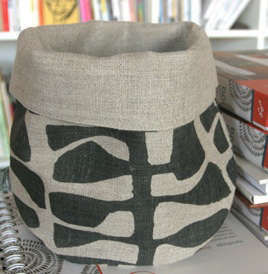
Some holiday gifts arrive with fireworks, glitter, and a level of packaging that suggests a tiny appliance might be inside. Others quietly win the room because they are useful, beautiful, and not trying too hard. The Lotta Jansdotter Fabric Bucket belongs firmly in the second camp. It is the kind of gift that looks simple at first glance, then slowly reveals its genius: a soft-sided linen storage bucket with Scandinavian charm, everyday practicality, and the rare ability to make clutter look intentional.
Originally highlighted as a holiday gift and storage solution, the Lotta Jansdotter fabric bucket represents what good home design should do: solve a small problem without shouting about it. It can hold knitting supplies, guest towels, toys, magazines, winter accessories, mail, craft tools, or the mysterious pile of charging cables that appears in every modern household. Unlike many decorative objects, it earns its keep. Unlike many storage bins, it does not look like it escaped from a garage.
This guide explores why a Holiday Gift: Lotta Jansdotter Fabric Bucket still feels fresh, how it fits into Scandinavian-inspired home decor, what to put inside it, how to style it, and how to create a similar handmade gift if the original item is no longer easy to find. Consider it a love letter to the humble fabric bucket: small, soft, stylish, and surprisingly capable of saving a living room from chaos.
What Is the Lotta Jansdotter Fabric Bucket?
The Lotta Jansdotter Fabric Bucket is a fabric storage container associated with Lotta Jansdotter’s clean, organic design language. The original item was described as a linen fabric bucket and positioned as a thoughtful holiday or hostess gift. At around $32 when it was featured, it sat in that magical gift zone: special enough to feel considered, practical enough to avoid becoming shelf clutter, and modest enough not to require a family meeting about the budget.
A fabric bucket is exactly what it sounds like: a bucket-shaped container made from textile rather than plastic, metal, or wicker. The charm comes from the softness. It folds, bends, and blends into the home instead of taking over the room. It can be structured with interfacing, canvas, or heavier linen, but it still has a casual feel. That balance is where the Lotta Jansdotter style shines.
Who Is Lotta Jansdotter?
Lotta Jansdotter is a Swedish-born designer, artist, author, maker, and teacher known for Scandinavian-inspired patterns, organic motifs, handmade processes, and modern home goods. Her work has included textiles, stationery, ceramics, dishware, books, fashion accessories, bedding, rugs, and other lifestyle objects. Her design world is often described through words like simple, natural, graphic, tactile, and joyful.
What makes Jansdotter’s work appealing is that it feels both artistic and usable. Her patterns do not look as if they were trapped in a design committee meeting for six months. They have movement. They have human touch. They often suggest leaves, seeds, water, dots, brush marks, and natural rhythms. That handmade quality is especially important in a gift because it gives the object a sense of warmth. You are not just handing someone storage; you are handing them a tiny piece of design philosophy.
Why This Fabric Bucket Makes Such a Good Holiday Gift
It Is Useful Immediately
The best holiday gifts do not require a manual, batteries, a Wi-Fi password, or emotional recovery time. A fabric bucket can be used the moment it is unwrapped. Place it by the sofa for remotes and magazines. Put it near the entryway for gloves and scarves. Use it in the bathroom for rolled washcloths. Drop it on a desk to collect stationery and notebooks. It solves the everyday problem of “where do I put this?” which is one of the great domestic questions of our era.
It Feels Personal Without Being Too Personal
Holiday gifting can get awkward when the gift is too intimate, too expensive, or too specific. A fabric bucket avoids that trap. It is personal because it shows taste and attention. It is not so personal that the recipient wonders whether you have been silently judging their sock drawer. It works for friends, hosts, coworkers, teachers, neighbors, new homeowners, craft lovers, parents, and anyone who owns things. In other words, everyone.
It Fits Many Decorating Styles
The Scandinavian home decor influence gives the fabric bucket its wide appeal. Simple patterns, natural materials, and soft structure can work in minimalist apartments, cozy cottages, modern nurseries, creative studios, and small-space homes. It does not demand that the room be redesigned around it. It politely joins the room, does its job, and looks good doing it.
The Appeal of Scandinavian-Inspired Storage
Scandinavian design is often associated with simplicity, function, natural materials, and a calm visual rhythm. But the best Scandinavian-inspired pieces are not cold or empty. They make daily life feel easier. A Lotta Jansdotter fabric bucket fits this idea beautifully because it is practical but not boring. The form is straightforward. The textile brings personality. The result is a small object that feels intentional rather than overdecorated.
This matters because storage is usually where good taste goes to take a nap. Many storage containers are either brutally plain or aggressively cute. A fabric bucket offers a third path: useful, soft, and quietly stylish. It can tame clutter while adding pattern and texture, which is a holiday miracle only slightly less impressive than finding matching tape and scissors on December 24.
What to Put Inside a Lotta Jansdotter Fabric Bucket
One reason the fabric bucket works so well as a gift is that it can also become the gift packaging. Instead of wrapping it in paper, fill it with small items that match the recipient’s interests. The container becomes part of the present, not something destined for the recycling bin ten minutes later.
For the Host
Fill the bucket with linen napkins, a small candle, good chocolate, cocktail napkins, and a handwritten card. It becomes a modern hostess gift that says, “Thank you for feeding me and pretending not to notice when I went back for thirds.”
For the Crafter
Add fat quarters, embroidery floss, needles, a seam ripper, small scissors, washi tape, or a mini sketchbook. Fabric buckets are especially helpful for makers because creative people often have many tiny supplies that reproduce overnight.
For the New Parent
Use it for baby socks, burp cloths, pacifiers, board books, or tiny bath items. A soft fabric container is nursery-friendly and less clunky than plastic storage. It also looks charming on open shelving.
For the Homebody
Tuck in herbal tea, cozy socks, hand cream, a paperback book, and a small jar of honey. The bucket becomes a self-care kit without using the phrase “self-care kit,” which is a gift in itself.
For the Desk Dweller
Fill it with pens, sticky notes, binder clips, charging cords, and a small notebook. On a desk, a fabric bucket brings softness to a landscape usually ruled by screens, cables, and one mug that should have been washed yesterday.
How to Style a Fabric Bucket at Home
In the Living Room
Place the bucket beside a chair to hold magazines, knitting, remotes, or a rolled throw. If the room has a neutral palette, choose a patterned bucket to add visual interest. If the room already has plenty of color, a linen or muted print keeps things calm.
In the Bathroom
A fabric bucket can hold guest towels, hair tools, extra soap, or skincare products. It softens the bathroom, which is often filled with hard surfaces. Just keep it away from direct splashes unless the lining is water-resistant.
In the Entryway
Use it for gloves, sunglasses, dog leashes, or outgoing mail. A small entryway bucket can reduce the daily drama of missing keys. It may not fix every morning, but it can remove at least one tiny domestic crisis.
In the Kids’ Room
Fabric buckets are excellent for blocks, plush toys, hair bows, socks, and art supplies. They are lighter than rigid bins and easier for children to carry. Bonus: when toys are tossed into a beautiful fabric bucket, the room appears approximately 37 percent more organized.
Buying the Original Versus Making a Lotta-Inspired Bucket
Because the original Lotta Jansdotter Fabric Bucket was featured years ago, availability may vary. Some Lotta Jansdotter textiles, books, and older designs appear through fabric shops, resale marketplaces, and craft communities, while her current work continues through limited editions, collaborations, artwork, and creative projects. If you cannot find the original fabric bucket, you can still capture the spirit of the gift.
The key is not to copy a designer’s work exactly. Instead, borrow the broader design principles: natural material, simple construction, organic pattern, honest usefulness, and a handmade feel. A Lotta-inspired fabric bucket should look relaxed but considered. Think linen, cotton canvas, soft geometry, leaf-like motifs, or bold but simple shapes.
Materials to Look For
- Exterior fabric: Linen, cotton canvas, duck cloth, or heavier quilting cotton.
- Lining: Coordinating cotton, canvas, or washable fabric.
- Structure: Fusible fleece, batting, heavyweight interfacing, or Peltex for a firmer shape.
- Handles: Cotton webbing, fabric straps, leather scraps, or no handles for a cleaner look.
- Finishing details: Topstitching, folded rims, contrast lining, or a small handmade tag.
Simple DIY Concept: How a Fabric Bucket Comes Together
A basic fabric bucket usually starts with two outer fabric pieces and two lining pieces. The maker sews the side and bottom seams, boxes the corners to create a flat base, repeats the process with the lining, then places the outer bucket and lining together before turning and topstitching. Add interfacing if you want structure. Add handles if the bucket will carry heavier items. Fold the top edge down if you want a casual, reversible look.
The beauty of this project is its flexibility. A small version can hold makeup pads or sewing clips. A medium version can hold yarn, snacks, or mail. A large version can hold toys, towels, or throw blankets. Once you understand the construction, you may start seeing every fabric remnant as a future bucket. This is how sewing rooms become both more organized and more dangerous to enter without supervision.
Why Fabric Buckets Beat Ordinary Gift Baskets
Traditional gift baskets are often beautiful for ten minutes and then become awkward. The recipient must either reuse a stiff basket that does not match anything or store it in a closet with seven other baskets from previous holidays. A fabric bucket has better odds. It can fold flat, move from room to room, and fit into everyday life.
It also feels softer and more modern. A wicker basket says picnic, pantry, or possibly “I bought this in a dramatic rush.” A fabric bucket says thoughtful, handmade, organized, and stylish. It can be festive without being covered in snowmen. It can be seasonal without becoming useless in January.
Gift Pairing Ideas for Every Recipient
The Minimalist
Choose a neutral linen bucket and fill it with beeswax candles, a small notebook, and a beautiful pen. Keep the color palette quiet: cream, charcoal, oatmeal, soft gray, or black.
The Color Lover
Pick a bold patterned fabric and add colorful tea towels, candies, art supplies, or bright socks. This recipient will appreciate a bucket that does not apologize for being cheerful.
The Gardener
Fill it with seed packets, garden gloves, plant markers, twine, and hand balm. A fabric bucket can later hold seed envelopes or small tools indoors.
The Reader
Add a paperback, bookmark, tea, and a reading light. The bucket can live beside a reading chair and hold the current “to be read” pile, which may be one book or a structurally ambitious tower.
The Traveler
Use the bucket as a packing station for travel-size toiletries, a sleep mask, a luggage tag, and compression socks. At home, it can store travel accessories between trips.
Care and Longevity
Fabric buckets should be treated like soft home accessories. Shake them out, spot-clean when needed, and check the fabric content before washing. Linen and cotton can often tolerate gentle care, but interfacing, leather handles, or structured inserts may change the cleaning method. If the bucket is handmade, include a small care card. It is a nice finishing touch and prevents the recipient from accidentally turning your thoughtful gift into a wrinkled mystery pancake.
For long-term use, avoid overloading the bucket with sharp, wet, or very heavy items. Fabric storage is best for light to medium household goods. If you plan to use it for toiletries, choose a washable lining. If it will hold plants, place a waterproof saucer or inner pot inside. If it will hold craft tools, consider a darker lining that can forgive pencil marks and thread dust.
SEO Buying Guide: What Makes a Good Fabric Storage Basket?
Whether you are looking for a Lotta Jansdotter fabric bucket, a Scandinavian fabric storage basket, or a handmade linen gift basket, the buying criteria are similar. Look for sturdy fabric, clean seams, a stable base, and a size that matches the intended use. A beautiful bucket that collapses under one skein of yarn may be poetic, but it is not especially helpful.
Pay attention to proportions. Tall, narrow buckets are good for knitting needles, rolled towels, or gift packaging. Short, wide baskets work better for desk supplies, toys, and bathroom items. Handles are useful for moving the bucket from room to room, while handle-free versions look cleaner on shelves.
Pattern matters too. Lotta Jansdotter’s appeal comes partly from her organic, modern motifs, so choose prints that feel timeless rather than overly seasonal. A red-and-green holiday print is fun in December but may look slightly confused in April. A botanical, dot, stripe, abstract, or linen-texture design can live happily through all four seasons.
The Emotional Value of a Practical Gift
There is a quiet emotional intelligence in giving someone a useful object. It says, “I see your life. I know you have things. I believe those things deserve a nice place to land.” A Lotta Jansdotter fabric bucket is not dramatic, but that is part of its charm. It does not try to impress with size or technology. It offers calm, order, and beauty in a manageable little package.
During the holidays, when homes fill with guests, food, wrapping paper, and tiny objects that no one remembers buying, a fabric bucket becomes surprisingly relevant. It can collect ornaments waiting to be hung, napkins for the table, gift tags, ribbon, mittens, or toys. It is a helper disguised as decor.
Personal Experience: Living With a Holiday Fabric Bucket
The first time I gave a fabric bucket as a holiday gift, I underestimated it. I thought it would be a pleasant extra, the sort of useful little container that politely supports the “real” gifts inside. I filled it with tea, a jar of orange marmalade, two linen napkins, and a candle that smelled like a responsible adult’s kitchen. The recipient opened the candle, admired the tea, smiled at the marmalade, and then spent five full minutes examining the bucket. That was the moment I realized the container had staged a quiet coup.
What made it work was the combination of softness and purpose. A rigid box would have felt temporary. A paper gift bag would have been tossed aside. But the fabric bucket looked like it already belonged somewhere. The recipient immediately started naming uses for it: keys by the front door, knitting beside the sofa, extra hand towels in the guest bath, dog toys near the back door. That is when a gift becomes successful. Not when someone says, “How nice,” but when they start mentally moving it into their home.
I have also used fabric buckets during my own holiday chaos. One sat on a side table holding gift tags, tape, ribbon, and scissors. For once, the scissors did not disappear into another dimension. Another bucket held rolled napkins for a casual dinner. A third collected the little bits of festive debris that appear during December: ornament hooks, spare batteries, cookie cutters, cinnamon sticks, and one mysterious gold bell that nobody claimed but everyone accepted as seasonal.
The best part is that fabric buckets age gracefully. They do not have to remain perfect. A crease here, a softened rim there, a little slouch after years of usethese details make them feel lived-in rather than worn out. That is especially true for linen and cotton canvas. They gain character. They become part of the household’s visual rhythm.
A Lotta Jansdotter-inspired bucket also brings a handmade feeling even when it is purchased. The patterns, materials, and simple form suggest touch. In a season often dominated by glossy packaging and frantic shopping carts, that tactile quality matters. It reminds the recipient that design does not have to be loud to be memorable. Sometimes the gift that lasts is the one that simply helps life look a little calmer.
If I were gifting one today, I would tailor the contents carefully. For a friend who loves sewing, I would add fat quarters, thread, clips, and a small pattern. For a busy parent, I would fill it with coffee, hand cream, chocolate, and permission to ignore laundry for twenty minutes. For a host, I would choose napkins, sea salt, olives, and a candle. The formula is simple: pick a beautiful bucket, fill it with useful pleasures, and let the container keep giving long after the snacks are gone.
Conclusion: A Small Gift With Long-Term Charm
The Holiday Gift: Lotta Jansdotter Fabric Bucket is a reminder that the most memorable gifts are not always the biggest. Sometimes they are the ones that slip naturally into daily life. With its Scandinavian-inspired simplicity, linen texture, handmade spirit, and practical storage potential, the fabric bucket is both charming and useful. It can be a gift basket, a home organizer, a craft-room helper, a nursery container, a desk accessory, or a stylish landing place for all the small things that make a house feel lived in.
Whether you find an original Lotta Jansdotter piece, purchase fabric from one of her collections, or sew a Lotta-inspired version yourself, the idea remains strong: give something beautiful that does real work. That is holiday gifting at its best. No batteries, no app, no assembly drama. Just fabric, function, and a little Scandinavian magic.













