
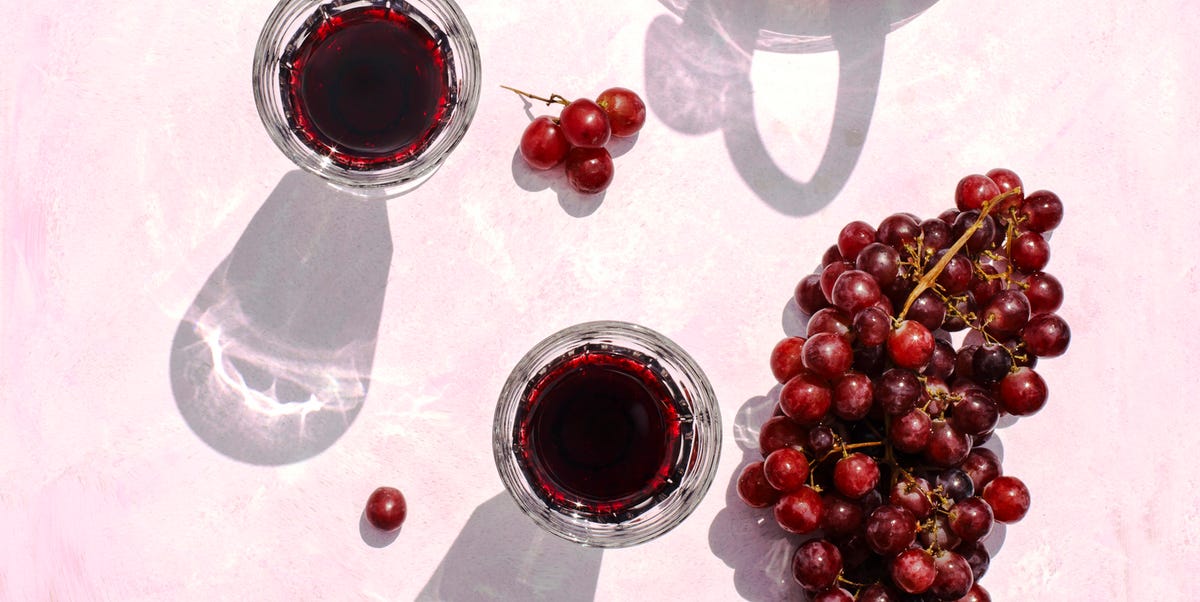
If your skin care shelf already looks like a chemistry set with excellent lighting, you may be wondering whether resveratrol deserves a spot next to your vitamin C, retinoid, and sunscreen. Fair question. Skin care has a habit of introducing a “miracle” ingredient every other Tuesday. But resveratrol is a little different. It has been studied for years, shows up in both medical literature and well-formulated products, and has earned a reputation as a quietly impressive antioxidant.
In plain English, resveratrol is a plant compound found in sources like grape skin, berries, peanuts, and knotweed. In skin care, it is best known for helping defend the skin against oxidative stress, the daily wear-and-tear caused by UV exposure, pollution, and other environmental troublemakers. Think of it as one of the calmer, smarter players on your skin care team. It is not usually the loudest ingredient in the room, but it can be very useful.
This guide breaks down what resveratrol does for skin, how to use it without turning your routine into a full-time job, which skin types may like it most, and the best resveratrol skin care products worth considering right now.
What Is Resveratrol in Skin Care?
Resveratrol is a polyphenol antioxidant. In the world of skin care, that means it is mostly valued for helping neutralize free radicals and reduce some of the visible effects of environmental stress. Free radicals are unstable molecules that can contribute to dullness, uneven tone, loss of firmness, and the general “why do I look tired even after eight hours of sleep?” situation.
Topical resveratrol is different from drinking red wine, despite what your most optimistic friend may suggest. You cannot reasonably sip your way to better skin. Skin care formulas try to deliver resveratrol where it is actually needed: on the skin. That targeted approach makes far more sense than hoping your Friday night cabernet somehow becomes a dermatologist.
Researchers are especially interested in resveratrol because it may help support the skin in several ways at once. It has antioxidant properties, calming properties, and possible benefits related to photoaging, pigmentation, and visible texture changes. That said, it is important to stay realistic. The ingredient is promising, but it is not magic, and the evidence in humans is not as deep or established as it is for everyday sunscreen or prescription retinoids.
Benefits of Resveratrol for Skin
1. Helps Defend Against Oxidative Stress
This is resveratrol’s headline act. Oxidative stress is one of the major drivers of visible aging. Sun exposure, air pollution, smoke, and even normal metabolic processes can increase oxidative damage in skin. Resveratrol helps support the skin’s antioxidant defense system, which may reduce the look of fatigue, roughness, and early aging over time.
2. May Support a Smoother, Firmer Look
Some early research suggests resveratrol may help improve the appearance of elasticity and wrinkles, especially when used consistently in well-designed topical formulas. That does not mean it works like a face-lift in a bottle. It means it may contribute to a more resilient, smoother-looking complexion over time, especially when paired with other helpful ingredients like vitamin E, niacinamide, hyaluronic acid, peptides, or ferulic acid.
3. Can Help Calm the Look of Redness
Because resveratrol has anti-inflammatory properties, it may be useful in formulas designed to soothe stressed-looking skin. If your face tends to throw a tiny protest after weather shifts, over-exfoliation, or too many active ingredients at once, resveratrol may feel like a more diplomatic addition to your routine.
4. May Improve the Appearance of Uneven Tone
Resveratrol is sometimes included in brightening products because it may help reduce the visible impact of environmental damage and discoloration. It is not the fastest pigment-fading ingredient on the market, but it can make sense in a broader routine aimed at improving tone and clarity.
5. Plays Well With Other Ingredients
One of resveratrol’s biggest practical advantages is that it is often combined with other ingredients instead of being asked to carry the whole routine on its back. It can show up with ferulic acid for antioxidant support, niacinamide for redness and barrier care, or hyaluronic acid for hydration. In other words, it is a team player, and that matters.
Who Should Use Resveratrol?
Resveratrol skin care can make sense for several groups:
- People concerned about early signs of aging
- Anyone dealing with dull, stressed-looking skin
- Those who want antioxidant support beyond vitamin C
- People with redness-prone or easily irritated skin who want a gentler active
- Users looking for a supportive ingredient in a barrier-focused routine
It can be especially appealing if your skin does not get along with stronger actives every day. Some people find that retinoids, acids, and highly acidic vitamin C serums are wonderful in theory and dramatic in practice. Resveratrol can be a useful middle ground: active enough to be interesting, usually gentle enough to be workable.
How to Use Resveratrol in Your Skin Care Routine
Morning Use
If your resveratrol product is designed for daytime use, apply it after cleansing and before moisturizer and sunscreen. Lightweight antioxidant serums usually go on earlier in the routine. Morning use makes sense because antioxidants help address environmental stress during the day.
Night Use
Some resveratrol serums are marketed specifically for nighttime use, often because they are paired with richer textures or ingredients that fit better into an evening routine. At night, you can apply the serum after cleansing and before moisturizer. If you are also using retinoids or exfoliating acids, start carefully and avoid piling on too many new products at once.
How Often?
Most people can start with once daily and increase as tolerated if the product directions allow it. Consistency matters more than going overboard. Skin usually rewards patience better than enthusiasm.
What Not to Forget
No antioxidant product replaces sunscreen. If your goal is better-looking skin, fewer dark spots, and less visible photoaging, broad-spectrum sunscreen is still the non-negotiable adult in the room. Resveratrol is a supportive ingredient, not a hall pass for skipping SPF.
What to Look for in the Best Resveratrol Skin Care Products
Not every resveratrol product is worth your money. Because resveratrol has stability and formulation challenges, the overall formula matters just as much as the ingredient name on the label. Look for:
- Thoughtful pairing ingredients: ferulic acid, vitamin E, niacinamide, ceramides, hyaluronic acid, or calming botanicals
- Suitable texture: water-free or well-stabilized serums can be useful for antioxidant formulas
- Clear use instructions: morning, evening, or both
- Your skin goals: hydration, barrier support, firmness, redness, or tone correction
- Packaging that protects the formula: pumps, opaque bottles, and airtight designs are usually more reassuring than wide-open jars for delicate actives
Best Products With Resveratrol Worth Considering
1. The Ordinary Resveratrol 3% + Ferulic Acid 3%
Best for: budget-friendly antioxidant support
This is the straightforward, no-frills option for people who want a concentrated antioxidant formula without paying luxury-serum prices. It combines resveratrol with ferulic acid in a water-free base, which is appealing if you want targeted antioxidant support and a simple ingredient story. It is a smart pick for experienced users who like minimal formulas and do not mind an oil-like texture.
2. SkinCeuticals Resveratrol B E
Best for: nighttime antioxidant care
This is the splurge category. SkinCeuticals positions it as a concentrated night serum with resveratrol, baicalin, and vitamin E. If your main goal is a more refined, firmer, radiant look and you enjoy a polished evening routine, this is one of the better-known premium resveratrol products on the market.
3. Caudalie Resveratrol-Lift Instant Firming Serum
Best for: people focused on firmness and hydration
Caudalie has long leaned into grape-derived skin care, so this line makes thematic sense. This serum pairs resveratrol with hyaluronic acid and a vegan collagen-focused complex. It is the kind of formula that appeals to users who want their anti-aging routine to feel elegant, hydrating, and a little less clinical.
4. Allies of Skin Beta Glucan & Resveratrol Advanced Hydrating Serum
Best for: dehydrated, sensitive, or barrier-stressed skin
This is a good modern option if your skin wants hydration and calm first, anti-aging second, and drama never. With beta glucan, ceramides, and resveratrol, it is built more around moisture retention and visible soothing than around aggressive resurfacing. If your skin is easily annoyed, this category may be more your speed.
5. Sunday Riley B3 Nice 10% Niacinamide Serum
Best for: oily, combination, or post-acne skin concerns
This one is not a pure resveratrol serum, but it deserves a spot because it combines trans-resveratrol with 10% niacinamide. That makes it appealing for people who want help with visible pores, post-acne marks, redness, and overall radiance while still getting antioxidant backup.
Can You Use Resveratrol With Vitamin C, Retinol, or Acids?
Usually, yes. Resveratrol often appears in antioxidant blends and tends to be compatible with many common actives. It can work nicely with vitamin C and ferulic acid in morning routines, and it can fit into evening routines with moisturizers, peptides, and some retinoids. The real issue is not whether resveratrol is “allowed” next to another ingredient. The issue is whether your skin likes the overall formula and the total number of actives you are stacking.
If you already use a prescription retinoid, strong exfoliating acids, or benzoyl peroxide, add resveratrol slowly. Patch test first. Your skin barrier would like to remain a functioning member of society.
Are Resveratrol Supplements Good for Skin?
This is where the hype machine tends to get noisy. Oral resveratrol supplements are not the same thing as topical resveratrol skin care. Supplements are being studied for many health questions, but that does not automatically mean they are the best route for skin appearance. Also, supplements can interact with medications, including blood thinners and some other drugs. If you are thinking about taking resveratrol orally for skin or anti-aging reasons, talk with a qualified clinician first instead of free-styling your way through the supplement aisle.
Possible Downsides and Limitations
Resveratrol is generally well tolerated in skin care, but “natural” does not always mean “never irritating.” Any product can cause a reaction depending on the full formula, fragrance content, preservatives, or your own skin sensitivity. Also, resveratrol is not a miracle wrinkle eraser. Much of the excitement comes from antioxidant theory, lab data, and a growing but still limited body of human research.
That is not bad news. It just means resveratrol works best when you think of it as part of a smart routine, not as a solo act expected to rewrite your face by Thursday.
Final Thoughts
Resveratrol for skin is one of those ingredients that deserves attention, but not blind devotion. It is promising, versatile, and often easier to tolerate than harsher actives. It may help support skin against oxidative stress, improve the look of dullness and uneven tone, calm visible redness, and contribute to a smoother, firmer appearance over time. That is a solid resume.
The catch is that formula quality matters, and expectations should stay realistic. If you want the best results, pair resveratrol with the fundamentals: gentle cleansing, moisturizer, and daily sunscreen. If you want to level up further, consider combining it with other evidence-based ingredients that fit your skin type. Good skin care is usually less about one superstar and more about getting the whole cast to stop fighting.
Experience Section: What Using Resveratrol Often Feels Like in Real Life
Reading about ingredients is helpful, but what most people really want to know is this: what does adding resveratrol to a routine actually feel like? In real life, the experience is usually more subtle than dramatic. Resveratrol is not the sort of ingredient that makes you wake up on day three and gasp at the mirror. It is more of a steady, low-key improvement ingredient. Think less reality-show makeover, more competent life coach for your skin.
A common experience for beginners is that resveratrol feels easier to tolerate than stronger actives. Someone with mild redness or easily irritated skin may swap in a resveratrol serum during a week when acids and retinoids feel too intense. Instead of stinging, flaking, or that fun “why is my face angry?” feeling, they may notice their skin looks calmer and a bit more balanced after a couple of weeks. The glow is usually modest at first, but the skin often looks less stressed.
People with dull, city-exposed skin often describe a different pattern. They may not see fewer lines overnight, but they start noticing that their complexion looks more awake, especially when resveratrol is used under moisturizer and sunscreen in the morning. Makeup may sit better. Skin may look less tired by late afternoon. That kind of improvement is easy to underestimate until you stop using the product and realize your face has gone back to looking like it just survived a group project.
For dry or mature skin, the experience depends heavily on the formula. A richer product that combines resveratrol with hyaluronic acid, ceramides, vitamin E, or peptides may make skin feel smoother and more comfortable fairly quickly. The immediate win is often hydration and softness. The slower win is that after several weeks, skin may look a little firmer, a little brighter, and less rough around the edges. Not younger in a time-machine sense, but healthier and more rested.
Those with oily or combination skin may prefer resveratrol in a lighter serum, especially one paired with niacinamide. In that setup, users often report that the ingredient does not make their routine feel heavy, and it can slot in without causing the greasy chaos some richer antioxidant products create. The visible benefits may show up as a more even tone, less obvious post-acne color lingering on the skin, and a generally smoother look.
Another very normal experience is confusion. Many people buy a resveratrol product expecting it to work like retinol, vitamin C, niacinamide, and eight hours of sleep all at once. Then they are disappointed when the result is simply… better skin. Not wildly transformed skin. Better skin. That is usually the right outcome. Resveratrol tends to reward consistency, not impatience. When used in a balanced routine, it often contributes to skin that looks calmer, more resilient, and more polished over time. Honestly, that is not flashy, but it is useful. And useful skin care usually ages better than hype.












