
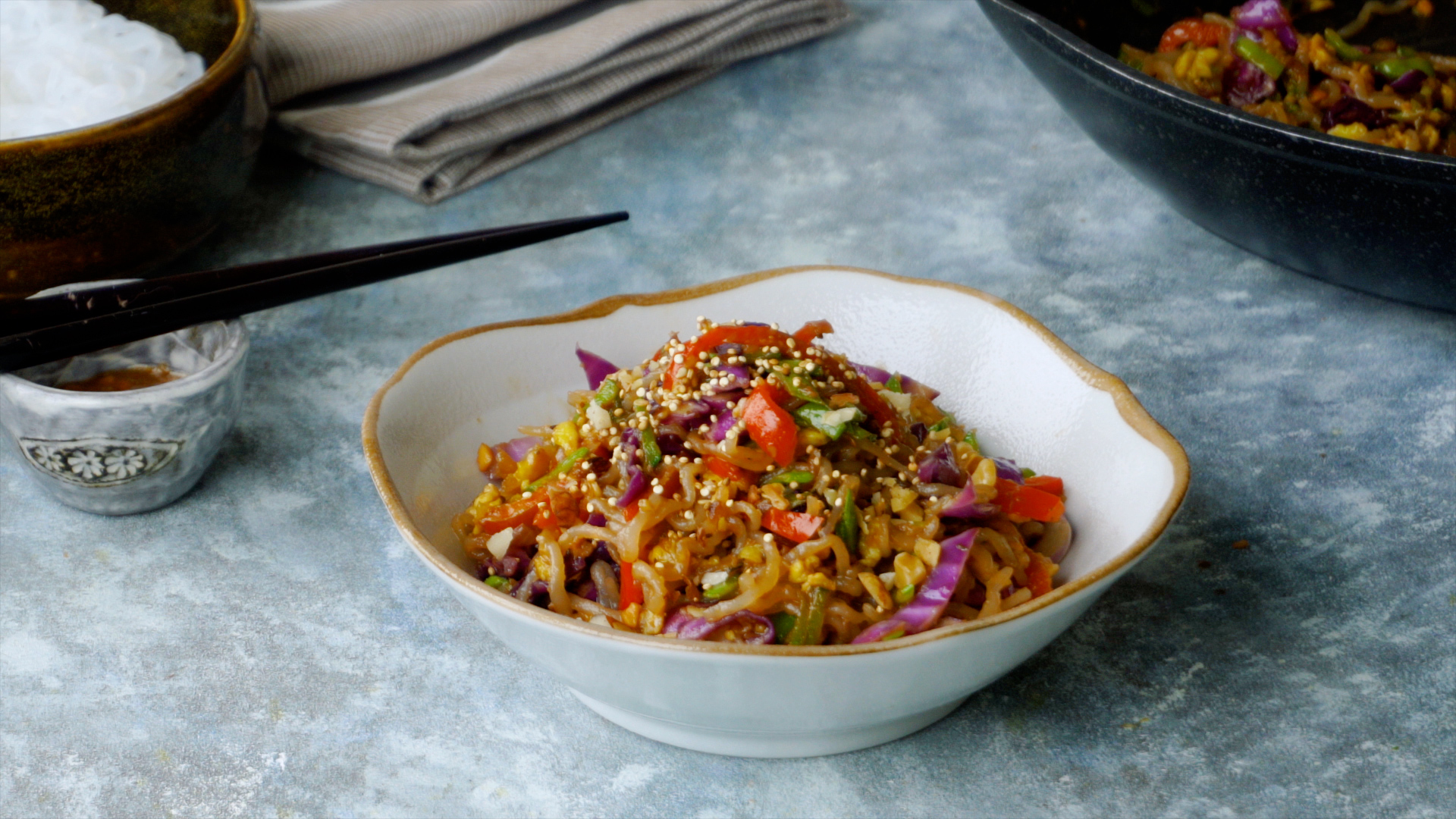
Shirataki noodles are the kitchen equivalent of a quiet student who suddenly wins the science fair. At first glance, they look a little suspicious: slippery, packed in liquid, and sometimes carrying a faintly ocean-like smell that makes beginners wonder if they bought noodles or adopted a tiny aquarium. But once you learn how to cook shirataki noodles properly, they become one of the most useful low-carb, gluten-free, and quick-cooking ingredients in your fridge.
Made from the konjac plant and rich in glucomannan fiber, shirataki noodles are famous for being very low in calories and carbohydrates. They do not behave like wheat pasta, rice noodles, or ramen, so treating them like regular pasta is where many first-time cooks go wrong. The secret is not complicated: rinse well, heat briefly, dry the noodles, and then let them soak up bold flavors.
This step-by-step guide explains exactly how to prepare shirataki noodles so they taste clean, springy, and satisfying instead of watery or rubbery. Whether you want a keto-friendly stir-fry, a lighter noodle bowl, a quick lunch, or a pasta-style dinner, these 11 steps will help you turn a humble bag of konjac noodles into something you will actually want to eat again.
What Are Shirataki Noodles?
Shirataki noodles are translucent Japanese-style noodles made mostly from water and konjac flour. Konjac comes from a root vegetable also known as elephant yam. The key fiber in konjac is glucomannan, a soluble fiber that helps give the noodles their signature bouncy texture.
Because shirataki noodles are naturally low in carbohydrates and calories, they are popular in keto, low-carb, gluten-free, diabetic-friendly, and weight-conscious cooking. However, they are not magic noodles. They are not a full meal by themselves, and they do not contain much protein, fat, or micronutrients. Think of them as a blank canvas. Add protein, vegetables, herbs, spices, and sauce, and suddenly the canvas looks less like “diet food” and more like dinner.
How to Cook Shirataki Noodles: 11 Steps
Step 1: Choose the Right Type of Shirataki Noodles
Shirataki noodles come in several shapes, including spaghetti, fettuccine, angel hair, rice-shaped pieces, and tofu shirataki. The best choice depends on your recipe. Use spaghetti-style noodles for stir-fries, ramen bowls, and sesame noodles. Choose fettuccine for creamy sauces or Alfredo-style dishes. Pick rice-shaped shirataki for fried rice, grain bowls, or soups.
Traditional shirataki has a firmer, more elastic bite. Tofu shirataki is slightly softer and may feel closer to regular pasta, although it usually contains a few more calories and carbs. Both can work beautifully when prepared correctly.
Step 2: Open the Package and Drain the Liquid
Most shirataki noodles are packed in water. This liquid helps preserve the noodles, but it is also responsible for the smell that surprises many first-time cooks. Do not panic. That aroma is normal, and it disappears with proper rinsing and heating.
Open the package over the sink and pour the noodles into a fine-mesh strainer or colander. Let the packing liquid drain completely. This first drain removes the strongest flavor and starts the transformation from “strange bag of noodles” to “weeknight dinner hero.”
Step 3: Rinse Thoroughly Under Cold Running Water
Rinsing is one of the most important steps in cooking shirataki noodles. Run cold water over the noodles for at least 30 to 60 seconds while tossing them gently with your fingers or tongs. This helps wash away the briny aroma and improves the final taste.
If you are sensitive to the smell, rinse longer. Some cooks rinse for two full minutes, and honestly, that is not a bad idea. Shirataki noodles are durable, so they will not fall apart just because you gave them a little spa treatment.
Step 4: Cut the Noodles Into Manageable Lengths
Shirataki noodles can be long and slippery. If you have ever tried to eat a mile-long noodle while wearing a light-colored shirt, you already know where this is going. Use kitchen scissors to snip the noodles into shorter pieces directly in the strainer or on a cutting board.
This step is optional, but it makes the noodles easier to stir, sauce, and eat. For stir-fries and noodle bowls, shorter strands mix more evenly with vegetables, proteins, and seasonings.
Step 5: Boil or Parboil for 2 to 3 Minutes
Bring a small pot of water to a boil and add the rinsed noodles. Boil for 2 to 3 minutes, then drain again. This quick parboil helps remove the remaining package smell and improves the noodle texture.
Unlike wheat pasta, shirataki noodles do not need to cook until tender. They are already edible from the package, so this step is about cleaning up flavor and texture. You are not softening starch; you are refreshing the noodles and preparing them to absorb sauce.
Step 6: Drain Very Well
After boiling, drain the noodles thoroughly. Shake the colander several times to remove as much water as possible. Extra moisture is the enemy of flavorful shirataki noodles because it dilutes sauces and makes the dish taste flat.
If you want the best texture, press the noodles gently with paper towels or a clean kitchen towel. The goal is not to crush them, but to remove surface water before they hit the skillet.
Step 7: Dry-Fry the Noodles in a Hot Pan
Heat a nonstick skillet or wok over medium-high heat. Add the drained noodles without oil, butter, or sauce. Cook for 3 to 8 minutes, stirring often, until the noodles release steam and the pan looks dry.
This dry-frying step is the real secret. It removes excess moisture, reduces rubberiness, and helps the noodles absorb flavor later. You may hear a squeaky sound as you stir. That is not the noodles complaining; that is success making noise.
Step 8: Add Aromatics for Real Flavor
Once the noodles are dry, move them to one side of the pan or remove them briefly. Add a small amount of oil if your recipe needs it, then sauté aromatics such as garlic, ginger, scallions, shallots, chili flakes, or onion.
Aromatics turn shirataki noodles from plain to craveable. Garlic and ginger work beautifully for Asian-inspired dishes. Shallots and mushrooms create a savory base for noodle bowls. Butter, garlic, and Parmesan can push the noodles in a pasta-style direction.
Step 9: Add Sauce After the Noodles Are Dry
Never drown wet shirataki noodles in sauce and hope for the best. Add sauce only after the noodles have been rinsed, heated, drained, and dry-fried. This gives your sauce a chance to cling instead of sliding sadly to the bottom of the bowl.
Good sauce options include soy sauce with sesame oil, peanut sauce, teriyaki-style glaze, garlic butter, curry sauce, spicy chili crisp, marinara, or creamy Alfredo-style sauce. Since shirataki noodles are mild, bold sauces work best.
Step 10: Add Protein and Vegetables
Shirataki noodles are light, so a balanced dish needs substance. Add chicken, shrimp, tofu, eggs, beef strips, salmon, tempeh, or edamame for protein. Then bring in vegetables such as cabbage, bell peppers, broccoli, mushrooms, carrots, spinach, zucchini, or snap peas.
For a fast stir-fry, cook the protein first, add vegetables, return the dry-fried noodles to the pan, and toss everything with sauce. For a soup bowl, prepare the broth separately and add the noodles near the end so they stay springy.
Step 11: Taste, Adjust, and Serve Immediately
Before serving, taste the dish and adjust the seasoning. Shirataki noodles absorb flavor, but they need help. A splash of vinegar, squeeze of lime, dash of hot sauce, sprinkle of Parmesan, or drizzle of toasted sesame oil can make the whole bowl brighter.
Serve shirataki noodles hot for stir-fries, soups, and pasta-style dishes. They can also be chilled for sesame noodle salads, especially when paired with cucumber, scallions, peanuts, and a tangy dressing.
Best Sauces for Shirataki Noodles
The best sauces for shirataki noodles are concentrated, flavorful, and not too watery. Because the noodles do not release starch like traditional pasta, they will not naturally thicken a sauce. That means thin sauces can taste weak unless you reduce them first or add ingredients with body.
Asian-Inspired Sauce
Mix soy sauce, rice vinegar, sesame oil, garlic, ginger, and a small amount of chili paste. Add a touch of honey or a low-carb sweetener if you like sweet-salty balance. This sauce is excellent with chicken, tofu, shrimp, cabbage, and mushrooms.
Peanut Shirataki Sauce
Whisk peanut butter with warm water, soy sauce, lime juice, garlic, and chili flakes. Toss with dry-fried noodles, cucumber, shredded carrots, and chopped peanuts. The creamy sauce helps coat the noodles beautifully.
Garlic Butter Parmesan Sauce
For a pasta-style version, cook garlic in butter, add the dry-fried noodles, then toss with Parmesan, black pepper, and parsley. This is simple, rich, and surprisingly satisfying when you want comfort food without a heavy pasta base.
Tomato-Based Sauce
Shirataki noodles can work with marinara, but choose a thick sauce. Simmer the marinara for a few minutes before adding noodles, or pair it with meatballs, turkey, mushrooms, or roasted vegetables for better texture and flavor.
Common Mistakes to Avoid
Mistake 1: Skipping the Rinse
If you skip rinsing, the package smell can linger. A quick rinse is not enough for everyone, so rinse generously and let the water do its job.
Mistake 2: Treating Shirataki Like Regular Pasta
Traditional pasta needs boiling because it is starch-based. Shirataki noodles need rinsing, draining, and dry-frying because they are water-rich and fiber-based. Different noodle, different rules.
Mistake 3: Adding Sauce Too Early
Wet noodles plus watery sauce equals a sad, slippery dinner. Dry the noodles first, then add sauce after the pan moisture has evaporated.
Mistake 4: Expecting Wheat Pasta Texture
Shirataki noodles are chewy and springy. They will not taste exactly like spaghetti, ramen, or rice noodles. Enjoy them for what they are: light, neutral, and great at carrying bold flavors.
Easy Shirataki Noodle Recipe Idea
Garlic Sesame Shirataki Stir-Fry
For a quick beginner-friendly dish, rinse and parboil one package of shirataki noodles, then dry-fry them in a skillet. In the same pan, sauté minced garlic, grated ginger, sliced mushrooms, and shredded cabbage. Add the noodles back with soy sauce, sesame oil, rice vinegar, and a pinch of chili flakes. Toss until everything is hot and glossy. Finish with scallions and sesame seeds.
This recipe works because it follows the golden rule: remove water first, add flavor second. The mushrooms bring umami, the cabbage adds crunch, and the sesame oil gives the dish a rich aroma. Add shrimp, chicken, tofu, or a fried egg if you want a heartier meal.
Are Shirataki Noodles Healthy?
Shirataki noodles can be a healthy option for many people because they are low in calories, low in carbohydrates, and naturally gluten-free. Their glucomannan fiber may help with fullness and digestion. However, they should be part of a balanced meal rather than the entire meal.
Because shirataki noodles are not rich in protein, vitamins, or minerals, pair them with nutrient-dense foods. Add lean protein, healthy fats, colorful vegetables, and flavorful sauces. If you are new to high-fiber foods, start with a moderate portion and drink enough water. Your stomach appreciates polite introductions.
Experience Notes: What Cooking Shirataki Noodles Teaches You Over Time
The first time many people cook shirataki noodles, the experience can be confusing. The package looks simple enough, but then you open it and meet that signature smell. It is not dangerous, but it is definitely memorable. The good news is that this first impression is not the final dish. After rinsing, boiling, and dry-frying, the noodles become much cleaner and more pleasant.
One useful lesson is that shirataki noodles reward patience more than complicated technique. You do not need fancy tools, a chef’s knife collection, or a dramatic cooking show soundtrack. You need a strainer, a pan, and the willingness to let moisture evaporate. That dry pan step feels strange at first because most noodle recipes tell you to add oil or sauce right away. With shirataki, waiting is what creates better texture.
Another experience-based tip is to match the noodle shape to the dish. Thin shirataki noodles work well in soups and light stir-fries. Fettuccine-style noodles are better with creamy sauces or thicker toppings. Rice-shaped shirataki is handy for fried rice bowls, especially when mixed with egg, peas, carrots, and scallions. The shape affects how the sauce clings, so choosing wisely makes the meal feel more natural.
Shirataki noodles also teach you the power of bold seasoning. Mild sauces often disappear into the background. Stronger flavors such as garlic, ginger, soy sauce, sesame oil, chili crisp, curry paste, lemon, lime, Parmesan, and black pepper make a noticeable difference. If a dish tastes bland, the noodles are usually not the problem. The sauce simply needs more personality. In other words, shirataki noodles are introverts; give them flavorful friends.
Texture improves when you avoid overcrowding the pan. If you cook two or three packages at once in a small skillet, the noodles steam instead of drying. A wide pan gives moisture room to escape. If you are meal-prepping, dry-fry in batches and then combine everything at the end. It takes a few extra minutes, but the result is much better.
Shirataki noodles are also excellent for quick lunches because they do not require long cooking. Once you understand the method, a full meal can come together fast. Keep a package in the refrigerator, add leftover chicken or tofu, toss in frozen vegetables, and finish with a punchy sauce. Suddenly, “there is nothing to eat” becomes “I accidentally made a decent noodle bowl.”
Finally, the best mindset is to stop comparing shirataki noodles to traditional pasta. They are not wheat noodles wearing a disguise. They are their own ingredient. When cooked correctly, they are light, chewy, and excellent at carrying sauce. Once you accept that, they become much easier to enjoy.
Conclusion
Learning how to cook shirataki noodles is mostly about removing excess water and building flavor. Drain the package liquid, rinse thoroughly, parboil briefly, dry-fry in a hot pan, and then add a bold sauce with protein and vegetables. Those simple steps turn slippery konjac noodles into a clean-tasting, satisfying dish that works for stir-fries, soups, salads, and pasta-inspired meals.
Shirataki noodles may look unusual at first, but they are practical, flexible, and surprisingly fun once you understand their personality. Treat them right, and they will reward you with fast meals, lighter bowls, and a noodle option that fits many eating styles without demanding much effort.












