
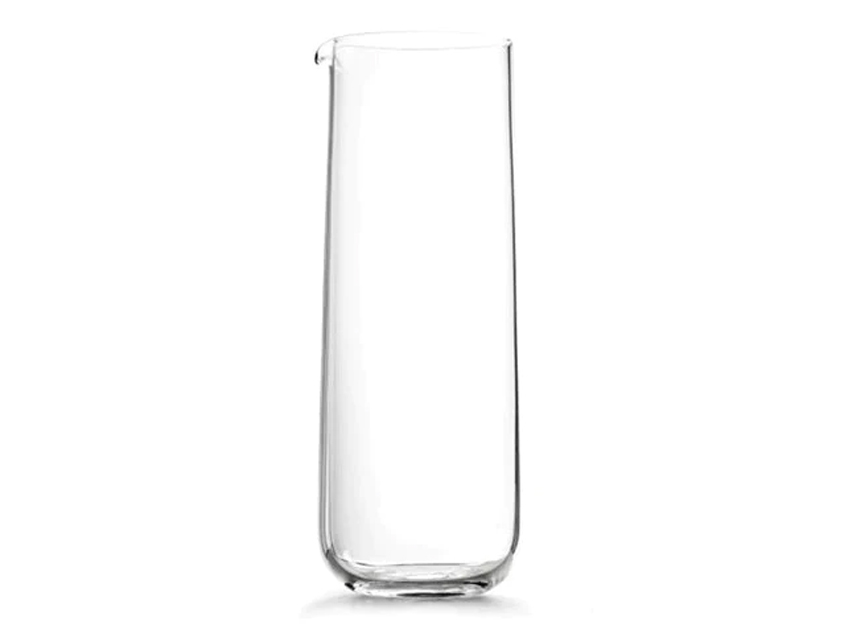
A wine or water carafe may look like a simple glass vessel, but do not be fooled by its quiet table manners. This humble piece of serveware can make a weeknight dinner feel intentional, help wine open up, keep guests happily hydrated, and save your dining table from the tragedy of mismatched plastic bottles. In other words, a carafe is the well-dressed friend who shows up on time, brings charm, and never asks for attention.
Still, choosing the right carafe can be surprisingly confusing. Is a wine carafe the same as a decanter? Can you serve water in a wine carafe? Should the base be wide or narrow? Does glass matter? What about lead crystal, cleaning beads, and those elegant bedside sets that make your nightstand look like a boutique hotel?
This guide breaks it all down in plain American English. Whether you want a wine carafe for Cabernet, a water carafe for dinner parties, or one versatile vessel that can handle lemon water on Tuesday and Pinot Noir on Saturday, here is how to choose wisely.
What Is a Carafe?
A carafe is a container, usually made of glass, used for serving drinks. It often has an open top, a graceful neck, and a body that can be slim, rounded, or wide depending on its purpose. Unlike many decanters, a carafe typically does not have a stopper. That means it is designed for serving, not long-term storage.
Carafes are used for water, wine, juice, iced tea, cold brew, infused drinks, and sometimes cocktails. In restaurants, a water carafe keeps the table refreshed without constant server visits. At home, it can make even tap water feel more polished. Add a few cucumber slices, citrus wheels, or mint leaves and suddenly your kitchen has entered its spa era.
Wine Carafe vs. Wine Decanter: What Is the Difference?
The terms “wine carafe” and “wine decanter” are often used interchangeably, but they are not exactly the same. A decanter is usually designed with wine performance in mind. It often has a wide base to expose wine to oxygen and may help separate older wine from sediment. A carafe is often simpler and more casual, made mainly for attractive pouring and table service.
Think of it this way: a decanter is the wine nerd with a tasting notebook; a carafe is the charming host who says, “Relax, dinner is ready.” Both can serve wine beautifully, but their best uses are slightly different.
Use a Wine Decanter When:
- You are serving a young, bold red wine that needs air.
- You have an older bottle with visible sediment.
- You want to maximize aroma and soften tannins.
- You are serving a special wine and want a more dramatic presentation.
Use a Wine Carafe When:
- You want simple, attractive wine service at the table.
- You are pouring a casual red, white, rosé, or sangria.
- You need a vessel that is easier to clean and store.
- You prefer everyday practicality over ceremonial swirling.
Does Wine Really Need a Carafe?
Sometimes, yes. Sometimes, no. Wine is delightfully dramatic that way.
Many young red wines benefit from air exposure. When wine meets oxygen, aromas can become more expressive, tannins may feel softer, and flavors can seem more balanced. This is especially useful for full-bodied reds such as Cabernet Sauvignon, Syrah, Malbec, Nebbiolo, or young Bordeaux-style blends. If a wine tastes tight, harsh, overly tannic, or a little closed, pouring it into a wine carafe may help it relax.
Older wines are different. They may have sediment, which is natural and not necessarily a sign of spoilage. Sediment often forms as tannins and color compounds develop over time. A careful pour into a decanter or carafe can separate the clear wine from gritty particles. However, older wines can be delicate. Too much oxygen may flatten their aromas quickly, so gentle handling is key.
How Long Should Wine Sit in a Carafe?
There is no universal timer, because wine refuses to behave like microwave popcorn. As a practical guide, young bold reds may benefit from 30 minutes to an hour in a carafe. Some may improve with more time. Lighter reds, whites, and rosés often need much less air, sometimes only 10 to 20 minutes. Very old wines should usually be poured shortly before serving, mainly to remove sediment rather than to aerate aggressively.
The best method is simple: taste first. Pour a small sip after opening. If the wine tastes muted, sharp, or grippy, give it some air. If it already tastes lovely, do not force it into a glass spa treatment it never asked for.
Can You Use the Same Carafe for Wine and Water?
Yes, you can use the same carafe for wine and water if it is made from food-safe, nonporous material and cleaned properly between uses. Clear glass is the most versatile choice because it does not hold odors easily, shows the color of wine beautifully, and looks clean with water.
However, if you frequently serve wine, especially red wine, it may be smart to own two carafes: one for wine and one for water. Red wine can leave faint stains or aromas if the carafe is not rinsed quickly. Water, meanwhile, deserves a fresh, neutral vessel. Nobody wants “notes of last night’s Merlot” in their lemon water at breakfast.
Best Materials for a Wine or Water Carafe
Glass
Glass is the most popular material for a carafe. It is clear, elegant, relatively affordable, and easy to match with almost any table setting. Standard glass works well for water, wine, juice, iced tea, and everyday entertaining. Look for a smooth rim, balanced weight, and a shape that feels comfortable to hold.
Borosilicate Glass
Borosilicate glass is known for handling temperature changes better than ordinary glass. It is a good choice if you plan to serve chilled drinks, hot tea, or infused water. It is often lightweight, modern-looking, and practical for daily use.
Lead-Free Crystal
Lead-free crystal offers sparkle and clarity without the concerns linked to traditional lead crystal. It can be a beautiful option for wine service, especially if you want a more refined table presentation. Many modern wine vessels are marketed as crystal but are lead-free, using alternative minerals to create brilliance.
Traditional Lead Crystal
Lead crystal can be beautiful, but it should be treated with caution. Acidic drinks such as wine, juice, and citrus water can draw lead from leaded crystal over time. Occasional short serving may carry less risk than storage, but storing wine, spirits, or acidic beverages in lead crystal is not recommended. For daily use, choose lead-free glass or lead-free crystal.
How to Choose the Right Carafe Shape
The best carafe shape depends on what you serve most often.
Wide-Base Carafe
A wide-base carafe gives wine more surface area, which helps aeration. This shape is great for young red wines that need oxygen. It also looks dramatic on a table, which is useful when you want your $18 bottle to appear emotionally expensive.
Slim Water Carafe
A slim carafe is ideal for water, iced tea, juice, or bedside use. It fits more easily in refrigerator doors and on crowded tables. Many bedside water carafes come with a tumbler that sits over the opening like a lid, keeping dust away while saving space.
Handled Carafe or Pitcher
A handled design is best for larger volumes. If you serve family dinners, brunch, lemonade, or iced tea, a handle gives better control. For wine, however, many people prefer a handle-free shape because it feels more elegant and allows a smooth, controlled pour.
Narrow-Neck Carafe
A narrow neck helps control pouring and reduces spills. It is especially useful for water or chilled drinks. For wine, a narrow neck paired with a wider base can offer both aeration and precision.
What Size Carafe Should You Buy?
For wine, choose a carafe that holds at least 750 milliliters, the size of a standard wine bottle, with extra room for swirling and air exposure. For water, a 1-liter to 1.5-liter carafe works well for most tables. Bedside carafes are usually smaller, often around 20 to 35 ounces, which is enough for overnight hydration without turning your nightstand into a hydration command center.
If you entertain often, consider owning one wine carafe and one larger water carafe. The wine carafe can be wide and elegant, while the water carafe can be sturdier and easier to refill.
How to Serve Wine in a Carafe
Start by making sure the carafe is clean, dry, and free of detergent aromas. Open the wine and taste a small amount. If it needs air, pour slowly into the carafe, letting the wine run along the inside wall of the glass. This increases oxygen contact without splashing wildly like a pirate at a tavern.
For older wine, stand the bottle upright for several hours before serving if possible. This helps sediment settle at the bottom. Pour slowly and stop when sediment reaches the neck of the bottle. A small light behind the bottle can help you see the sediment line.
For casual wine, you do not need to overthink it. Pour, taste, wait a little, and enjoy. The carafe should improve the experience, not turn dinner into a chemistry exam.
How to Serve Water in a Carafe
A water carafe is all about freshness and ease. Fill it shortly before serving, especially if you are adding fruit, herbs, or ice. For dinner parties, place one carafe at each end of the table so guests can refill without doing the awkward “half-stand, half-reach” maneuver.
For infused water, keep flavors clean and simple. Lemon and mint, cucumber and lime, orange and rosemary, or strawberry and basil all work well. Avoid overloading the carafe with too much fruit, which can make water taste crowded. Water should feel refreshing, not like it is trying to become a smoothie.
Cleaning and Caring for Your Carafe
Clean your carafe soon after use, especially after serving red wine. Rinse with warm water before stains dry. For narrow-neck carafes, use decanter cleaning beads, a soft bottle brush, or a gentle vinegar rinse. Avoid harsh abrasives that can scratch glass.
Many simple glass water carafes are dishwasher-safe, but delicate wine decanters and fine glassware are often better washed by hand. Dishwashers can cloud glass over time, and awkward shapes may not clean thoroughly. After washing, let the carafe air-dry upside down on a rack or polish it with a lint-free microfiber cloth.
Wine or Water Carafe Buying Checklist
- Purpose: Choose wide-base designs for wine and slim designs for water.
- Material: Pick glass or lead-free crystal for everyday safety and clarity.
- Capacity: Make sure a wine carafe holds a full 750-milliliter bottle.
- Pouring comfort: Look for a smooth lip and balanced weight.
- Cleaning: Avoid shapes that look beautiful but are impossible to wash.
- Storage: Consider cabinet height and refrigerator-door space.
- Style: Match the carafe to your table, but do not sacrifice function for drama.
Common Mistakes to Avoid
Buying a Carafe That Is Too Small
A tiny carafe may look cute, but if it cannot hold enough water for the table or a full bottle of wine, it becomes decorative clutter. Choose size based on real use, not just shelf appeal.
Using Lead Crystal for Storage
Do not store wine, spirits, juice, or acidic drinks in lead crystal. For daily drinking and serving, lead-free options are safer and easier to recommend.
Letting Wine Sit Too Long
Aeration can help wine, but too much air can dull it. Taste as you go. Wine is not a houseplant; it does not always improve just because you leave it alone.
Ignoring the Cleaning Problem
Some sculptural decanters look like museum pieces and clean like nightmares. If you cannot fit a brush inside, make sure you are willing to use cleaning beads or special tools.
Personal Experiences With a Wine or Water Carafe
The first time many people buy a carafe, they imagine formal dinners, candlelight, and guests saying things like, “What a lovely pour.” Then real life happens. The carafe ends up holding tap water during taco night, orange juice at brunch, and a very optimistic batch of cucumber water that someone forgets in the fridge. Surprisingly, that is where a carafe proves its worth. It is not only for special occasions. It quietly improves ordinary ones.
One of the best uses for a water carafe is the dinner table. A simple glass bottle or pitcher changes the pace of a meal. Instead of people leaving the table to refill glasses, the water is already there. Conversation continues. Plates stay warm. The host is not running a one-person hydration department. For families, this small change can make dinner feel calmer. For guests, it feels thoughtful without being fussy.
A bedside water carafe is another small luxury that earns its space quickly. There is something wonderfully civilized about waking up and reaching for a glass of water that is not trapped in a plastic bottle making crinkling sounds at 2:00 a.m. A carafe with a matching tumbler is especially useful because the glass often acts as a cover. It keeps the setup neat and makes the nightstand look intentional, even if the rest of the room is currently hosting three laundry piles and a charging cable jungle.
Wine carafes create a different kind of experience. Pouring wine into a carafe slows people down in a good way. It encourages tasting, noticing aromas, and giving the wine a chance to change. A young red that tastes sharp right after opening may become rounder after 30 minutes. Guests may not know exactly why the wine tastes better, but they often notice that it feels smoother and more expressive. The carafe becomes part of the ritual, not because it is fancy, but because it invites attention.
There is also a practical benefit. Serving wine from a carafe removes the label from the spotlight. That can be helpful when the bottle is inexpensive but delicious. Instead of judging the wine by the brand, price, or label design, guests focus on taste. A $15 bottle in a clean glass carafe can feel generous and elegant. The carafe does not lie; it simply tells the wine to stand up straight and use its indoor voice.
For casual gatherings, a sturdy everyday carafe often beats a dramatic decanter. It is easier to wash, easier to pass, and less likely to cause panic when someone with enthusiastic hand gestures reaches across the table. A classic one-liter glass carafe can serve red wine, white wine, sangria, iced tea, or water depending on the day. That flexibility matters in real homes, where cabinet space is not infinite and every object must earn its rent.
The biggest lesson from using carafes regularly is that design should support behavior. If a carafe is too heavy, people avoid using it. If the mouth is too narrow, cleaning becomes annoying. If it is too tall for the refrigerator, it becomes a decorative vase by accident. The best wine or water carafe is the one you actually reach for: balanced, easy to pour, simple to clean, and attractive enough to leave on the table.
Conclusion: Should You Buy a Wine or Water Carafe?
A wine or water carafe is one of those rare home items that is both beautiful and useful. For wine, it can help with aeration, presentation, and sediment control. For water, it makes everyday hydration feel cleaner, calmer, and more elegant. The right choice depends on your habits. If you drink bold reds, choose a wide-base wine carafe or decanter. If you host dinners, choose a sturdy water carafe with generous capacity. If you want one versatile option, pick a clear glass carafe that holds at least one liter and pours smoothly.
Above all, do not buy a carafe just because it looks impressive. Buy one that fits your table, your cabinet, your cleaning patience, and your actual life. A great carafe should not make you feel like you need a tuxedo, a sommelier certificate, or a butler named Charles. It should simply make drinks easier to serve and more enjoyable to share.
Note: This article is for general home entertaining, serving, and shopping guidance. For health-sensitive households, especially those with children or pregnant people, choose lead-free glassware for everyday use.











